
Entertainment
10 Classic Horror Movies That Are Still Perfect Today

Every genre includes some level of artistic wiggle room, but the horror realm has proven itself an especially potent playground for creative innovation. Every time a scenario (demonic possession), gimmick (jump scares), or sub-genre (horror-comedy) seems played out beyond saving, filmmakers with fresh perspectives raise the bar again.
It goes without saying that such modern triumphs wouldn’t thrive without their expectation-breaking predecessors. Spooky tales don’t need to be from the 21st century to burrow into our psyches. They just require skill, empathy, a little daring, and dissecting fundamental lived experiences with microscopic precision. Like wine that’s ripened with time, these 10 classic horror masterpieces haven’t aged a day.
10
‘The Curse of Frankenstein’ (1957)

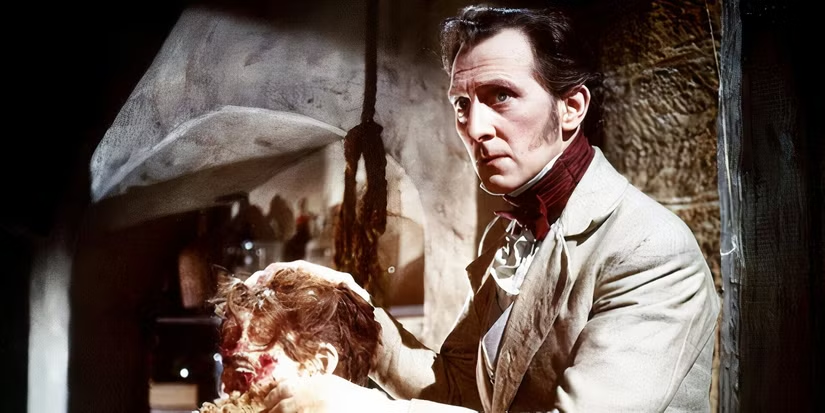
Hammer Films’ breakout hit ensured their legacy as a titan of the macabre. The Curse of Frankenstein establishes the studio’s template and why its particular pleasures endure: saturated color palettes to relish, set design as elaborate as the gushing blood, and a beguiling, detail-oriented pacing that reflects Baron Victor Frankenstein’s (Peter Cushing) obsessive perfectionism and amoral ambition. There isn’t an ounce of satirical camp; director Terence Fisher plays The Curse of Frankenstein as severe as a nocked arrow.
Even though screenwriter Jimmy Sangster reinvents the plot mechanics of Mary Shelley‘s genre-defining novel, her ethical interrogations remain intact. Even turning her controversial protagonist into an irredeemable villain is a fair interpretation. Cushing inhabits blood-curdling cruelty with a virtuoso touch, ranging from scientific dispassion to a scornful, aristocratic narcissist who disposes of women like lab rats. Conversely, the Creature (Christopher Lee) receives little material besides silently meandering. However, his tragedy as another tormented victim shines through Lee’s heartbreaking eyes and puppet-like physicality.
9
‘Cat People’ (1942)

Despite her best intentions, fashion designer Irena Dubrovna (Simone Simon) falls head over heels for American architect Oliver Reed (Kent Smith). She resists consummating their marriage in order to protect her new husband; according to Serbian folklore, indulging her desires will unlock a curse that transforms Irena into a deadly panther. Incredulous and impatient, Oliver develops an attraction to his intrepid assistant, Alice Moore (Jane Randolph) — and Irena, in her betrayed jealousy, unsheathes her claws.
Pioneering horror director Jacques Tourneur delivers a lean, mean psychosexual thriller cloaked in metaphors. Cat People seethes with internal contradictions, social othering, implied queerness, and how men fear, despise, and seek to control female sexuality. Ancient mythology casts poor Irena — already traumatized into self-loathing — as both the deadly femme fatale and the imploring virginal heroine. No one answers her distress with compassionate patience, either. Oliver denies her spousal support, while lustful psychiatrist Louis Judd (Tom Conway) schemes to claim Irena. Cat People‘s dusky black-and-white tones and avant-garde editing produces hair-raising suspense and what might be the world’s first jump scare.
8
‘The Cabinet of Dr. Caligari’ (1920)

Director Robert Wiene‘s team fashioned the definitive German Expressionist film and a groundbreaking piece of entertainment history. Hypnotist Dr. Caligari (Werner Krauss) keeps the sleepwalker Cesare (Conrad Veidt) trapped within his iron-clad command. The doctor passes himself off as a traveling carnival’s ringmaster, displaying Cesare’s somnambulant form as an unnatural wonder of the world. Once night falls, Cesare becomes Caligari’s personal assassin and terrorizes the quiet town of Holstenwall.
The Cabinet of Dr. Caligari deserves its substantial aesthetic reputation. The asymmetrical compositions, courtesy of cinematographer Willy Hameister, and the phantasmagorical production design — nothing exists in this physics-defying world except harsh lines and jagged edges — represent claustrophobic confinement. Wiene and Hameister also milk the stationary camera’s potential, letting character blocking and long shots breed urgent anxiety. Released two years after World War I, The Cabinet of Dr. Caligari‘s living nightmare doubles as an allegory about serving the whims of a power-abusing tyrant.
7
‘Night of the Living Dead’ (1968)

The father of zombie horror as we know it, George Romero‘s indie project Night of the Living Dead defined the sub-genre’s conventions. As an undead plague decimates the world with ghastly speed, a group of survivors huddles inside a Pittsburgh farmhouse. Romero opens with the blonde, imperiled Barbra (Judith O’Dea), yet it’s Ben (Duane Jones), a Black man characterized with extensive depth, who’s Night of the Living Dead‘s unequivocal hero and moral compass. To no one’s surprise, the other humans’ animosity, selfishness, cowardice, and masculine posturing clash against Ben’s voice of reason.
Limitations often foster resourceful flair, and Romero’s low-budget, pseudo-documentary method lends his first Dead entry its lasting edge. The flesh-consumers’ slow creep hasn’t lost its ominous sting; their unceasing pursuit is a nerve-shredding countdown to carnage. Romero’s sickening ending, widely interpreted as a scathing condemnation of racism and authoritarian violence, popularizes yet another motif — prejudiced humans with free will are more depraved than soulless husks. Night of the Living Dead is ahead of its time and still timeless.
6
‘The Haunting’ (1963)

The Haunting adapts Shirley Jackson‘s The Haunting of Hill House into a perennial ghost-house epic. Paranormal researcher John Markway (Richard Johnson) leads an investigation into a Massachusetts property marked by multiple violent tragedies. He invites three strangers along for the ride, including Eleanor Lance (Julie Harris), an anxious and isolated woman with a rebellious streak. Her counterbalance, the self-assured clairvoyant Theodora (Claire Bloom) — as overt and multifaceted a lesbian character as possible for 1963 — notices the mansion’s disquieting ambiance. Nevertheless, Hill House’s mystique both enthralls and repulses Eleanor’s private demons.
All The Haunting needs to send chills zipping down one’s spine is sinister Gothic architecture, canted angles, creaking floors, and indelible dialogue. Implications, the unseen, and the actors selling supreme terror and mental deterioration drive the ferocious atmosphere. Director Robert Wise neither confirms nor denies the house’s malicious sentience; Eleanor could be hallucinating the supernatural happenings. Either way, The Haunting drips with a pervasive sense of being hunted — and Christie’s tremulous agitation turns Eleanor into a living haunting.
5
‘Eyes Without a Face’ (1960)

Legend has it that Georges Franju described Eyes Without a Face as “an anguish” fable. Indeed, the French director’s magnum opus follows a daughter’s conflicted grief and a single-minded father who abandons all moral principles. Plastic surgeon Dr. Génessier (Pierre Brasseur) kidnaps women and flays off their facial skin. Ever since a car accident left his daughter Christiane’s (Édith Scob) visage irreparably wounded, he’s channeled his guilty conscience and self-righteous conviction into one goal: grafting living tissue onto his child’s skull.
Eyes Without a Face glides with the cerebral elegance of an art house experiment. The precise, painterly images alternate between surreal, ethereal, and grotesque. Although no blood-fest, its clinical depiction of the heterograft surgery remains staggeringly brazen. And if Eyes Without a Face blisters unforgettable revulsion onto viewers’ retinas, then Christiane internalizes the cyclical violence inflicted upon others and herself. She’s alive yet locked inside her controlling father’s secluded estate, longing for freedom, wandering the halls like a ghost, and splintering into wrenching despair. A blank white mask has never been so devastating.
4
‘Halloween’ (1978)

Halloween‘s resounding impact can’t be overstated. The greatest ’70s slasher launched a 13-movie franchise, Jamie Lee Curtis‘ Scream Queen career, and an oft-imitated style. What modern audiences find predictable was trailblazing in 1978, and not crafted to satisfy a trope checklist. Every ingredient of director, composer, and co-writer John Carpenter‘s independent hit operates at peak efficiency. The brilliantly straightforward premise is clear, the execution sublimely calculated. Halloween doesn’t need fancy frills — it’s an exercise in tone and momentum, articulating suspense through naturalized minimalism and electrifying restraint.
To that end, Michael Myers (Nick Castle) represents a bone-deep terror that latches on and festers. His evil lacks discernible logic. Worse still, Carpenter denies Haddonfield’s picture-perfect Midwestern neighborhood any safety from an unstoppable predator who’s always watching, always circling closer. He’s a perfect vessel for all that goes bump in the night, offscreen misogynistic violence, and the decade’s sociopolitical unrest. Meanwhile, Laurie Strode’s (Curtis) effortless relatability as a shy, bookish, self-sufficient fighter, her panicked face streaked with tears, strikes close to home. And we’d be remiss to not mention the score; Carpenter’s repeating synths are as ceaselessly sharp as his killer’s blade.
3
‘The Innocents’ (1961)

The Innocents, directed by Jack Clayton and co-written by William Archibald and Truman Capote, flawlessly transfers Henry James‘ chilling novella The Turn of the Screw to the silver screen. A neglectful uncle (Michael Redgrave) hires governess Miss Giddens (Deborah Kerr) to supervise his orphaned pre-teen charges, Miles (Martin Stephens) and Flora (Pamela Franklin). Upon moving to their sprawling manor, the youths’ volatile behavior convinces Giddens that the ghosts of the children’s last guardian, Mary Jessel (Clytie Jessop), and her illicit lover Peter Quint (Peter Wyngarde), have possessed the children for nefarious ends.
Cinematographer Freddie Francis‘ monochromatic textures are a work of visual majesty. The contrast between sunlit panoramas and candlelit hallways adjusts to parallel Giddens’ wavering fragility; the heightened depth of field emphasizes her paranoia, while the widescreen ratio invites viewers to scan for threats. Add on editor Jim Clark‘s feverish cross dissolves, and you have a malevolent tapestry led by an unreliable narrator. Casting the luminously middle-aged Kerr enriches her character’s sympathetic naivety and the conflict’s ambiguity. If trauma and abandonment have robbed the children of their innocence, not supernatural interference, then Giddens’ sexual repression, intense loneliness, and moral piety manifest as hallucinations. After obeying destructive patriarchal mores for four decades, her efforts unrewarded and her life unfulfilled, the heroine’s mind erodes.
2
‘Don’t Look Now’ (1973)

When it comes to the prolific “grief is the real horror” metaphor, nothing yet surpasses Nicolas Roeg‘s towering feat. Based on Daphne du Maurier‘s poignant short story, John (Donald Sutherland) and Laura Baxter (Julie Christie) try to repair their shattered world after their young daughter Christine (Sharon Williams) drowns in a lake. Relocating to Venice for John’s next architectural contract counts as running away from trauma, but healing seems within tentative reach — until a self-proclaimed psychic (Hilary Mason) claims John’s survival depends upon him heeding Christine’s warning from beyond the grave.
Don’t Look Now‘s resonate hook explores the specifics of how losing a child fractures a devoted marriage. Both spouses are lost souls hollowed out by their inescapable agony. Layering on a supernatural component opens a thematically intricate Pandora’s box: rationality versus spirituality, psychic portents, self-fulfilling prophecies, and an apocalyptic foreboding that lingers long after the credits roll. Roeg executes his vision with technical acuity and experimental curiosity. Between cinematographer Anthony Richmond‘s motifs, editor Graeme Clifford‘s non-linear cuts, and Sutherland and Christie’s absolute commitment, Roeg’s otherworldly masterpiece feels both inseparable from its decade and viscerally contemporary.
1
‘Psycho’ (1960)

Let’s be indisputably clear: nothing justifies a shock ending that demonizes transphobia and mental illness. Even if Alfred Hitchcock didn’t approach Psycho with intentional bigotry, impact outweighs intent. His irresponsibility is impossible to excuse. Yet without ever minimizing the harm Psycho‘s legacy has caused, everything before the film’s last ten minutes soars with impeccably calibrated finesse. By daring to murder his protagonist at the 47-minute mark, Hitchcock slices-and-dices through every established rule. The gore-less shower scene leaves a mental stain thanks to frenzied montage cuts, Bernard Herrmann‘s piercing score, and the fact Hitchcock had ensured viewers empathize with the defenseless Marion Crane’s (Janet Leigh) headspace.
After that unprecedented violation, all bets are off. Hitchcock’s concise approach cages viewers in the palm of his hand, manipulating the movie’s fraught uncertainty until we’re dangling high above a crevice without a parachute. That said, Psycho could hit every tense note and still fall apart without its leading duo. Leigh turns Marion’s tragedy into a striking character study about a desperate woman caught in her “private trap,” and no performer has matched the riveting nuance Anthony Perkins weaves into his fusion of disarming boyish sensitivity and seething misogynistic hatred. Glaring flaws aside, Psycho is a horror all-timer and an irrevocable cinematic landmark.


Continue Reading
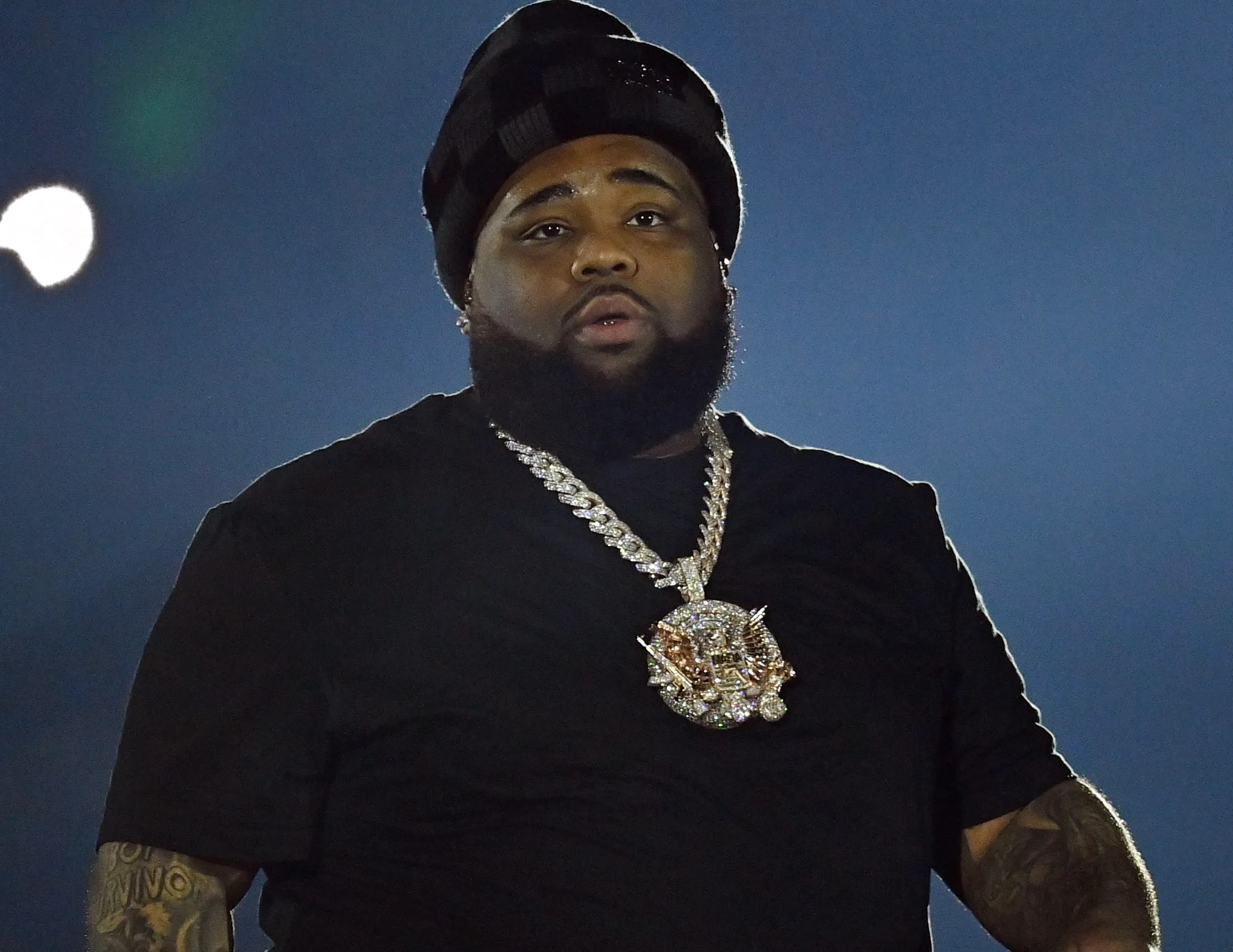
Love was in the air on Sunday as Tokyo Jetz and Shaquill Griffin officially tied the knot. The couple’s beautiful ceremony was livestreamed on TikTok for supporters to witness the special moment. Additionally, while guests made their way into the wedding, viewers spotted several familiar faces as attendees stopped to take photos before sitting down. Once clips began circulating online, one particular pop-out quickly pulled Rod Wave into the mix.
RELATED: Whew! Rod Wave Issues Apology Following Heated Dispute Between His Girlfriend & Mother Of His Kids
Rod Wave’s Ex Dee Is Spotted Out With Ga’Quincy McKinstry By Her Side
During Tokyo Jetz and Shaquill Griffin’s livestreamed wedding, one attendee who caught viewers’ attention was Dee. Dee, an entrepreneur and mother of Rod Wave’s twins, wore an elegant fitted black one-shoulder dress. By her side was New Orleans Saints cornerback Ga’Quincy “Kool-Aid” McKinstry in a black tuxedo. The two smiled as they posed for photos together and separately before heading to their seats.
Rod Wave and Dee’s Dating History
After Dee’s pop-out with Ga’Quincy McKinstry, fans quickly dragged Rod Wave into the mix. Rod Wave and Dee dated on and off for nearly four years, with the rapper dedicating several songs to her throughout their relationship.
Supporters were heavily invested in the pair, making their 2024 breakup a shock to many. At the time, Dee took to the internet to reveal that she and Rod Wave had ended their relationship. In a lengthy Instagram post, she shared that she was hurt by the breakup and apologized to her daughters while choosing to prioritize her happiness moving forward. Dee also made it clear that Rod was officially single and told supporters not to update her on his moves.
Since then, the two have focused on co-parenting their 5-year-old twin daughters. Rod Wave has also since gone public with rapper Mini Barbie. Despite both moving on, fans still can’t help but bring up Rod Wave and Dee whenever either is spotted with someone new.
Dee And Ga’Quincy Previously Sparked Love Triangle Speculation Before Their Pop-Out
Last month, rumors swirled that Dee and Ga’Quincy were involved after Dee posted a “no face, no case” video in March set to Jhene Aiko’s ‘Blue Dream.’
Although she never showed the mystery man’s face, internet detectives believed the chain seen in the clip resembled one worn by Ga’Quincy. However, things took a turn when rumors surfaced claiming he was also involved with a woman named Jaslyn.
Those claims gained traction after a post shared by TeaByJas2.5 alleged the two had dealings of their own. Amid the speculation, Dee took to Instagram with a blunt message for those commenting on her personal life. She wrote, “Stay out my business f* a** h***.”** Dee followed up by adding, “B* this my world, so whatever I say go. I call all the shots round this b***!”
Social Media Reacts To Rod Wave’s Ex
Many folks gathered across social media after watching Dee pop out with Ga’Quincy. Some were happy to see her moving on. Others brought up Rod Wave, joking that they’re ready for him to channel the moment into his next project. Meanwhile, a few questioned whether rumors about Ga’Quincy allegedly having a girlfriend were true.
Instagram user wrote @amourxx.des wrote, “I’m sorry i love rod wave but Dee and her new dude look so MUCH BETTER 😩😩😩🥰🥰”
Instagram user @_shaunkairenee added, “I LOVE THISS FOR HER… She deserves to be happy. Y’all be wanting her bitter and mad soooo bad”
While Instagram user @for.ou6992 wrote, “Rod about to want her back. What Trina said they see you with a new man then they want you back”
Instagram user @zephanarnia wrote, “Yesssss perfect now Rod will definitely be dropping heat in November 🥰”
Instagram user @im.iconnn added, “Ohh Yes The Rod Wave Album finna be fire 🔥 YAS Dee!”
While Instagram user @wintersdiary._ wrote, “Now that’s how you clear em !!! Thangyaaaaa she said f them rappers we want NFL MONEY”
Instagram user @niggaslovebabygirl wrote, “damn she took that girl man 😭”
Instagram user @x_t_r_a_o_r_d_i_n_a_r_y wrote, “Where did the ex gf say he cheated withDEE? Cause until she get on here and say that nobody gives af bout nun”
While Instagram user @_charityyyyyb wrote, “Dont start hating in the comments! & also my girl said his past is his past and my past is my past! Thannnggyaaaa!”
RELATED: Social Media Users Are Crackin’ Up At Rod Wave Singing His Heart Out At Ye’s Concert (WATCH)
What Do You Think Roomies?
Entertainment
A complete timeline of “It Ends With Us” costars Blake Lively and Justin Baldoni's legal battle
:max_bytes(150000):strip_icc():format(jpeg)/justin-baldoni-blake-lively-012225-20b3c9db6f7d42eba3dddf6aeb2f1f7a.jpg)
Examining the warring lawsuits between the two actors.
Us Weekly has affiliate partnerships. We receive compensation when you click on a link and make a purchase. Learn more!
Martha Stewart’s latest glam moment proves the magic is often in the final step. The product behind her smooth, airbrushed finish? The Charlotte Tilbury Airbrush Flawless Setting Spray, a cult-favorite mist that’s become a go-to for locking in makeup while keeping skin looking fresh, not flat. Makeup artist Alex Rutkovskiy spritzed the setting spray on Stewart at the 5th annual King’s Trust Gala in NYC, where her makeup looked seamlessly blended, softly diffused and camera-ready from every angle.
The formula is designed to do more than just “set” — it actively helps fuse makeup layers so everything looks more skin-like. Featuring film-forming polymers that create a breathable veil over makeup, the spray helps makeup stay in place without that tight, stiff feeling some sprays leave behind. At the same time, hydrating ingredients like aloe vera and Japanese green tea work to keep skin feeling comfortable and looking fresh, which is key if you’re wearing makeup for long events or under harsh lighting.
Get the Charlotte Tilbury Airbrush Flawless Setting Spray for $39 at Amazon! Please note, prices are accurate as of the publishing date but are subject to change.
There’s also a subtle smoothing effect that gives skin that soft-focus, almost filtered finish. Instead of emphasizing texture or dryness, the mist helps blur the look of pores and fine lines, which is why it photographs so well — and why it’s often used on red carpets. It doesn’t add shimmer or obvious glow, but it enhances whatever finish you already have, whether that’s dewy, natural or matte.

When celebrities walk the red carpet, they need to look completely flawless. To achieve that, there’s a new blurring concealer that already has Kate Hudson, Amal Clooney, Teyana Taylor, Zoey Deutch and Emily Blunt swooning. Charlotte Tilbury told Us that she slyly debuted this skin-perfecting concealer during the Golden Globes. I certainly noticed that these […]
Amazon shoppers are quick to give this spray a positive review. One 50+ customer raved: “I finally caved and bought the Charlotte Tilbury Airbrush Flawless Setting Spray, and two or three quick spritzes later my mind was blown. My makeup didn’t just ‘stay on’ — it suddenly looked like someone had softly airbrushed my entire face. Powdery patches disappeared, everything blended into my skin like it was my actual complexion and I had this natural, healthy glow that lasted all day long.”
If you’ve been chasing that blurred, long-wear glam that still looks like real skin, this is one of those final-step products that can completely enhance your look!
Get the Charlotte Tilbury Airbrush Flawless Setting Spray for $39 at Amazon! Please note, prices are accurate as of the publishing date but are subject to change.
Looking for something else? Explore more setting sprays here and don’t forget to check out all of Amazon’s Daily Deals for more great finds!
This week, the landmark superhero satire series The Boys is once again topping the charts on Prime Video, and things are heating up for the show as it approaches the last three episodes of its fifth and final season. Created by Eric Kripke and based on the comics by Garth Ennis and Darick Robertson, the show is a beloved fan-favorite and a critical hit that’s easily one of the most popular superhero franchises of the 21st century, and Season 5 has so far been exactly as bloody, brutal, and glorious as fans would have hoped. But whether you’re all caught up and eagerly awaiting the next episode, or you’re just not that into hyper-violent superhero shows, the streaming platform has many more options for you to explore. Here’s a look at three great shows that we think you should binge on Prime Video this week, including some of the best TV series of all time.
For more recommendations, check out our list of the best shows and movies on Prime Video.
1
‘Unforgettable’ (2011–2016)
Inspired by J. Robert Lennon‘s 2008 short story “The Rememberer,” Unforgettable is a police procedural series developed by Ed Redlich and John Bellucci that stars Poppy Montgomery as Carrie Wells, a troubled detective with a photographic memory. Using her unique skills, Carrie helps the NYPD crack complex, baffling cases, while simultaneously attempting to uncover the one memory she can’t remember: the death of her sister. The show also stars Dylan Walsh, Michael Gaston, Kevin Rankin, Daya Vaidya, Jane Curtin, Dallas Roberts, and more in key roles.
A unique show in the vast canon of TV procedurals, Unforgettable is a relatively little-known entry that had a troubled production history, being canceled twice by CBS over its first three seasons and then picked up by A&E for a fourth and final installment. While its narrative and stories are quite formulaic, the series does feature a truly intriguing premise and some great performances, particularly by Poppy Montgomery in the central role. And though it never quite became a critical success, the show continues to enjoy a cult following and airs reruns in syndication.
2
‘Downton Abbey’ (2010–2015)
An iconic period drama series, Downton Abbey was created and co-written by Julian Fellowes and revolves around the residents of the titular English country estate. Set between 1912 and 1926, the show follows the changing lives of the Crawley family and their servants in the context of major historical events of the time, like the sinking of the Titanic and the First World War. The ensemble cast includes Hugh Bonneville, Elizabeth McGovern, Michelle Dockery, Laura Carmichael, Jessica Brown Findlay, Maggie Smith, Dan Stevens, and many more.
During its six-season run in the 2010s, Downton Abbey was one of the biggest television shows, earning critical and commercial success and becoming a major pop culture phenomenon. A gorgeously produced period drama with engaging characters and storylines, the show has been praised by critics and viewers alike for its writing, direction, costumes, and performances, garnering numerous accolades. After the show’s conclusion, the series further expanded into a multimedia franchise with a sequel film trilogy, the last of which was released in September 2025.
3
‘Friday Night Lights’ (2006–2011)
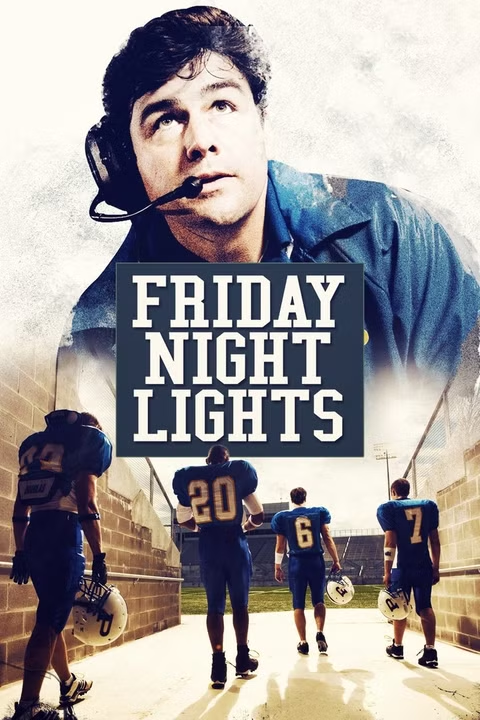
Inspired by H. G. Bissinger’s 1990 book and developed by Peter Berg, Friday Night Lights is a sports drama series that follows a high school football team in the rural West Texas town of Dillon. Starring Kyle Chandler as coach Eric Taylor and Connie Britton as his wife, Tami, the show explores the many issues that plague life in American small towns through the stories of its ensemble. The series cast also stars Gaius Charles, Zach Gilford, Minka Kelly, Adrianne Palicki, Taylor Kitsch, Jesse Plemons, Aimee Teegarden, Michael B. Jordan, and Jurnee Smollett, among others.
A spiritual successor to Berg’s 2004 film of the same name, Friday Night Lights is an engaging and underrated character drama that deals with pressing topics like school funding, racism, substance use, abortion, and more, which earned it highly positive reviews from critics. Though it was never a very big ratings hit, the show is well-remembered as one of the best TV dramas of the 2000s, and many of its cast members would go on to become major stars in later years. The series also earned several accolades, including three Emmys, a Peabody Award, and an NAACP Image Award.

- Release Date
-
2006 – 2011
- Showrunner
-
Jason Katims
- Directors
-
Patrick R. Norris, Jonas Pate, Allison Liddi-Brown, Adam Davidson, Dean White, Peter Berg, Seith Mann, Jason Katims, Chris Eyre, Ami Canaan Mann, Charles Stone III, Dan Lerner, Josh Pate, Kyle Chandler, Mark Piznarski
- Writers
-
Brent Fletcher
Spaghetti Westerns can best be defined as Westerns that were made in Europe, rather than America, often (but not exclusively) in Italy. So, the term was a bit of a derogatory one, since the sentiment at the time, according to some, was that Westerns made outside the U.S. just weren’t as good, or couldn’t be as good, even though some spaghetti Westerns genuinely could rival American classics like The Searchers, High Noon, and The Man Who Shot Liberty Valance in terms of quality. Actually, those ones aren’t ideal to bring up if you want to contrast American Westerns with spaghetti ones, since those three can be considered at least a little revisionist or subversive.
Maybe it’s accurate to say spaghetti Westerns just pushed things further, and got a little darker (and more realistic) than most American Westerns made around the middle of the 20th century. With that, you get fewer traditional heroes in spaghetti Westerns, so a ranking like the following does have to include some anti-heroes and at least a couple of characters who are kind of rogue-ish, but endearing – or sympathetic – compared to the villains they’re up against. There’s a limit of one character per movie, and also, only traditional spaghetti Westerns will be considered below (it was tempting to have Django Unchained here, since both the title character and Dr. King Schultz qualify as memorable heroes, but that’s more of a homage to spaghetti Westerns than an actual spaghetti Western).
7
Keoma
‘Keoma’ (1976)

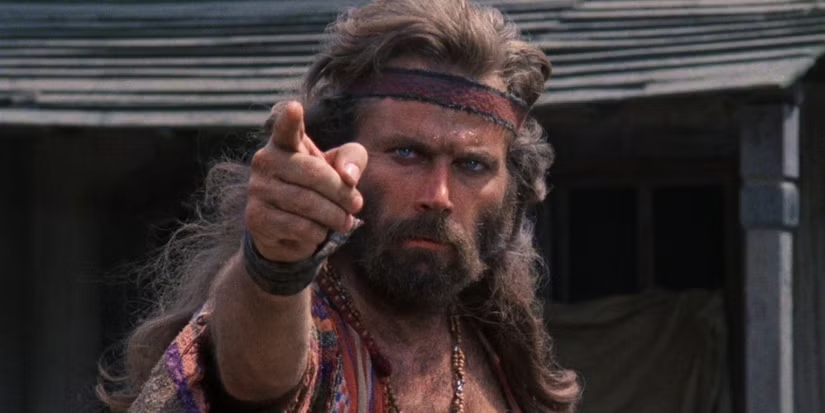
Maybe Keoma is a little underrated, as far as spaghetti Westerns go, and there’s another starring Franco Nero, from a decade earlier, that’s certainly more popular (more on that one in a bit), but this one’s still quite good overall. It’s about the titular character coming home, after fighting in the Civil War, and finding his town is under the control of various nefarious people, so he has to go about resuming fighting, only it’s more personal and everything.
He also has some half-brothers on the other side of the conflict, which makes things a bit dicier and overall darker, befitting the spaghetti Western sub-genre… though they’re also not exactly good people, by any means. Keoma builds to an inevitably violent final act that is the highlight of the movie overall, though it’s still fairly good and generally reliable before then, too, and Nero was undeniably strong in this kind of role.
6
Tuco
‘The Good, the Bad and the Ugly’ (1966)

Just as you can recommend Singin’ in the Rain to people who hate musicals, or The Shawshank Redemption to people who usually stay away from prison movies, you can quite confidently recommend The Good, the Bad and the Ugly to those who usually swear off older Westerns. It’s not one that feels old, by any means, which helps, though 1966 was… (*checks notes*) oh, wow, 60 years ago now. At the time of writing. Could be even longer, depending on the time of reading.
There is a character played by Clint Eastwood who’s technically “the Good,” but he’s not all that good, or at least he’s not the easiest to root for. Also, he’s in the other two movies in the Dollars trilogy, so his time will come. It’s Tuco who’s getting a shout-out here. It might even be a stretch to call him an antihero, since he’s not a very good guy by most standards (his worst misdeeds are said to have happened before the events of the film), but it’s also hard not to like him in a weird sort of way. He’s the underdog, of the three characters referred to in the title, and gets played the most often during the whole chaotic race toward a hidden fortune, so yeah, he’s getting counted as a spaghetti Western sort of hero here. Deal with it.
5
Django
‘Django’ (1966)

So, there’s a limit of one character per movie here, but Franco Nero is going to show up in this ranking twice, because 10 years before Keoma, he also played the titular character in Django. You can’t really go past Django, and not just because it was (obviously) a reference point for Django Unchained. The premise here is similar to another spaghetti Western made a couple of years earlier, and that’s also going to be mentioned right below.
Django might not seem like a real hero in a non-spaghetti Western, but he comes into a town with some pretty bad people in it, in this movie, and so he’s worthy of being considered a hero by comparison.
The titular Django might not seem like a real hero in a non-spaghetti Western, but he comes into a town with some pretty bad people in it, in this movie, and so he’s worthy of being considered a hero by comparison. That can be said about a fair few spaghetti Westerns when it comes to the main characters, though Django is admittedly closer to traditional hero territory than Tuco from The Good, the Bad and the Ugly.
4
The Man with No Name
‘A Fistful of Dollars’ (1964)
Hey, there he is. There’s Clint Eastwood. His first movie as the Man with No Name was A Fistful of Dollars, and it was also something of a star-making role for Eastwood, as far as big-screen appearances were concerned. A Fistful of Dollars was the first movie in the Dollars trilogy, and it’s the one that lets Eastwood be the most outwardly heroic, or at least he’s not kind of upstaged by someone like The Good, the Bad and the Ugly’s Tuco, nor the “real” hero of the second movie in the trilogy.
In A Fistful of Dollars, the Man with No Name comes into a town and cleans it up in his own distinct way, a little like Django in Django. Okay, he does clean up the town a little like the main character in Yojimbo, perhaps notoriously so, but judged as an unofficial remake, A Fistful of Dollars is about as good as they get. Eastwood was instantly iconic here, and it was essential in making him forever associated with the Western genre (well, that and his earlier role on the Western TV series, Rawhide).
3
Col. Mortimer
‘For a Few Dollars More’ (1965)

As previously alluded to, the Man with No Name is sort of outshone in the second of the Dollars trilogy movies, For a Few Dollars More. Eastwood’s character is going after a bandit, and then he crosses paths with someone else who’s after the same individual. His name is Col. Mortimer, and he’s played by Lee Van Cleef, who was also “the Bad” in The Good, the Bad and the Ugly, with the two characters being remarkably different.
Mortimer has more of a personal reason for pursuing the main villain in For a Few Dollars More, to say the least, and it’s revealed slowly, making the eventual showdown all the more enthralling. It’s also funny to think about how in Sergio Leone’s version of the Old West, there are two men stomping around who both look exactly the same, albeit with almost opposite personalities, and the Man with No Name rather nonchalantly gets involved with both of them.
2
Jill
‘Once Upon a Time in the West’ (1968)

Once Upon a Time in the West slowed things down a little, compared to the Westerns Sergio Leone directed before 1968. There’s still tons to like here if you also enjoyed the Dollars trilogy movies, but no Eastwood here, and things are probably a bit more somber than that trilogy ever got. That being said, you do get perhaps the most clear-cut hero of any Sergio Leone movie: Jill, who’s made a widow early on and finds herself targeted by the man responsible for (nearly) making her lose everything. His name’s Frank, and he wants her land.
Henry Fonda might well come the closest to stealing the show, as the villain here, but Claudia Cardinale is also amazing as Jill, and stands out for being a Western female protagonist; something that’s even rarer for spaghetti Westerns than Westerns generally. Also, an honorable mention does have to go out to Harmonica (Charles Bronson), who’s far more mysterious and perhaps ruthless enough to be more of an anti-hero, but he’s still heroic compared to Frank (who he’s targeting for his own vengeance-fueled reasons).
1
Silence
‘The Great Silence’ (1968)

Released the same year as Once Upon a Time in the West, The Great Silence is probably the best spaghetti Western not directed by Sergio Leone, instead being helmed by Sergio Corbucci, who was also behind the aforementioned Django. The main character of The Great Silence is mute, so he’s only really known as “Silence,” and he has a tragic past, not to mention a potentially tragic future, seeing as he goes up against remarkably cruel bounty hunters who are all targeting more sympathetic individuals.
There’s more that can be said about The Great Silence for sure, and to say too much would be undermining a good deal of what the film’s most famous for (if it counts as famous; The Great Silence still feels pretty underrated, even with people re-evaluating it decades on from its release). There’s a real savageness to this film that still hits quite hard, but its central character is undeniably heroic, even if you could see him as reckless for being so frequently outgunned.

The Great Silence
- Release Date
-
January 27, 1969
- Runtime
-
105 Minutes
- Director
-
Sergio Corbucci
- Writers
-
Sergio Corbucci, Vittoriano Petrilli, Mario Amendola, Bruno Corbucci, John Davis Hart, Lewis E. Ciannelli
By Chris Snellgrove
| Published

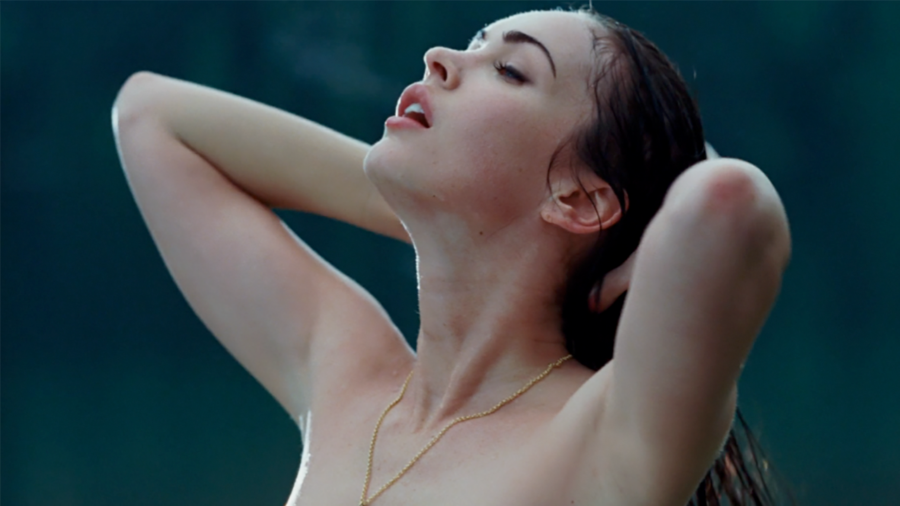
Something I have written about extensively before is how hard it is to find a good horror comedy because these films end up being either too funny to be scary or too scary to be funny. Rare indeed are the spooky films that can make you scream with laughter and cry out in fear, often in the same scene. Those are the films I treasure the most, and if you’re ready to bite into something both gloriously grisly and fatally funny, it’s time to stream Jennifer’s Body on Netflix.
Jennifer Body is, out of nowhere, rocketing up the Netflix streaming charts. People are rediscovering this cult classic en masse this week, with the film currently ranking among the top ten most watched movies on the streamer.

The premise of Jennifer’s Body is that the titular Jennifer is a small high school’s resident mean girl who survives a fire at a dive bar but comes back different. Specifically, she comes back with an unquenchable desire to kill and eat men thanks to a pesky demon possession (hey, it happens to the best of girls). The only one who suspects something is amiss is her best friend, but unless this meek girl can find the inner fortitude necessary to stop her bloodlusting bestie, the entire town is in danger of becoming one big, Satanic feast.
The cast of Jennifer’s Body is surprisingly stacked, including Amanda Seyfried (the Oscar-nominated actor known best for Mean Girls and Les Misérables) as the best friend whose friend develops a bad case of resting demon face. Also starring in the film are two very different Marvel stars: J.K. Simmons (whom Marvel fans know best for portraying J. Jonah Jameson in the Sam Raimi Spider-Man films) and Chris Pratt (known to MCU fans everywhere for portraying Guardians of the Galaxy lead Star-Lord). Even genre legend Lance Henriksen (who I will always remember best for the movie Aliens and the TV show Millennium) pops up near the end of the movie.

Those are just a few of the killer stars in Jennifer’s Body, but the best performance comes from leading lady Megan Fox, best known outside of this film for her starring role in the first two live-action Transformers movies. Jennifer has a deliciously devil-may-care attitude even before the demon possession, and afterward, Fox perfectly embodies both the character’s seductive charm and her insatiable thirst for blood. She’s every man’s dream and every man’s nightmare all rolled into one, and her performance will keep your eyes glued to the screen even as it makes your skin try to crawl right off your body.
Aside from Megan Fox’s performance (seriously, this is her best role ever, and I say that as the world’s biggest Transformers fan), Jennifer’s Body has a secret weapon: it was written by Diablo Cody, the whip-smart writer who penned the iconic film classic Juno. This horror movie unapologetically centers on the experiences of women, and arguably nobody writes women like Cody, which leads to some scary lines that perfectly channel the feminine rage of the modern American woman.

To the rightful accusation “you’re killing people!”, Jennifer coolly responds, “No, I’m killing boys,” which outlines her murderous ethos while cleverly dehumanizing men in the same way that dude bros (both in the film and in the real world) constantly dehumanize women. Before you throw anything at me, the movie is far from “woke,” and the message never gets in the way of the plot. Rather, the sexual politics undergirding this film add a level of cultural resonance while making this bloody film a cut above most other horror movies.
Unfortunately, critics often hate horror movies, and Jennifer’s Body (despite all its clever subversion) is no exception. On Rotten Tomatoes, the film has a rating of 46 percent, with critics complaining that the movie’s clever dialogue didn’t make up for it being neither funny nor scary enough. With respect to these critics, they are completely wrong: the dialogue alone fills this movie with one laugh-out-loud moment after another, and Megan Fox’s performance makes for frightening scenes that you’ll think about long after the credits roll.

Will you agree that Jennifer’s Body is a modern horror classic, or will you agree with the critics that this demonic romp needed a little more time in Satan’s oven (Hell: the ultimate Easy-Bake)? You won’t know until you stream it on Hulu and experience all the devilish dialogue and cannibalistic charisma for yourself.
Afterward, you can join me and the rest of this cult classic’s fan club (there are dozens of us… dozens!) in hoping that this overlooked horror gem eventually gets its long-overdue sequel.

JENNIFER’S BODY REVIEW SCORE
By Britta DeVore
| Published
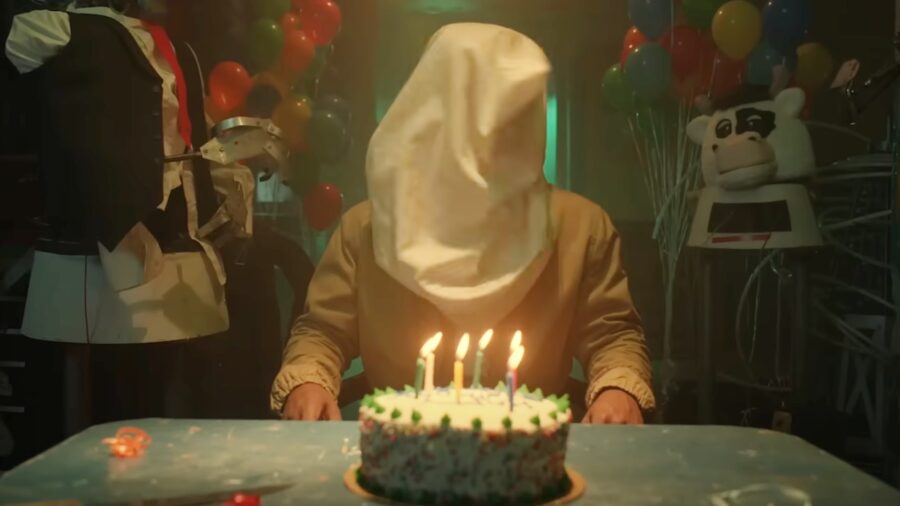
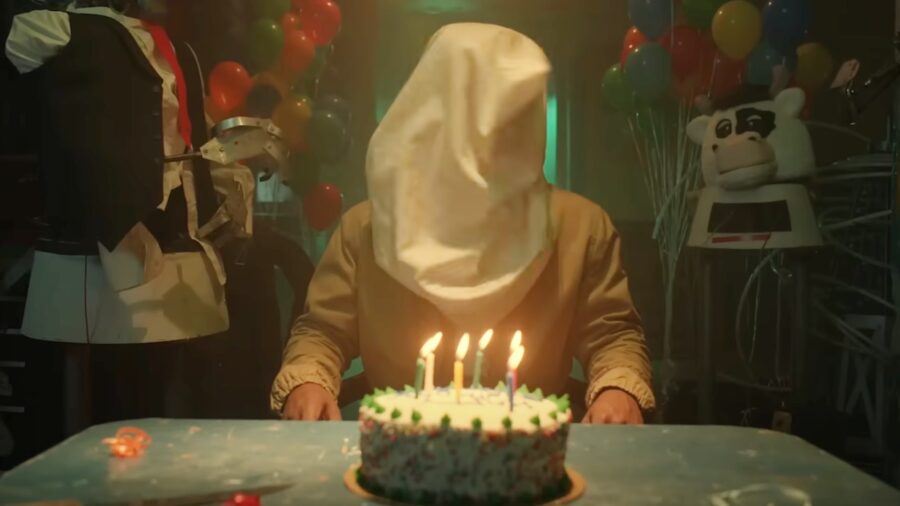
Them is an anthology horror series that uses familiar genre setups as a delivery system for something more grounded and uncomfortable. Each season tells a standalone story centered on a Black family or character being pushed into a hostile environment, where the real threat isn’t just supernatural, it’s systemic.
Them: The Scare was the second season of the show, but shares none of the characters with the first. Deborah Ayorinde returned to a different role following her breakout season. It topped the first season in every way. Them: The Scare sits on Rotten Tomatoes with an impressive 100 percent on the Tomatometer.
The Structure Of Them: The Scare
The eight-episode series, which is available to binge now on Amazon’s streamer, is the second to come from the story started by creator Little Marvin, who developed 2021’s Them: The Covenant.
Them: The Covenant took place in the early 1950s, and focused on a black family who uprooted their life in North Carolina and struck out for the big city of Los Angeles, regrowing their roots in a predominantly white neighborhood. Them: The Scare pushes the story nearly 40 years into the future.
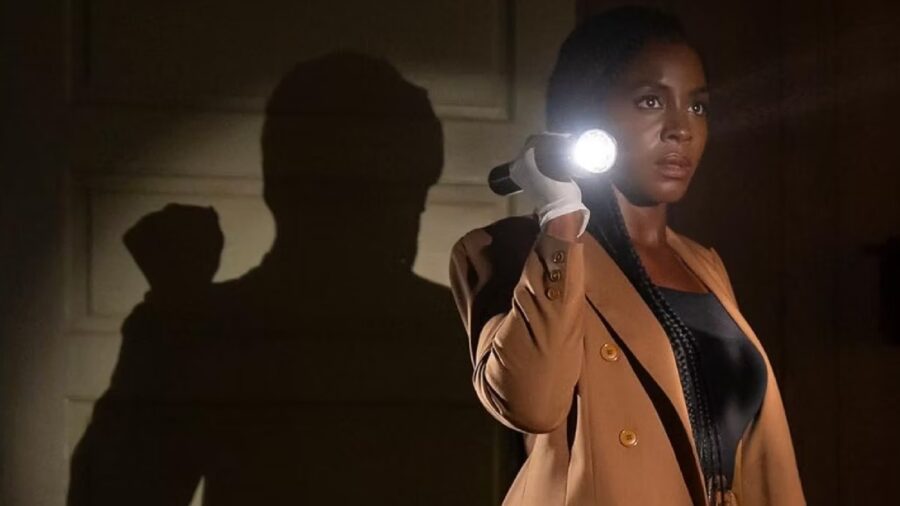
In this future, audiences meet Ayorinde’s LAPD Homicide Detective Dawn Reeve. While on her mission to track down the killer of a murdered foster mother, Detective Reeve’s life is made that much more complicated when a sinister force clings to her family and won’t let go. Both The Covenant and The Scare see their main characters calling Los Angeles home.
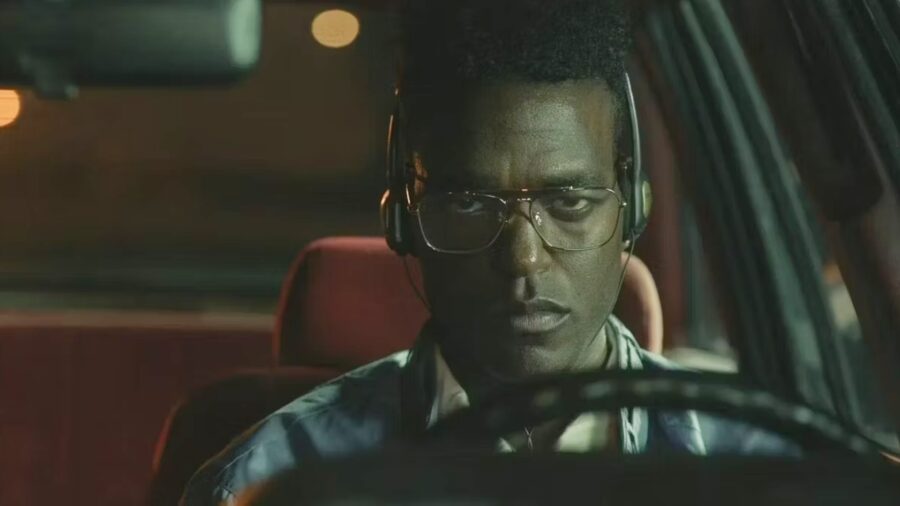
Like the first season, the show blends grounded violence with supernatural suggestion. It uses horror imagery to explore trauma, racism, and psychological collapse rather than relying purely on traditional genre scares.
Along with Deborah Ayorinde, Them: The Scare also features a call sheet that includes the legendary Pam Grier (Jackie Brown), Luke James (The Chi), and Jeremy Bobb (The Outsider).
A 100% Positive Response
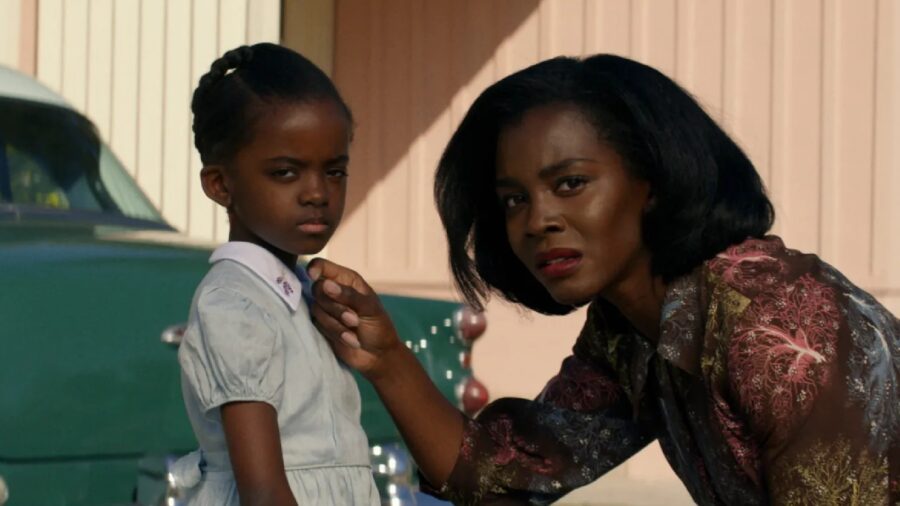
Critically, The Scare marked a noticeable rebound for the series. The first season had drawn mixed reactions for what many saw as excessive brutality and uneven storytelling. Season two landed far more cleanly with reviewers.
Them: The Scare holds a 100% critic score on Rotten Tomatoes, with consensus describing it as a “marked improvement” that delivers more focused storytelling and sharper thematic execution. Some critics praised its performances and layered approach to generational trauma, while others still argued it struggled to fully balance its social commentary with its horror mechanics.
Audience response was more split, but generally positive. Viewer scores sit in the mid-to-high range (around the mid-80% level), with many calling it more accessible and engaging than the first season, particularly for its pacing and clearer narrative. At the same time, some viewers criticized the serial killer storyline as underdeveloped or the ending as underwhelming, continuing the show’s pattern of divisive reactions.
Will Them Get Season 3?
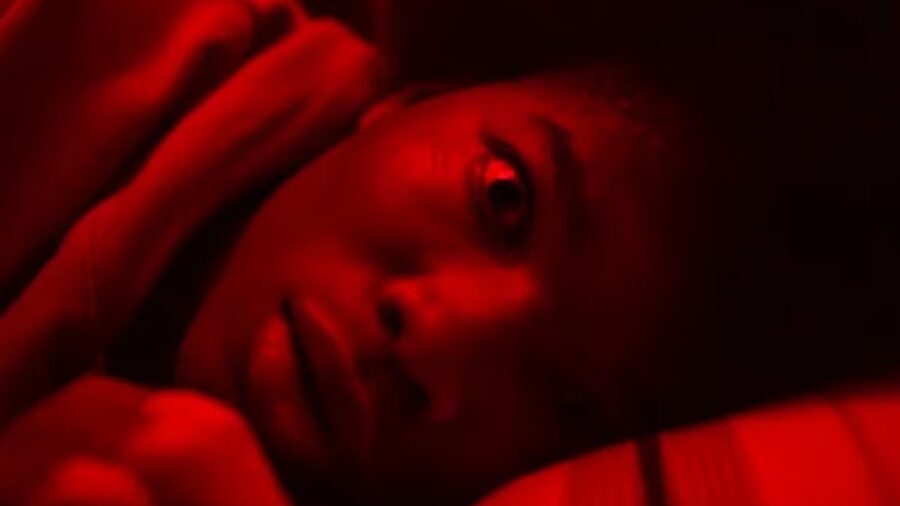
Right now, the future of Them is basically in limbo. There is no official Season 3 renewal, no release date, and no confirmation that more episodes are coming. The show was originally ordered as a two-season project, which means The Scare is the first time it’s had to prove itself on its own in terms of viewership and engagement.
At the same time, the creator, Little Marvin, has made it clear he has ideas and wants to keep going, so creatively, there’s no shortage of runway. The deciding factor now is purely business: how well Season 2 performed and whether Amazon thinks the audience is big enough to justify another anthology story.

Brooks Nader may have been absent from the 2026 Met Gala, but she was sure to share her support for sister Grace Ann Nader.
“PROUD SISSY!” Brooks, 29, wrote via her Instagram Story on Monday, May 4, tagging Grace Ann, 25, while reposting an image of her on the red carpet.
In a separate Instagram Story, Brooks shared a picture of herself sipping from a glass while seemingly outside of a pizzeria. “Meanwhile … me,” Brooks wrote, alongside laughing and pizza emojis.
Grace Ann was all smiles while dressing for the “Costume Art” theme during her debut at Monday’s fundraiser at New York City’s Metropolitan Museum of Art. She stunned in a black strapless gown with a sheer corset, styling her hair down in loose waves.
Brooks, meanwhile, has been making headlines for months, with her love life, her sense of style and her flourishing career becoming hot topics of conversation. News broke in March that she will star in the upcoming Baywatch reboot on Fox.
“I think that the times are different, and everyone is so multihyphenate now, and you can be both an actor and an influencer and have influence,” she told the Daily Mail at the time. “And that’s the beauty of the culture that social media has created.”
Of the cast, which also includes Stephen Amell, Shay Mitchell, Livvy Dunne and Noah Beck, Brooks added, “I think that there’s so many platforms and voices that are on the show, in the cast, and I think it’ll only help the series.”
As for how she felt when she landed the role, Brooks recalled, “It was the biggest pinch-me moment of my career.”
“I feel like this is my first big acting gig, and so I’m excited to show people what I can do and obviously big shoes to fill,” she continued. “Baywatch [was] such an iconic series, and we have such a stacked cast of amazing talent. And so I know everyone’s gonna love it. It’s amazing.”
In April, Brooks revealed how the Baywatch gig has shaken up her routine for the better.
“I’m eating a lot healthier and I’m not partying as much, which, you know me, that’s pretty hard,” she exclusively told Us Weekly at the time. “But I’m doing it, and I’m working out a lot and taking care of my mind, body, that whole situation. So, it’s a new era, a good one.”
Brooks has also been in the news for her burgeoning relationship with Taron Egerton, to whom she was linked in March after the pair were spotted kissing in California.


“Brooks and Taron have gone out on several dates recently and she is very into him,” a source exclusively told Us in April. “They are casually dating and hooking up. It is still new but he is someone that has definitely caught her eye and kept her interested.”
According to the insider, Brooks and Egerton, 36, “hit it off immediately” when they met while “out with friends” in Los Angeles.
“Brooks doesn’t want to be tied down right now but is definitely enjoying time with him and seeing where things go,” the source said. “He is very charming and she likes that he is a gentleman.”
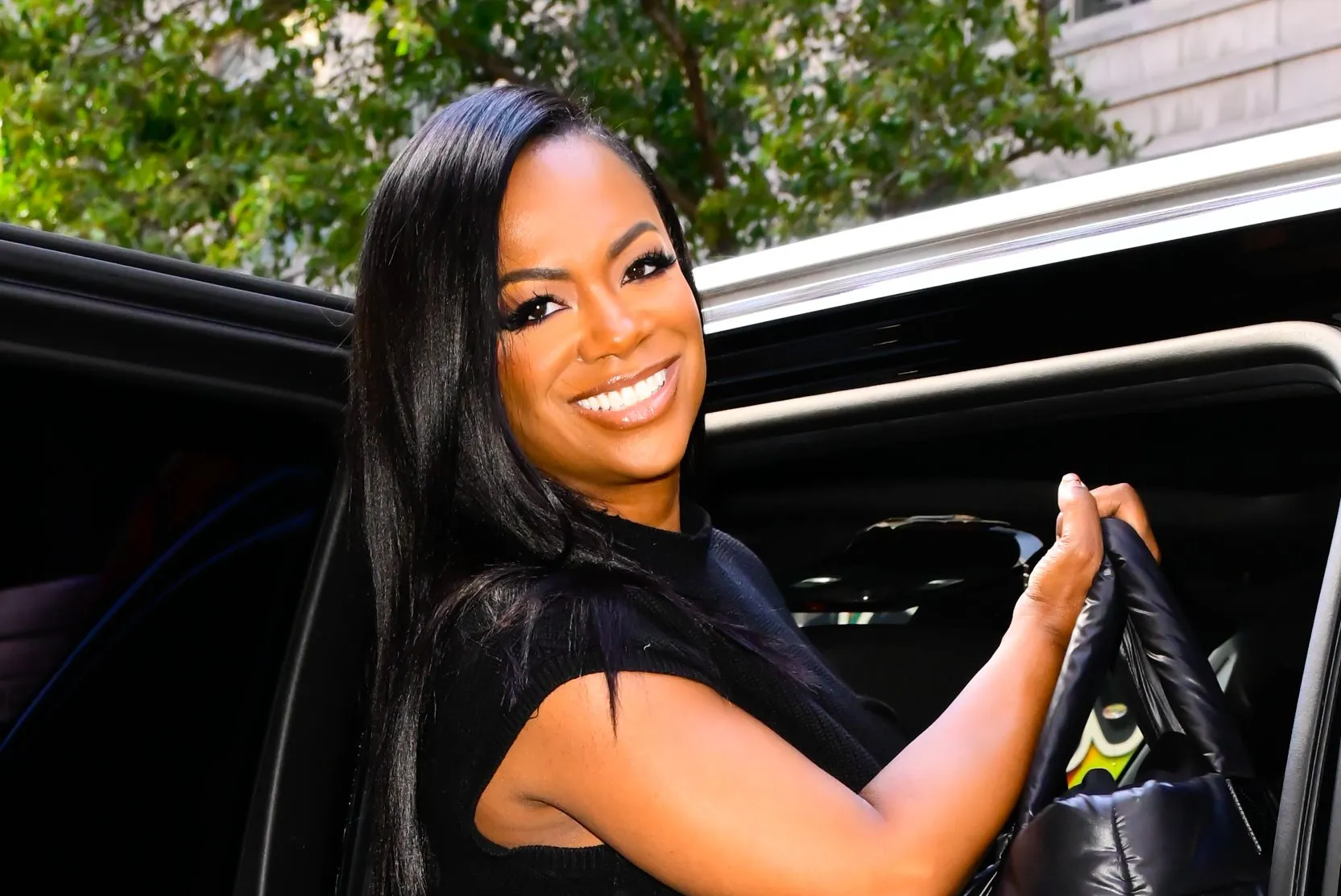
Kandi Burruss just shook up timelines after popping out with a fresh NEW look. Folks online are handing her 10’s, while the girlies said they’re seated and taking notes because they want to step out looking just as good as Kandi this summer.
RELATED: Oop! Todd Tucker & Kandi Burruss Trade Words After She Uses Old Clip Of Him & Mama Joyce To Promote Her One-Woman Show (VIDEO)
Kandi Burruss Turns Heads With NEW Look
On Sunday, May 3, Kandi Burruss had all eyes on her when she dropped a fresh set of photos on Instagram. The former ‘RHOA’ star popped out looking good, posing in a neutral off-the-shoulder mini dress with a fur shawl draped across the front. Kandi let the look speak for itself, keeping it simple with a high ponytail, soft glam, and strappy sandals. She told fans she couldn’t think of a caption, and they definitely stepped in — dropping fire emojis and saying she ate and left no crumbs!
The Roomies Can’t Get Enough Of Kandi’s Latest Look
After The Shade Room posted Kandi’s pics, the comment section was flooded! Several Roomies said they loved her new look and felt she gave ‘Escape’ era vibes, while others said she didn’t even need a caption because she came through snatched and serving, and that’s all that mattered!
Instagram user @liqhtskin_beautyyy wrote, “Oh 😍 She looks so good 🔥”
Instagram user @itstamar_ahh wrote, “She looks great and I love the high ponytail with this look 🔥🔥🔥”
While Instagram user @rclifford1025 wrote, “No caption needed🔥”
Then Instagram user @msadams84 wrote, “Reminds me of her X-Scape days 😍”
Another Instagram user @theylovecha wrote, “This is fye 🔥”
Instagram user @inkmychina69 wrote, “Best she’s ever look.”
Then another Instagram user @big_mittenz_sista_ wrote, “Tell em Body & The Face Tea ain’t nun else to Clock 🔥”
Finally, Instagram user @prettybrownone1 wrote, “Been that 😍🔥”
Like Mother, Like Daughter — Riley Burruss Comes Through & Eats Too
Kandi didn’t just take over timelines with her photos; she spun the block and dropped another flick featuring her daughter, Riley Burruss. Riley posed right beside her mom in a cream bustier top, a sheer skirt, and slouchy boots. The pics had fans seeing double and screaming mother-daughter goals.
RELATED: Todd Tucker Sparks Reactions After Sharing Message For Kandi Burruss Ahead Of Her One-Woman Show (PHOTO)
What Do You Think Roomies?
By Chris Snellgrove
| Published

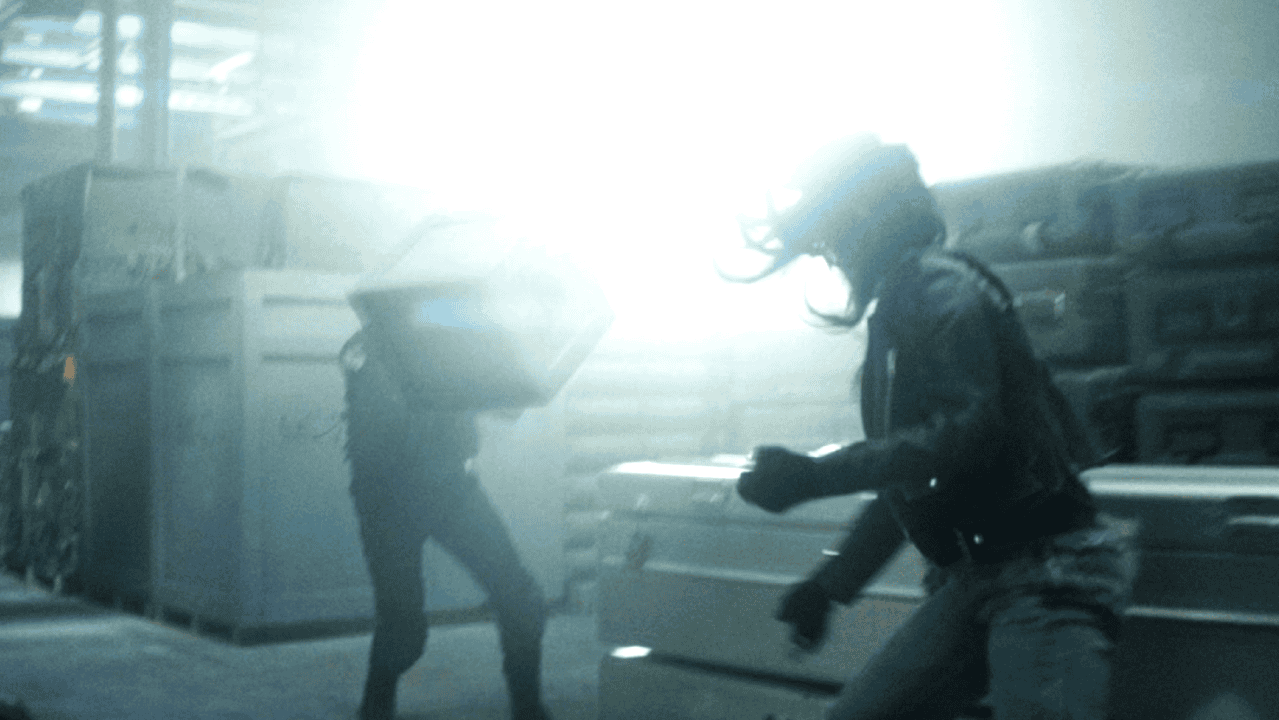
The Marvel Cinematic Universe is filled with colorful supervillains, but no matter how strong these foes are, our heroes always come out on top. The same can’t be said for the MCU as a whole, though. After the blockbuster success of Avengers: Endgame, Disney+ introduced a firehose of content in the form of one new show after another. This ushered in the one villain the MCU itself could never defeat: superhero fatigue. Revenues went down, some ventures lost money, and fans and execs alike were left asking the same question: Is Marvel ever going to be as popular as it once was?
Last year, there was a glimmer of hope. Daredevil: Born Again brought the fan-favorite Netflix hero back for brand new adventures where he once again clashed with the Kingpin. Hopes rallied around this new show, and Marvel Studios decided to use its second season as a launchpad to bring other beloved characters (like Jessica Jones) back into the fold. Sadly, the comeback has already failed: despite all the hype and all the hope, viewership for Daredevil: Born Again has dropped by more than 50 percent.
It’s Over, Fam

This news comes to us from ComicBook.com. They trawled through Luminate data and discovered some sobering numbers. In its first five weeks, Daredevil: Born Again Season 2 had “4,515,000 season views, 10,867,000 hours watched, and 652,000,000 minutes watched.” That may sound good on paper, but as it turns out, Season 1 had “8,357,000 season views, 24,000,000 hours watched, and 1,440,004,000 minutes watched.” That means that the second season of this hit show had 46 percent fewer total viewers and a decline of more than 54 percent in total hours watched.
The pattern is very consistent, with every episode of Season 2 getting about half of the fan engagement as each corresponding Season 1 episode. That leads to the obvious question: why the sudden drop? Based on other metrics, it doesn’t seem like this is a reaction to fans hating Season 1. That premiere season of Daredevil: Born Again has an 87 percent critical score on Rotten Tomatoes; meanwhile, Season 2 has (so far) an 88 percent critical score. Interestingly, the audience score for Season 1 was 78 percent, but the audience score for Season 2 is, as of this writing, 87 percent.
Daredevil No More?

It’s normal for shows (especially hit shows) to lose some viewers from season to season as more casual fans find newer, shinier shows to glom onto. However, losing over half your audience from season to season is downright catastrophic, and it seems like a seriously bad sign for Daredevil: Born Again. As ComicBook.com points out, the second season failed to break the Nielsen Top 10 for streaming, which is something that both Ms. Marvel and She-Hulk: Attorney at Law managed to do. If Marvel’s hit new show can’t draw as many viewers as its most controversial ones, the MCU is in serious trouble!
For better or for worse, though, the show will go on. Production has already begun on Daredevil: Born Again Season 3, which will reunite the Defenders from the Netflix-era of Marvel. Meanwhile, Defender and Born Again guest star Krysten Ritter is (according to Marvel Television head Brad Winderbaum) likely going to headline a new project very soon. These future projects may very well get a boost from Avengers: Doomsday, the ambitious blockbuster that is premiering later this year. That movie is Marvel’s biggest, most expensive effort at combating superhero fatigue, and the plan to reignite the fandom is so crazy it just might work.

If it doesn’t work, though? The failure of Daredevil: Born Again Season 2 will be seen as the canary in the coal mine for the death of the most ambitious cinematic universe ever created.
Sports20 seconds ago
Two Vikings Listed as Dark Horse Candidates for Rookie of the Year

Tech1 minute ago
ScarCruft hackers push BirdCall Android malware via game platform

News Videos2 minutes ago
Legacy starts with real protection cold wallet + LLC. #investing #xrp#cryptocurrency #wealth

NewsBeat1 month ago
Manchester United reach agreement with Casemiro over contract clause amid transfer speculation

Politics4 weeks ago
US brings back mandatory military draft registration

NewsBeat1 month ago
Steven Gerrard disagrees with Gary Neville over ‘shock’ Chelsea and Arsenal claim | Football


-

 Business6 days ago
Most Commercial Energy Audits Miss the Real Losses
-

 Fashion6 days ago
Kylie Jenner’s KHY Enters a New Era with ‘Born in LA’
-

 NewsBeat2 days ago
Channel 5 – All Creatures Great and Small series 7 new post
-
 Tech4 days ago
Trump’s 25% EU auto tariff breaches Turnberry Agreement that also covers semiconductors and digital trade
-
 Sports4 days ago
Paul Scholes issues Marcus Rashford reality check as agreement emerges over Man United star
-

 Crypto World7 days ago
CFTC’s AI will review U.S. crypto registration applications, chairman tells CoinDesk
-

 Business6 days ago
Barclay Brothers Avoid Bankruptcy: HSBC Drops High Court Petitions After IVA Deal
-
 Business6 days ago
Tesla Officially Registers Elon Musk’s Stock: What Investors Need to Know
-

 Tech7 days ago
Get Ready for More Brain-Scanning Consumer Gadgets
-

 Tech6 days ago
Texas Instruments made a new flagship graphing calculator: the TI-84 Evo
-

 Business4 days ago
Two Powerball Tickets Split $143 Million Jackpot in Indiana and Kansas
-
 Crypto World4 days ago
CoreWeave (CRWV) Stock Climbs 8% Despite $45M Insider Share Dump
-
Business2 days ago
Winning Numbers Drawn as Jackpot Resets to $20 Million
-
 Crypto World6 days ago
Securitize and Computershare Enable Tokenized Equity Issuance for Over 25,000 U.S.-Listed Stocks
-

 Crypto World5 days ago
Gibraltar Proposes Tokenized Funds Regulation to Bolster Compliance
-
 Fashion2 days ago
Mary J. Blige Vegas Residency Looks: Crystal-Embellished Fjolla Haxhismajli, Todd Fisher, and More!
-

 Business6 days ago
Alexandria Real Estate Equities, Inc. (ARE) Q1 2026 Earnings Call Transcript
-

 Tech5 days ago
Official SAP npm packages compromised to steal credentials
-

 Sports6 days ago
Antrim GAA: Hurlers cancel training as row with board deepens
-

 Crypto World2 days ago
Linux Copy Fail: ‘A Trivially Exploitable Bug’
You must be logged in to post a comment Login