Entertainment
10 Classic Rock Albums Where Every Song Is a Masterpiece

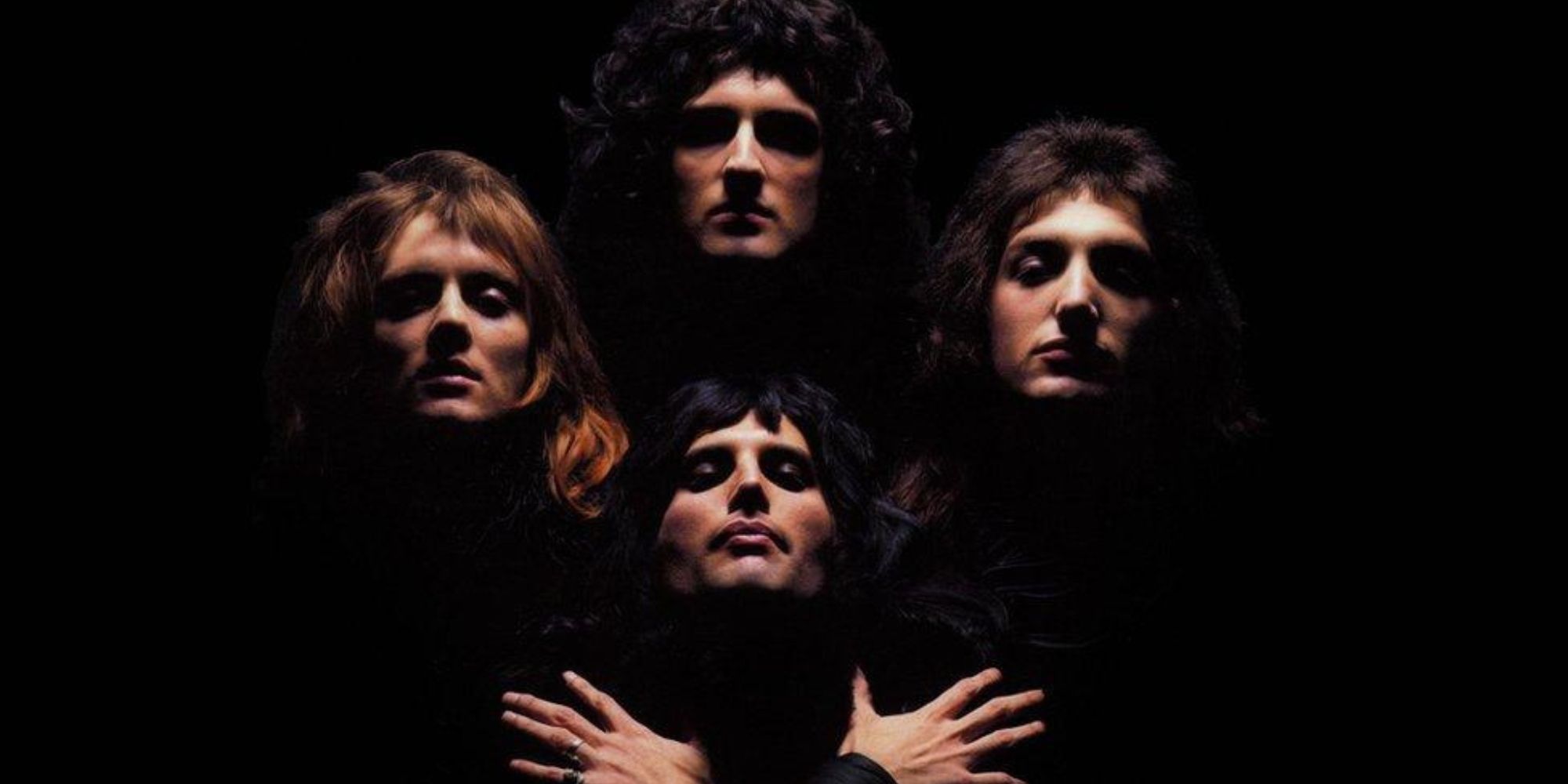

Music that sticks with you means its impact is enduring. Maybe it’s nostalgic or brings you back to a specific time. When a song comes on, it transports you right to that first time you heard it. It’s why classic rock’s authentic human connection has become so timeless. Maybe it’s the soaring orchestrations or the lyrics that emotionally resonate with its listeners. Whatever it is, classic rock was the time when albums ruled supreme. Some artists have a song or two per album that reach masterpiece status. Then there are some, where, from start to finish, every song is a masterpiece. Not every song has the same longevity as its bigger album siblings, but they’re still quite brilliant.
Trimming this list was a near-impossible feat. There are certainly many albums and artists who could be on here, but these ten represent a strong representation of the genre. We have some ground rules. First, only one album per artist, otherwise we might only have a list filled with three bands! Second, we are listing artists alphabetically. There are certainly other options, so let’s celebrate them kindly in the comments! Let’s rock and roll and dive back through ten iconic albums that have influenced music through every track.
‘Toys in the Attic’ (1975)
Aerosmith
It’s hard to imagine classic rock without hearing the bluesy hard rock of Aerosmith and Steven Tyler’s signature acrobatic vocals, Joe Perry‘s gritty guitar riffs, and a career that’s reinvented itself over the decades. Perhaps their defining album is 1975’s Toys in the Attic. The masterpiece album fused gritty American hard rock with infectious, bluesy funk. Propelled by massive hits like “Walk This Way” and “Sweet Emotion,” Toys in the Attic established the band as global superstars and remains their bestselling studio album in the US. Unlike many 1970s hard rock albums, the bass work by Tom Hamilton is incredibly prominent and rhythmic, laying the perfect, funky foundations. Of course, “Walk This Way” established itself as a power player in pop culture. On one hand, it inspired an iconic line in Mel Brooks’ hit comedy Young Frankenstein. On the other hand, it surged on the charts via their ‘80s collaboration with Run-D.M.C.
Beyond the titular track and the big two, the album’s deep cuts are quite strong. “Adam’s Apple” saw Tyler compose a song solo that offered a cheeky look at Adam and Eve. “Uncle Salty” offered a gritty storytelling track rich with thematic lyricism. The album is a wall-to-wall success story thanks to producer Jack Douglas’s studio wizardry. The band had road-tested their sound, which allowed them to refine their unity even with a genre-blending set. You can hear jazzy syncopation in “Big Ten Inch Record,” and the classic power balladry on “You See Me Crying,” which defined their later prowess in the style. Toys in the Attic was a pioneering album for Aerosmith that’s worth a full listen-through.
‘Born to Run’ (1975)
Bruce Springsteen
There are many albums that use a title as a theme. Others use their biggest hit. That’s what Bruce Springsteen did with his third studio album, Born to Run. Springsteen is celebrated as a cinematic musician who can paint a portrait through song. As a masterful storyteller, he transports his listeners to gritty socio-economic realities with soaring, hopeful melodies. In Born to Run, his lyrics are on full display as he depicts working-class hopes and the desire for escape, serving as a thrilling, cohesive journey from the hopeful optimism of “Thunder Road” to the sprawling, gritty epic of “Jungleland”. And, of course, with that titular song in the middle, Born to Run was crafted to emulate a “Wall of Sound” like “Roy Orbison singing Bob Dylan, produced by Phil Spector,” and it worked.
Springsteen and his team spent months heavily layering the instruments to craft a dense, grand, and theatrical experience where saxophone solos and piano interludes united. Through its original “four corners” approach, it gave the album a beautiful structure. Side A opens with the liberating, hopeful “Thunder Road” and ends with the bitter, melancholic loss of “Backstreets”. Side B goes from the anthem that is “Born to Run” before concluding with the tragic, operatic “Jungleland.” And throughout this journey, the lyrical storytelling is unmatched. He offers a glimpse of American youth desperately seeking a chance to break out of sleepy, dead-end towns. At just eight tracks and 39 minutes, every song operates as a self-contained story, blending rock energy with Broadway-style narratives. It’s a great album that we could easily return to rank the songs themselves.
‘Tapestry’ (1971)
Carole King
There’s arguably no greater songwriter than Carole King. A giant in classic rock and pop music, King pioneered the singer-songwriter movement with the masterful Tapestry. Released in 1971, this landmark solo album spent 15 weeks at No. 1 on the Billboard 200 and remained on the charts for 313 weeks. From top to bottom, Tapestry is celebrated because of its unprecedented personal intimacy. By blending catchy melodies with vulnerable, conversational lyrics, King took the spotlight for a truly universal and relatable album. Songs like “You’ve Got a Friend” and “So Far Away” tackle core human experiences of friendship, longing, and domesticity with an open, honest vulnerability. Rather than an overproduced radio album, producer Lou Adler stripped the arrangements to allow King’s warm vocals, dynamic piano playing, and a tight backing band featuring musicians like James Taylor to feel like a live production.
The record reflected the changing societal roles of women, serving as a voice piece for female empowerment and the collective desire to focus on essential, everyday human connections. To pinpoint the “best” track on the album is simply impossible. “It’s Too Late” reflects on the end of a relationship. “You’ve Got a Friend” is a masterpiece of comfort and reassurance. “I Feel the Earth Move” gives King the pop punch with an energetic, driving piano line. For an introspective ballad, King brings “So Far Away” to a peaceful place. “Beautiful” is a wonderful anthem of optimism. “Will You Love Me Tomorrow” gives a stunning acoustic reimagining of The Shirelles’ classic. And then there is “(You Make Me Feel Like) A Natural Woman,” which proves that it’s not just a great powerhouse vocal for Aretha Franklin, but a genuine lyrical wonder. After years of writing hits for other artists, King proved she’s got a way about her.
‘The Rise and Fall of Ziggy Stardust and the Spiders from Mars’ (1972)
David Bowie
There’s genuinely never been an artist quite like David Bowie. A fearless innovator who constantly reinvented his sound, style, and visual identity, David Bowie pioneered glam rock, embraced electronic and avant-garde music, and effortlessly bridged theatrical performance, making him a cultural and musical chameleon. Though every album provides a distinct version of the artist, The Rise and Fall of Ziggy Stardust and the Spiders From Mars is his very best from beginning to end. The album is a loose rock opera about an androgynous, bisexual alien rock star named Ziggy Stardust who arrives on Earth to save humanity from an impending apocalypse. Through this story, he explored themes of fame, decay, and humanism with a glamorous, theatrical flair.
The record is jam-packed with infectious hooks, soaring choruses, and richly emotional words. Tracks like “Starman” and “Moonage Daydream” deliver space-age swagger, while “Suffragette City” provides primordial punk energy. Meanwhile, the opener “Five Years” and the closer “Rock ‘n’ Roll Suicide” infuse grand stage drama into the realm of rock and roll. It’s the breakout hit “Starman” that emerged as the most captivating, as it married an acoustic with glam rock for a truly unique sound. And then, of course, there’s the titular character brought to life in “Ziggy Stardust.” It’s truly a masterclass in storytelling. Beginning with an instantly recognizable opening guitar riff, the song perfectly captures the seductive highs and tragic, ego-driven collapse of rock superstardom. The Rise and Fall of Ziggy Stardust and the Spiders From Mars is a tightly woven concept album that one day deserves the stage treatment.
‘Rumours’ (1977)
Fleetwood Mac
There are very few storied bands with a richer history than Fleetwood Mac. Their iconic, multi-vocalist lineup—Stevie Nicks, Lindsey Buckingham, and Christine McVie—featured three distinct songwriters who created a masterclass in pop-rock harmony. They made music as a unit, but their personal plights became the source of a masterpiece album: Rumours. The career-defining album perfectly balances raw emotional pain with flawless pop-rock craftsmanship. Born from severe intraband turmoil, including the real-time breakups of two couples—Buckingham and Nicks and Christine and John McVie—the album twists heartbreak into resonant, catchy anthems backed by stellar vocal harmonies and a timeless, polished production. Rumours is a true work of art. The studio production is wondrous. From John McVie’s deep basslines and Mick Fleetwood‘s crisp drumming to Buckingham’s crystalline guitar tones, the mix is masterful. Then, the songwriting reflected the songwriters’ anger, grief, and confusion directly into the music, resulting in a masterclass of lyricism.
There is zero filler on Rumours. By far the most universally beloved, thanks to its composition and craftsmanship, is “The Chain.” It’s the only track credited to all five band members, acting as the ultimate statement of resilience. “Dreams” brings out a mesmerizing, melancholic Nicks ballad. Perhaps the most powerful musical moment comes from the Buckingham-penned “Go Your Own Way,” which offers the rawest and most intense emotional storytelling on the record. Even with a peppy pop, “I Don’t Want to Know” pairs Nicks’ defiant lyrics with an infectious, upbeat energy. Though songs like the stripped-down piano ballad “Songbird” and the album’s haunting closer “Gold Dust Woman” may not be the mainstream hits, they’re simply sensational. And then perhaps Christine McVie’s greatest contribution is “Don’t Stop,” the pop-rock anthem of infectious optimism that brilliantly contrasted the band’s intense personal turmoil with a message of hope.
‘Led Zeppelin IV’ (1971)
Led Zeppelin
To put it bluntly, the titan of classic rock is Led Zeppelin. Through a seamless transition from acoustic folk to stadium rock, Led Zeppelin combined supreme instrumental virtuosity, groundbreaking blues-rock grandeur, and mystical songwriting that served as a blueprint for modern rock. The lineup of Jimmy Page on guitar, Robert Plant with the vocals, John Paul Jones on bass and keyboards, and John Bonham on drums proved that technical talent and outstanding artistry are a recipe for success. Their crowning achievement is their untitled fourth studio album, better known as Led Zeppelin IV. The album brilliantly blended a bevy of sounds and styles, setting the tone from the very start. Every single track serves a distinct purpose, flowing with ferocity. From the mind-bending opening riffs of “Black Dog” to the epic closer in “When the Levee Breaks,” Led Zeppelin IV is flawless. The album represents the very best from each band member. What they bring allows the album to soar. Even with the blend of genres, with heavy rock songs sat next to delicate acoustic tracks, they bridge a complete journey across the eight tracks.
Of course, the reason this album soars to the top is the centerpiece of the album: “Stairway to Heaven.” A groundbreaking 8-minute opus that builds from soft acoustic folk into a roaring hard-rock thriller, “Stairway to Heaven” remains one of the most influential and greatest classic rock songs of all time. There’s truly not a song out of place that doesn’t evoke something from the listener because each track is intricately crafted. A cappella in rock is a risk, but “Black Dog” made it epic. Being played in a tricky time signature makes it a musical feat. “The Battle of Evermore” is a mystical acoustic wonder, with Sandy Denny‘s guest vocals weaving their sound effortlessly into the mix. “When the Levee Breaks” has become a heavily sampled song because of its recognizable drum beats. “Rock and Roll’ pays homage to the explosive sounds of the ’50s rock-and-roll era with Bonham’s thunderous drumming and Page’s electrifying riffs. Led Zeppelin IV defines the band like no other album in their repertoire.
‘The Dark Side of the Moon’ (1973)
Pink Floyd
The English band Pink Floyd did a lot for rock and roll. They helped usher in and pioneer progressive and psychedelic rock by transforming the listening experience through thematic concept albums, innovative production, and immersive live shows that elevated rock from mere radio hits to a profound cinematic art form. Perhaps their most notorious album is their eighth, The Dark Side of the Moon. Legend has it that if you play the album with the Hollywood classic The Wizard of Oz, there is a synchronicity. Though they have denied the connection, it helped push the album to new ears. And with that, it allowed The Dark Side of the Moon to reach great heights. The album was conceived as a concept album that blended profound philosophical lyrics with innovative sound engineering by Alan Parsons and seamless musical transitions. While they are not meant to be standalone songs, together they provide an immersive journey that explores the pressures and strains of modern life.
Because each song serves a purpose, they must be excellent. And they are. Perhaps the greatest achievement from the album is “Money.” Known for its outrageously iconic 7/4 time signature and cash register tape-loop opening, “Money” got even grander with the eviscerating saxophone and guitar solos. “Breathe (In the Air)” makes way for a richly atmospheric, mellow track that sets the meditative, oceanic mood at the top of the album, following the instrumental “Speak to Me.” “The Great Gig in the Sky” features a brilliant wordless vocal improvisation from Clare Torry that brings out one of the more emotional performances. By the time you reach the climactic conclusion of “Brain Damage” and “Eclipse,” the album ends with a poignant meditation on mental illness that culminates in a soaring, philosophical finale. Perhaps the reason why The Dark Side of the Moon works is that they worked it on the road before recording it. This allowed for perfection to arrive prior to the studio. Though we are a society of music lovers who enjoy a good vinyl, The Dark Side of the Moon is the ultimate headphone album.
‘A Night at the Opera’ (1975)
Queen
I’ll admit it now: Queen is my favorite band of all time. This list could have featured many of their albums, but none impacted rock and roll and the band themselves quite like A Night at the Opera. The legendary band is known for its flair for the dramatics, theatricality, and genre-defying experimentation, as well as unmatched musicianship. Surely we could debate that Freddie Mercury has the greatest and most unique voice in music history. Queen’s music prowess was on full display on this timeless classic. A Night at the Opera is a complete and utter masterpiece for its genre-blending sound, featuring a songwriting contribution from every member of the band. A Night at the Opera was unafraid to be bold; name another band that infused hard rock, opera, folk, and ragtime into one seamless, monumental album.
There are quite a few musical moments that make A Night at the Opera so uniquely perfect. The record flawlessly leaps across genres. In one sitting, you get the vaudeville camp of “Seaside Rendezvous,” the jolly 1920s music of “Lazing on a Sunday Afternoon,” the acoustic sci-fi folk of ’39, and the heavy, progressive rock in “The Prophet’s Song.” And guess what, we haven’t even reached the mainstream masterpieces. Bassist John Deacon penned the breezy, universally beloved “You’re My Best Friend,” which was the band’s first No. 1 U.S. hit. Roger Taylor delivered the swagger in “I’m in Love with My Car.” Brian May‘s greatest guitar moments are heard on every single track, capturing the essence of the genre of each song. Perhaps the most personal track, and the one that gets dedicated to Mercury at every concert, is the hauntingly beautiful “Love of My Life.” But wait, we still need to talk about the track that defined the band as the revolutionary artists that they are: “Bohemian Rhapsody.”
There has never been a song that single-handedly redefined what a pop or rock single could be. In the nearly six-minute track, “Bohemian Rhapsody” combined a cappella, operatic multi-track harmonies, and hard-rock riffs in a genre-defying suite where each member of the band shone. Namely, the vocal acrobatics of Mercury. “Bohemian Rhapsody” is not only the crown jewel of the album but also their pièce de résistance. It’s a musical opus that appeals to everyone. It’s a song that continues to be celebrated today, whether through professional cover or at karaoke; everyone has taken a stab at the sensational track. The production on the track is simply unheard of. Mercury, May, and Taylor layered their voices to create a massive symphonic choir for an estimated 180 overdubbed vocal tracks. There will never ever be another band quite like Queen.
‘Abbey Road’ (1969)
The Beatles
There may not be another band that has influenced music and pop culture as much as The Beatles have. And their last impression lingers still. Revered as foundational classic rock icons, The Beatles were known for profound and unprecedented evolution, songwriting mastery, and studio innovation. Within just an eight-year recording span, The Beatles pioneered modern self-contained rock bands by writing their own hits, transforming popular music into high art. There are certainly many albums that fulfill the brief of this list, but if we must choose only one, the slot must go to Abbey Road. Regarded as one of the greatest albums ever made, Abbey Road fantastically flows with peak songwriting from all four members. Using state-of-the-art solid-state mixing consoles, Abbey Road sounded uniquely crisp. Producer George Martin and the band utilized advanced multitracking and the Moog synthesizer to create a lush soundscape. Unlike other albums dominated by John Lennon and Paul McCartney, Abbey Road is perhaps George Harrison‘s greatest triumph while a member of the band. It also happens to feature some of the best instrumental performances, namely from Ringo Starr. And now, to the songs.
Abbey Road is packed front-to-back without a single track out of place. What makes the record so unique is how it’s split. Side One is all about standalone classics that are perhaps some of the greatest of all time. Side Two features an ambitious 16-minute continuous suite that weaves several shorter song fragments into a single piece. It all begins with “Here Comes the Sun,” which perfectly captures a mood of pure optimism and relief. You can’t help but hear and feel lighter. Of course, the standouts there are the beautifully lush and theatrical dual sequence of “Golden Slumbers” and “Carry That Weight.” When the song segues into that powerful group sing-along, you know how special the album truly is. Now, back to the Side One tracks. The album kicks off with one of the most perfect Beatles tracks, “Come Together.” Bolstering a funky groove, slinky bassline, and mystifying lyrics, “Come Together” remains a shining moment for the band. It then slows down with Harrison’s best, “Something.” Is it one of the greatest love songs ever written? It might be. The Beatles moved back to pay homage to ’50s doo-wop with “Oh! Darling,” which features McCartney’s boldest vocal performance. Abbey Road remains one of the most important rock albums, ushering in the end of an era. It was the last album they recorded as a full band.
‘Let It Bleed’ (1969)
The Rolling Stones
The fact that The Rolling Stones are still kicking all these decades later should come as no surprise. They remain as one of the most significant bands of all time. They pioneered gritty, blues-based rock, establishing a template for other classic rock bands of the time. Their musical longevity, coupled with Mick Jagger‘s charisma on stage and Keith Richards‘ mindblowing guitar riffs, have made them a cornerstone in musical history. There’s a great debate in regard to what might be the greatest Rolling Stones album, but when it comes to top-to-bottom masterpieces, that honor is given to Let It Bleed. The 1969 album captures the era’s dark, apocalyptic tension through a unique mix of blues, gospel, and country rock. Almost every single song has become a staple in the band’s canon.
A tone must be set, and it was perfectly set with “Gimme Shelter.” Through its apocalyptic atmosphere and the staggering vocal performance by Merry Clayton, “Gimme Shelter” sets a dark, forbidding mood that mirrors the end of the ’60s. Things go country with “Country Honk,” which was the country version of “Honky Tonk Women.” The harmonicas are heavy in the sinister blues groove in “Midnight Rambler,” which escalates into a chaotic jam session. “Monkey Man” sets the stage for a surreal, druggy party atmosphere with a razor-sharp guitar. Richards gets to play lead vocalist on the entirety of “You Got the Silver.” What makes Let It Bleed a significant musical moment is how the band captures that same apocalyptic feeling with a completely different sound by the end. It’s all thanks to the popular anthem “You Can’t Always Get What You Want.” Starting with a beautifully haunting choir, a brilliant French horn intro, and a divine vocal performance from Jagger on some of the most profound lyrics, Let It Bleed ends perfectly. By trading ’60s pop psychedelia for gloomy doom and blues, The Rolling Stones further evolved their sound into a thrillingly cohesive product.
Who’s Your Perfect Classic Rock Band?
You must be logged in to post a comment Login