Entertainment
10 Crime Movies From the 20th Century That Are Actually Perfect

Cinema in the 20th century was defined by a litany of genres, from the screwball comedies of the ’30s and early ’40s to the Westerns of the ’50s and ’60s, the intense realism of the ’70s, and the action bombast of the ’80s. However, few genres, styles, or stories experienced the evergreen audience approval, ceaseless critical acclaim, and ferocious cultural staying power of crime drama across the century.
Through groundbreaking direction, daring storytelling, thematic intensity, and a confronting appetite for grit and violence, crime has established itself as one of cinema’s most absorbing and challenging genres through a plethora of perfect pictures that showcase the allure and awe of such stories. From pioneering noir masterpieces of the ’30s and ’40s to cerebral psychological thrillers of the ’90s, these crime movies are completely without fault, and their iconic status and universal adoration are a testament to their quality.
‘Heat’ (1995)

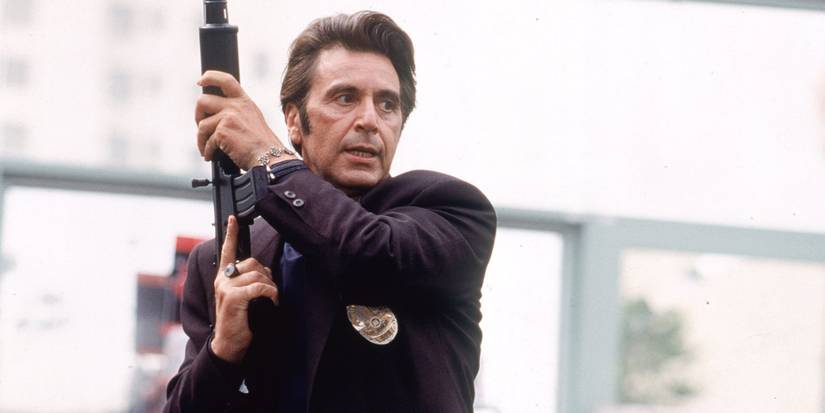
At 170 minutes, Heat is a monumental epic that sees Michael Mann marry the innate character drama and complex moral focus of crime cinema with some of the most arresting action sequences the medium has ever seen. A picture with little interest in the ethical line of the law, it treats both cops and criminals as deeply flawed people driven by an obsessive professionalism, creating a richly compelling dichotomy of principles, philosophies, and sacrifices as it follows bank robber Neil McCauley (Robert De Niro) and the cop who hunts him, Lt. Vincent Hanna (Al Pacino).
Simply casting De Niro and Pacino in the same movie made Heat an instant icon. Even beyond that bit of star power, the film’s qualities of grandiose spectacle, scintillating realism, and absorbing drama have remained enrapturing. Mann’s command of the story is immaculate, with the high-octane tension of the famous shootout scene and the quiet, dialogue-driven intensity of McCauley and Hanna’s diner meet-up both standing as two of the most masterful and mesmerizing sequences in crime cinema. It is a perfect crime-action film as well as one of the most ageless triumphs of ’90s cinema.
‘The Maltese Falcon’ (1941)
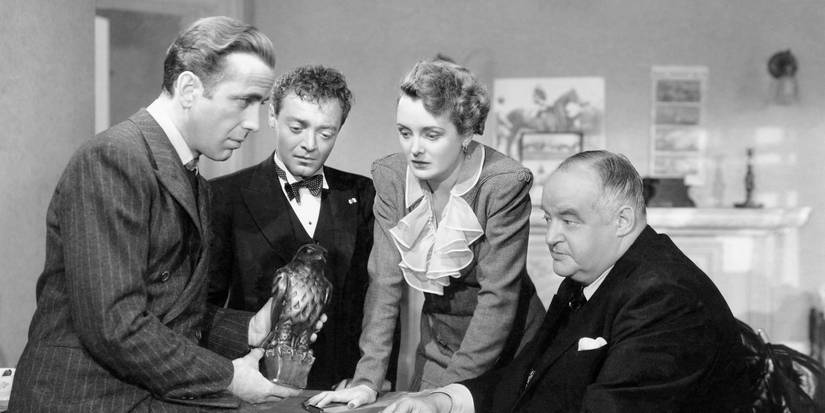
The Maltese Falcon is the spark that ignited the flurry of film noir classics that took Hollywood by storm through the ’40s, and while it has had many imitators, it remains unsurpassed in terms of both spectacle and style. Its aesthetic is of shadow and cynicism, with its finely-dressed figures all hiding dirty secrets as they try to outwit each other, or exploit one another for self-gain.
Based on Dashiell Hammett’s novel of the same name, it follows San Franciscan private eye Sam Spade (Humphrey Bogart) as the murder of his partner embroils him in a web of deceit and duplicity surrounding the criminal underworld’s search for the invaluable statuette, the Maltese Falcon. A tale of greed and desperation propped up by enthralling performances, compelling visuals, and wonderfully confounding plotting, The Maltese Falcon is one of Hollywood’s most iconic classics and is a pioneer of crime cinema mystique. It is quite astonishing to think it was John Huston’s directorial debut.
‘Pulp Fiction’ (1994)
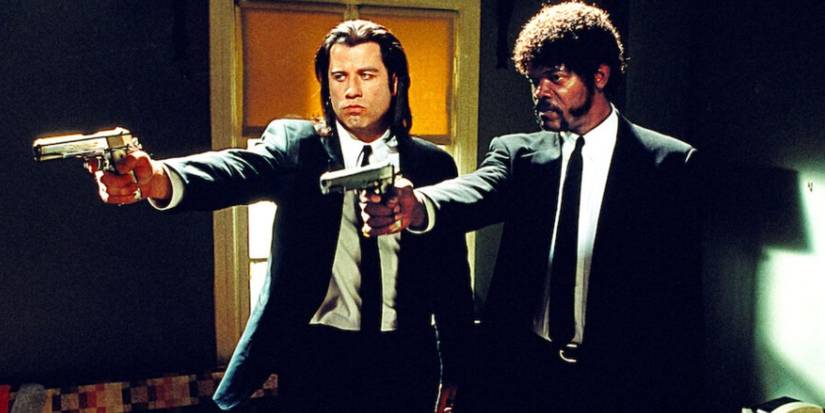
The quintessential Quentin Tarantino movie, Pulp Fiction is an infectious combination of iconic dialogue that is as rhythmic as it is hysterical and outbursts of ultra-violence that define the irreverence and dare of the ’90s’ indie counterculture movement. Absurdly entertaining, the sprawling non-linear narrative follows several criminals in L.A. as their chaotic lives overlap through a series of wild and often deadly chance encounters.
Its impact on pop culture and cinematic trends is apparent, making it one of the most important and defining movies of its decade. Today, Pulp Fiction is still considered one of the most entertaining movies ever made, a magnetic procession of great lines, unforgettable scenes, perfect characters, and outstanding music. It fills every second of its 149-minute runtime with compelling drama, intensity, and comedy. Pulp Fiction is the epitome of style and excess in crime cinema, Tarantino’s magnum opus, and a triumphant touchstone of ’90s film.
‘Se7en’ (1995)
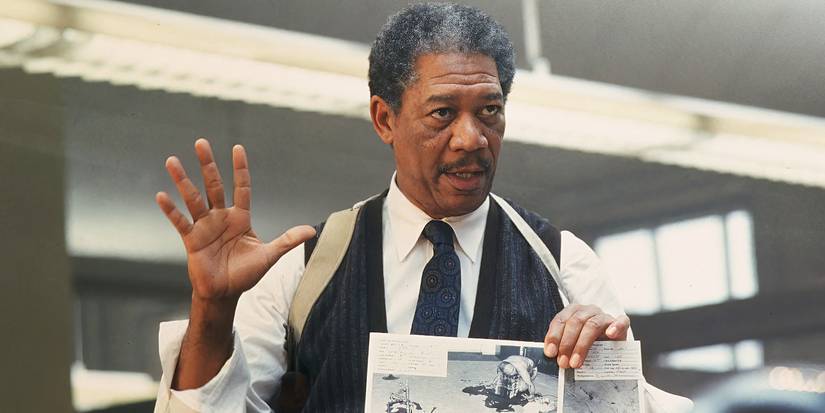
It is so often the case that palpable atmospheric intensity proves to be the greatest asset to crime mystery thrillers; Se7en is a stunning, albeit harrowing, example. Directed by David Fincher, the film is a masterclass in technical excellence, using every tool at its disposal—the rain-soaked setting, the muted color palette of greens and shadows, even the towering urban environment that feels as though it pushes down on the main characters—to conjure a sense of moral decay and visceral griminess.
The story itself is no lean feat either: Andrew Kevin Walker’s tightly constructed screenplay follows two detectives as they investigate a serial killer using the seven deadly sins as inspiration for his murders. Using traditional neo-noir elements while also incorporating ideas from horror, Se7en simmers throughout its runtime, tension burning in a pressure-cooker that engulfs viewers right up until its unforgettable finale. Disturbing and dark, it represents crime cinema at its unflinching and scarring best, and it stands as one of the genre’s most notorious and iconic titles because of it.
‘M’ (1931)

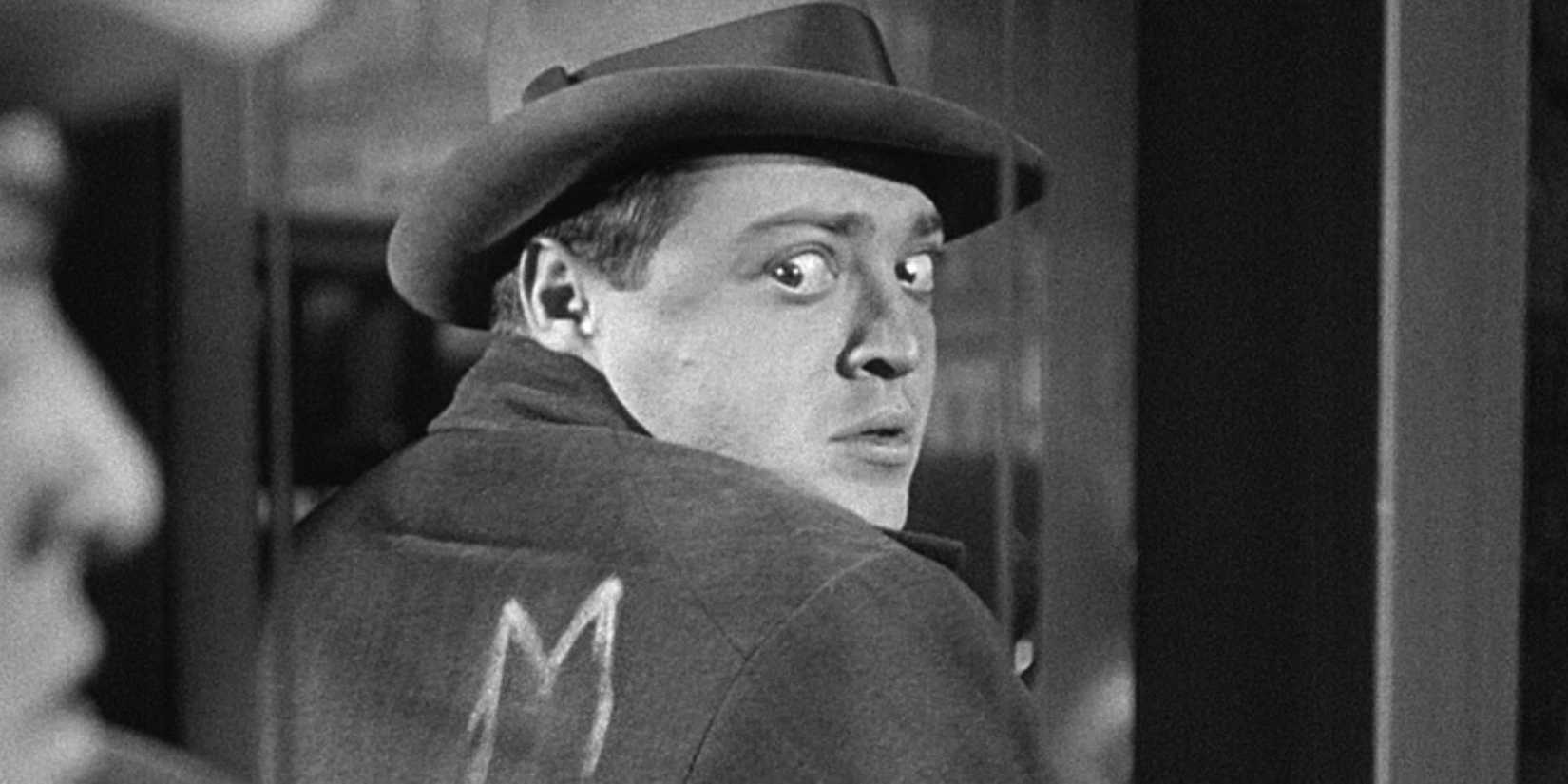
A German film that was decades ahead of its time, M is one of the earliest classics in crime cinema, a foundational masterpiece that pioneered new ways of using sound as a storytelling device that are still used to this day. It conjures a haunting atmosphere with its use of expressionistic visuals and the implementation of Edvard Grieg’s “In the Hall of the Mountain King” as an eerie leitmotif that heralds the central villain, the child-murdering serial killer Hans Beckert (Peter Lorre).
The movie uses the villain’s reign of terror as a catalyst to examine morality and necessity on both sides of the law. With the public in panic over the at-large killer, police begin to flood the streets, hoping to break the case open. As the police presence thwarts the operations of organized crime, mobsters set out to apprehend the murderer themselves so they can resume their illegal activities. It is a timelessly fascinating examination of responsibility and self-interest, and at the heart of it all is Lorre’s captivating and oddly sympathetic antagonist.
‘Double Indemnity’ (1944)
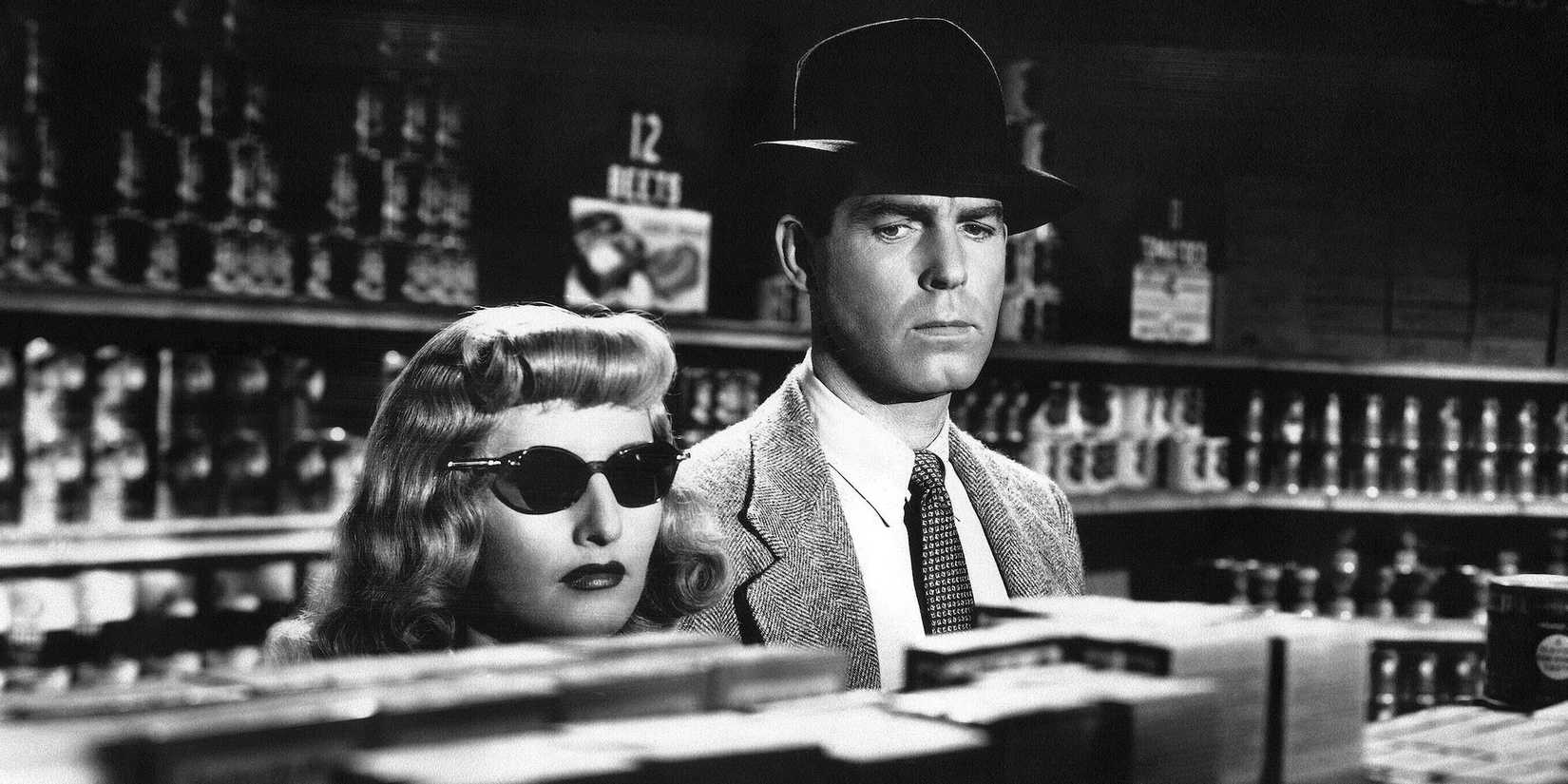
Double Indemnity was crucial to highlighting the timeless allure of ’40s noir cinema and establishing the moody subgenre as a major influence on crime cinema going forward. Co-written and directed by Billy Wilder, it follows an insurance clerk seduced into a devilish scheme by a married woman who wants to kill her husband and cash the life insurance. Despite their extensive plotting, the duo finds themselves under pressure when an insurance investigator becomes interested in the case.
Reveling in noir cinema’s rich complexity with its story of greed, lust, and murder, Double Indemnity remains utterly transfixing to this day. Its macabre suspense and the way it places viewers on the side of the scheming killers make for wonderfully wicked entertainment. It’s all supported by three stellar performances and a screenplay full of twists, tension, and the brand of acidic wit that the best Old Hollywood movies tended to master.
‘High and Low’ (1963)
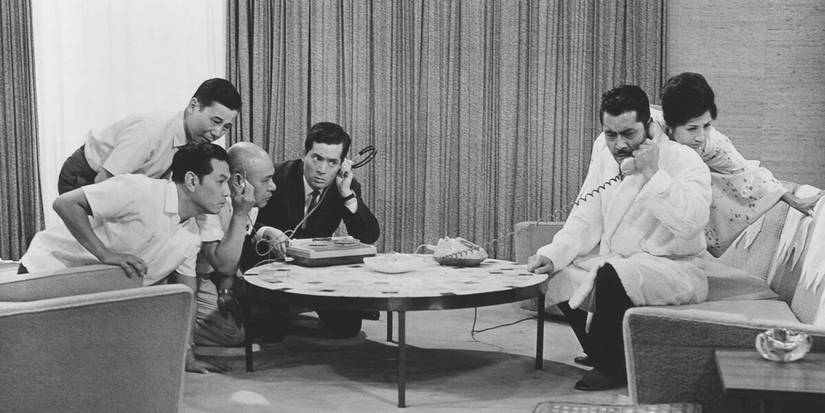
Throughout his illustrious career, there is hardly a genre Akira Kurosawa didn’t master. While many know him best for his epic samurai films, the Japanese filmmaker also had a distinct penchant for crime cinema, with 1963’s High and Low being his finest accomplishment in the genre. A pressing tale of morality and social inequality, it transpires as a business executive with designs on buying a shoe company finds himself at the center of a hostage negotiation when his driver’s son is kidnapped and the criminals responsible demand a huge ransom in exchange for his life.
This ceaselessly compelling story of responsibility and reason receives tremendous weight from Kurosawa’s technical prowess. Theatrical shot compositions divide people based on class, the rigid structure and meticulous design of the framing reflecting the inescapable order of the society that Toshiro Mifune’s businessman lives above and routinely ignores. When chaos erupts, Kurosawa switches to handheld to capture the frenzied intensity of the situation. Like so many of the best movies the genre has seen, High and Low uses its crime story to illuminate cultural issues, becoming both timelessly perfect and perfectly timeless.
‘Chinatown’ (1974)
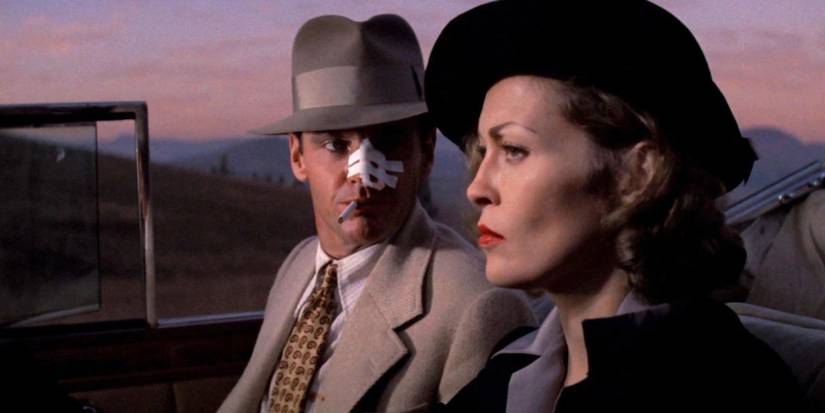
Considered by many to be the greatest screenplay ever written, Chinatown is a masterclass in elaborate mystery suspense that truly takes flight with its stunning performances, atmospheric intensity, and ability to blend traditional noir elements with a renewed social cynicism that was commonplace in the ’70s. Jack Nicholson stars as Jake Gittes, a private investigator in 1930s L.A. who is entangled in a web of political corruption and murder conspiracy after being hired by an impostor to tail the chief engineer of the Department of Water and Power.
With not a second of screentime being wasted or misused, Chinatown is a masterclass in smart and efficient storytelling. It uses visual cues and an air of imposing, sinister dread to not only bolster the intensity of the narrative but also enrich its central themes of power, corruption, and greed. It remains the definitive example of neo-noir cinema, combining its absorbing and complex mystery with a sense of realistic tragedy to strike a brutally mature tone regarding real-world evil and the immunity of the wealthy.
‘Goodfellas’ (1990)
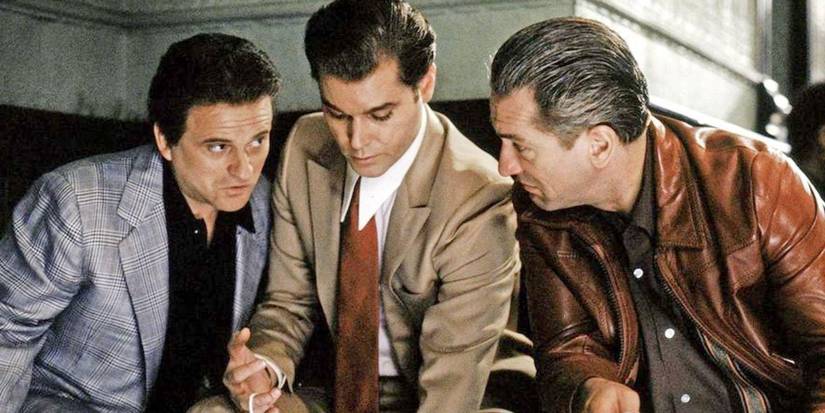
“As far as I can remember, I always wanted to be a gangster.” The opening line of Goodfellas is both a relatable yearning for prestige and power and a cold caution of the tale of violence that follows. The biographical masterpiece sees Martin Scorsese operating at his absolute best as it explores the life story of Henry Hill (Ray Liotta), an impressionable youth who starts working for the mob and, along with his two friends, does anything required to rise up the ranks of the organized crime syndicate.
A masterclass in fast-paced storytelling courtesy of Scorsese’s direction and Thelma Schoonmaker’s editing, Goodfellas is both relentless and utterly transfixing from its opening moments. Its sense of style, buoyed by its sublime soundtrack and technical brilliance, feels inviting, almost dangerously so, as if the audience is being seduced by the allure of a life of crime as Hill is. However, Scorsese never seeks to glamorize such a lifestyle, with the movie soon descending into a ferocious frenzy of self-saving paranoia that turns Hill’s luxurious life into a waking nightmare. Goodfellas is a masterpiece of crime cinema, a propulsive thriller that grounds the viewer in Hill’s rise and harrowing fall.
‘The Godfather’ (1972) & ‘The Godfather Part II’ (1974)
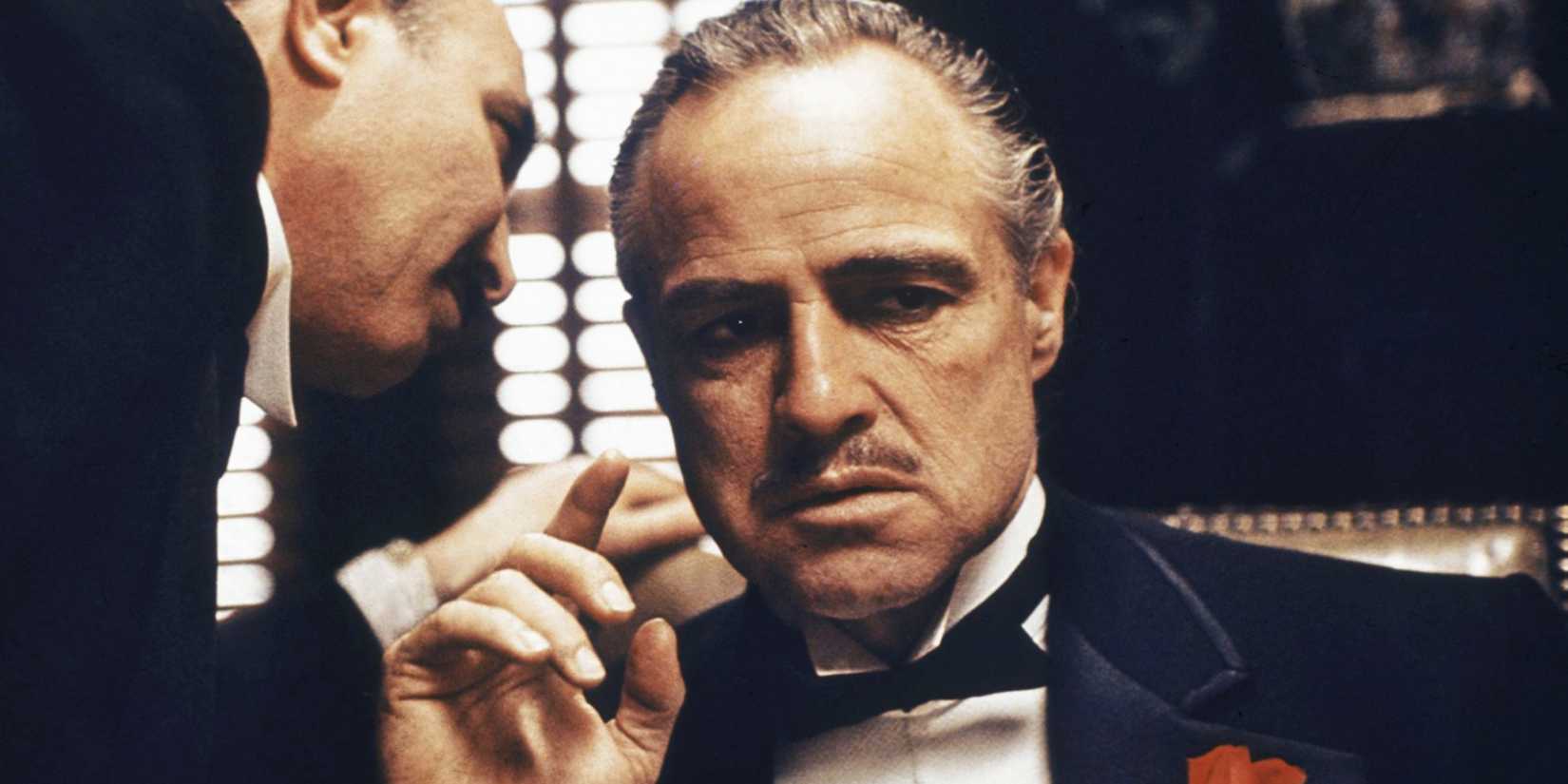
Not only the pinnacle of crime cinema, but arguably the two greatest movies ever made, The Godfather and The Godfather Part II, are the height of filmmaking perfection. Everything from their cinematography and direction to the performances and sense of Shakespearean tragedy defines the movies’ splendor. The first film follows a tumultuous transition of power in the Corleone crime family as the aging Vito (Marlon Brando) hopes to hand over power to his reluctant son, Michael (Al Pacino). The second film, split across two separate stories, documents Michael’s efforts to expand his criminal empire and a young Vito’s rise to power in 1920s New York.
It is impossible to revere one film without acknowledging the greatness of the other, with both movies standing as medium-defining epics tackling issues of power, corruption, and the violent greed of the American dream with profound depth and artistry. The brilliance of both films is enduring. Over 50 years have passed since they were released, and yet they remain two of the most discussed and analyzed movies of the modern day. Additionally, they helped pioneer a new dawn of confronting realism and thematic depth in Hollywood cinema, making them essential cultural touchstones of filmmaking excellence as well as ageless masterpieces of crime drama.
You must be logged in to post a comment Login