Entertainment
10 Crime TV Shows With Perfect Finales, Ranked

Over the last 30 years, crime television has delivered some of the best and most compelling stories the small screen has ever seen. It doesn’t matter whether the genre is tackling corruption and the abuse of authority within the police force, the frantic desperation of organized crime, or the horrific intricacies of a murder investigation; its appetite for absorbing drama has always been evident.
This has resulted in a litany of exceptional series, but those same qualities of impactful and precise storytelling, thematic depth, and emphasizing character nuance have also been pivotal in delivering some of the greatest series finales the medium has seen across all genres. From somber and restrained endings that meditate on the cost of ambition to jaw-dropping climaxes that leave everyone in a state of shock, these crime television conclusions are truly perfect in every way.
10
‘Boardwalk Empire’ (2010–2014)


A stylish descent into Depression-era crime, Boardwalk Empire follows Atlantic City treasurer Enoch “Nucky” Thompson (Steve Buscemi) as he juggles his political ambitions with his criminal operations. The longer the series goes on, the more it revels in the faults in Thompson’s character, be it his insatiable greed, callous disregard for human life, and his fiercely immoral scheming and manipulations to further his own goals.
Boardwalk Empire’s Season 5 finale, “Eldorado,” sees these flaws backfire on Thompson in extraordinary fashion. While some viewed it as being predictable, Thompson’s violent demise is directly tied to his original sin decades earlier and the continuous impact he has had on the Darmody family. Complimented by its ties to actual history, its sense of karma, and the lingering poetic beauty of the final shot, Boardwalk Empire delivers a succinct and rewarding finale that emphasizes the age-old idea that crime doesn’t pay.
9
‘Ozark’ (2017–2022)
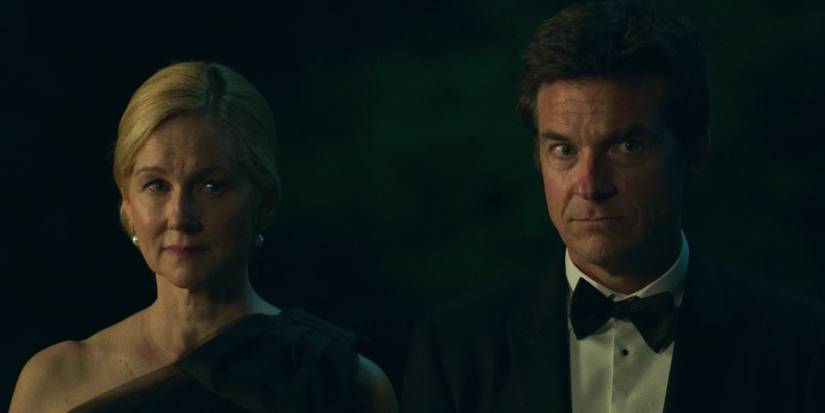
Marking one of Netflix’s more defining triumphs in the realm of television production, Ozark embroils viewers in a pulsating story of crime tension as it follows the Byrde family, who must relocate to the Missouri Ozarks to oversee a money laundering operation when they find themselves in the debt of a Mexican drug cartel. The visceral high-stakes drama and relentless suspense define the propulsive allure of the series’ four-season run, with the Byrdes’ desperate fight for survival always underlined by a hope of one day breaking free from the cartel’s control and returning to their ordinary suburban lives.
Titled “A Hard Way to Go,” Ozark’s finale grounds viewers in the consequences of the Byrdes’ actions, showing beyond any doubt that they are ensnared in their lives of crime, while the haunting final moments display that even their kids have been poisoned by their lifestyles of cold pragmatism and cunning opportunism. Also featuring surprise deaths, bleak twists, and a muted acceptance of corruption and evil standing victorious, Ozark’s resolution is one of blunt thematic resonance and damning drama.
8
‘The Penguin’ (2024)
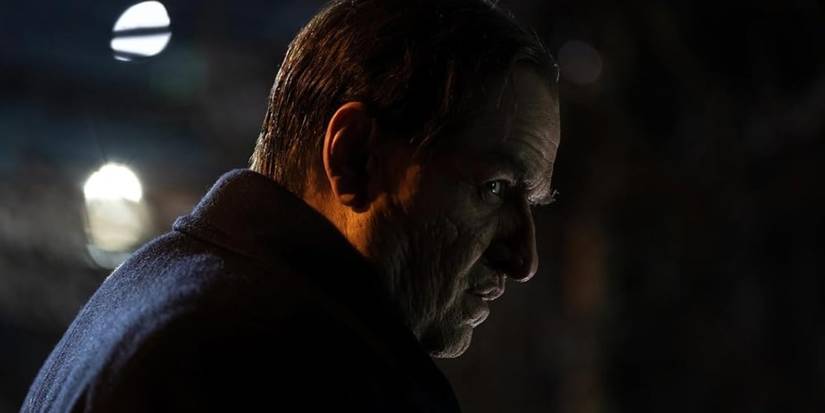
A notably impressionable miniseries release from HBO, The Penguin excels at combining the surreal, stylized allure of superhero drama with gritty neo-noir brutality as it follows Oswald Cobb’s (Colin Farrell) rise up the criminal underworld following the events of The Batman. Torn between a disconcerting relationship with his mother and his determination to rule Gotham’s underbelly, the miniseries presents Cobb as a complex force of ambition, but the finale is emphatic in its endeavor to ensure he isn’t viewed as a sympathetic anti-hero.
Instead, “A Great or Little Thing” explores Cobb’s evil brutality in unflinching detail, be it through him strangling Victor (Rhenzy Feliz) to eliminate a vulnerability or conspiring to have Sofia Falcone (Cristin Milioti) returned to Arkham Asylum, a fate she considers to be worse than death. Just as superhero spectacle is somewhat defined by CGI slugfests and comical quirks, crime television has come to be known for anti-hero angst and gentle moral ambiguity. The Penguin blows both of those ideas out of the water with a raw and uncompromising vision of Cobb’s savagery that makes for one of the most piercing finales crime television has ever seen.
7
‘Barry’ (2018–2023)

It is astonishing what Barry achieves with its final episode. Following Bill Hader’s titular hitman as he discovers a passion for stage acting but struggles to separate his newfound hobby from his violent past. Much of the series wrestles with ideas of intent and outcome, deliberating on the standing of Barry’s character even as he murders people with cold dissonance. There is a feeling the finale could be a triumphant redemption or a heroic farewell, but true to the series’ nature, it does something a little different.
From unceremonious demises to acceptances of quiet isolation, the appropriately titled “wow” manages to give each character a resolution they deserve while satirizing Hollywood sensationalism and calling out audiences who want easy and comfortable conclusions to complex stories. It lampoons the moralism of blockbuster storytelling and eviscerates expectations of dramatic catharsis, making for one of the boldest and most acidic finales television has ever seen.
6
‘The Shield’ (2002–2008)
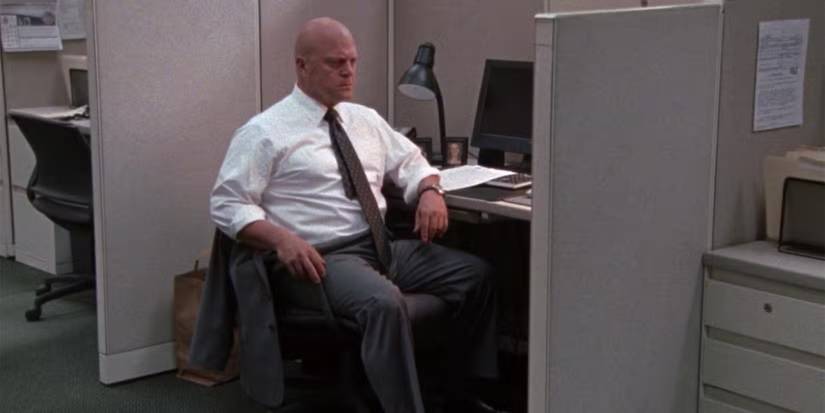
Amid the plethora of great crime shows that were dominating the airways throughout the 2000s, FX’s The Shield has come to be something of an underrated gem. The shame in this is that it is one of the boldest and most important crime series the medium has ever seen, with its seven-season run revolving around the conniving practices and shocking morality of the Strike Team, a corrupt and unlawful police unit operating in a crime-riddled district of L.A. who revel in using illegal methods to uphold the law while finding ways to profit off street crime.
While it starts off strong, The Shield only gets better as it proceeds, with Season 7’s final episode, “Family Meeting,” marking an unforgettable highlight of the series. In layman’s terms, the chickens come home to roost. The members of the Strike Team are confronted with the consequences of their heinous actions, and in their punishment, their supposedly ironclad virtues of loyalty and brotherhood wither away into silent isolation. Poetic, powerful, and perfect, The Shield’s conclusion is a masterclass in crushing finality and consequence.
5
‘Sharp Objects’ (2018)
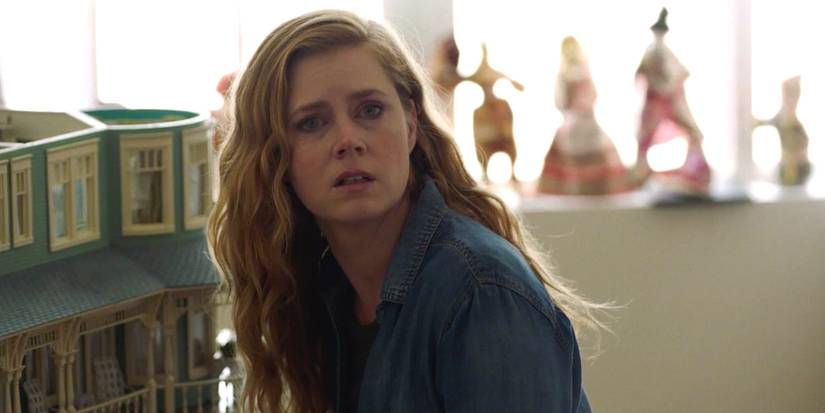
Based on Gillian Flynn’s novel of the same name, Sharp Objects soars with its Southern Gothic atmospheric intensity and simmering slow-burn suspense as it follows crime reporter Camille Preaker (Amy Adams) as she returns to her hometown to investigate the murders of two girls. As is typical with crime mystery miniseries, Sharp Objects delivers an abundance of twists as Preaker’s investigation is compounded by her own traumatic past with her family, but it saves its best and most devastating episode for last.
To be completely truthful, it saves its most harrowing scene for its final moments before the credits roll, delivering a brutal revelation that reconfigures the entirety of the series and shatters Camille’s most sacred relationship. It is an ending that lingers long in the mind, a masterclass in shocking plotting and disturbing detail that complements the miniseries’ ruthless mood of dread and tension perfectly.
4
‘The Wire’ (2002–2008)

Opening as a tightly-focused exploration of street-level drug dealing and a small police unit investigating the Barksdale crime organization, The Wire expands exponentially to examine the inner workings of the Baltimore police department, the volatility of City Hall, the chain-of-command of the drug trade, and the abysmal failure of social institutions. Over the course of five seasons, the series evolves through a litany of character deaths and the gradual overhaul in personnel within systems, and yet the finale holds the idea that nothing has changed from Season 1.
It is a bold message, but one that illustrates the cyclical nature of crime, violence, and institutional failures. It homes in on this with the bleak and hopeless emphasis on the trajectories of the younger characters, with some becoming callous enforcers in the drug trade while others succumb to addiction. McNulty’s (Dominic West) resigned reflection as he looks over the city is the cherry on top, the perfect highlight that compounds the message of damning repetition that makes the series so timeless and powerful.
3
‘Better Call Saul’ (2015–2022)

For so much of its run, Better Call Saul was known as the prequel series to Breaking Bad, following Saul Goodman (Bob Odenkirk) in his tumultuous journey from a street-savvy defense attorney to the legal advisor of one of Mexico’s biggest drug cartels. Its final stretch of episodes, however, leaps forward to after the events of Breaking Bad, focusing on Jimmy McGill’s reclusive life in hiding in Nebraska after his involvement with “Heisenberg.”
In the appropriately named “Saul Gone,” McGill is finally apprehended by the authorities and stands trial for his crimes, circumstances that force him to make a monumental decision between avoiding the consequences of his wrongdoing and facing his punishment in a manner that allows him to reclaim his identity and win back the respect of Kim Wexler (Rhea Seehorn). Handled with delicate care, sentimental flourishes, and a sense of welcomed justice, Better Call Saul ends with an acknowledgment of the power of regret, an uplifting emphasis on Jimmy and Kim’s relationship, and a 180°-turn on the tone and themes of Breaking Bad‘s conclusion.
2
‘The Sopranos’ (1999–2007)


Famous for its pioneering impact on television storytelling and its relentless brilliance, The Sopranos had its place in small-screen history enshrined long before its finale came around. However, its swan song has become, in itself, one of the most fiercely debated moments in television history. After following New Jersey mob boss Tony Soprano (James Gandolfini) for six seasons, and with the final season gradually ratcheting up the tension, the finale boldly aspires to ambiguity rather than clarity.
Every aspect of the final scene has been dissected ad nauseam, and while there is a general consensus about what the abrupt cut-to-black ending signifies, there is still room for those with differing perspectives to mount their case. Looking at the storytelling of the episode as a whole, “Made in America” excels at tying up lingering loose ends, delivering rewarding character farewells, and staying true to the series’ overall style of gritty realism and engrossing drama. Creator David Chase’s defiance of traditional Hollywood closure was met with some criticism at first, but in time it has only added to the legacy of The Sopranos, making it the flagship of modern television greatness and an ageless beacon of creative dare in the medium.
1
‘Breaking Bad’ (2008–2013)
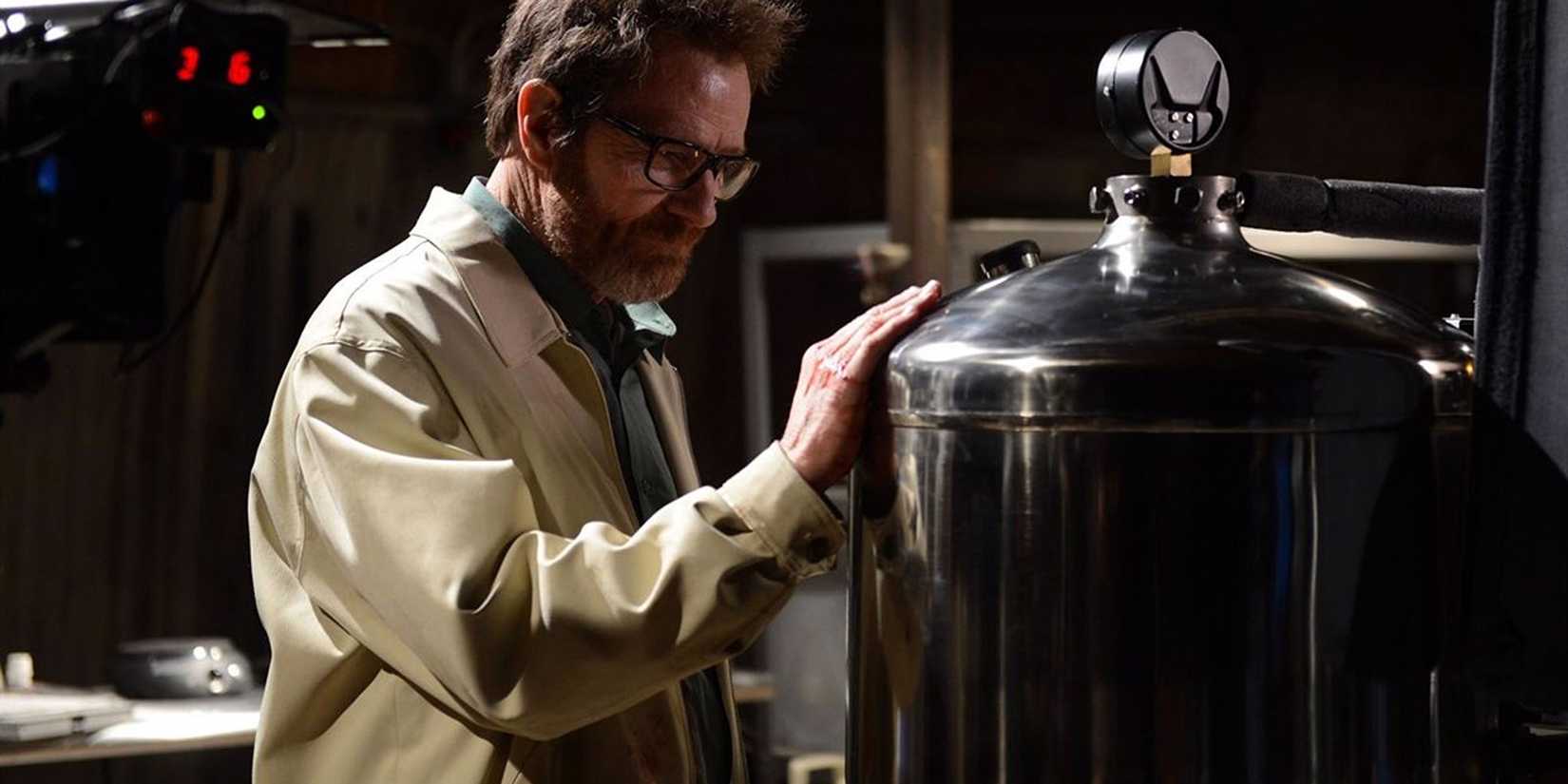
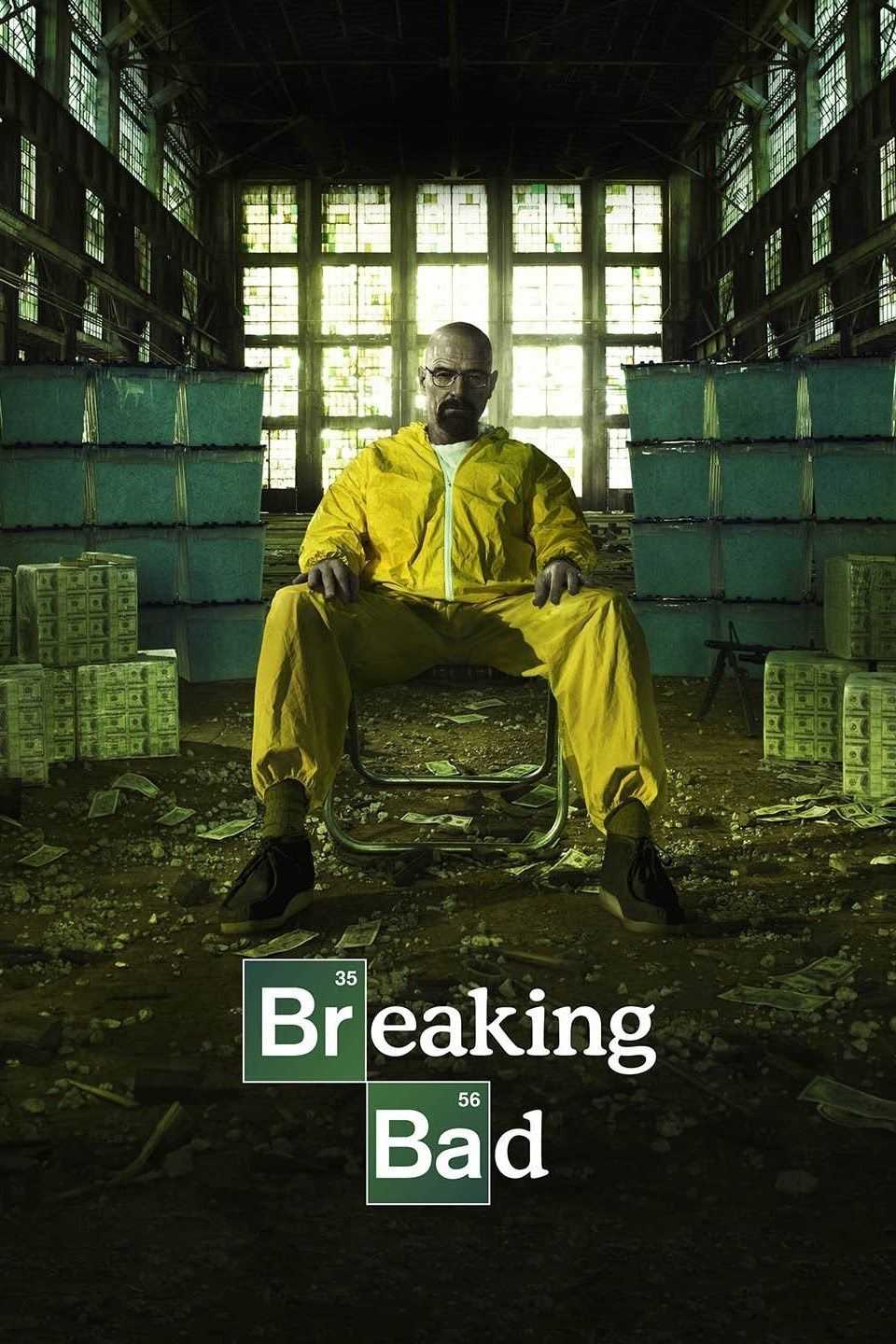
Viewed by many as being the greatest television series of all time, it is perhaps no great surprise that Breaking Bad holds what is possibly the greatest finale of all time as well. Throughout five seasons, the hit AMC show follows Walter White (Bryan Cranston) as he goes from being an ordinary and meek suburban family man and science teacher to a ruthless and completely amoral drug lord in charge of the most in-demand form of methamphetamine.
By the time “Felina” begins, Walter’s empire has crashed around him as he has been forced into hiding, and the family he once hoped to leave with millions of dollars has been consigned to squalor. From quiet emotional beats like Walter’s conversation with Skylar (Anna Gunn) to more explosive moments like the attack on the drug compound holding Jesse (Aaron Paul) as a prisoner, and, of course, to the note-perfect final scene complemented by Badfinger’s “Baby Blue,” the Breaking Bad finale is as masterful a finale as has ever been written, produced, and presented.

Breaking Bad
- Release Date
-
2008 – 2013-00-00
- Network
-
AMC
- Showrunner
-
Vince Gilligan
- Directors
-
Vince Gilligan, Michelle Maclaren
You must be logged in to post a comment Login