Entertainment
10 Director’s Cuts That Are Far Better Than the Movie Everyone Saw

Sometimes the version of a film that audiences first see isn’t the one the director actually intended. Several factors, including studio interference and runtime constraints, can often shape a movie into something more digestible but less complete. The director’s cut, when it exists, is an attempt to reclaim that lost vision.
With that in mind, this list looks at the most striking cases where the filmmaker’s preferred version was a significant step up from the theatrical release. In some cases, these alternate versions merely add interesting material or improve upon the existing version by adding more details, fleshing out characters, or maybe even reframing the action. In others, they completely transform the movie itself, resulting in something that feels entirely different.
‘Blood Simple’ (1984)

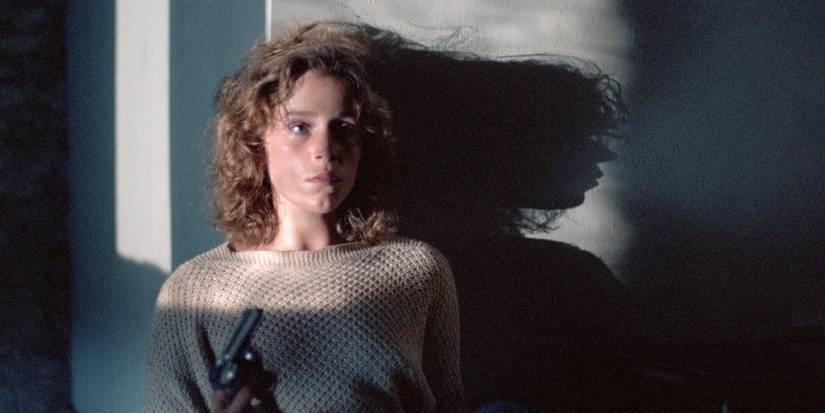
“You’re not that smart, Marty.” In the Coen brothers‘ feature debut, a bar owner (Dan Hedaya) hires a private investigator (M. Emmet Walsh) to kill his wife (Frances McDormand) and her lover (John Getz), setting off a chain of misunderstandings and escalating violence. It’s a noirish, brutal story shot through with delectably dark humor. The original theatrical version is already a tightly wound thriller, but the director’s cut trims and refines key moments.
Unusually, this is an instance where the director’s cut is actually shorter than the original, in this case by 2 minutes and 35 seconds. It nixes some short filler scenes and unnecessary shots and adds in a few extended shots, and also changes one of the songs in the soundtrack. This version shows how small adjustments, like slight edits and subtly restructured sequences, can significantly improve a movie’s flow.
‘Almost Famous’ (2000)

“I am a golden god!” This gem from Cameron Crowe follows William Miller (Patrick Fugit), a teenage journalist who goes on tour with a rising rock band in the 1970s. It’s a funny, touching story populated by complex and vivid characters. The DVD release came with a director’s cut that adds a whopping 40 minutes of additional footage, which most fans consider to be the definitive version.
This extra runtime gives the movie a lot more room to breathe. Characters like Elaine Miller (Frances McDormand), Russell Hammond (Billy Crudup), Penny Lane (Kate Hudson), and even the band members themselves gain additional scenes that make them feel more even human and layered. It really adds to the immersion (while also making certain gags even funnier). This cut is less polished than the theatrical release, but that’s part of its charm.
‘Watchmen’ (2009)

“I’m not locked in here with you. You’re locked in here with me!” Zack Snyder‘s name is the first that comes to mind when you think “director’s cut,” most famously with regard to Justice League. However, his preferred version of Watchmen is also superior to the original release. Based on the legendary comics by Alan Moore and Dave Gibbons, the movie follows a group of retired vigilante superheroes investigating the murder of one of their own.
The “Ultimate Cut” version adds a full 53 minutes of content, including the Tales of the Black Freighter animated sequence. This version is truer to the source material and adds new layers to the story, giving us more insight into the characters’ psychology. Sure, casual viewers may find this longer cut overwhelming, but diehard fans are likely to find it more satisfying.
‘Zack Snyder’s Justice League’ (2021)

“We’re asking people we don’t know to risk their lives.” Justice League sees Batman (Ben Affleck) recruiting Wonder Woman (Gal Gadot), Aquaman (Jason Momoa), The Flash (Ezra Miller), and Cyborg (Ray Fisher) to stop the alien conqueror Steppenwolf (Ciarán Hinds) from collecting the Mother Boxes and transforming Earth into a wasteland. Notoriously, the movie was heavily reshaped by Joss Whedon after Snyder stepped away during post-production, with most fans disappointed in the theatrical release.
The Snyder Cut quickly became a Holy Grail among fans, who clamored for its release. Their wishes were granted in 2021, when HBO Max released Snyder’s preferred version, which includes many scenes that Whedon had removed. These add some much-needed world-building and generally expand the film’s mythology. Fans and critics alike preferred this cut, though it’s admittedly pretty long at 242 minutes (the theatrical cut is just 120). The Snyder Cut is among the rare cases when the director’s cut is an outright different movie, and it’s for the best.
‘The Abyss’ (1989)


“You have to look with better eyes than that.” One of James Cameron‘s most underrated movies, The Abyss centers on a team of underwater oil drillers recruited by the U.S. Navy to investigate a sunken submarine, only to encounter something far more mysterious beneath the ocean’s surface. Unfortunately, the original theatrical release was heavily trimmed due to production problems and studio concerns about runtime, weakening the film.
Cameron’s preferred Special Edition was eventually released in 1993, and it’s dramatically better than the theatrical cut. This version is 26 minutes longer and restores some crucial scenes, while also adding great new special effects. It lets the awe and mystery of the underwater environment settle in more deeply instead of constantly rushing toward the next plot beat. Overall, this cut feels much more immersive.
‘Aliens’ (1986)
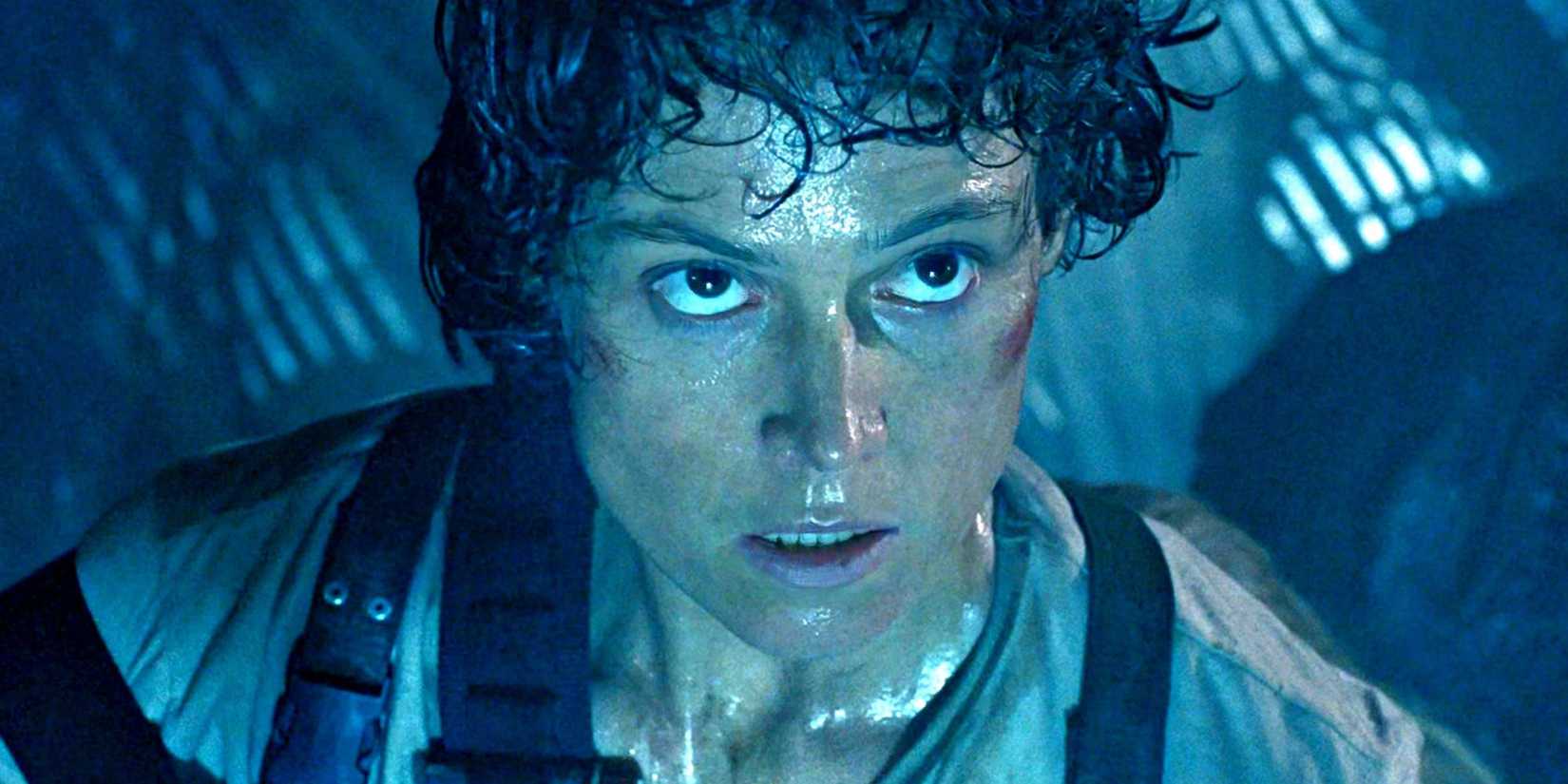
“They mostly come at night… mostly.” Another banger from Cameron. The original release of Aliens is already a masterclass in tension and action, but the director’s cut enriches it even further. It’s 20 minutes longer, with improved pacing and fan-favorite moments like the sentry gun scenes. Other additions expand the colony’s early moments and the buildup to the disaster. Most importantly, though, this version adds a lot of material involving Ripley’s (Sigourney Weaver) daughter.
We learn that Ripley’s daughter Amanda (Elizabeth Inglis) grew old and died while Ripley was in hypersleep. She was just 10 years old when they last saw each other. This information changes the emotional meaning of the entire movie and makes Ripley’s relationship with Newt (Carrie Henn) vastly more powerful. All in all, this cut adds more emotion and melancholy to the action-packed spectacle.
‘Brazil’ (1985)
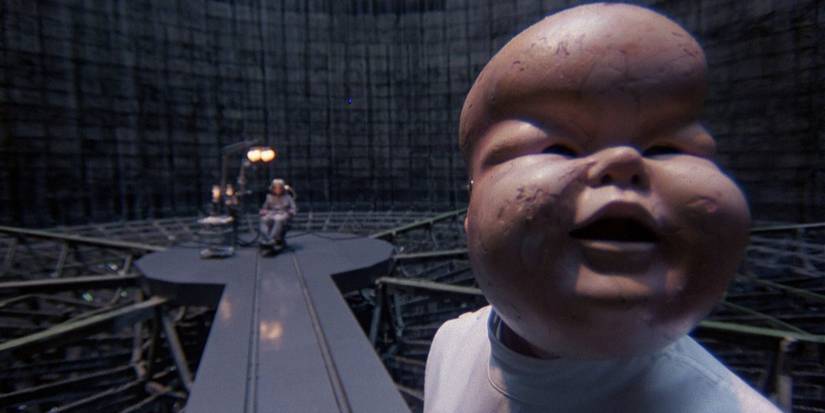
“We’re all in it together, kid.” Terry Gilliam‘s oddball masterpiece features Jonathan Pryce as Sam Lowry, a low-level bureaucrat in a dystopian society dominated by surveillance, endless paperwork, and more than a little absurdity, as he becomes entangled in a case of mistaken identity. The studio-mandated version attempted to impose a more conventional, optimistic structure on the film. The director’s cut rejects this entirely, embracing the story’s darker, more surreal trajectory.
In this version, which was only released in its full director’s preferred iteration in 1999, the satire becomes sharper, and the story ends on a decidedly bleak note. This movie is not meant to be reassuring, so forcing a happy ending to it was a nonsensical creative decision. The studio version undermines Brazil‘s central idea by pretending the nightmare can simply be outrun. Gilliam’s cut, by contrast, offers no escape.
‘Kingdom of Heaven’ (2005)

“What man is a man who does not make the world better?” Audiences’ expectations for Kingdom of Heaven were sky-high, with many hoping it would be a thrilling historical epic like Gladiator. However, the theatrical release drew mixed reviews, with many criticizing its pacing and lack of depth. Released a few months later, the director’s cut totally transformed the movie’s reputation. It adds 45 minutes of footage and, critically, significantly deepens the main characters’ motivations.
We get emotional subplots, fuller backstories, and even more visceral action scenes. In the original, the protagonist Balian (Orlando Bloom) feels passive and underwritten, but the director’s cut helps explain his crisis of faith and his grief over his wife’s death. It makes his gradual evolution from blacksmith to reluctant leader much more impactful, going from being a one-note figure to a genuinely conflicted hero.
‘Once Upon a Time in America’ (1984)

“I slipped.” Once Upon a Time in America was meant to be Sergio Leone‘s swan song, a sweeping crime opus charting David “Noodles” Aaronson’s (Robert De Niro) rise within the criminal underworld. Sadly, it suffered one of the most infamous studio edits in film history, with its theatrical release drastically restructured and shortened. It chopped the director’s 269-minute version down to a meager 139 minutes, jettisoning so much crucial material.
Needless to say, Leone’s preferred cut is in another league compared to the studio version. It dramatically deepens the relationships between the central gang members, especially Noodles and Max (James Woods). Pacing-wise, Leone’s version allows scenes to unfold slowly, where the theatrical cut tries to force them into a more conventional gangster-film rhythm. The slowness of the director’s cut is essential because the film is fundamentally about time: how decades reshape people, friendships, cities, and dreams.
‘Blade Runner’ (1982)

“I’ve seen things you people wouldn’t believe.” Ridley Scott strikes again. His preferred cut of Blade Runner finally came out in 1992, improving the movie in several important ways. Most notably, it leans heavily into the ambiguity of Deckard (Harrison Ford) being a replicant. It does so by removing the protagonist’s voice-over narration and the studio-mandated “happy ending” and adding in the unicorn dream sequence.
The latter scene is perhaps the most famous addition because it radically deepens the film’s central mystery. Indeed, it implies that Deckard’s memories may themselves be artificial. As a result, instead of reassuring the audience, the director’s cut of Blade Runner leaves viewers suspended in uncertainty. That unresolved tension is central to why the film became such a landmark work of science fiction. It restores the movie to the philosophical noir poem it was always meant to be.
You must be logged in to post a comment Login