Entertainment
10 Drama Movies With the Greatest Dialogue Ever

Dialogue is the lifeblood of drama. Sure, film is a visual medium, but the script is where character reveals itself, where conflict sharpens, and where ideas take on emotional weight. Some of the all-time best drama movies use their writing to cut, seduce, persuade, and destroy.
The titles below understand that what characters say (and just as importantly, what they choose not to say) can carry more tension, emotion, and meaning than any spectacle. Whether sharp and cutting, poetic and expressive, or quiet and painfully honest, all of them reel the viewer in with phenomenal writing.
‘Who’s Afraid of Virginia Woolf?’ (1966)

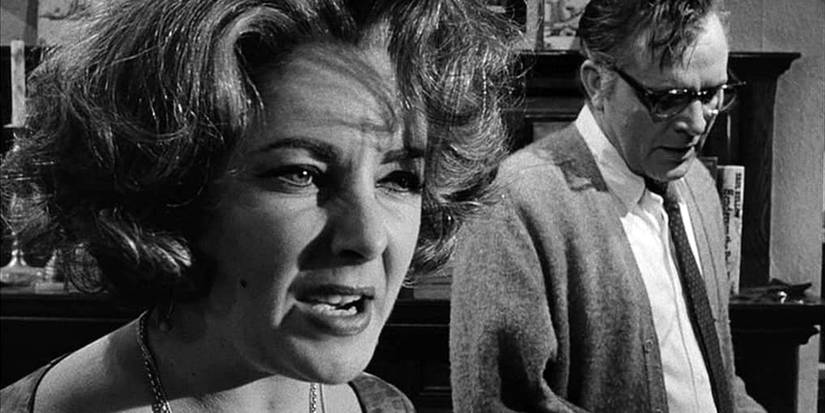
“What a dump.” In Who’s Afraid of Virginia Woolf?, a middle-aged couple, George (Richard Burton) and Martha (Elizabeth Taylor), invite a younger couple over for drinks, a decision that spirals into a long, alcohol-fueled night of psychological warfare, emotional games, and brutal honesty. Adapted from Edward Albee’s play, the movie is powered by verbal sparring, with George and Martha using words to wound, manipulate, and expose one another. The conversations are rhythmic and always escalating, growing more intense, more personal, and more destructive as the night progresses.
The dialogue is impressively psychologically complex, too. The insults are vicious, but beneath them lies something deeper, a shared dependency that neither George nor Martha can escape. Indeed, the lines are usually layered with subtext. Characters rarely say exactly what they mean, instead dealing in hidden motivations and emotional undercurrents. It’s all in service to some incisive thematic exploration that was unusually frank for the time, delving deep into issues of marriage, failure, and identity.
‘Glengarry Glen Ross’ (1992)


“Always be closing.” Based on David Mamet‘s Pulitzer-winning play, Glengarry Glen Ross follows a group of desperate real estate salesmen competing for leads in a high-pressure office environment. That premise might seem mundane, but it becomes a sharp, dark examination of ambition and moral compromise. It helps that the cast is incredibly stacked, including a murderer’s row of heavy hitters like Al Pacino, Jack Lemmon, Alec Baldwin, Alan Arkin, and Ed Harris, though the sturdy foundation for their performances is the stellar screenplay.
Mamet’s script is built on repetition, rhythm, and profanity (lots of profanity). It’s often poetic, almost musical, but also incredibly aggressive and intense. In this world, language is power. Every character is a salesman, and every interaction becomes a pitch, a bluff, or a negotiation; words are used to persuade, intimidate, and deceive. As a result, the movie is practically overflowing with memorable, quotable lines. The most famous ones come from Baldwin’s big monologue, a perfect encapsulation of the characters’ ruthless worldview.
‘A Streetcar Named Desire’ (1951)

“I have always depended on the kindness of strangers.” Yet another masterpiece that started as a stage production, A Streetcar Named Desire features Vivien Leigh as Blanche DuBois, who arrives in New Orleans to stay with her sister Stella (Kim Hunter) and her brutish brother-in-law Stanley (Marlon Brando). Their apartment becomes a psychological pressure-cooker as Blanche’s fragile illusions clash with Stanley’s harsh realism. While the movie is most famous now for Brando’s phenomenal performance, a milestone in the development of method acting, the script is also brilliant.
It’s heightened and, at times, lyrical, but also deeply human. Every impulse and subtle detail feels simultaneously precisely crafted and organic. Crucially, Tennessee Williams gives each character a distinct voice, reflecting their desires, fears, and delusions. A lot of the narrative momentum comes from the contrast between Blanche’s poetic, almost theatrical speech and Stanley’s blunt, physical language. All in all, a phenomenal confluence of script, stars, and director.
‘The Social Network’ (2010)
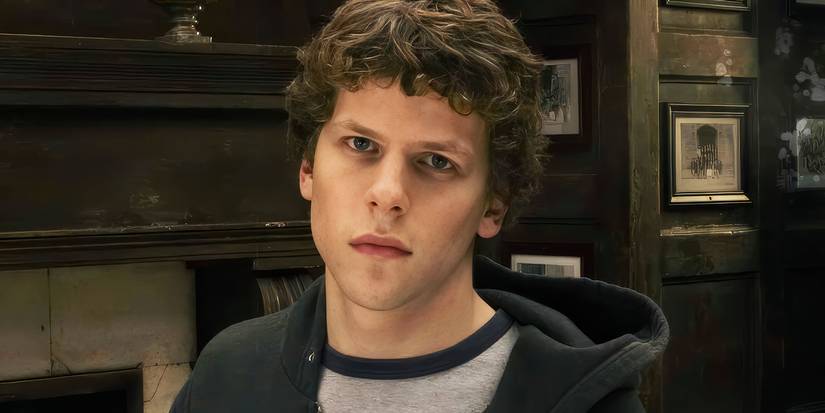
“You don’t get to 500 million friends without making a few enemies.” Aaron Sorkin is one of the leading lights of 21st-century screenwriting, and The Social Network is his magnum opus. He and director David Fincher chronicle the rise of Facebook and the legal battles that followed, focusing on Mark Zuckerberg’s (Jesse Eisenberg) complicated relationships with his co-founders and peers. The dialogue is fast, precise, and intellectually charged, perfectly suited to the hyper-competitive world of tech entrepreneurship.
Exchanges are barbed, witty, and frequently hilarious, but also loaded with emotional baggage. Fundamentally, it is a portrait of a sprawling digital empire and the lone, insecure man at its center. In the process, The Social Network becomes a broader statement on our current era of social media, algorithms, inequality, and tech oligarchs. The film was way ahead of the curve, making it one of the masterpieces of the early social media age. Its themes resonate even more today.
‘Network’ (1976)
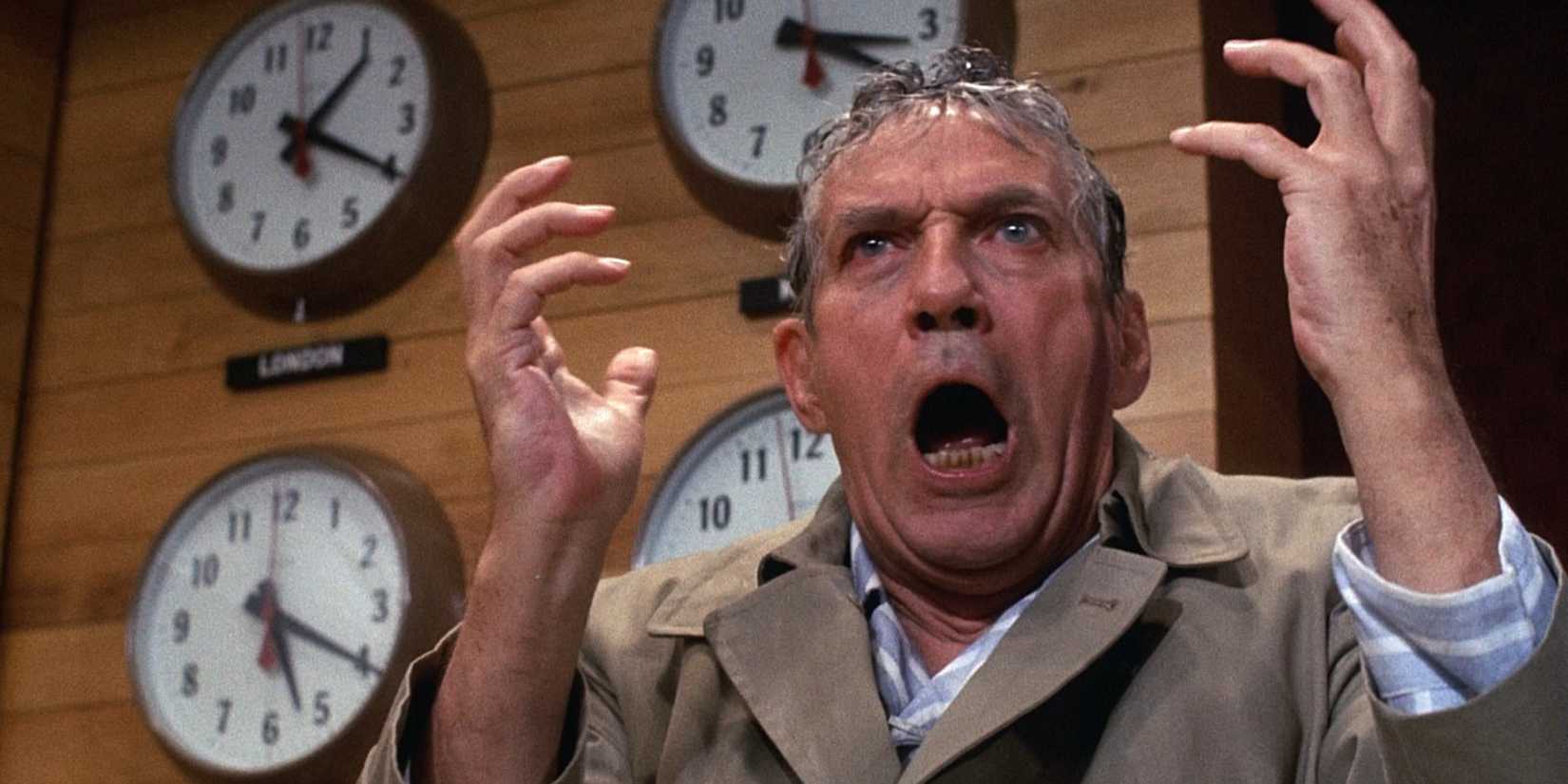
“I’m as mad as hell, and I’m not going to take this anymore!” In Network, a struggling television network exploits the mental breakdown of its news anchor, turning his on-air rants into a ratings phenomenon. Rather than scaring viewers off, Howard Beale’s (Peter Finch) unhinged ravings make the show more popular than ever. As the spectacle grows, the line between news, entertainment, and deception blurs completely. This setup becomes the launching pad for one of the scorching media satires in movie history.
The characters are defined by how they speak, from the cold, calculated language of the executives to the emotional volatility of Beale. Today, given the rise of reality TV, audience capture, rage bait, and politics as entertainment, Network feels more topical than ever. The movie’s admirers include Aaron Sorkin, who said of it: “No predictor of the future, not even Orwell, has ever been as right as [Paddy] Chayefsky was when he wrote Network.”
‘All About Eve’ (1950)

“Fasten your seatbelts. It’s going to be a bumpy night.” In All About Eve, an aging Broadway star, Margo Channing (Bette Davis), befriends a seemingly devoted young fan, Eve Harrington (Anne Baxter), who slowly ingratiates herself into Margo’s life and career. But what first seems like innocent admiration gradually reveals itself to be something far more calculated and dangerous. Soon, the characters are wielding words like weapons; sparing, posturing, flattering, attacking. The writing strikes a fine balance between being stylish and truthful.
It’s polished and memorable, but it never feels empty. Every clever remark tells you something about status, ego, or hidden intent. It also captures the world of theatre and performance beautifully. These are people who live through presentation, image, and drama, so heightened language makes sense in this world. In this regard, writer-director Joseph L. Mankiewicz‘s screenplay is a masterclass in verbal elegance, filled with biting observations about ambition, aging, and performance, both onstage and off.
‘Before Sunset’ (2004)

“If there’s any kind of magic in this world… it must be in the attempt of understanding someone.” Most of the movies on this list shine with dialogue that’s witty, intricate, and carefully contrasted. Before Sunset, by contrast, is great because it feels so natural and real, more like a slice-of-life. The second installment in Richard Linklater‘s beloved trilogy reunites Jesse (Ethan Hawke) and Celine (Julie Delpy) nine years after their brief encounter in Vienna. Over a single afternoon in Paris, they walk, talk, and reconnect, revisiting the choices and regrets that have shaped their lives.
Their conversations feel spontaneous, as if we are eavesdropping on real people rather than watching characters perform. This feeling of authenticity and urgency is heightened by the fact that the movie unfolds in real-time. Finally, the dialogue is deeply layered. On the surface, the characters talk about their lives, careers, and experiences. But beneath that, every line carries unspoken feelings: regret, longing, missed opportunities, and unresolved love.
‘The Godfather’ (1972)
“I’m gonna make him an offer he can’t refuse.” Together, Francis Ford Coppola and Mario Puzo turned the latter’s pulpy novel into perhaps the greatest screenplay in gangster movie history. It’s practically Shakespearean, following the shifting power dynamics of the Corleone crime family as patriarch Vito Corleone (Marlon Brando) passes the mantle to his son Michael (Al Pacino). The crux of the story is Michael’s transformation from reluctant outsider to ruthless leader.
The character development is fantastic, and the script is loaded with memorable quotes. One of its greatest strengths is its economy and control. Characters rarely speak more than necessary, and when they do, every line carries weight. For figures like Vito, every conversation is deliberate. Each word has been carefully chosen to maintain authority or conceal intention. Rather than being melodramatic, the dialogue in The Godfather tends to be quiet and restrained, which only increases its impact.
’12 Angry Men’ (1957)
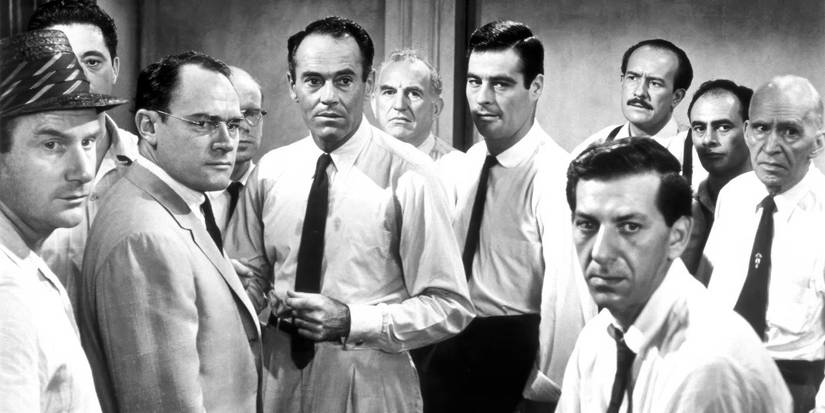
“It’s not easy to stand alone against the ridicule of others.” 12 Angry Men takes place almost entirely in a jury room, where twelve men must decide the fate of a young boy accused of murder. As deliberations begin, one juror (Henry Fonda) challenges the others to reconsider the evidence, sparking intense debate. There’s no action to speak of. Rather, dialogue serves as the engine of both character and plot. The film unfolds entirely through argument, with each juror bringing their own biases, experiences, and perspectives into the discussion.
A big part of what makes the dialogue so compelling is its progression: each exchange shifts the balance, slowly transforming certainty into doubt. The exchanges are psychologically and morally tense. Impressively, these conversations feel realistic while also serving as a microcosm for society as a whole. For instance, certain characters become stand-ins for entire points of view, yet they’re never reduced to archetypes.
‘Casablanca’ (1942)
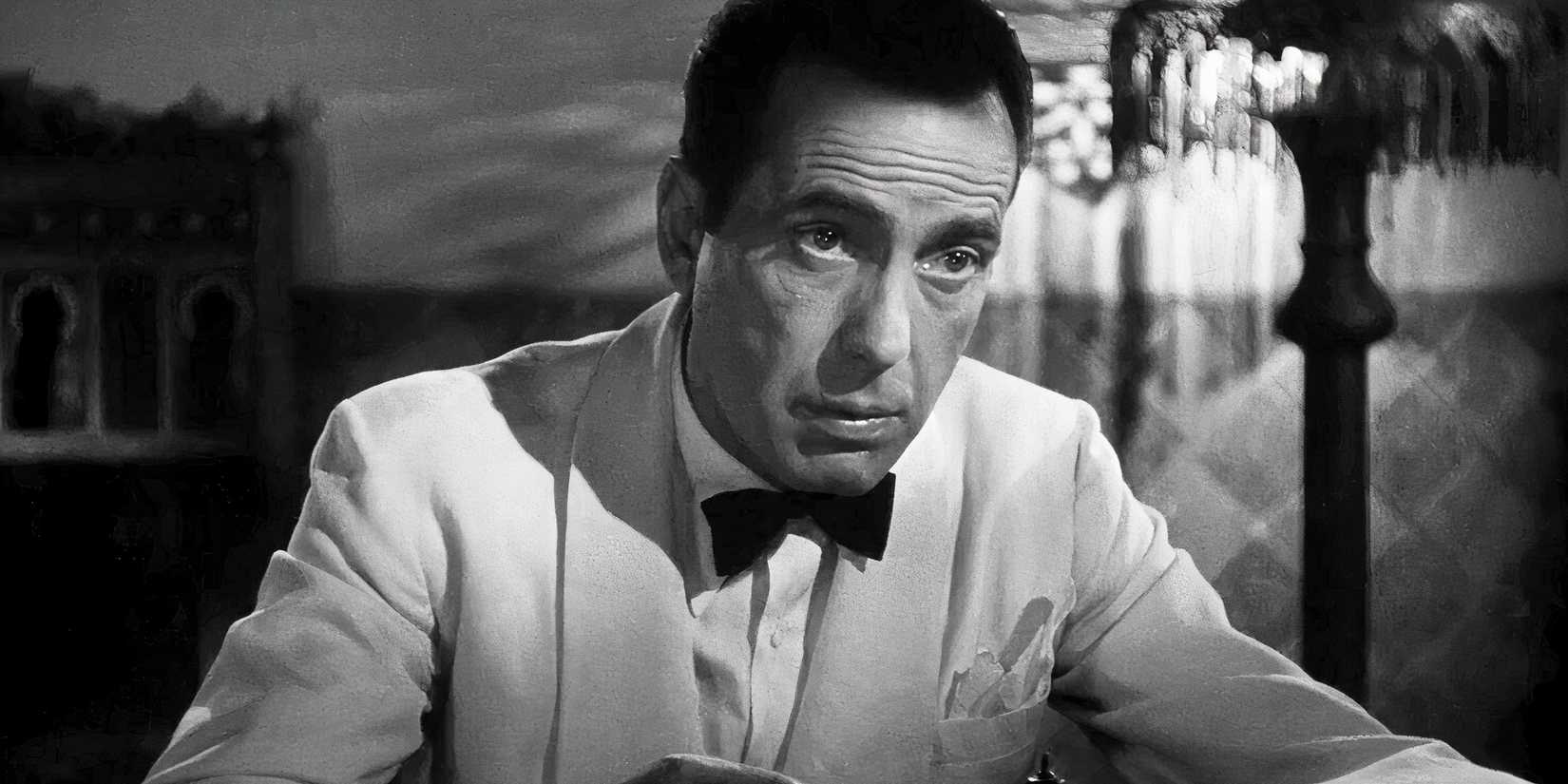
“Here’s looking at you, kid.” In Casablanca, Humphrey Bogart turns in one of his most iconic performances as Rick Blaine, a cynical nightclub owner in wartime Morocco, forced to confront his past when his former lover Ilsa (Ingrid Bergman) re-enters his life, accompanied by her resistance leader husband. The story boasts one of the most quotable scripts ever written, a fantastic fusion of romance, humor, and political tension.
Characters speak with a kind of controlled charm, especially the dry, understated Rick. Thematically, their conversations move seamlessly between personal emotion and the larger wartime context. In addition, their exchanges are simply striking and memorable. So many lines from this film are now famous the world over: “We’ll always have Paris”, “Of all the gin joints, in all the towns, in all the world, she walks into mine”, and, of course, “Louis, I think this is the beginning of a beautiful friendship.”
You must be logged in to post a comment Login