Entertainment
10 Forgotten Disaster Movies That Are Amazing From Start to Finish

Disaster movies get reduced to spectacle, body counts, collapsing buildings, tidal waves, panicked crowds, all the visible stuff. And yes, the visible stuff matters. A disaster movie with no scale, no momentum, no physical imagination is dead on arrival. But that is not why the great ones stay with you.
Think about it — why did 2012 become so big? World War Z? Because they had a huge real-life meaning to them. They were warm and grounded. They stayed because disaster is one of the purest story machines in cinema for exposing what people are really made of once normal life loses authority. Vanity, courage, bureaucracy, tenderness, selfishness, class, romance, cowardice, sacrifice, denial, all of it gets dragged into the open the second the world stops pretending it is stable. These 10 movies kinda had that but perhaps not enough star-power or social media hype to back them up.
10
‘Juggernaut’ (1974)

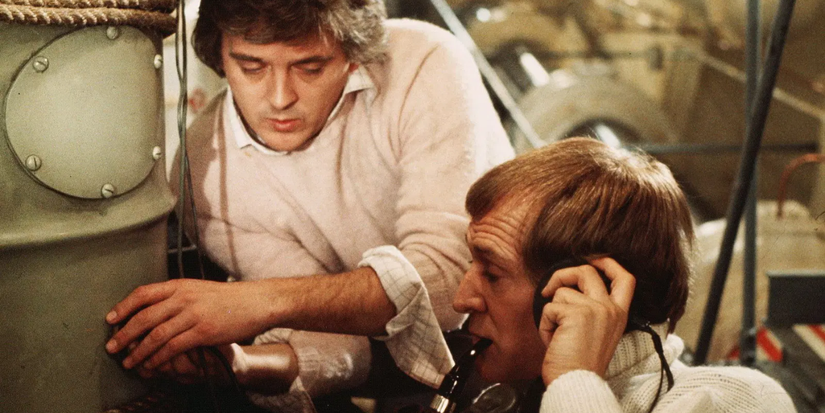
I will always go to bat for Juggernaut. It understands that disaster does not need flames everywhere to be suffocating. Sometimes all you need is one luxury liner, a bomb threat, the sea, and enough procedural detail to make every passing minute feel like a tightening wire. That is what this movie gets exactly right. The danger is not abstract. It has shape. Explosives on a ship full of people. A bomb disposal expert coming aboard. Time, water, class performance, panic, all boxed together. It becomes one of those films where every corridor starts looking like a moral test.
And what really gives it force is the grown-up seriousness of the ensemble. Nobody is playing the material like camp. Anthony Fallon (Richard Harris), Captain Alex Brunel (Omar Sharif), and Charlie Braddock (David Hemmings) all give the movie this weary, competent, deeply British tension that makes the whole thing feel more frightening. The rich passengers, the workers, the crew, the politicians on land, all are part of the same system now, and that system is balanced on the possibility of one wrong wire. Juggernaut is a disaster film for people who love process as suspense. It is calm, intelligent, and nasty in exactly the right way.
9
‘The Rains Came’ (1939)

There is something magnificent about how openly emotional The Rains Came is. It belongs to that older kind of disaster cinema where romance, melodrama, social upheaval, disease, weather, and death are all allowed to crowd the same frame without apologizing to one another. The setting matters too. Colonial India in crisis gives the whole movie a richer moral texture than “storm hits town” would have on its own. The rains are not just weather. They are the beginning of a vast stripping-away. Vanity collapses. Social hierarchies wobble. People reveal what they really are when the floodwaters rise and sickness follows.
The film lets catastrophe transform the emotional meaning of everything around it. Characters who seemed trapped inside drawing-room identities suddenly have to exist inside urgency, service, fear, and loss. There is old-Hollywood grandeur all over it, yes, but the movie earns its bigness. It knows a disaster can be both spectacular and spiritually corrective. That is why it feels potent.
8
‘San Francisco’ (1936)

This one is such an old film but a beautiful reminder that the classic-Hollywood disaster movie did not think intimacy and scale were enemies. San Francisco spends so much of its time building a whole social world, saloons, opera aspirations, rough men, refined spaces, love, ambition, money, spiritual conflict, that by the time the earthquake arrives, the city actually feels inhabited. That matters enormously. So many disaster films fail because they think the event is enough.
San Francisco understands the event only becomes overwhelming once you have built something for it to break. And once the earthquake comes, it really comes. The destruction still has force, and the chaos afterward has that old apocalyptic-Hollywood terror where civilization looks frighteningly fragile. But what makes the film great instead of merely historically impressive is the emotional aftershock. Lives are not just interrupted. They are reweighted. The city’s collapse becomes a test of what remains when glamour, vice, social position, and personal illusions all get flattened together in the same rubble. There is something deeply moving about the way San Francisco treats communal suffering as both horror and reckoning.
7
‘The China Syndrome’ (1979)
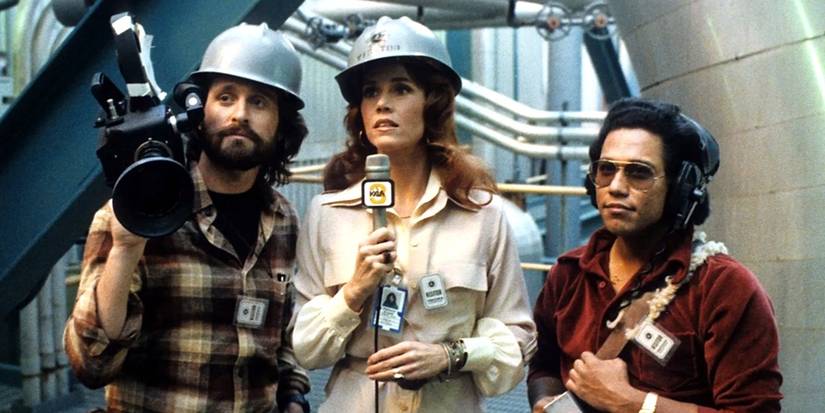
I absolutely count The China Syndrome as a disaster movie, and one of the great ones, because it understands that disaster can exist in the gap between near-miss and inevitability. There is no giant wave. No building falling in the first half-hour. What you get instead is one of the most terrifying kinds of modern catastrophe: the kind built out of sealed systems, institutional denial, technological complexity, and the possibility that ordinary professional language is being used to keep the public calm while annihilation inches closer. That is nightmare material.
And because the movie is so grounded, it only gets more frightening with time. Kimberly Wells (Jane Fonda), Jack Godell (Jack Lemmon), and Richard Adams (Michael Douglas) give it exactly the right emotional range, ambition, conscience, media pressure, professional fear, whistleblower panic. The reactor itself becomes this invisible beast in the room, something most people cannot understand directly and therefore must trust others to manage. That trust is what the film attacks. A great disaster movie often asks whether human error, vanity, or bureaucracy will speed the catastrophe along. The China Syndrome asks that with a chill few films can match. It makes institutional calm feel sinister.
6
‘The Wave’ (2015)
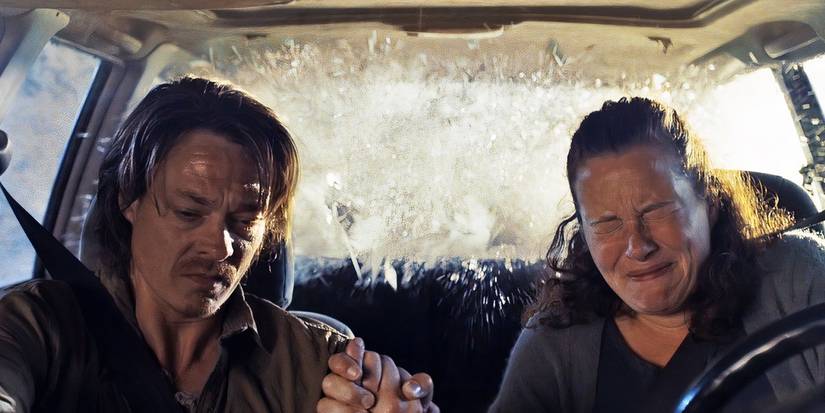
What I respect about The Wave is how cleanly it merges two kinds of disaster-film pleasure that do not always coexist well: geological spectacle and family-level panic. The opening sections are almost deceptively ordinary. Scientists monitoring instability. family routines. local skepticism. That ordinariness is not filler. It is structural groundwork. When the mountain finally gives way and the fjord becomes a death corridor, the movie cashes in all that realism at once. Suddenly every siren, every road, every minute matters.
And the wave itself is terrifying because the film understands scale from the victim’s point of view. It is not just a pretty wall of CGI water. It is time running out in a place where the geography has become a trap. I also love how physical the aftermath feels, the flooding, the darkness, the cold, the search, the suffocation. Disaster movies often peak at the event and sag afterward. The Wave keeps its grip because it knows survival is not one beat. It is a series of awful, breath-limited decisions after the obvious climax has already happened. That makes it hit harder.
5
‘The Quake’ (2018)

The Quake is such a nasty companion piece to The Wave because it takes the emotional residue of the earlier film and drags it into another rupture instead of pretending trauma resets cleanly between sequels. That is one of the smartest choices it makes. The earthquake is not just an excuse to do the next round of destruction. It arrives in a life already marked by fear, obsession, and the humiliating possibility that everyone around you may think you are broken before they think you are right. That gives the first half real tension.
And when the quake finally hits, the film goes hard. Buildings split, interiors become death mazes, people are cut off in spaces that used to mean stability and now mean vertical ruin. The physical set pieces are excellent, but what I love most is the emotional tone underneath them. There is also a sadness to The Quake that a lot of disaster sequels never even attempt. The event is spectacular, yes, though the real story is about Kristian Eikjord (Kristoffer Joner) trying to protect his family while being crushed by the knowledge that he saw the shape of this terror coming and still could not make the world move fast enough. That kind of helplessness belongs to great disaster cinema.
4
‘Miracle Mile’ (1988)
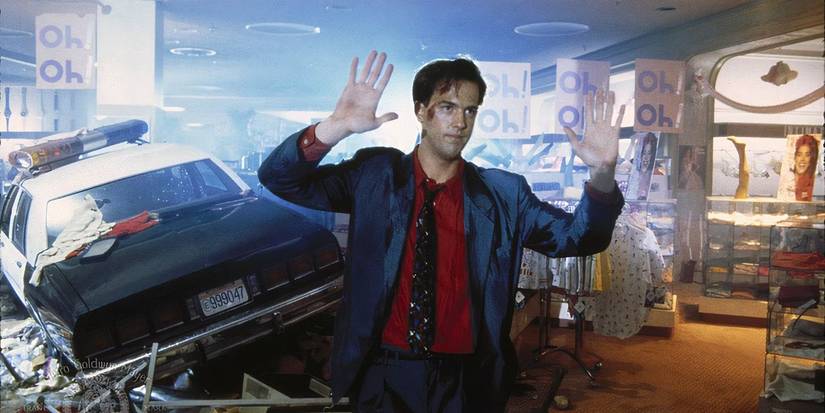
Miracle Mile is one of the most upsetting urban-apocalypse films ever made because it weaponizes ordinary time so cruelly. The setup is almost absurdly simple and perfect: Harry Washello (Anthony Edwards) answers a pay phone in the middle of the night and hears what may be a call meant for someone else, a warning that nuclear war is imminent. From there the whole movie becomes a race against disbelief. Is the call real? Is this panic justified? How fast can ordinary Los Angeles go from dreamy nocturnal drift to terminal unraveling? The answer is: horrifyingly fast.
What makes Miracle Mile so good is that it starts like a quirky romantic night movie. There is warmth in it, coincidence, possibility, strangers crossing paths, the kind of atmosphere where a date might genuinely change your life. Then the call comes, and suddenly every mundane part of city life becomes unstable. Cars. helicopters. traffic. police. crowds. misinformation. private selfishness. public terror. The film keeps tightening until it reaches a final movement so bleak and so perfect that it almost feels like a dare. This is not disaster as spectacle. It is disaster as emotional whiplash, the world ending in the middle of what should have been a love story.
3
‘These Final Hours’ (2013)
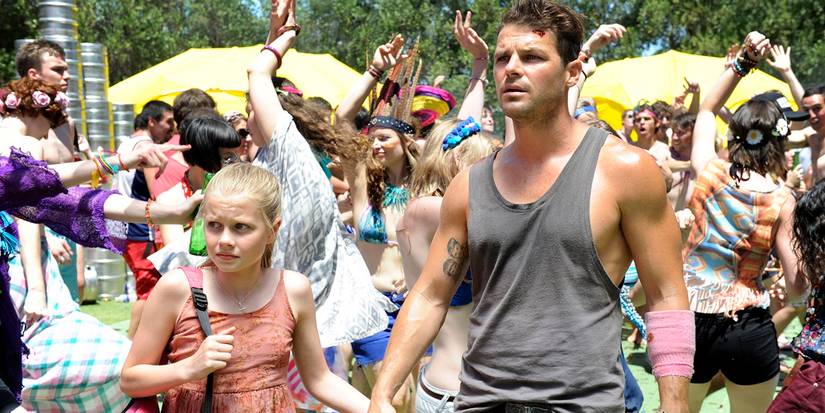
This movie is brutal because it asks one of the ugliest questions any disaster film can ask: if the world is actually ending, what kind of person are you in the hours before meaning disappears? Not in the noble, speech-making way. In the real way. Do you turn toward pleasure? violence? numbness? rescue? obligation? panic? sex? family? self-erasure? These Final Hours is so good in that sense. It knows apocalypse is not only about fire in the sky. It is about moral collapse on the ground long before the blast reaches you just as you rother disaster favorites.
And the film’s emotional hook is viciously effective. James (Nathan Phillips) begins as a man trying to flee into selfish oblivion, then gets dragged toward responsibility through his connection with a child who should not have to navigate any of this. That relationship keeps the movie from becoming mere misery porn. It becomes a measure of whether any human decency can still exist when the clock is too short for future-oriented ethics. The answer is painful and partial and all the more moving because the movie does not sentimentalize it. This is one of the few end-of-the-world films that really feels like the end of the world.
2
‘Fail Safe’ (1964)
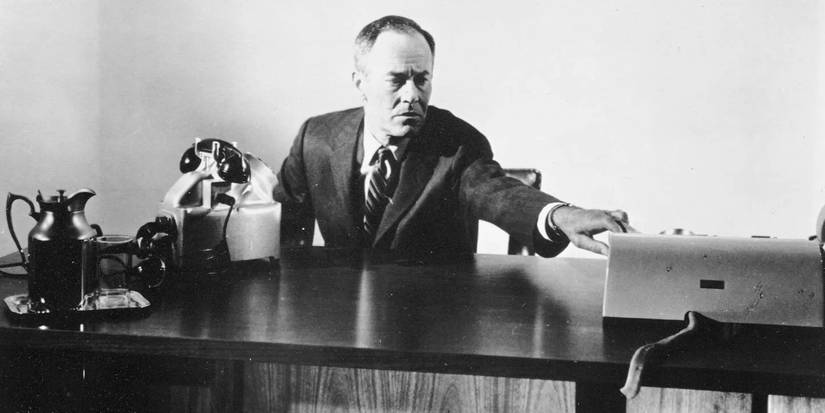
This is one of the most terrifying disaster films ever made precisely because almost nothing in it looks like disaster in the traditional sense. Rooms. phones. protocols. radar. voices. men in suits speaking with varying degrees of control while the world moves toward annihilation through systems that were supposed to prevent exactly this. That is the horror. The catastrophe is procedural. Human beings built structures to control apocalypse and then placed themselves one malfunction away from having to live inside its consequences. Fail Safe never blinks from that.
And what makes it so devastating is its moral seriousness. The performances are stripped of glamour in exactly the right way. The President (Henry Fonda), Professor Groeteschele (Walter Matthau), Colonel Cascio (Fritz Weaver), and Buck (Larry Hagman) all serve a movie that knows the most frightening thing about nuclear disaster is not only the explosion. It is the calm beforehand. The discussion. The recognition that logic, patriotism, decency, military doctrine, and human tenderness are all about to collide and at least one of them will not survive intact.
1
‘A Night to Remember’ (1958)
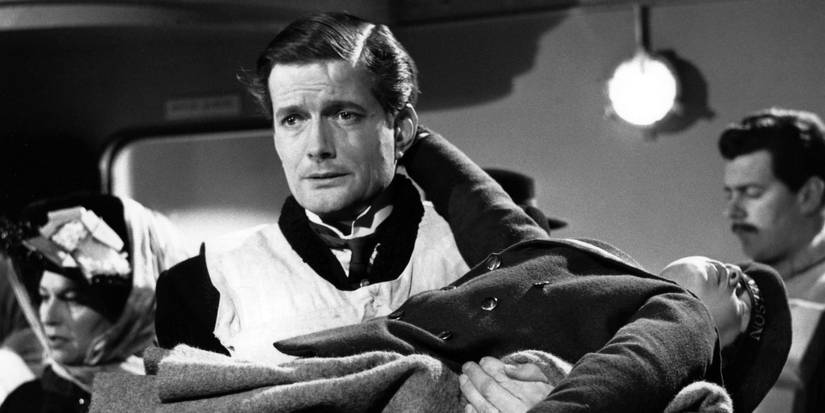
A Night to Remember is beautiful. It is one of the purest examples of disaster cinema understanding that the real scale of catastrophe is human behavior under collapse. Titanic has been retold so many times and so extravagantly that people can forget how shattering A Night to Remember still is. It does not need modern spectacle to devastate you. It has precision, sobriety, and a horrifyingly calm sense of process. You feel the ship’s size, yes, but even more you feel the terrible sequence by which denial becomes recognition, recognition becomes logistics, and logistics become mass death.
What makes it so great is its refusal to reduce the sinking to one sentimental corridor. Officers, crew, passengers, class divisions, stoic mistakes, cowardice, discipline, noise, silence, freezing water, all of it is allowed to coexist. The film understands disaster as systems failure and as human revelation. Some people become admirable. Some become pathetic. Most become frighteningly ordinary under extraordinary pressure, which is exactly right. And because the film never overplays its hand, every lifeboat, every delay, every missed chance lands harder. It is one of the greatest disaster movies ever made, period.

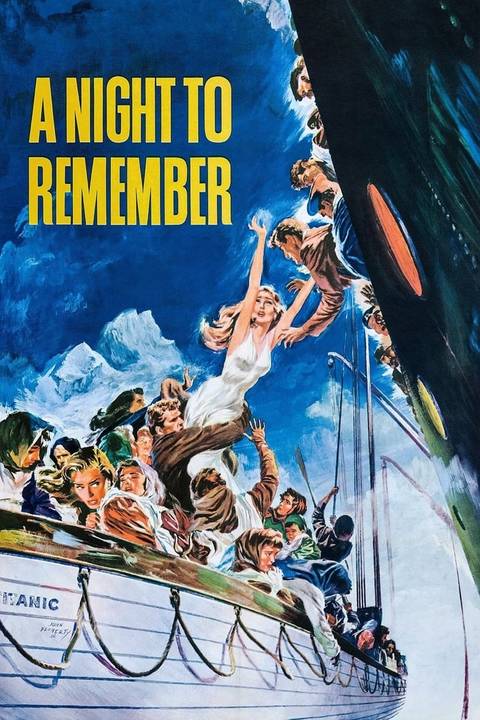
A Night to Remember
- Release Date
-
July 3, 1958
- Runtime
-
123 minutes
- Director
-
Roy Ward Baker
- Writers
-
Eric Ambler
-

Kenneth More
Second Officer Charles Herbert Lightoller
-
-
Robert Ayres
Maj. Arthur Peuchen
-
Honor Blackman
Mrs. Liz Lucas

You must be logged in to post a comment Login