Entertainment
10 Gangster Movies With Absolutely No Flaws

Gangster movies have long been one of cinema’s most alluring and intriguing subgenres. Some immerse themselves in the callous grit of gangland brutality while others flaunt an enrapturing sense of style that illustrates the luxury, glamour, and status that comes with a life of organized crime, but all the greatest and most perfect gangster movies are anchored by their thematic interest in issues of morality, violence, power, and opportunity.
Here, we have Hollywood classics that use the ambition and intensity of crime cinema to present barbed visions of the volatility of the American dream and international masterpieces that revel in an arresting sense of grounded and visceral realism. These gangster movies are genuinely perfect from start to finish. In addition to being defining triumphs of the genre, many of these pictures have also come to be accepted among the greatest and most iconic movies ever made.
‘Once Upon a Time in America’ (1984)

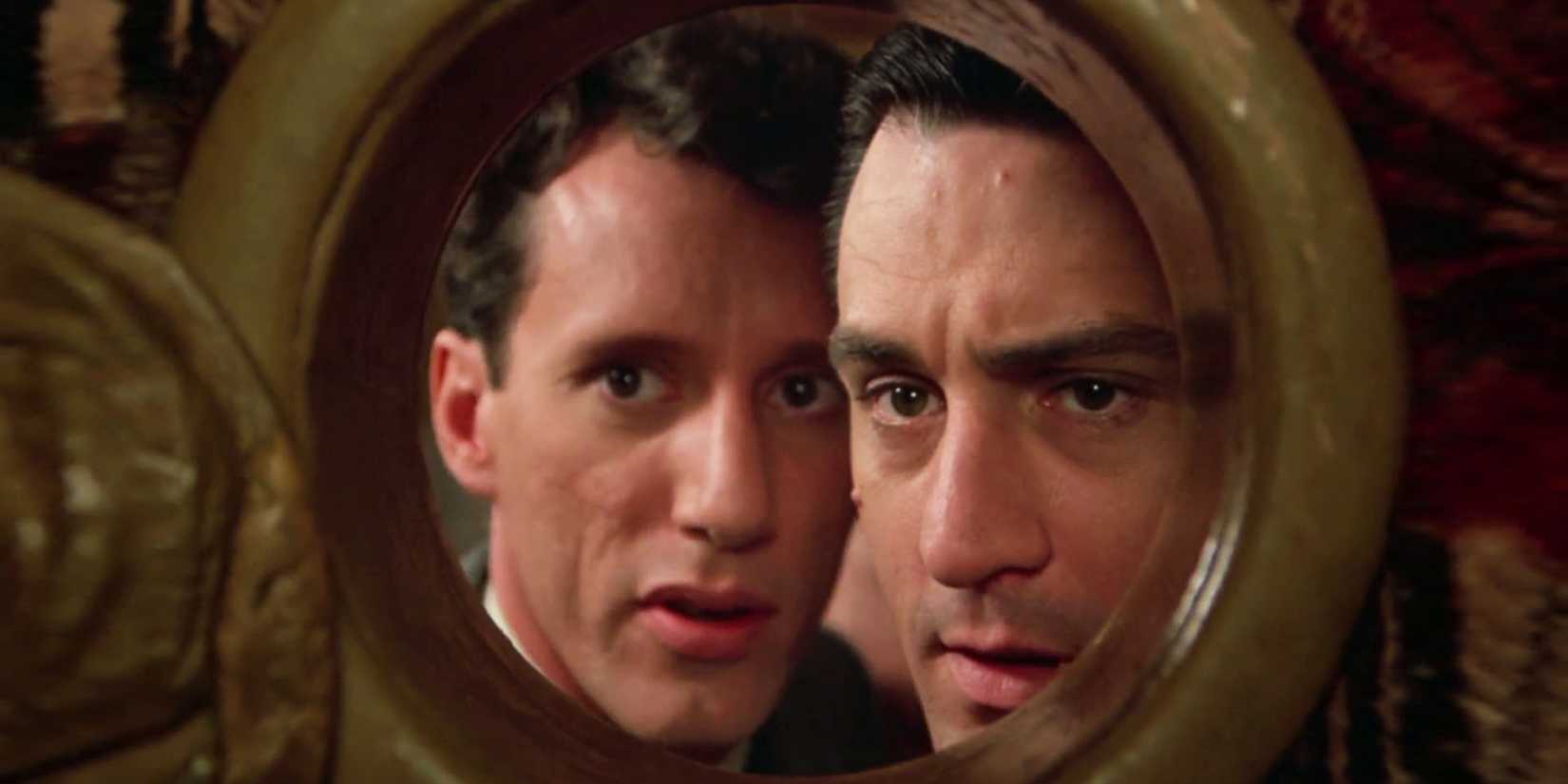
An epic with a runtime of almost four hours, Once Upon a Time in America is the ultimate parable of the misrepresentation of the American dream. Unfolding with a non-linear plot, it follows a group of Jewish gangsters from their humble beginnings as ambitious youths in a New York ghetto to their prominent standing in the city’s underworld, and even to an old age of paranoia, betrayal, nostalgia, and remorse.
Under Sergio Leone’s astute direction, the film captures distinctly different tones with each of its timelines. Further complemented by Ennio Morricone’s masterful score, Tonino Delli Colli’s gorgeous and evocative cinematography, and a cohort of incredible performances, Once Upon a Time in America has overcome several complexities in its initial release. It is now regarded as one of the greatest crime epics of all time and a unique, emotional descent into a life of lawlessness.
‘The Departed’ (2006)
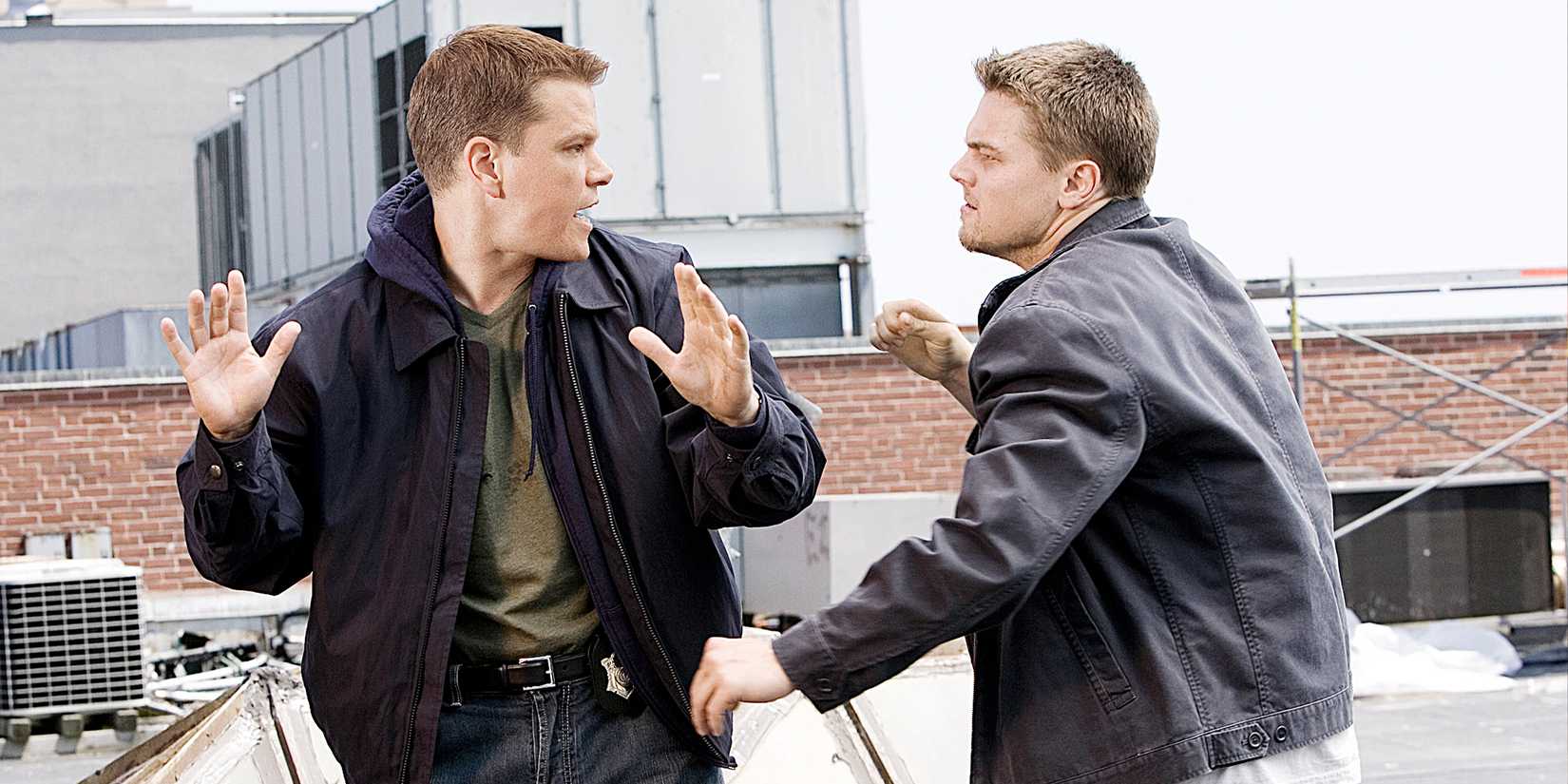
Few directors are as celebrated for their contributions to any genre of cinema as Martin Scorsese. One of his most defining triumphs, and the picture that saw him finally win an Academy Award for Best Director, is 2006’s gritty thriller, The Departed, which follows a tense cat-and-mouse game between a mole in the Boston Police Department and an undercover cop in an organized crime syndicate.
The Departed stands among the greatest crime movies Hollywood has produced in recent decades. The Oscar-winning gem is defined by the hard-edged grit Scorsese imbues all his crime pictures with, a magnetic sense of propulsive storytelling and editing, and a litany of astounding performances from the ensemble cast. Its relentless high-stakes suspense presents a raw vision of morality, duplicity, and desperation that makes for one of the defining feats of 21st-century cinema thus far.
‘Angels with Dirty Faces’ (1938)

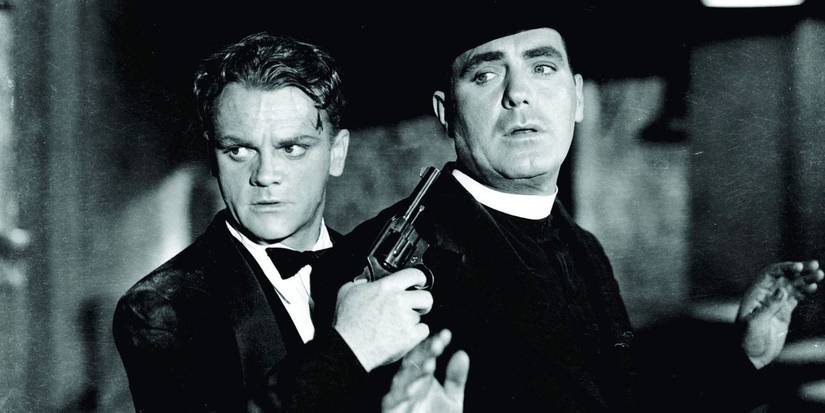
The gangster movies of Old Hollywood may not have had the license to be as graphic as their modern counterparts, but the era still produced many timeless hits, including 1938’s Angels with Dirty Faces. This powerful story of morality, influence, and redemption centers on Father Connolly’s (Pat O’Brien) efforts to guide a group of impressionable youths away from the allure of Rocky Sullivan (James Cagney), a notorious gangster who was once his childhood friend.
Between the two men, the film explores life trajectories with piercing poignancy, illustrating how their lives turned out so drastically. It acknowledges the allure of crime as a pathway to luxury, status, and power, while highlighting Connolly’s complex internal angst through his sorrow for Rocky and his aspiration to steer the boys away from sharing his fate. Anchored by one of the greatest endings in cinematic history, Angels with Dirty Faces is a timeless masterpiece of crime cinema and an underappreciated pioneer of gangster movie tropes that remain in use to this day.
‘Miller’s Crossing’ (1990)
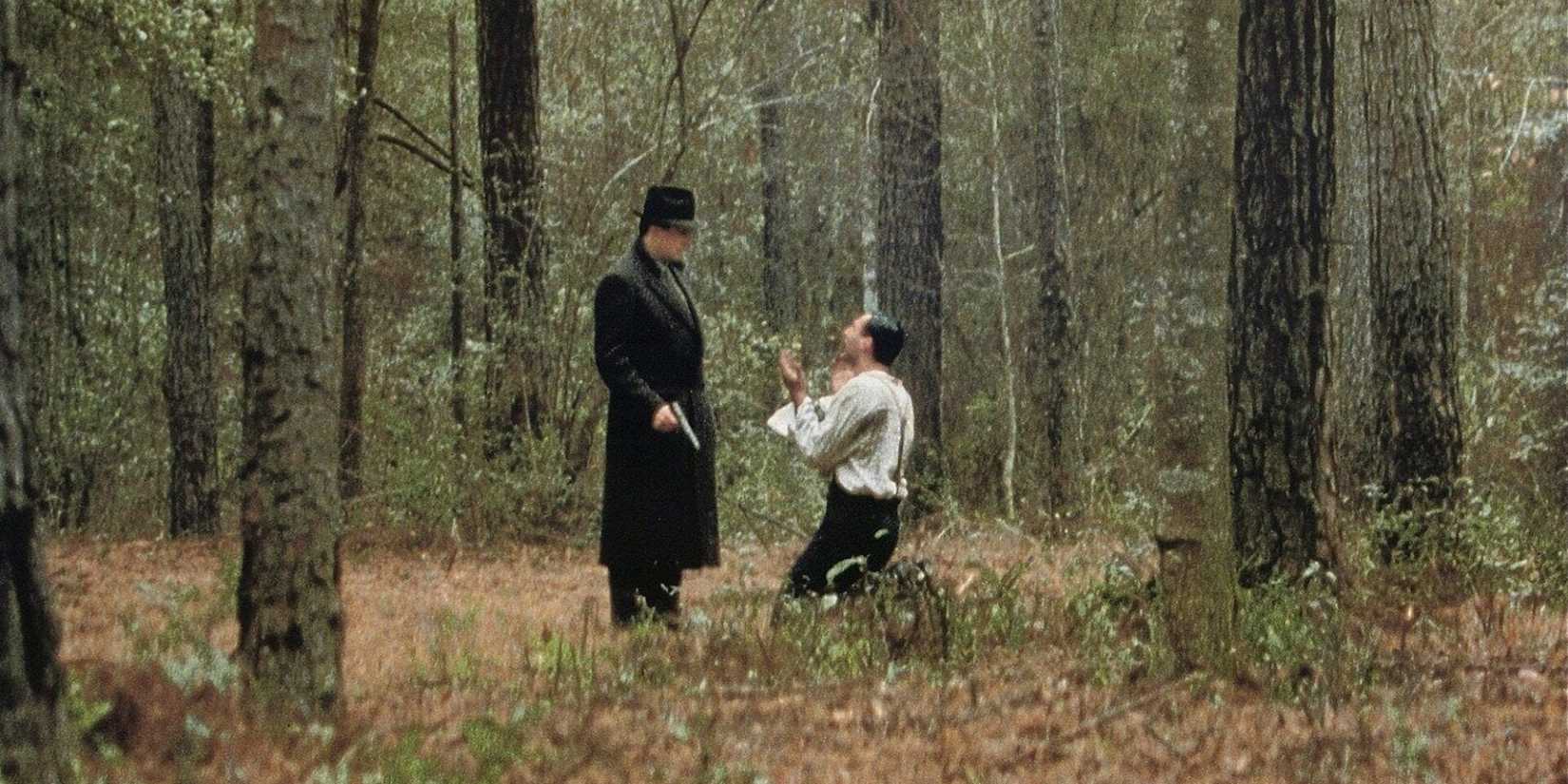
An underrated gem in the stunning filmography of the Coen Brothers, Miller’s Crossing sees the filmmakers implement their trademark blend of cynical wit, offbeat style, and intense character-focused tension in gangster cinema. Functioning as a bleak character study, it follows icy mob strategist Tom Reagan (Gabriel Byrne) as he navigates an escalating gang war amid Prohibition-era America while adhering to his interplay of personal principle, survival, and shrouded loyalty.
What it lacks in the scope of other, more epic crime films, it more than makes up for with its concentrated, intimate focus on Reagan’s shifting circumstances. Only strengthened by its poetic and biting dialogue, gorgeous noir visuals, and Carter Burwell’s deftly melancholic score, Miller’s Crossing is an engrossing subversion of traditional gangster drama. This emotionally compelling plunge into a jaded protagonist’s peril remains in focus even as the labyrinthian nature of the growing conflict intensifies.
‘Animal Kingdom’ (2010)

Gritty, realistic, and raw, Animal Kingdom cuts down any semblance of romanticism and glory that can surround crime cinema. Here, director David Michôd emphasizes a pervasive air of dread through the story of a crime family’s self-inflicted downfall. Following the death of his mother, teenager Joshua (James Frecheville) is taken in by his uncles and grandmother and exposed to their life of criminal ambition and brutality. Torn between mounting pressure from his besieged family and the offering of help from a cop, Josh struggles to navigate a volatile and escalating situation.
Inspired by the actions of the Pettingill crime family in Melbourne, Animal Kingdom is fundamentally an exercise in ferocious authenticity. However, Michôd imbues it with complexity and Greek tragedy to conjure a powerful sense of resonance through its meditations on morality, ambition, and violence. Aided by a plethora of visceral, note-perfect performances and a razor-sharp screenplay, it represents the very best of modern Australian cinema and stands among the finest crime movies of the 21st century.
‘White Heat’ (1949)

Another gem from Hollywood’s golden era to thrive off the back of a lead performance from James Cagney, White Heat is a landmark gangster movie from a time when the genre had lost its punch following the introduction of the Hays Code. Instead of delivering a spectacle of grim violence or complex morality, it excels as a heart-racing descent into the unstable psychology of Cody Jarrett, a maniacal criminal who breaks out of jail and rallies his crew to carry out a heist.
The erratic volatility of Cagney’s Jarrett, who oscillates violently between his disturbing penchant for violence and equally disturbing adoration of his mother, imbues the film with an unyielding, ferocious intensity. Complimented by one of the most iconic climaxes in gangster cinema, White Heat stands tall to this day as a harrowing deep-dive into criminal psychosis that grapples with the unpredictable terror and white-knuckle tension of gangland amorality.
‘Pulp Fiction’ (1994)

It is a treacherous path to make a gangster movie feel cool, slick, and stylish without also wrestling with the unbearable psychological duress of a life in organized crime, but if a movie is to take that approach, it doesn’t hurt to be imbued with the panache and punch of Pulp Fiction. A sprawling, non-linear epic that contains everything from atmospheric suspense to hysterical comedy, it follows the intersecting lives of several people involved in L.A.’s criminal underworld.
A defining smash hit of ’90s cinema, it soars off the back of Quentin Tarantino’s intoxicating trademark style, a medley of wit, pop-culture references, and razor-sharp storytelling prowess that enthralls from its opening shot to its final moments. Its litany of iconic scenes, lines, and characters is testament enough to its greatness as a cinematic masterpiece. Moreover, its brilliance as a gangster thriller resides in its subversive boldness, tonal control, glorious unpredictability, and underappreciated analysis of morality in the criminal underworld.
‘City of God’ (2002)

Few movies of any genre are as fiercely impressionable and savagely confronting as City of God. The plot presents a harrowing descent into crime in Rio de Janeiro through the eyes of two childhood friends who take drastically different paths as they reach adolescence. A loose adaptation of Paulo Lins’s semi-autobiographical novel, it unfolds as Rocket (Alexandre Rodrigues) struggles to pursue his dream of becoming a professional photographer and escaping the crime-riddled favela while Li’l Zé (Leandro Firmino) becomes a local crime lord who rules through sadism, brutality, and fear.
Defined by its grim realism, City of God is an unflinching depiction of Brazilian crime that scars viewers with its conviction and ruthlessly confronting violence. It presents the ugly savagery of favela gangs, even going so far as to illustrate how children are both complicit in and victims of the violent cycle of power and evil. A quintessential crime masterpiece, City of God strips gangster cinema of its lavish allure with its exploration of systemic, inescapable poverty.
‘The Godfather’ (1972) & ‘The Godfather Part II’ (1974)
Both The Godfather and The Godfather Part II stand at the pinnacle of cinematic brilliance in their own right. Both films have endured for over 50 years as absorbing stories of morality, corruption, and power bolstered by stunning filmmaking craft, thematically rich drama, and a litany of unforgettable performances. The 1972 original follows a difficult transition of power within the Corleone crime family, while the sequel explores Michael’s (Al Pacino) ambition to expand his empire as well as a young Vito’s (Robert De Niro) rise up the ranks of organized crime in early 20th-century New York.
Whereas many previous gangster movies flaunted an air of anti-hero pulpiness, The Godfather saw Francis Ford Coppola reinvent the genre as a platform for epic tragedy that explores the allure and toxicity of the American dream through organized crime. The two movies present over six hours of faultless cinematic mastery, with every single discipline of filmmaking, from Gordon Willis’s shadowy cinematography to Nino Rota’s iconic score, executed with majesty, precision, and timeless impact.
‘Goodfellas’ (1990)

“As far back as I can remember, I always wanted to be a gangster.” The opening narration of Goodfellas is a perfect illustration of the picture that follows, an enrapturing exploration of life in the mafia that captures both the allure of organized crime and the terrifying paranoia that comes with it. Revered as being Martin Scorsese’s defining masterpiece, the biographical drama follows Henry Hill (Ray Liotta) as he rises from his impoverished upbringing to become a major player in his neighborhood’s crime branch. However, the life he always dreamed of achieving fast becomes a waking nightmare.
Here, we have kinetic narrative pacing, Thelma Schoonmaker’s outstanding editing, a brilliant soundtrack, and stunning camerawork that includes one of the greatest long takes the medium has ever seen. Goodfellas uses every tool at its disposal to immerse viewers in Hill’s tumultuous rise and fall as a gangster. It exudes style and flamboyance without ever sacrificing striking realism, a feat that makes it not only one of the greatest crime movies of all time, but one of the finest achievements in cinematic history as well.
You must be logged in to post a comment Login