Entertainment
10 Greatest 2000s One-Hit Wonders

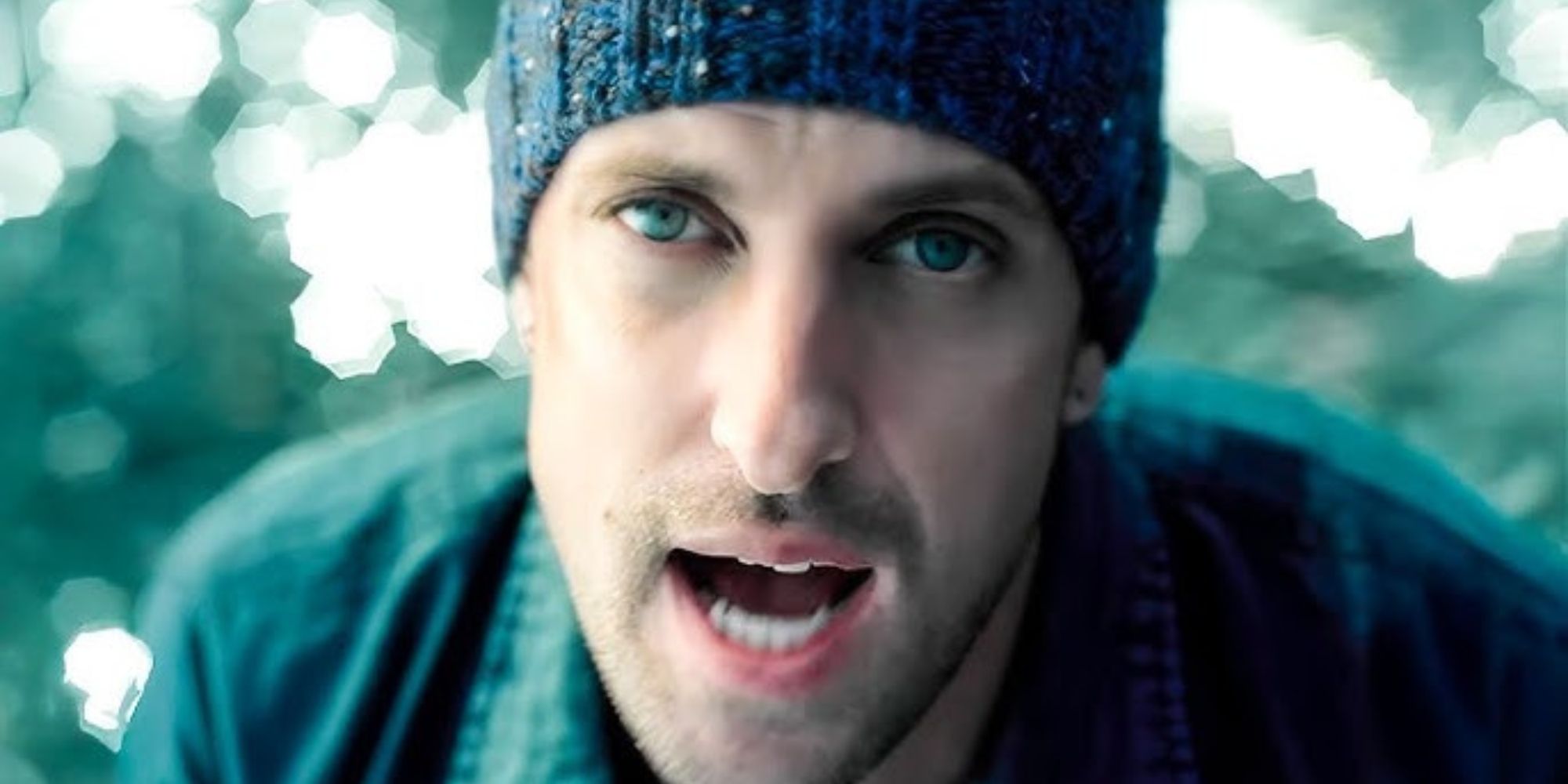

The start of the 21st century saw quite a distinct shift in music. The lingering effects of the ’90s were still felt. The shockwaves in alt-rock and pop music paved the way for new styles to find success. While massive pop hits dominated the airwaves, so did the explosive rise of mainstream hip-hop and R&B. Alt-rock remained, but rock subgenres like pop-punk and emo slowly took over. And then there was Eurodance music, which shifted to fast, pulsating Auto-Tune club beats. For every Eminem, Britney Spears, or Green Day who dominated the 2000s, there was a one-hit wonder whose track outlasted the artist. You may not remember their name, but you certainly can sing the song.
In the age when TRL was appointment after-school television, the obsession with music videos and Top 40 hits shaped the music scene. The ’00s had a bevy of one-hit wonders across all genres. The artists dropped a hit that stuck with us, but why didn’t they? We’re about to celebrate 10 of the greatest one-hit wonders from the aughts. From hip-hop tracks that were highly inappropriate for a younger demographic to rock songs that became our anthems, these tracks were not only downloaded on Napster but also had a significant impact on pop culture. Some of these artists’ music videos have been on Youtube since the website launched, and some emerged years after, with the views jumping to great heights because we love nostalgia. Though it’s likely some of your favorites may not have made the cut, they remain in our brains.
10
“I Wann Be Bad” by Willa Ford (2001)
There were quite a few blonde bombshells in the pop music scene: Britney Spears, Christina Aguilera, Jessica Simpson, Mandy Moore. For the most part, they were wholesome until they weren’t any longer. But one blond bombshell entered the TRL era claiming she was a bad girl from day one. That girl was Willa Ford. In the pop-dance track, the rebellious anthem was all about embracing your wild side and breaking the rules. Ford also added another layer with rapper Royce da 5’9″, bringing an extra layer of swagger and edge. It’s a trend that the early aughts did quite often. In a time when the aforementioned divas were still bringing sugary, sweet, Ford was quickly rejected from delivering more. Which is comical as Spears and Aguilera went “I’m a Slave 4 U” and “Dirrrty” shortly after. But they earned it. Ford came out swinging.
Now, another layer into why “I Wanna Be Bad” became a one-hit wonder was because of the world around. Timing was everything, as her second single, “Did Ya Understand That,” was scheduled for release on September 11, 2001. The world stood still, radios froze, and her single just didn’t have the ability to chart. Further, her record company suffered executive turnover, leaving her stranded in “no man’s land.” It’s ironic that her album was called Willa Was Here because, for some, it served as a reminder that in the oversaturated pop scene, she existed. Post-“I Wanna Be Bad,” Ford had some film and television appearances, including the third season of Dancing with the Stars. She and her partner, Maksim Chmerkovskiy, were eliminated in the fifth week of the competition. Just this year, she released a digital album called Amanda, which included a string orchestral version of her one-hit wonder.
9
“Ocean Avenue” by Yellowcard (2003)
Emo pop-rock was all the rage at the turn of the century. Many alternative rock bands sought out mainstream crossover appeal because it often led to a road of success. For Yellowcard, it seemed they were on that path with the mammoth hit, “Ocean Avenue.” The nostalgic, coming-of-age pop-punk anthem told the story of a youthful romance and a longing to escape your hometown. With that theme, the track resonated by hitting the charts around the world. It may have been a song rooted in Jacksonville, Florida, but it had universal appeal. While the song became a massive mainstream anthem, the band never found that same allure again.
Yellowcard was locked into the mainstream after “Ocean Avenue.” It helped usher in the rise of pop-punk. It resonated well beyond its debut, earning itself a slot on many lists years later, including Greatest Choruses and Best Emo Songs, but Yellowcard was stuck in the past. Though the band found their niche and earned a devoted fan base, Yellowcard never found their way back into the mainstream. While “Only One” did bubble under the Hot 100, no song found the same allure as “Ocean Avenue.”
8
“Tipsy” by J-Kwon (2004)
We should all be grateful that J-Kwon‘s “Tipsy” predated Kidz Bop, because the infectious track would easily have made its way onto an album in retooled form. The truth, though, every kid and their mother was screaming out, “Everybody in the b— gettin’ tipsy.” The celebratory party anthem captured attention with its catchy counting hook, defining a generation of club culture. As the lead single from J-Kwon’s debut album, “Tipsy” was a minimalist, club-shaking hit. Though the track did lead off with, “Teen drinking is very bad,” “Tipsy” literally promoted underage drinking and clubbing. But that didn’t stop anyone from playing the track as it peaked at No. 2 on the Billboard Hot 100. Written when J-Kwon was just 17, the song served as an ode to sneaking into venues in St. Louis, blowing off steam, and getting buzzed.
The song was simply inescapable. If you listened to rap and R&B radio, you’d hear it. Top 40, it was played. It was an instant earworm that remained the communal drinking track until LMFAO and Lil Jon took over with “Shots” in 2009. Because “Tipsy” became J-Kwon’s defining track, industry executives and fans tied him to the party sound. But as hip-hop trends shifted away from the St. Louis sounds of the early 2000s, J-Kwon was never able to regain the same glory, fading into relative musical obscurity. The song has since reemerged in the pop culture lexicon after country singer Shaboozey sampled it on his track “A Bar Song (Tipsy).” Now, an entirely new generation and genre sang out, “everybody in the bar gettin’ tipsy.”
7
“Butterfly” by Crazy Town (2000)
If there was ever a band that was meant to bridge the gap from the ’90s to the ’00s it was Crazy Town. They were a rap-rock band that made their impact on the decade with their one-hit wonder, “Butterfly.” A cool, smooth, laid-back rock song with rap layered in, “Butterfly” was meant as a romantic ode to frontman Shifty Shellshock’s girlfriend. Sampling the instrumental from “Pretty Little Ditty” by Red Hot Chili Peppers, the relaxed, acoustic vibe with the hip-hop beat was exactly what music-lovers needed. “Butterfly” was a feel-good, guilty-pleasure track that distinctly brought carefree energy to the airwaves. But the song’s success was aided by its iconic music video. “Butterfly” found immense airplay on MTV because of its fantastical, CGI-heavy forest full of actual butterflies.
From Australia to Poland, with Italy in between, “Butterfly” charted in nearly two dozen countries. The song reached No. 1 on the Billboard Hot 100, but that came with a caveat. Because the song was so mainstream, it ended up alienating their core heavy metal audience. By locking into the pop realm, they struggled to ever shed that appeal. Though “Butterfly” wasn’t the first single from the band, their earlier singles failed to chart even after the success of “Butterfly.” Their sophomore album, “Darkhorse” flopped commercially, leading to the band to break up in 2003. The song has remained at the forefront of iconic one-hit wonders.
6
“Teenage Dirtbag” by Wheatus (2000)
Even outsiders needed an anthem, and that came from Wheatus‘ “Teenage Dirtbag.” The lead single from the band’s self-titled debut album, “Teenage Dirtbag,” told the tale of unrequited high school romance and teenage alienation. Though the song, written by frontman Brendan B. Brown, was inspired by a gruesome teen murder near his Long Island home in the ’80s. That murder set off a media frenzy and local “Satanic Panic.” Brown made the song an homage to those outsiders who loved AC/DC and Iron Maiden. The song itself is a peppy blend of alternative rock angst and power-pop hooks, which gave it wide appeal. It did have a specific sound, including Brown’s iconic falsetto that many listeners believed was that of a female vocalist.
“Teenage Dirtbag” had massive international success, charting at No. 1 in Australia, Austria, and Belgium. Surprisingly, “Teenage Dirtbag” never officially charted on the US Billboard Hot 100. But that didn’t stop it from becoming massively popular. The song was even featured on soundtracks including the 2000 teen comedy Loser, starring Jason Biggs and Mena Suvari. Unfortunately, Wheatus never found the same broad commercial traction as their subsequent singles. The song found a resurgence on TikTok when users and celebrities alike shared throwback photos and childhood memories to the song.
5
“I Believe in a Thing Called Love” by the Darkness (2003)
It may have been 2003, but the English rock band the Darkness brought music lovers back to the ’80s with their glam-rock anthem “I Believe in the Thing Called Love.” A retro throwback reminiscent of Freddie Mercury and Queen, the one-hit wonder was a celebration of romantic optimism and passion. But the truth is, it was deliberately intended to be the “stupidest song ever.” The song is an homage to classic rock. It’s gloriously over-the-top, proven in its exceptionally bizarre music video. Yes, the band was giving glam rock in space. The song is best known for Justin Hawkins‘ soaring, glass-shattering vocals and face-melting guitar riffs. Did you understand anything that came out of Hawkins’ mouth when he reached the tippy-top notes? No, but that was the allure of its idiocy.
The Darkness found massive global crossover success. Their stylistic mismatch with the 2000s became a roadblock. The band’s unapologetic ’70s glam and ’80s hair-metal revivalism clashed with the post-grunge and garage-rock trends on the airwaves. Despite its popularity, it never cracked the Billboard Hot 100 in the States, though in their homeland, No. 1 was their destiny, where they also scored multiple top-10 hits from their debut album. “I Believe in a Thing Called Love” swiftly became a karaoke go-to. The song may have been a one-hit wonder, but it certainly had longevity in pop culture. The song was featured on music video games including Karaoke Revolution and Guitar Hero. It even made it onto the soundtracks of Bridget Jones: The Edge of Reason and The Fall Guy. The band has kept on rocking, with Hawkins even appearing on the UK version of The Masked Singer.
4
“My Neck, My Back (Lick It)” by Khia (2002)
If there is one song that became a pop culture touchstone because of its unapologetically explicit lyrics and empowering declaration of female sexual desire, it’s “My Neck, My Back (Lick It)” by Khia. The lead single from her debut album, Thug Misses, was the edited version of the song that reached mainstream radio, peaking on the US Billboard Hot 100. The song flips traditional power dynamics by giving Khia a demand for physical satisfaction, encouraging other women to do the same. In the process, it challenged the male-dominated rap culture. Though it was an important song for its sociological mission, it was nearly impossible to truly give Khia the success she needed for longevity, as the widespread radio rotation was nearly impossible without major censorship. Did it dilute the song? Incredibly.
To make matters worse, Khia was caught in label disputes while also becoming a controversial persona. She transitioned into a polarizing figure in the music industry, using her platform to focus on outspoken beefs and social commentary. Nevertheless, the track transcended its underground roots to become a cult classic. It’s been interpolated by Saweetie in her 2017 hit “ICY GRL.” Miley Cyrus performed a cover of it in 2015 at Adult Swim’s upfront party. And then there was a country-style cover from Elle King. Oh, and whenever other labels and artists tried to use the sample in their songs, Khia kept the song in the news cycle during copyright disputes.
3
“Who Let the Dogs Out” by Baha Men (2000)
In the ’90s, the most shocking yet addictive one-hit wonder with an awful meaning was “The Macarena.” Only a few years later, the Baha Men swooped in and took over with the highly addictive earworm, “Who Let the Dogs Out.” The sole hit single from the Bahamian Junkanoo band, the song, originally written by Trinidadian musician Anslem Douglas, was originally intended as a man-bashing anthem. In the lyrics, men at a party catcall women, prompting them to respond by calling the men dogs and demanding to know who let the dogs out. Though over time, it’s been believed that the song is about men calling women dogs. Nevertheless, the song rose to prominence thanks to its appearance in Rugrats in Paris: The Movie. It’s why kids started barking all the time.
The song became a global chart-topper, going number 1 in Australia and New Zealand. The Baha Men’s entire identity was locked into the novelty track. Because of that, their subsequent releases failed to find the same massive commercial lightning in a bottle. “Who Let the Dogs Out” was simply irresistible. The barking and chanting served as an inescapable earworm, finding its place in the professional sports world. The cultural phenomenon lasted long beyond its initial release. It appeared in films like Rat Race and Bubble Boy. It continues to be dropped into meme culture and internet humor. And, like anything successful, it faced legal complications, which were documented in the 2019 SXSW documentary Who Let the Dogs Out. Still today, we want to know the answer to the titular question.
2
“Hit ‘Em Up Style (Oops!)” by Blu Cantrell (2001)
Thanks to Blu Cantrell, we all wished to shop at Neiman Marcus, though the music video clearly stated it was Neircus Marman. The sassy R&B revenge anthem “Hit ‘Em Style (Oops!)” A fiercely independent, boss track, “Hit ‘Em Up Style (Oops!)” follows Cantrell as she discovers a partner’s infidelity and retaliates by draining his bank accounts, maxing out his credit cards, and selling his property as payback. The fun feel flips the classic heartbreak narrative into an empowering, upbeat revenge fantasy. The rhythmic, head-nodding anthem gave way to an instant guilty-pleasure tune. The track cleverly sampled a snippet of Frank Sinatra‘s “The Boys’ Night Out,” instantly adding a hint of nostalgia. The single’s massive success was driven by its uniquely catchy fusion of classic jazz and modern R&B. That jazzy R&B helped establish Alicia Keys as a megastar. It didn’t happen for Cantrell.
Cantrell found instant success as the song peaked at No. 2 on the Billboard Hot 100. Unfortunately, it was the only massive track in her repertoire as “Breathe” featuring Sean Paul didn’t find the same appeal stateside. That said, Cantrell’s track remains a feminist anthem, even as a time-capsule song. Cantrell fell into a bit of music obscurity, though she did try reality in the complete celebrity-centric flop on NBC, Celebrity Circus. The song has been covered and mashed up, including by dancehall artist Shenseea. Cantrell was invited to appear in the “Boss Up” music video, but she passed.
1
“Bad Day” by Daniel Powter (2005)
Sometimes we turn to music to lift ourselves up when we’ve had a tough time. Then Daniel Powter arrived with “Bad Day,” and a song personified it all. What began as a commercial song for Coca-Cola turned into an overnight hit for the Canadian singer-songwriter. Before it was used as a mockery and as an exit song for a reality song, “Bad Day” was meant as a triumphant lift-up track. The song’s lyrics discuss the universal experience of having a rough, discouraging day and pushing through it. The musical equivalent of that hokey poster you saw taped on the classroom wall, “Bad Day” was meant to remind the listeners that this too shall pass. Rather than being a sad ballad, Powter presented the song with a sunny, upbeat melody. Powter didn’t have a bad day when the song reached No. 1 on the Billboard Hot 100 in 2006, spending five weeks in the top spot. As for his subsequent singles, they had bad days, as none reached such chart heights.
Perhaps the most prevalent appearance of the track was during American Idol as the elimination send-off song. What was meant to be a comforting, albeit slightly melancholic, pick-me-up track in the moment became laughable over time. It would soon be used as a parody via viral videos to evoke sucky situations through musical underscoring. Powter has openly shared how the overnight fame affected his mental health, pushing him into substance abuse to cope with the sudden spotlight. Powter made waves when he auditioned for Canada’s Got Talent with “Bad Day.” In his audition, judge Howie Mandel mentioned the risk of singing an original song, only to eventually put two and two together. They let him through to the next day, so not such a bad day!
You must be logged in to post a comment Login