Entertainment
10 Greatest Fantasy Books of the Last 25 Years, Ranked

Fantasy can be one of the most satisfying genres when handled well, but it’s very tricky to get right. Most modern writers simply retread old ground or serve up the same tired tropes — magic systems, faraway realms, politics, and maybe a dragon here and there. However, a few go further, finding something new and bold to say about this beloved genre.
These acclaimed and daring books are the focus of this list. The titles below span a range of styles and tones, from lyrical coming-of-age stories to sprawling epics, but they are all bursting at the seams with imagination. The best fantasy books of the last quarter-century are layered, entertaining, and psychologically rich, proving that fantasy is still thriving today.
10
‘The Fifth Season’ (2015)

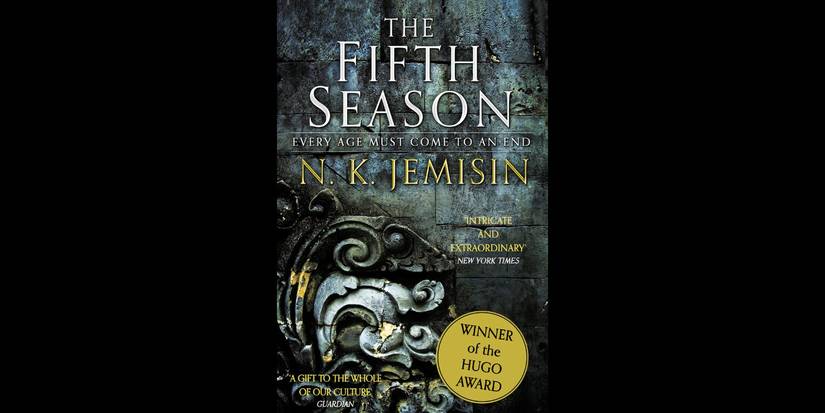
“Let’s start with the end of the world, why don’t we?” Set in a world plagued by catastrophic geological events, The Fifth Season follows multiple characters whose lives intersect in unexpected ways, particularly those with the ability to control seismic activity. Three seemingly separate narratives slowly converge, forcing the reader into an active role, piecing together timelines, identities, and connections.
The world-building is rich and creative throughout. Rather than being comforting or escapist, the setting here is harsh and geologically violent, constantly on the brink of collapse. A small number of individuals are able to shape the land’s roiling energy, but the rest of the society fears them and seeks to keep them under control. This “orogeny” doubles as both a magic system and a social metaphor, one that N.K. Jemisin explores in-depth.
9
‘The Crippled God’ (2011)
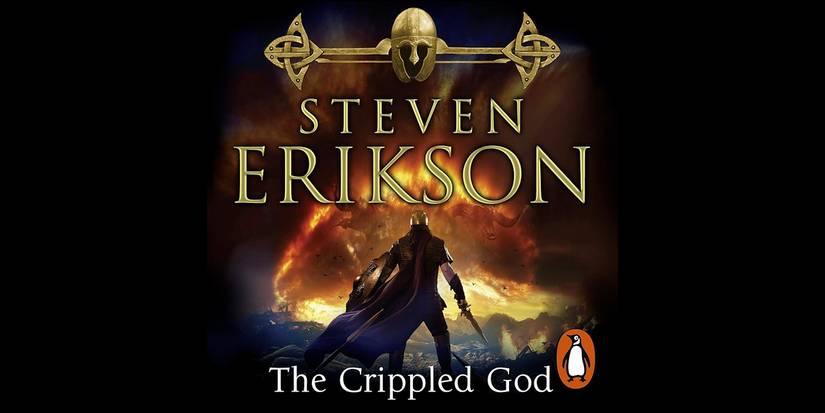
“We humans do not understand compassion.” The Malazan Book of the Fallen series is the definition of epic fantasy, consisting of ten volumes totaling more than 11, 000 pages and a story that spans not centuries, but millennia. The Crippled God is the final book in the main series, bringing together countless storylines, characters, and themes.
After a decade-plus of tales about gods, soldiers, ascendants, and empires, this book lands with a surprising clarity, focusing more on ideas than on action and grand battles (although there certainly are battle scenes). Moments that might once have been cryptic are allowed to breathe, giving emotional beats more room to land. The main characters aren’t heroic archetypes but worn-down individuals choosing, again and again, to stand together. All in all, it’s a confident, graceful end to an impressive saga.
8
‘Children of Blood and Bone’ (2018)

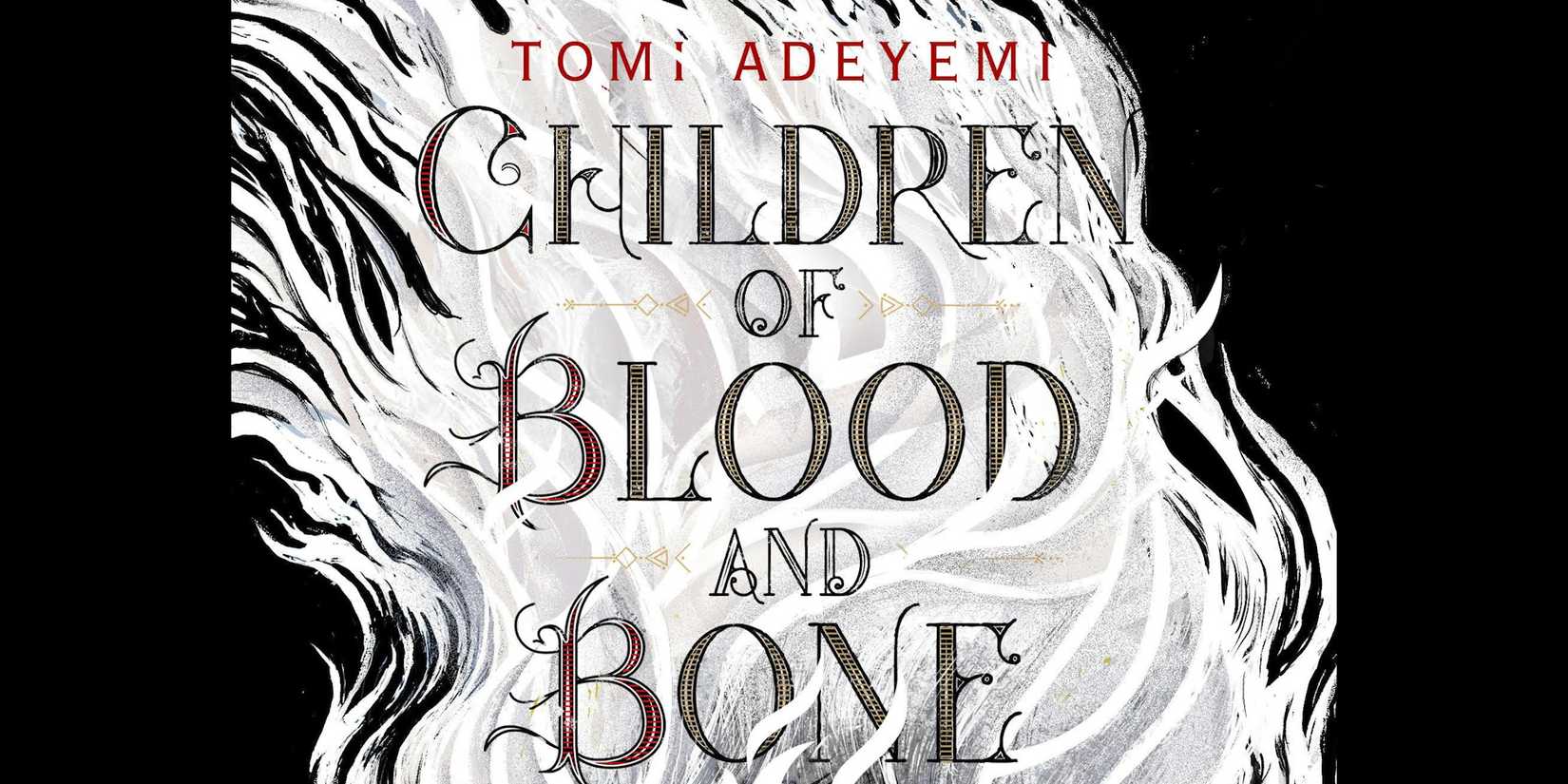
“All instruments of vengeance and virtue.” This one is currently being adapted for the screen, with the movie set for release in January 2027. Children of Blood and Bone takes place in the kingdom of Orïsha, where magic has been violently stripped away, leaving its former practitioners oppressed and hunted. The young Zélie is determined to restore magic, joined by a reluctant prince and princess whose own loyalties begin to fracture.
Refreshingly, the land of Orïsha isn’t just a generic fantasy setting with new names pasted onto familiar tropes, but a place with its own spiritual logic and social tensions. It draws heavily from West African mythology, particularly Yoruba-inspired cosmology. Similarly, the persecution of magic users in the book mirrors real-world histories of discrimination, and Tomi Adeyemi writes these dynamics with clarity and conviction.
7
‘The Lies of Locke Lamora’ (2006)
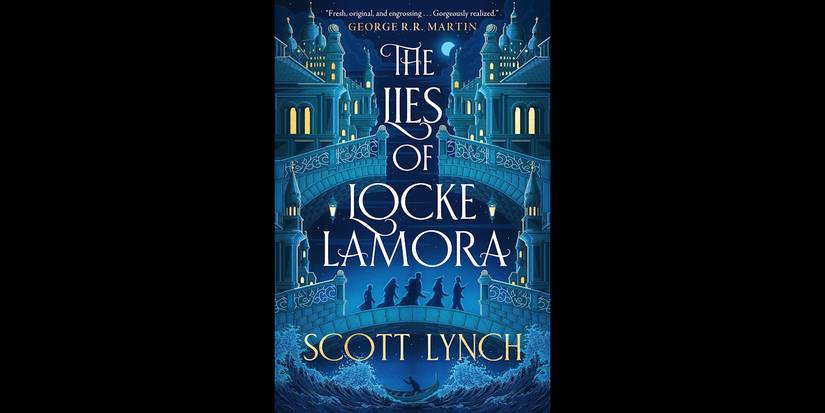
“Someday, Locke Lamora… someday, you’re going to f—k up so magnificently, so ambitiously, so overwhelmingly…” This colorful story fuses fantasy tropes with elements of mafia fiction, set in a world inspired by medieval Venice. The main character is an orphaned thief who pulls off daring heists from under the noses of the city’s corrupt elite. However, his activities eventually attract the attention of darker, more powerful forces.
The novel is energetic and entertaining, jam-packed with story, surprising plot developments, brutal bursts of violence, and endlessly funny dialogue. The main characters are layered, too, with real wounds and flaws alongside their quirks and talents. This is what elevates The Lies of Locke Lamora above a mere caper. When things go wrong (and they do, badly), the consequences hit harder because the relationships feel real.
6
‘A Dance with Dragons’ (2011)
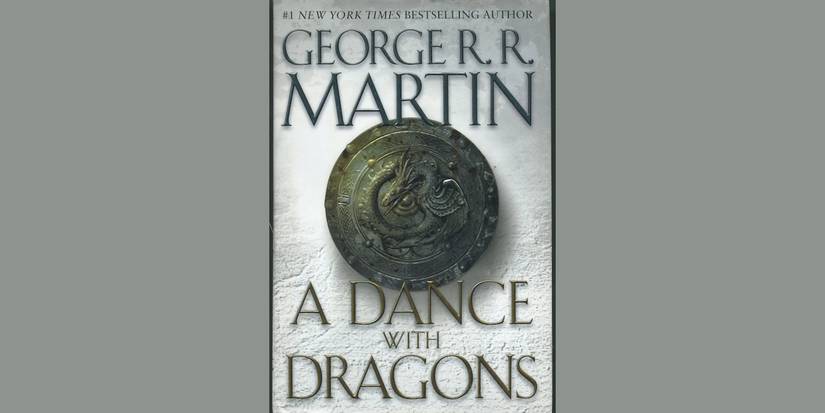
“A reader lives a thousand lives before he dies.” A Dance with Dragons is the most recent published installment in the main Song of Ice and Fire series (though also perhaps the final one, given that it’s been 15 years and The Winds of Winter still isn’t out). This book is a little messier than its predecessors, but also bold, intricate, and sweeping, bringing in new characters and taking us to fascinating new locales like Essos.
Thematically, a big focus here is on leadership under pressure. Daenerys, Jon Snow, and even Tyrion are placed in situations where there are no clean choices, only trade-offs. Daenerys’ rule in Meereen, for instance, becomes a slow, grinding lesson in the limits of idealism. Similarly, Jon’s command at the Wall is defined by difficult, often unpopular decisions that isolate him from those he leads.
5
‘Harry Potter and the Deathly Hallows’ (2007)
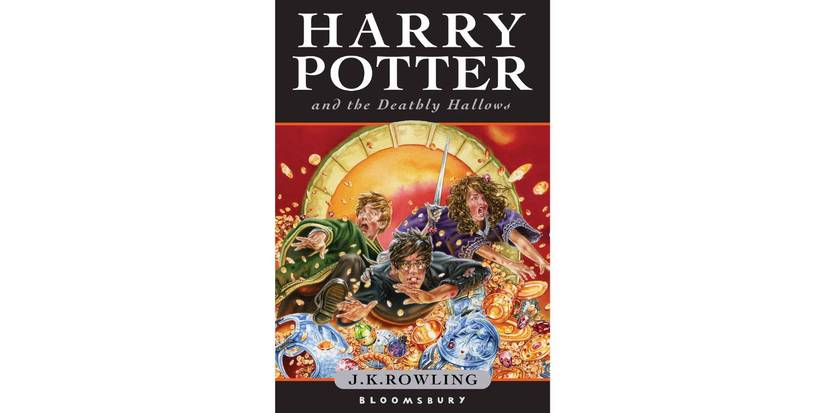
“I open at the close.” Harry Potter and the Deathly Hallows was the capstone to the greatest literary sensation (so far) of the 21st century. As Voldemort’s power reaches its peak, Harry, Ron, and Hermione leave Hogwarts behind to hunt for Horcruxes, and the tone of the story shifts into a darker, more introspective mode. It gets very philosophical, delving deep into themes of mortality and sacrifice.
Nevertheless, the action, adventure, and creativity remain as rich as ever. Throughout the book, we encounter dragons, unbeatable wands, fresh mysteries, unexpected allies, and surprising new layers to characters we thought we already understood. Severus Snape, in particular, is revealed to be a far more complex and tragic figure than he seemed. The losses matter, the victories feel earned. Sure, the pacing can be uneven, and certain plot devices arrive conveniently, but they don’t undermine the book’s core achievements.
4
‘Jonathan Strange & Mr Norrell’ (2004)
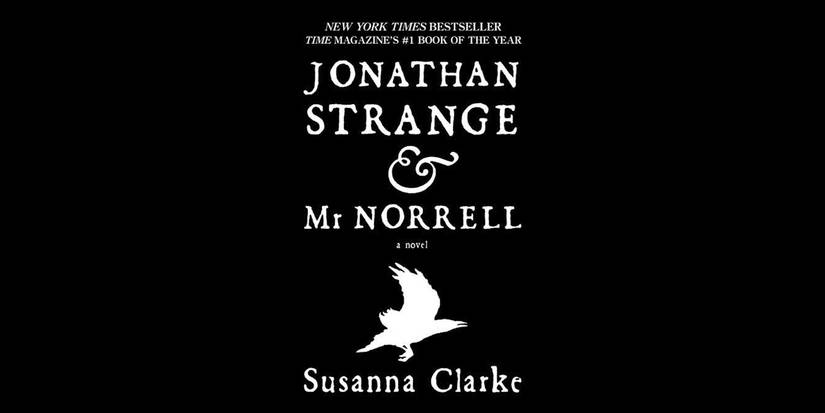
“Can a magician kill a man by magic?” Set in an alternate version of 19th-century England, Jonathan Strange and Mr Norrell follows two magicians — one cautious and conservative, the other bold and unpredictable — as they attempt to restore magic to the country. In the process, they contend with war, faeries, dark sorcerers from the past, and, of course, politics. Their relationship, a kind of philosophical duel disguised as a partnership, drives the story.
Here, magic is not just a tool, but a cultural force, intertwined with history, and both men have strikingly different ideas on how it should be used. The novel’s structure is expansive, filled with footnotes, digressions, and side stories that give the world a sense of depth rarely matched in the genre. Similarly, Susanna Clarke’s prose is precise, almost formal, a brilliant pastiche of Jane Austen and Charles Dickens.
3
‘The Shepherd’s Crown’ (2015)
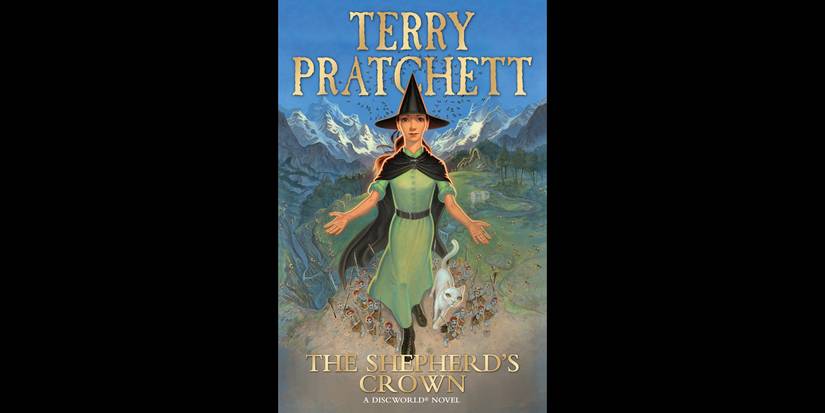
“She was the witch of the chalk, and she would not leave it.” The Shepherd’s Crown was the last book Terry Pratchett wrote, and it’s a quietly powerful finale, not just to the Tiffany Aching arc, but to the entire Discworld project. It follows the young protagonist as she steps fully into her role as a witch, inheriting responsibilities that extend far beyond her years. The plot itself is relatively straightforward, but the tone is wise and reflective.
Characters age, roles shift, and the world continues to change in ways that feel both inevitable and bittersweet. Pratchett’s signature humor remains, but it is tempered by a sense of finality. Most of all, the novel reflects on legacy, on what is passed down and what must be carried forward. Goodness, The Shepherd’s Crown tells us, is usually found in small, unglamorous acts.
2
‘La Belle Sauvage’ (2017)
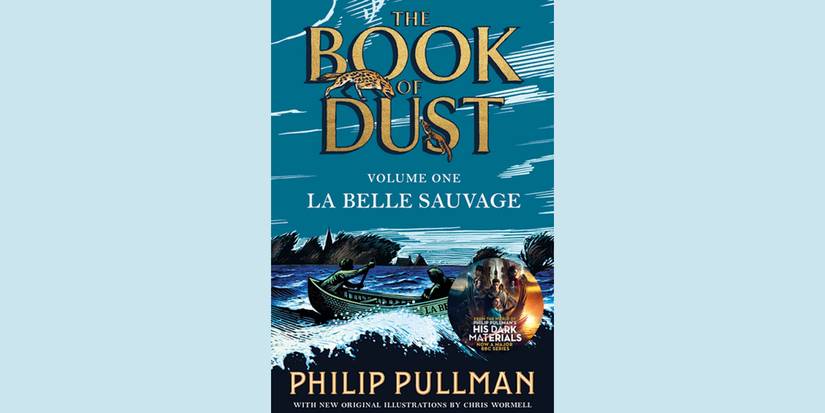
“Every step we take is a choice.” La Belle Sauvage returns to Philip Pullman’s universe, serving up yet another striking, satisfying, and intellectually provocative adventure. Set twelve years before the events of His Dark Materials, the book centers on Malcolm Polstead, a young boy who becomes responsible for protecting the infant Lyra during a catastrophic flood. As waters rise and reshape the landscape, the story takes on an almost mythic quality, echoing folklore and Bible stories.
From here, the plot unfolds as a journey shaped as much by moral tension as by physical danger. Malcolm is forced to navigate a world where religious and political institutions are increasingly authoritarian, and where small acts of kindness carry significant risk, but also profound impact. Characters are constantly navigating systems that demand obedience, raising questions about conscience and the cost of defiance.
1
‘The Name of the Wind’ (2007)
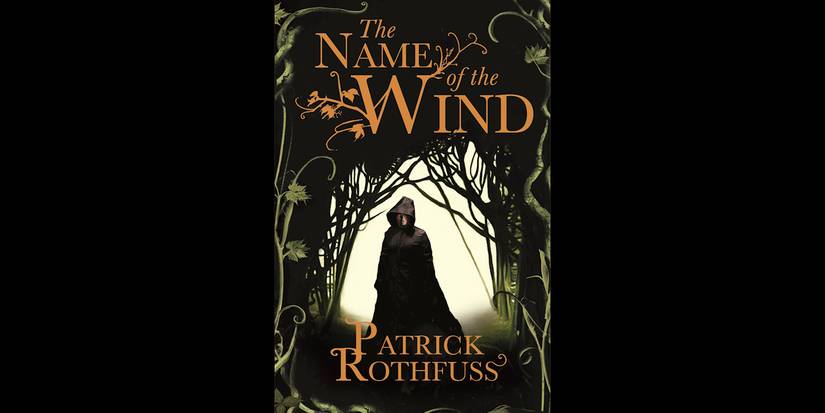
“It was the patient, cut-flower sound of a man who is waiting to die.” The best fantasy book of the last quarter-century is The Name of the Wind. In it, Kvothe, a legendary figure now living in obscurity, recounts his life to a chronicler: his rise from poverty, his time at a magical university, and the events that shaped his reputation. This structure creates tension not from what will happen, but from how events are remembered, and perhaps misremembered.
Kvothe and the other major characters are all compelling and well-realized, and the world they inhabit is immersive. The magic systems are especially cool, including the structured processes of “sympathy” and the more mysterious powers of “naming.” On top of all that, the prose is amazingly deliberate and lyrical, paying clear homage to Ursula K. Le Guin. Simply put, The Name of the Wind is a masterpiece.
You must be logged in to post a comment Login