Entertainment
10 Greatest Plot Twists in Video Game History

Warning: This article contains heavy spoilers!
The plot twist is a narrative device in which an established storyline is completely upended. It often involves death, betrayal, or sudden revelations that change the whole course of the narrative and take things in an entirely new direction. When done right, it adds so much to the story, although it’s a really hard thing to nail.
The plot twist isn’t exclusive to one specific form of media, and it has appeared in movies, books, TV shows, and yes, video games. Basically, if there’s a medium in which a story can be told, creators will try to sneak in a plot twist or two. Some of them, especially in the gaming world, are notoriously awful, but some have gone on to make history for just how good they are. These are the best video game plot twists of all time.
10
The Player Is Revan – ‘Star Wars: Knights of the Old Republic’ (2003)

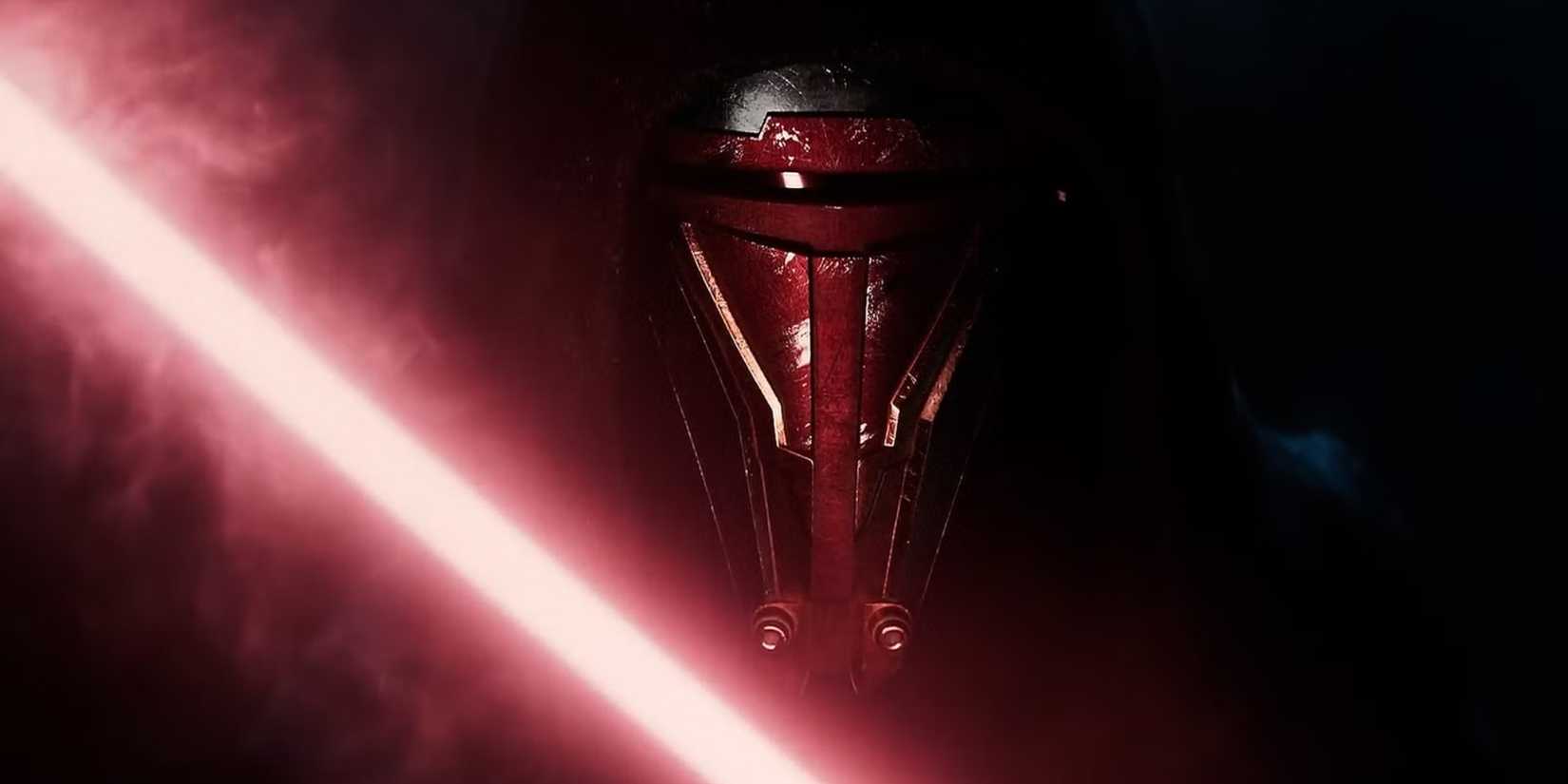
In Star Wars: Knights of the Old Republic, players take on the role of a nameless individual who can be a Jedi, Sith, or even a non-Force user depending on player choices. The galaxy is currently under threat from Darth Malak, a Sith Lord who was once a Jedi but turned to the Sith along with his master, Darth Revan. However, Malak later betrayed Revan, causing a schism amongst the Sith and even more turmoil in the galaxy.
On their quest to stop Darth Malak, gamers eventually learn that they have been playing as Darth Revan this whole time. It turns out Revan was captured by the Jedi Council, and his memory was wiped so that the Jedi could use him as a weapon against his former apprentice. It’s honestly a shame this twist isn’t canon, because it adds so much to the lore of Star Wars. While Revan himself is confirmed to be canon, this whole plotline isn’t, so fans can only hope that it is reimplemented at some point or another.
9
Cloud Is No Hero – ‘Final Fantasy VII’ (1997)

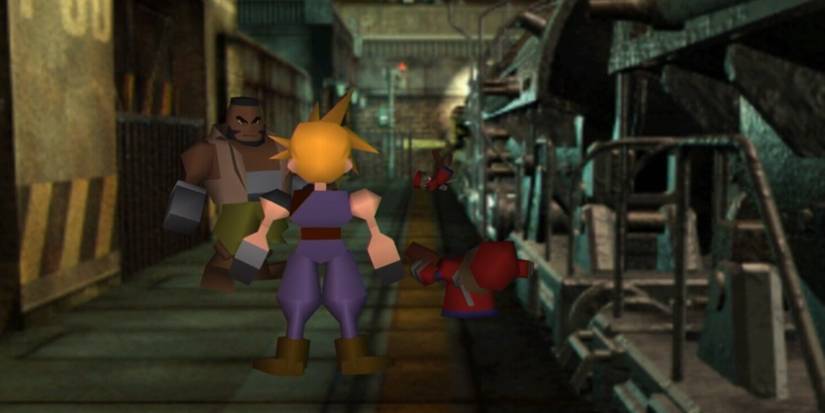
There are a couple of different plot twists in Final Fantasy VII and its recent remakes; for example, there isn’t a single player who forgets the moment Aerith was horrifically impaled by Sephiroth, arguably the most memorable twist but not necessarily the best. For that, it’ll have to be the big reveal at the end about Cloud’s true origins. Cloud is the main character, who passes himself off as this great hero who is attempting to save the world.
At the end of the game, it turns out that Cloud is actually just a nobody. He is not a legendary SOLDIER as he claims, but rather an ordinary grunt who was attacked and captured by Sephiroth. Cloud was experimented on, and in the process, suffered a psychological break, adopting the personality of Zack Fair, the man who actually fought Sephiroth. In short, Cloud’s entire persona was just a façade meant to cover up his profound trauma. Worse still, Sephiroth has been controlling Cloud like a puppet this entire time. This twist is great because it doesn’t feel like someone else is betraying you; it feels like you’re betraying yourself. It’s an early example of a plot twist done right, which makes great use of the “unreliable narrator” trope.
8
“The Numbers, Mason” – ‘Call of Duty: Black Ops’ (2010)

In Call of Duty: Black Ops, players assume the role of CIA operative Alex Mason during the Cold War. With the help of Victor Reznov, a Soviet sergeant from a previous entry in the series, Mason is able to break out of a Soviet gulag and escape back to the United States. Later, he reunites with Reznov, who begins leading Mason on a crusade against three leaders of a splinter faction intent on attacking the US. Every time Reznov is seen in the game, Mason hears and sees a string of numbers, not knowing what they mean.
At the end of the game, it turns out that Reznov was never there; he actually died at the gulag and existed only as a figment of Mason’s imagination. As for the numbers? Those are a set of encrypted orders that were embedded in Mason’s brain during his detainment, as a way of making him a sleeper agent for the USSR. The process was similar to MKUltra. However, Reznov was able to alter that process somehow, making it so Mason’s only purpose is to hunt down those responsible. Once this revelation happens, it all makes sense. Nobody aside from Mason actually acknowledges or talks to Reznov, and when Mason does talk to Reznov, others sometimes act like Mason is losing it. Call of Duty isn’t exactly known for its deep and moving stories, but this game absolutely nailed it in that department. It’s one of the reasons it became one of the best FPS games of all time.
7
There Never Was a Konrad – ‘Spec Ops: The Line’ (2012)

Spec Ops: The Line is based on the 1899 novella Heart of Darkness by Joseph Conrad, the same book that was adapted into the film Apocalypse Now. Like the movie, the game completely changed the setting: instead of being about Belgian colonialism in the Congo region, this game is about American intervention in the Middle East. In the aftermath of a natural disaster in Dubai, US military official John Konrad (note the name similarity to the original author) was assigned to a relief operation. Instead, Konrad implemented martial law, turning the city into a war zone. Sent in to stop Konrad is Delta Force operator Martin Walker.
Walker experiences severe trauma and witnesses Hell on Earth during his quest to kill Konrad, which eventually leads to PTSD-fuelled hallucinations. It turns out the hallucinations go even deeper than you initially think, though. Upon reaching the end, Walker discovers Konrad’s rotting corpse and is forced to confront the reality: every nightmarish thing that Walker thought Konrad did was all Walker’s fault, from slaughtering civilians to creating anarchy in Dubai. Konrad was just someone to put the blame on. This twist is so great because it paints a horrifying picture of what war is really like, and shows how trauma can manifest in soldiers. It’s also an example of how soldiers of any army can commit serious crimes, but will often find someone else to blame.
6
Geppetto Caused the Puppet Frenzy – ‘Lies of P’ (2023)

Lies of P is a Soulslike RPG based on The Adventures of Pinocchio by Carlo Collodi, only this video game presents a much darker, more mature version of the story. The setting is the city of Krat, which resembles Belle Époque Paris and is almost devoid of human life following an apocalyptic event known as the Puppet Frenzy. Automatons called puppets, who were all made by Geppetto, formerly worked as labourers and servants in the city before abruptly slaughtering their human masters en masse. In the game, you play as P (obviously short for Pinocchio), a near-perfect puppet who is almost human. P is awoken by the Blue Fairy, Sophia, who wants to rescue Geppetto from danger and save Krat.
Once he is saved for the second time, Geppetto reveals that he intentionally caused the Puppet Frenzy because he lost his son, Carlo, whom P was built to resemble. Out of grief, Geppetto orchestrated the Puppet Frenzy as a means of harvesting a magical force called Ergo from Krat’s deceased citizens. He also constructed P as a killing machine to slay bosses and collect their Ergo, planning to use it to bring Carlo back to life, killing P in the process. You can actually do it, as the game gives you a choice. The twist is great because any parent will likely understand Geppetto’s grief, even if his actions are completely unjustified. It’s also a real stab in the back since Geppetto treats P like a son and is a fatherly mentor throughout the game.
5
The Joker Is an Impostor – ‘Batman: Arkham City’ (2011)
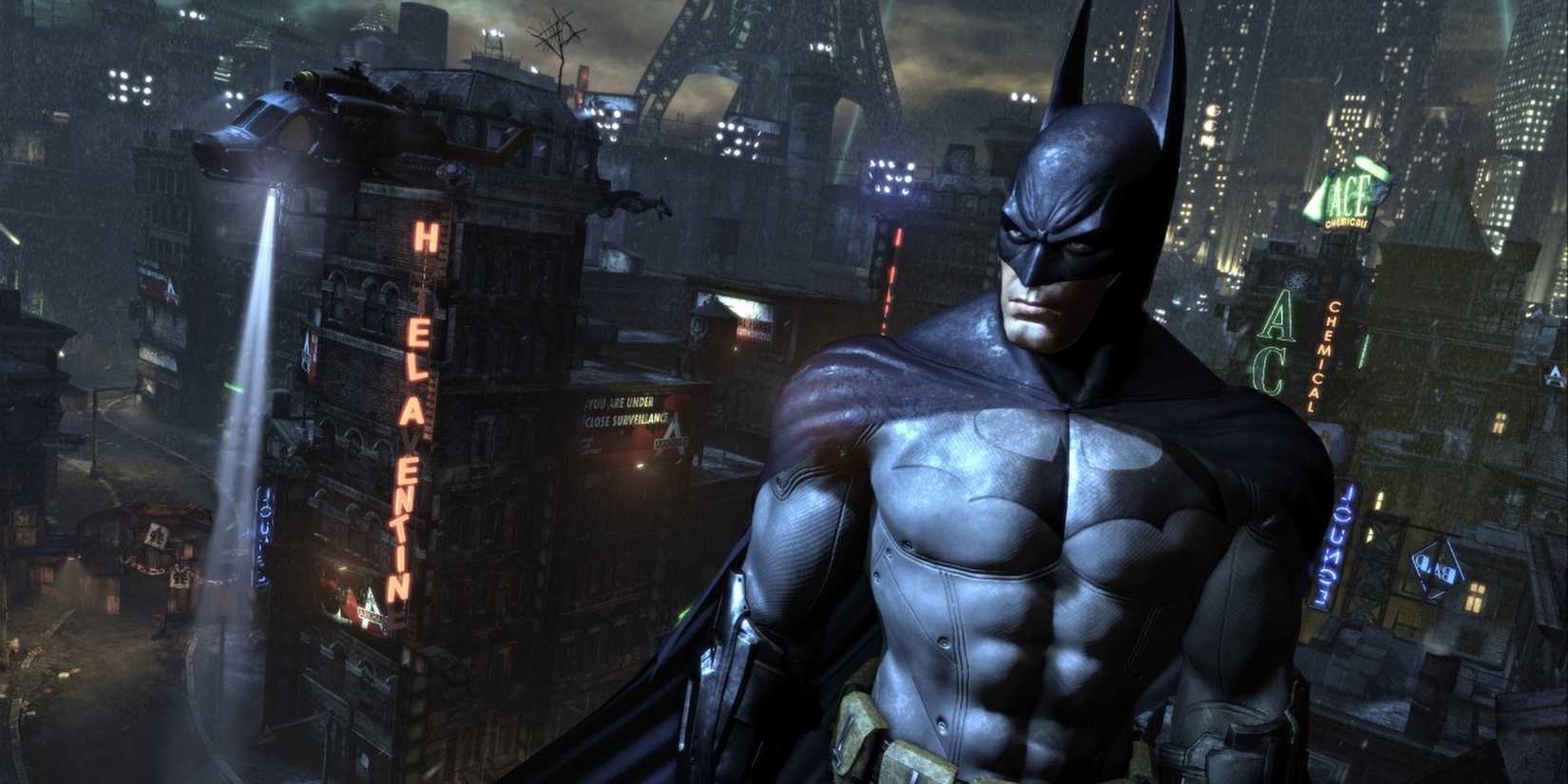
In Batman: Arkham City, the Joker is revealed to be seriously ill due to a blood illness; a side effect of the chemical compound known as Titan that he used in the previous installment. He also infuses his blood into Batman to force Batman to find a cure. But before he can do that, Joker reveals that he is feeling much better. His sickly blemishes and ragged cough are gone, and he looks as good as new. At the end, though, it turns out that this version of Joker was actually Clayface in disguise. The real Joker is still very much under the weather.
This clever ploy is alluded to at a few other points in the game, which keen players will spot if they’re clever enough. From overhearing a conversation between Joker and Harley Quinn to using detective vision to see that the fake Joker has no bones, the game does let it slip that Joker might not be telling the truth here. The plan does allow Joker to get the drop on Batman not once, but twice, and serves as a boost in the morale of Joker’s gang and a way to break Batman’s spirit after going through all that bloody effort to find a cure. It’s a great twist because it makes sense, and it doesn’t come out of nowhere just for the sake of having a twist. It’s established itself as a legendary piece of the Batman: Arkham series, and of video game history in general.
4
Josh Is the Masked Maniac – ‘Until Dawn’ (2015)
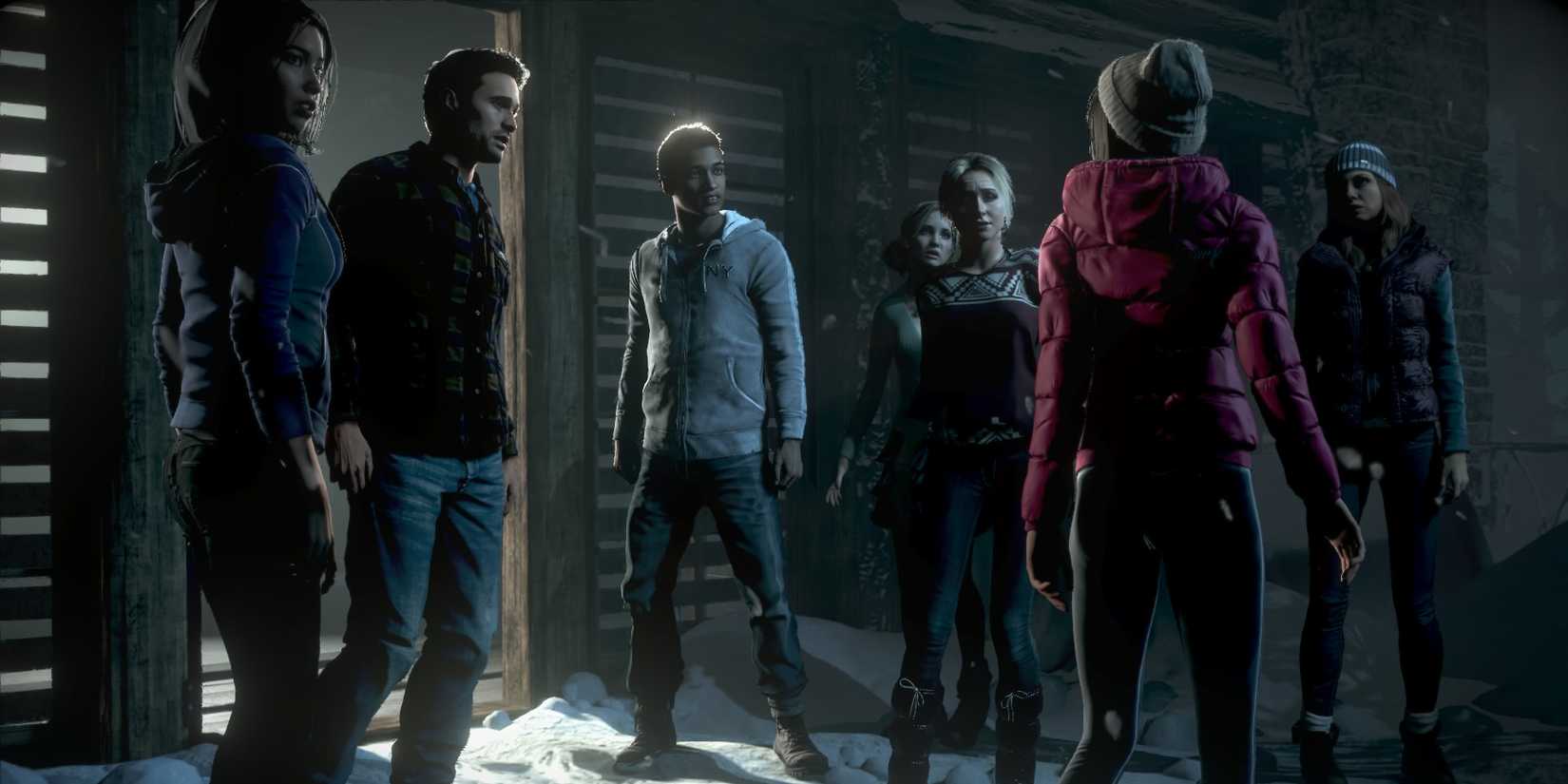
Until Dawn opens with the deaths of Hannah and Beth, two sisters, at their parents’ ski lodge in Alberta, Canada. A year later, their group of friends reconvenes at the lodge for their annual ski trip, only this time, the friends find themselves pursued by a masked killer who kidnaps friends Chris, Josh, and Ashley, with the latter two being locked in a death trap. The killer’s voice, speaking on an intercom, forces Chris to make a choice: does he save Ashley, his crush, or Josh, his best friend? Frankly, no matter what you choose, Josh dies in gruesome fashion.
Later, it is revealed that not only is Josh alive, but he’s the masked killer. He orchestrated the whole thing as revenge for the deaths of his two sisters a year prior. He faked his death by using his dad’s film props that he left at the lodge. On top of that, he only did the whole thing to scare his friends, and never actually kills anybody. Unfortunately, Josh is completely unaware that the Wendigo, a cannibalistic being from Indigenous folklore, is also present at the lodge and is a much bigger threat, so the game still continues for several more hours. It’s a bombshell of a twist, to the point that when the game first came out, you could almost hear jaws hitting the floor at the same time from all around the world.
3
Dormin Unleashed – ‘Shadow of the Colossus’ (2005)

Shadow of the Colossus follows Wander, a young man who journeys into the Forbidden Land to seek the slumbering god, Dormin. Wander’s hope is that Dormin will be able to bring back his girlfriend, the Princess, from the dead. Dormin agrees, but only if Wander kills the 16 roaming colossi scattered around the Forbidden Land. You kill these 16 creatures, but the game treats each death like a great tragedy, with sad music and all.
Once all 16 are dead, Dormin reveals that they duped you the whole time. The colossi acted as seals for Dormin’s prison, and killing them has released the dark god in his physical form. Another thing Dormin “forgot” to tell was that Wander’s body would be used as a new vessel, effectively killing Wander when the Princess’ father arrives and puts Dormin back into his prison. Wander is reincarnated as a horned baby, and his girlfriend is brought back to life in the end. Dormin technically did keep their word; it’s just that they chose to leave out some of the more important details. It’s such a great twist because it adds to the tragic ending and emphasizes the importance of not meddling with forces that humanity cannot understand.
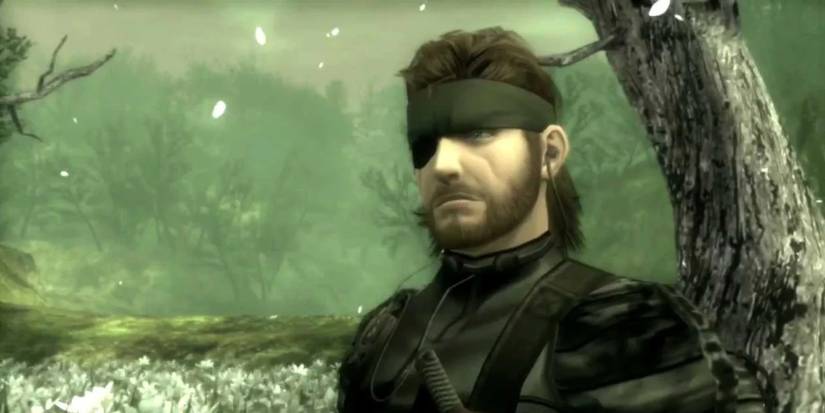
The beginning of Metal Gear Solid 3: Snake Eater sees Naked Snake go on a mission to rescue Soviet scientist Sokolov, who was forced to develop a nuclear-equipped superweapon called the Shagohod. Snake is assisted by “The Boss,” a woman who was his former mentor. After Sokolov is rescued, The Boss betrays Snake, breaking his bones and throwing him into a river before recapturing Sokolov. At the same time, Soviet commander Volgin executes a nuclear strike on US soil, with the intent of blaming the United States. Since this game is set during the Cold War, one can imagine the catastrophic consequences this might have.
Eventually, Snake is tasked with killing The Boss. You have no choice — you have to kill her at the end, and the game actually forces you to press the button/pull the trigger, or it won’t progress. This tragic scene is made worse with the reveal that The Boss was never a traitor in the first place, but rather a deeply embedded agent who was also trying to stop nuclear escalation; once that strike happened, her mission was to serve as a scapegoat. The US government needed her dead to blame the nuclear strike solely on her, and she knew it the whole time. Plus, they needed Snake specifically to do it, meaning the game played you like a damn fiddle. This twist makes for an extremely tragic yet legendary ending that many players are rediscovering thanks to the recently-released remake.
1
“Would You Kindly?” – ‘BioShock’ (2007)

BioShock opens with the player, named Jack, getting in a nasty plane crash over the ocean. Swimming to a lighthouse, Jack discovers the underwater city of Rapture, a former utopia that eventually fell into chaos due to the unregulated use of the substance known as ADAM, and the selfish philosophy of Andrew Ryan, the city’s co-founder. Upon arrival, Jack makes contact with a man named Atlas, who begins guiding Jack through the city from afar, telling him he needs to do certain things, kill certain individuals… that sort of thing. He’s pretty polite about it, too, always beginning his requests by saying “would you kindly?”
Eventually, Andrew Ryan reveals that Jack is a sleeper agent who intentionally caused the plane crash on Atlas’ (secretly criminal mastermind Frank Fontaine) orders. On top of that, “would you kindly” acts as a trigger phrase for Jack, compelling him to obey no matter what. Moreover, Jack is actually Ryan’s biological son, and possesses the necessary biometrics to enter Rapture. The whole thing is an elaborate ploy for Fontaine to seize control of what remains of Rapture. It’s easily the most well-known plot twist in all of gaming, to the point where many don’t even need to have played the game to know it. It absolutely floored people, and continues to do so to this day, largely because it exploits the very concept of playing a game. Every gamer has been told their objectives before, but did anyone bother to ask why? It is this built-in blind obedience that makes this twist so effective.
You must be logged in to post a comment Login