Entertainment
10 Greatest R-Rated Mystery Movies

R-rated mystery movies have room to be uglier about the truth. They can follow obsession into places a safer movie would soften, and they can let violence, sex, grief, corruption, and psychological damage sit on the screen without cleaning the edges for comfort.
And my favorite ones? They do more than ask who did it. They make the search itself feel dangerous. A clue can ruin someone. A missing person can expose a whole rotten system. A detective can solve the case and still lose something that was holding him together.
10
‘Shutter Island’ (2010)


The fog, the ferry, and that first look at Ashecliffe already tells you nobody is walking into a normal investigation here. Shutter Island gives us U.S. Marshal Teddy Daniels (Leonardo DiCaprio) arriving at a remote hospital for the criminally insane to find a missing patient, with his new partner Chuck Aule (Mark Ruffalo) following him through locked wards, hostile doctors, storm warnings, and a place that seems designed to keep secrets alive.
What makes the mystery so addictive is how closely it stays tied to Teddy’s grief. He is not just chasing Rachel Solando. He is chasing a version of reality where his pain still has an enemy he can fight. The Dachau memories, the dreams of Dolores, the lighthouse, the repeated questions about patient files, and Ben Kingsley’s calm control as Dr. Cawley keep tightening the island around him. And at the end, the movie flips the whole script onto you. It makes you feel like the whole movie was a lie. Shutter Island leaves you trapped with Teddy’s last choice, and that choice keeps arguing in your head. I won’t lie — this film becomes annoying once it ends.
9
‘The Girl with the Dragon Tattoo’ (2011)
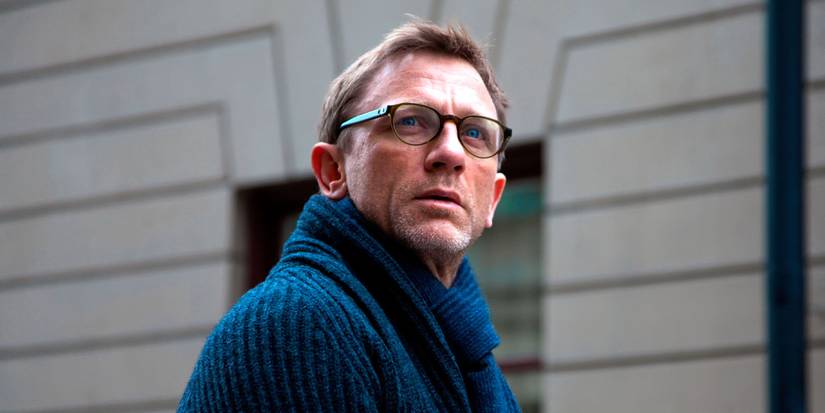
The Girl with the Dragon Tattoo follows Lisbeth Salander (Rooney Mara) as a hacker and investigator hired to look into journalist Mikael Blomkvist (Daniel Craig), who later joins her in reopening the decades-old disappearance of Harriet Vanger, a young woman from a wealthy Swedish family full of money, cruelty, and buried sickness.
The case pulls them into family photos, Bible verses, old business records, Nazi history, sexual violence, and a house full of people who have learned how to live around a missing girl. Mikael is such a grounded, bruised curiosity character but Lisbeth is the reason the movie burns. Her revenge against her abusive guardian is hard to watch, yet it tells you exactly why she recognizes predators so quickly. That’s amazing. The mystery has a procedure. The emotional charge comes from Lisbeth cutting through powerful men who assumed fear would keep everyone quiet. Every clue feels colder because this world has been protecting monsters politely for years.
8
‘The Usual Suspects’ (1995)
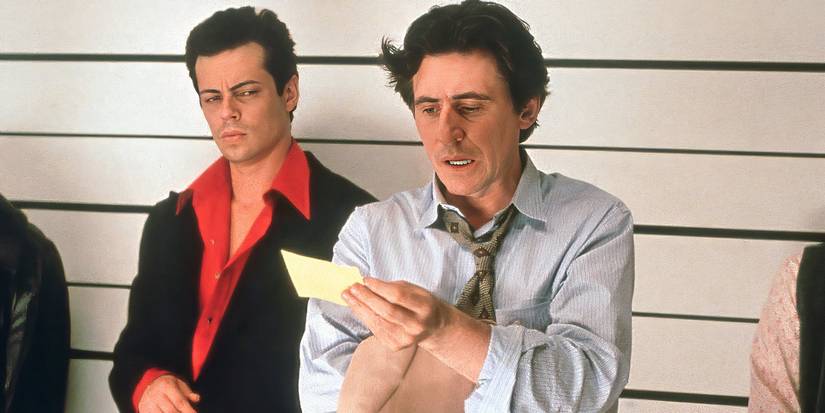
The Usual Suspects begins after a massacre on a ship, with small-time con man Roger “Verbal” Kint (Kevin Spacey) sitting with federal agent Dave Kujan (Chazz Palminteri) and explaining how he, Keaton, McManus, Fenster, and Hockney got pulled into the orbit of Keyser Söze, a criminal name spoken like a ghost story by men who are not easily scared. A room full of criminals telling stories should not feel this slippery, but that is the whole thrill.
The pleasure is in how the movie turns narration into a trap. Verbal looks weak, nervous, and cornered, so the audience starts leaning toward him before realizing the story has been arranging itself too neatly. Keaton’s haunted reputation, Kobayashi’s threats, the lineup scene, the Redfoot job, the Hungarian survivor, and the office details behind Kujan all become part of the game. The mystery is not only Keyser Söze’s identity. It is whether a listener can protect himself from a good story once he wants the story to make sense.
7
‘Gone Girl’ (2014)
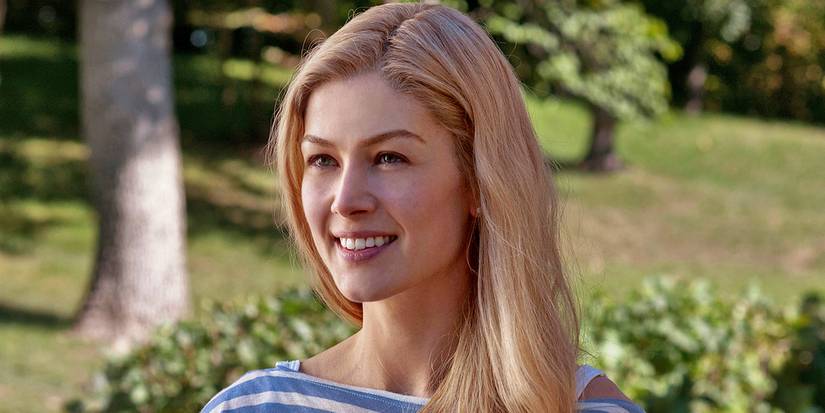
Gone Girl is nasty and the nastiest trick here is how quickly a missing-wife case turns into a public performance. Nick Dunne (Ben Affleck) comes home on his fifth wedding anniversary and finds Amy (Rosamund Pike) gone, with the house staged badly enough to make him look suspicious. Police start circling. Cable news smells blood. Neighbors watch him like a man who forgot which face grief requires.
Then Amy’s voice takes control, and the whole movie reveals a marriage where both people understand image better than intimacy. Nick is selfish, smug, and sloppy, which makes him perfect prey for a woman who plans with terrifying patience. Amy’s diary, the treasure hunt, the pregnancy reveal, Desi’s lake house, the blood on her return home, and that dead-eyed press conference all twist domestic life into theater. The R-rated edge is crucial here because otherwise this film would’ve never hit as hard as it does. This mystery is about bodies as evidence, marriage as leverage, and media as a weapon. It is funny in the most poisonous way, which is exactly why it still feels dangerous.
6
‘Prisoners’ (2013)

Few modern thrillers make desperation feel as heavy as Prisoners. Keller Dover (Hugh Jackman) is a Pennsylvania father whose young daughter Anna disappears with her friend Joy on Thanksgiving, and the investigation quickly centers on Alex Jones (Paul Dano), a mentally impaired man who was driving a suspicious RV. Detective Loki (Jake Gyllenhaal) takes the official path, following evidence, suspects, and buried connections, while Keller decides the law is moving too slowly for a parent running out of hope and goes full Liam Neeson Taken on it.
The film’s grip comes from how every choice feels uglier than the last. Keller’s decision to imprison and torture Alex is horrifying, yet the character keeps the pain close enough that the viewer understands the emotional trap without being asked to approve it. Loki’s blinking intensity, the rainy streets, the maze drawings, the priest’s basement, and that final whistle all keep the movie tightening from different directions. The title is perfect too, since almost everyone here is trapped by something: grief, guilt, faith, violence, or the need to believe suffering can force truth out of the dark.
5
‘Blue Velvet’ (1986)
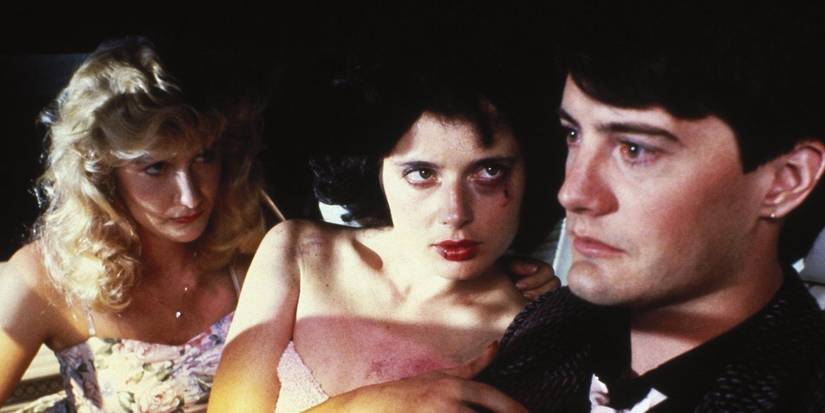
Blue Velvet follows Jeffrey Beaumont (Kyle MacLachlan) as a college student back in his small hometown after his father’s stroke, where his curiosity leads him toward lounge singer Dorothy Vallens (Isabella Rossellini), violent criminal Frank Booth (Dennis Hopper), and a hidden world sitting right underneath white fences and friendly daytime streets. Finding a severed ear in the grass is such a simple nightmare image, and it sends Jeffrey into a version of suburbia he was never supposed to see.
The mystery has a strange pull because Jeffrey is not a noble detective but curious, aroused, frightened male, and fascinated by the darkness he keeps pretending to investigate from a safe distance. Dorothy’s pain gives the story its human ache, while Frank turns every room he enters into a threat. The closet scene, the nightclub song, the joyride, the oxygen mask, the police connections, and the artificial brightness of Lumberton all feel connected by one awful idea.
4
‘Zodiac’ (2007)
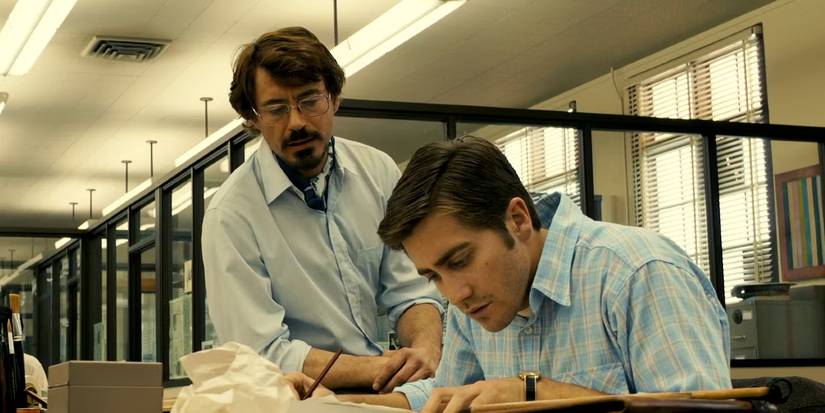
The scariest thing about Zodiac is how much time it has. The film follows the hunt for the Zodiac Killer through journalists, detectives, letters, codes, false leads, and years of obsession that grind people down without giving them the clean release of certainty. Robert Graysmith (Jake Gyllenhaal) begins as a cartoonist at the San Francisco Chronicle, Inspector Dave Toschi (Mark Ruffalo) carries the police side with style and frustration, and reporter Paul Avery (Robert Downey Jr.) gets pulled into the killer’s orbit and starts unraveling in public.
This is a thriller where the monster’s power comes from absence. The lake attack, the cab murder, the newsroom letter openings, the basement scene with the movie posters, and Graysmith’s final stare at Arthur Leigh Allen all hit differently because the movie never turns obsession into easy heroism. It shows how a case can become a life, then eat that life year by year. The pacing feels hypnotic because the viewer becomes part of the same hunger. You want the answer. The film understands the cost of wanting it too badly.
3
‘Memento’ (2000)

Leonard Shelby (Guy Pearce) cannot make new memories, which means the movie turns the mystery into a condition instead of a puzzle. Memento’s premise circles him. His wife was attacked, he believes the killer is still out there, and he uses Polaroids, tattoos, notes, and routines to keep himself pointed toward revenge. The cruel part is that every system he trusts can be manipulated by the next person who understands his damage.
Watching him move through Teddy (Joe Pantoliano), Natalie (Carrie-Anne Moss), motel rooms, license plates, and fragments of the Sammy Jankis’s (Stephen Tobolowsky) story feels like being trapped inside broken momentum. Then the whole backwards structure is not a gimmick sitting on top of the story either. It gives the viewer a taste of his panic. You keep grabbing for context at the same time he does, then the movie quietly asks whether identity can survive when memory becomes something you edit to keep going.
2
‘Se7en’ (1995)
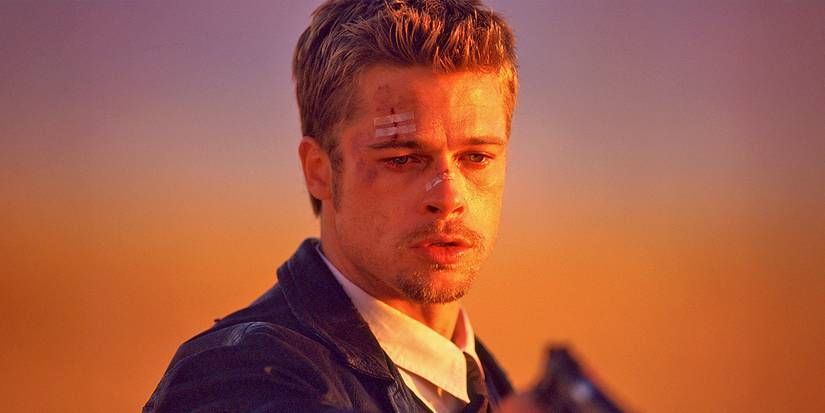
By the time detectives Somerset (Morgan Freeman) and Mills (Brad Pitt) step into the first crime scene, the city already feels diseased. Se7en gives them a killer staging murders around the seven deadly sins, and the structure could have been gimmicky in weaker hands. Here, it becomes a march through moral decay.
Every murder scene expands the nightmare. Gluttony is disgusting. Greed is staged like judgment. Sloth is one of the most horrifying reveals in ’90s cinema. Lust feels almost unbearable through what it implies. The library research, the rain, the apartment chase, the killer turning himself in, and that empty desert road all keep moving toward dread instead of surprise alone. Somerset understands the world’s rot too well, while Mills still believes anger can meet evil head-on and win. The box lands with such force because the film has spent the entire runtime preparing a trap made from temperament. The ending hurts as character, not only twist.
1
‘Chinatown’ (1974)
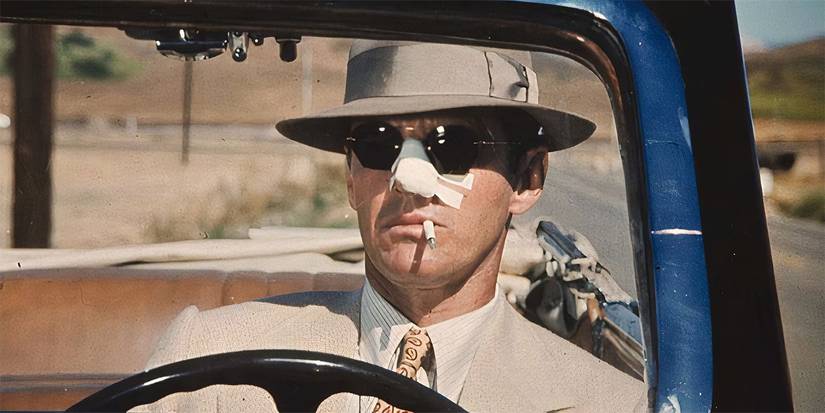
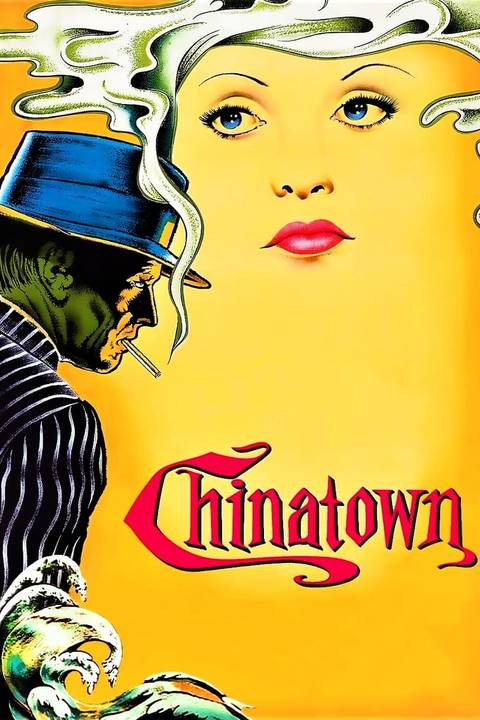
Private detective Jake Gittes (Jack Nicholson) thinks he is working a clean adultery job, and that is the tragedy before he even understands it. Chinatown begins with him being hired to photograph Hollis Mulwray, the chief engineer for the Los Angeles Department of Water and Power, then realizing he has been used in a setup tied to water rights, land fraud, political power, and one of the most damaged family secrets in American cinema.
Jake is smart enough to keep digging and vain enough to believe digging will give him control. Evelyn Mulwray (Faye Dunaway) moves through the story like someone trying to hide pain from a man who keeps mistaking secrecy for guilt. Noah Cross (John Huston) brings a kind of evil that feels calm because the world has already made room for him. The broken glasses, the orange groves, the dried riverbed, the nose-slitting warning, and Evelyn’s desperate attempt to protect Katherine all keep pushing Jake toward a truth he cannot fix. That is why the movie still feels enormous. The mystery gets solved, and justice still slips away in the street.

Chinatown
- Release Date
-
June 20, 1974
- Runtime
-
130 minutes
- Director
-
Roman Polanski
- Writers
-
Robert Towne
You must be logged in to post a comment Login