Entertainment
10 Grittiest Thrillers of All Time

One of the great strengths of the thriller genre is its ability to delve more deeply into unsettling subject matter and themes, as the grounded realism of the genre lends itself to these topics better than any other genre. It’s especially the case when these thrillers adopt a grittier, sleazier style to truly emphasize the grime and ruthless nature of their characters, world, or overall message.
Throughout film history, there has been an exceptional craft in creating gritty cinematic experiences within the thriller genre. Whether it be one of the many masterpiece thrillers of the ’70s or prominent icons of the modern age, many overwhelmingly gritty thrillers have become legendary. The films on this list go beyond the basic level of rawness for most thrillers, with many of them being some of the most shocking experiences within the genre.
10
‘Sicario’ (2015)


Often, the grittiest and grimiest thrillers will shed away and not delve into action to not distract from the larger painful themes and messaging. One of the best examples of a thriller that still adheres to action thriller elements is Denis Villeneuve‘s Sicario. This intricate story of revenge, told through the attempts to take down a brutal drug cartel, is complete with twists, overwhelming violence, and painful subject matter, with each of these elements adding to the film’s gritty nature.
It is the absolute apex of this style of dreary, painful action thriller, reveling in the destructive and most painful attributes of modern humanity and showing corruption on all sides and angles. The film also gets a lot of inherent strengths from its exceptional script written by Taylor Sheridan, who cuts to the heart of the moral decay of justice in America and how these tactics used to fight evil can be evil in themselves.
9
‘Good Time’ (2017)

The Safdie Brothers have amassed an exceptional reputation for themselves in the thriller genre, creating many modern-day classics that utilize an ever-growing sense of anxiety and tension to amplify their wild goose chase plots. However, while films like Uncut Gems and Marty Supreme may be more immediately recognizable, their initial foray into this style with Good Time is easily the grittiest and most morally ruthless of the directing duo’s thriller outings.
The inherent sleaziness that permeates throughout derives from several sources, including the abhorrent actions of lead character Connie (Robert Pattinson) and the inherent anxiety of his journey through the criminal underbelly of New York. With each additional layer, Good Time paints a wider picture of pain not just in terms of Connie’s character, but also in the system that allowed him to perpetuate and manipulate to such an absurd degree.
8
‘Fight Club’ (1999)


Few singular filmmakers have become as legendary and influential for their work within the thriller genre as David Fincher, whose various thriller masterpieces have helped push the genre forward into the modern age and are still massively celebrated to this day. While many of his thrillers are attributed as classics of their era, Fight Club has achieved a life of its own as one of the absolute darkest films that Fincher has ever released.
The film actively utilizes grittiness as a tool for its characterization and themes, with the tone going hand in hand with its messaging on commercialism and the destructive nature of toxic masculinity. These inherent themes wouldn’t be nearly as impactful or explored without a heaping dose of grittiness to set the stage for the characters and world, with Tyler Durden (Brad Pitt) himself proving to be one of the absolute grittiest characters in cinema history.
7
‘Thief’ (1981)

While not all of his films are thrillers, Michael Mann is still an absolute icon of the genre, creating some of the most exceptional and well-crafted crime movies of all time. Thief is just one such example of his mastery as a filmmaker, with its distinct flavor of atmospheric grit and cool factor making it one of the most compelling masterpieces of the ’80s. The film sees James Caan in an electrifying performance as a professional safe cracker, signing on with a top gangster for a massive score that will set him up for good.
The aesthetic amplifies the gritty energy of the film at large, with its spiteful worldview through the eyes of a no-nonsense criminal who understands the deception taking part in everyday life and chooses to exploit it to its absolute limit. It makes for a highly engaging exploration of the criminal mindset as a whole while tastefully making great use of its grittiest elements for a mixture of depth and entertainment value.
6
‘Falling Down’ (1993)

The enragement and anger of perceived injustices enacted on one’s life are at the heart of many gritty, unfeeling worlds and stories in cinema history. However, Falling Down goes steps beyond in terms of its depiction of aggressive anger towards the status quo, following a shocking story of psychotic violence, fueled by a mixture of grittiness and its growth into unhinged madness. The film sees Michael Douglas as an everyday suburban man who, after one too many annoyances in his daily life, goes on a violent rampage as he cracks under the pressure.
It isn’t exactly difficult to imagine how a film where an ordinary man snaps to the point of madness features a lot of bleak elements. The brilliance comes not from its depiction of such a spiral into madness, but from the pieces and economic failures that led to his creation in the first place. The film has achieved cult classic status over the years as one of the most celebrated films in the late great Joel Schumacher‘s filmography.
5
‘Prisoners’ (2013)

Yet another exceptionally bleak thriller from Denis Villeneuve, Prisoners tells a similar story of the failings of morality in a stressful situation. However, while Sicario‘s moral dilemmas come from a place of widespread corruption, Prisoners focuses on spiraling desperation. It makes for a supremely depressing yet infinitely captivating mystery thriller, largely amplified by great performances by Hugh Jackman and Jake Gyllenhaal.
It follows the various consequences and difficulties that plague a community in the wake of the kidnapping of two six-year-old girls. While everyone is doing their part to search for answers, father Keller Dover (Jackman) decides to take matters into his own hands. His investigation leads him to kidnapping and torturing for the sake of his daughter. It’s an exceptionally bleak and gritty watch that transforms the love that a parent has for a child into a tool for abhorrent, sickening actions.
4
‘Chinatown’ (1974)
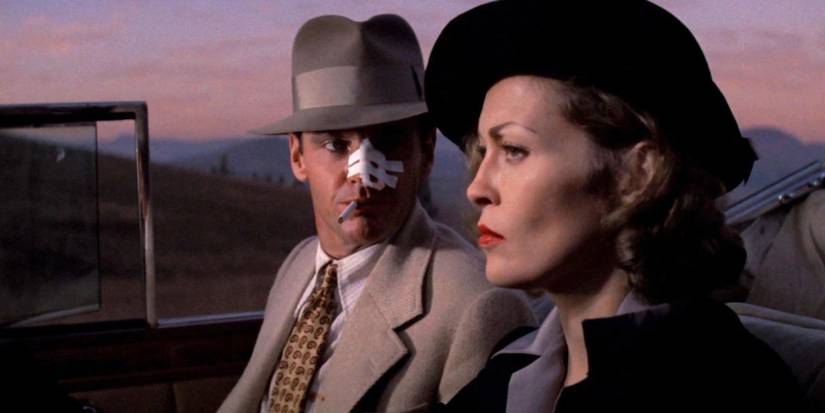
The ’70s were one of the absolute best times when it came to thrillers, as many legendary filmmakers delved into the psychological intricacies of this classic genre. No other ’70s thriller quite as effectively taps into this mixture of bleakness and irreverence for filmmaking as Chinatown, a gloriously concocted neo-noir mystery that is still considered one of the bleakest films of the ’70s.
Even the fine, smaller details of Chinatown build toward an essence and energy of contempt in its world and characters, amplifying the grittiness of noir-style archetypes to an astronomical degree. The film is further elevated by two of the most impactful performances of the decade in Jack Nicholson‘s Jake Gittes and Faye Dunaway‘s Evelyn Mulwray, who add even more layers of intrigue and depth to this cesspool of corruption and deception.
3
‘Straw Dogs’ (1971)
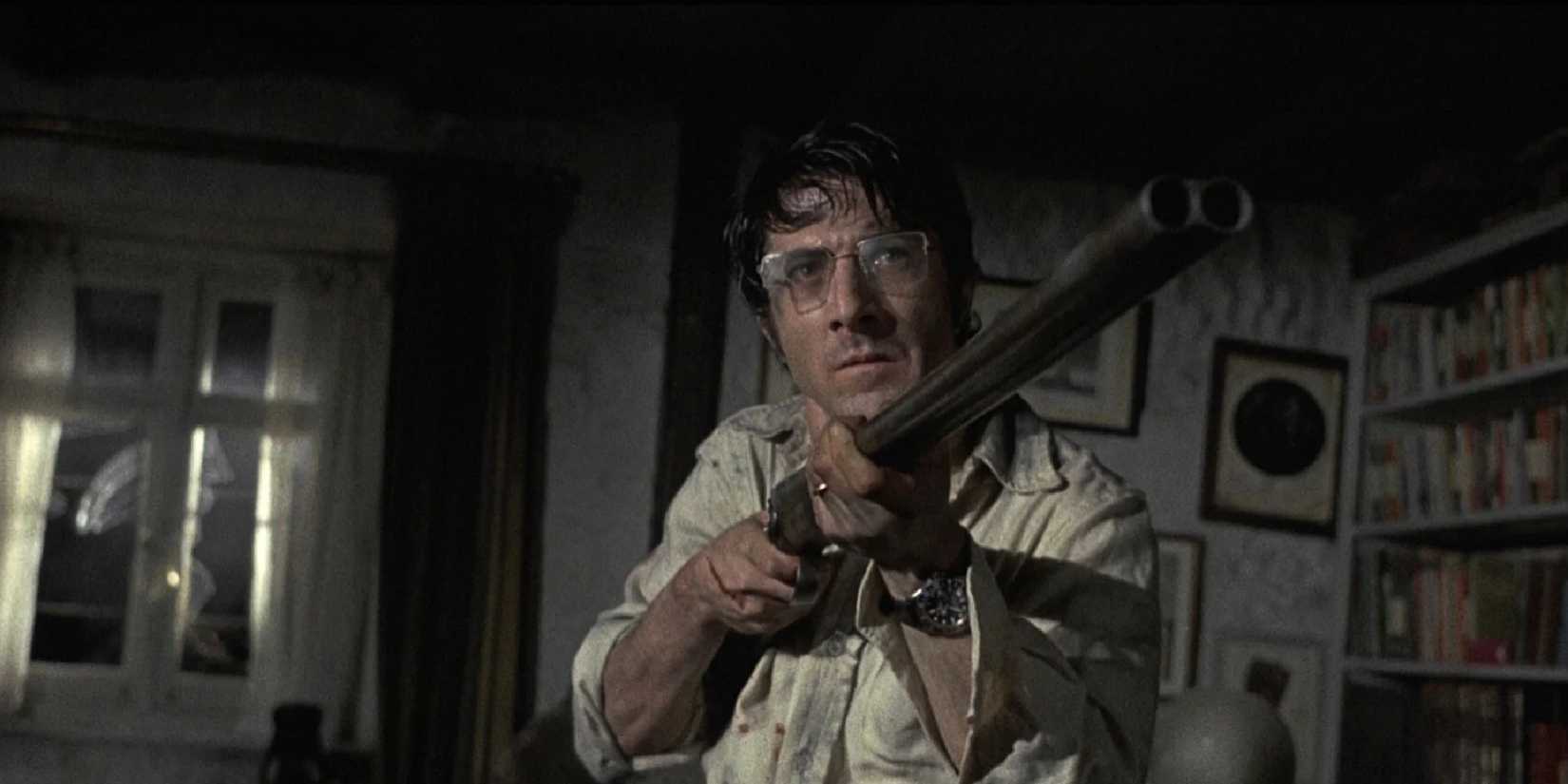
Even among the many controversial and gritty thrillers of the ’70s, Sam Peckinpah‘s Straw Dogs stands tall as arguably the most controversial and shocking of this wave of films. In fact, it’s often cited as an important shift in films feeling more violent and perverse, in line with the more distrustful state of culture.
Its gritty tone persists throughout the runtime, but especially comes to a head during two painfully complicated rape sequences and the overwhelming violence that comes in their wake. Straw Dogs is exceptionally miserable, not shying away from the evils of humanity and the justification of these actions in the name of community. It shows exactly how those who perceive themselves as intellectually superior will be quick to abandon their civility in the name of primal rage and revenge.
2
‘No Country for Old Men’ (2007)

No Country for Old Men is one of those legendary thrillers that it’s difficult to sing new praises for. Indeed, it has been such an icon and dominating force of pop culture for so long that everything that can be said about the film has been said about it. Its reputation largely precedes itself as one of the faces of gritty execution in a crime thriller, emphasized by some incredible performances and its insightful messaging on the dynamics of fate and free will.
This legendary magnum opus of the Coen Brothers has stood at the forefront of gritty cinema ever since its release, with its bleak, almost depressing outlook on life having massive ramifications and influence upon the entire genre in the wake of its release. Still, few modern thrillers influenced by its success come close to the flavor of the raw, unadulterated grit and unforgiving nature of the film.
1
‘Funny Games’ (1997)

Funny Games is an outlier in the realm of bleak, uncomfortable cinema, simultaneously playing into the classic tenets of a shocking, gritty thriller while also satirically commenting on the very nature of such topics being compelling for audiences to watch in the first place. The German masterpiece by Michael Haneke remains one of the most subversive works of art in the thriller genre, being fully aware of its gritty, sadistic nature and gleefully knowing that it’s exactly what audiences want.
The film invites the audience to question how they perceive violence in cinema, showing painful acts of torture and brutal sadism that dare the audience to turn away, all the while knowing they won’t. However, Funny Games goes a step further and becomes a commentary on the popularity of this style of grittiness, with its blurring of fiction and reality forcing the audience to come to terms with how desensitized they are to these stories of dread.


You must be logged in to post a comment Login