Entertainment
10 HBO Shows That Are Even Better the Second Time Around

A juggernaut of television entertainment, HBO has been producing TV series as far back as the late ’70s and early ’80s. It spearheaded the elevation of the format to true prestige drama in the late 90s, with series like Oz and The Sopranos, and has been a defining pillar of the golden era the medium has enjoyed throughout the 21st century thus far.
The premium cable network’s greatest hits range from grueling crime dramas to piercing black comedies, sweeping historical epics, and even some of the most immersive and visceral portrayals of war to have ever graced the screen. Such is HBO’s brilliance; many of their best original titles only improve upon a second viewing as they allow audiences to engross themselves anew while spotting all the hidden details they missed the first time around. From underrated modern gems to medium-defining classics, these HBO shows are even better on rewatch.
10
‘Six Feet Under’ (2001–2005)

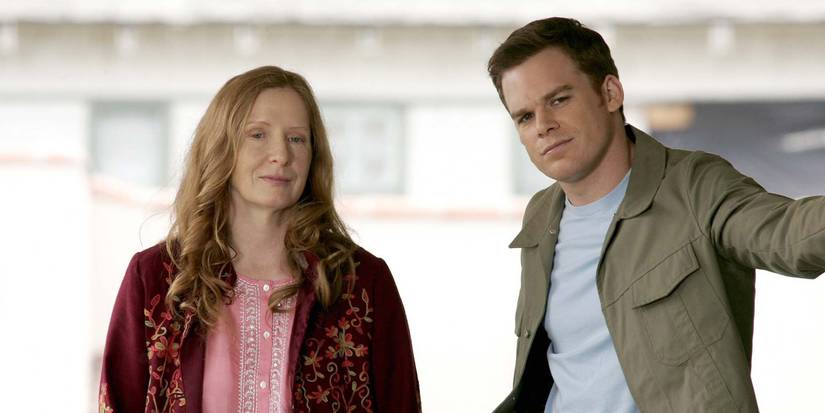
One of HBO’s most underrated series thus far, Six Feet Under excels as a socially-minded dark comedy revolving around a dysfunctional family that manages a funeral house in Los Angeles. On first viewing, the show has a tendency to stun audiences with its tonal dare, often oscillating between scandalous black humor and piercing character turmoil as each member of the Fisher family faces their own complex life issues while navigating the chaos of their family dynamics.
When revisited, especially by those who watched its initial run on television, Six Feet Under only lands with more gravitas. The passage of time and the accumulation of life experiences mean that so tender and in-depth a series changes its complexion entirely when rewatched, while the simple allure of returning to a show that completed its run in such a perfect fashion enables fans to immerse themselves more in the progress of the story. It remains one of the best dark comedies television has ever seen, and the years have done nothing to erode its piercing resonance.
9
‘The Night Of’ (2016)
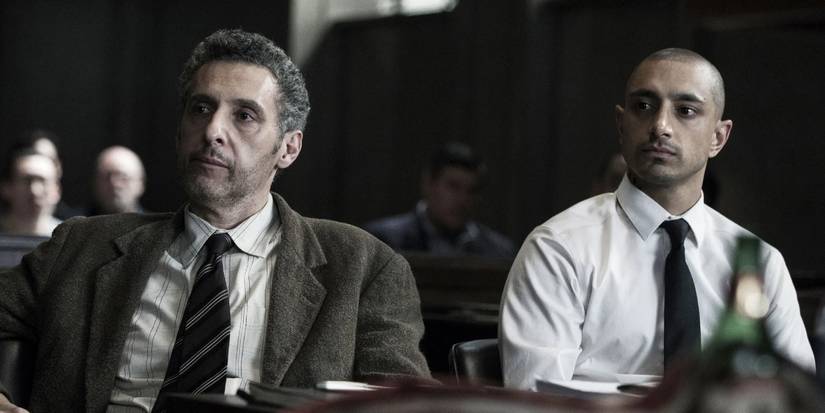
Another overlooked masterpiece from HBO, The Night Of is crime television at its scintillating best, a miniseries that functions as a murder mystery, a courtroom thriller, and a scathing indictment on the nature of the legal system. On first viewing, it is impossible not to be embroiled in the mystery intrigue, with the series revolving around Nasir Khan’s (Riz Ahmed) trial as he is charged with murdering a girl he was partying with.
A second viewing shifts the nature of the story somewhat. As the dark whodunit element subsides, the character drama becomes more central, especially through Nasir’s bleak coming-of-age in jail as he awaits trial. This renewed emphasis also sharpens the series’ criticism of the failings of the legal system. Complimented by its rich cinematic gloom and its patient sense of suspense and tension, The Night Of is a brilliant drama that only grows greater when revisited.
8
‘Curb Your Enthusiasm’ (2000–2024)


Seen by many as a spiritual continuation of Seinfeld, which Larry David created, Curb Your Enthusiasm excels by giving the sardonic comic a platform of his own, with the 12-season series following the litany of misadventures he embarks on with his friends and celebrity colleagues while living in Los Angeles. Not at all dissimilar to Seinfeld, the HBO comedy series is a treat to rewatch, with the gags never getting any less hilarious, even when viewers become word-perfect in reciting them.
While first viewings allow for a procession of hysterics that engross viewers in the chaos of the comedy, rewatching Curb Your Enthusiasm offers a chance to truly appreciate how the jokes are built-up while also recognizing moments of improvisation and unscripted interactions. Furthermore, its commitment to light entertainment bereft of dramatic fervor makes it something of a cozy and irreverent comfort watch that remains enjoyable no matter how many times it is revisited.
7
‘We Own This City’ (2022)

With its non-linear progression, litany of pivotal characters, and its enormous scope that examines corruption and institutional rot of the police department in Baltimore, We Own This City is one of the more unforgiving miniseries HBO has produced. Based on Justin Fenton’s non-fiction book, the six-part limited series explores the BPD’s Gun Trace Task Force, an elite police unit that engages in illegal methods to achieve their goals while profiting from the crime they fight.
While the first watch allows viewers to see where every character ended up, a second viewing can be necessary to untangle the miniseries’ multiple timelines and to fully digest the thematic ideas it poses on issues of corruption, the force’s ‘code of silence,’ the nature of police quotas, and even the reasons why attempts to reform often fail. If anything, We Own This City becomes more pressing and disturbing on rewatch as its central messaging becomes clearer and the connection between the characters’ actions and outcomes becomes more pronounced.
6
‘Rome’ (2005–2007)
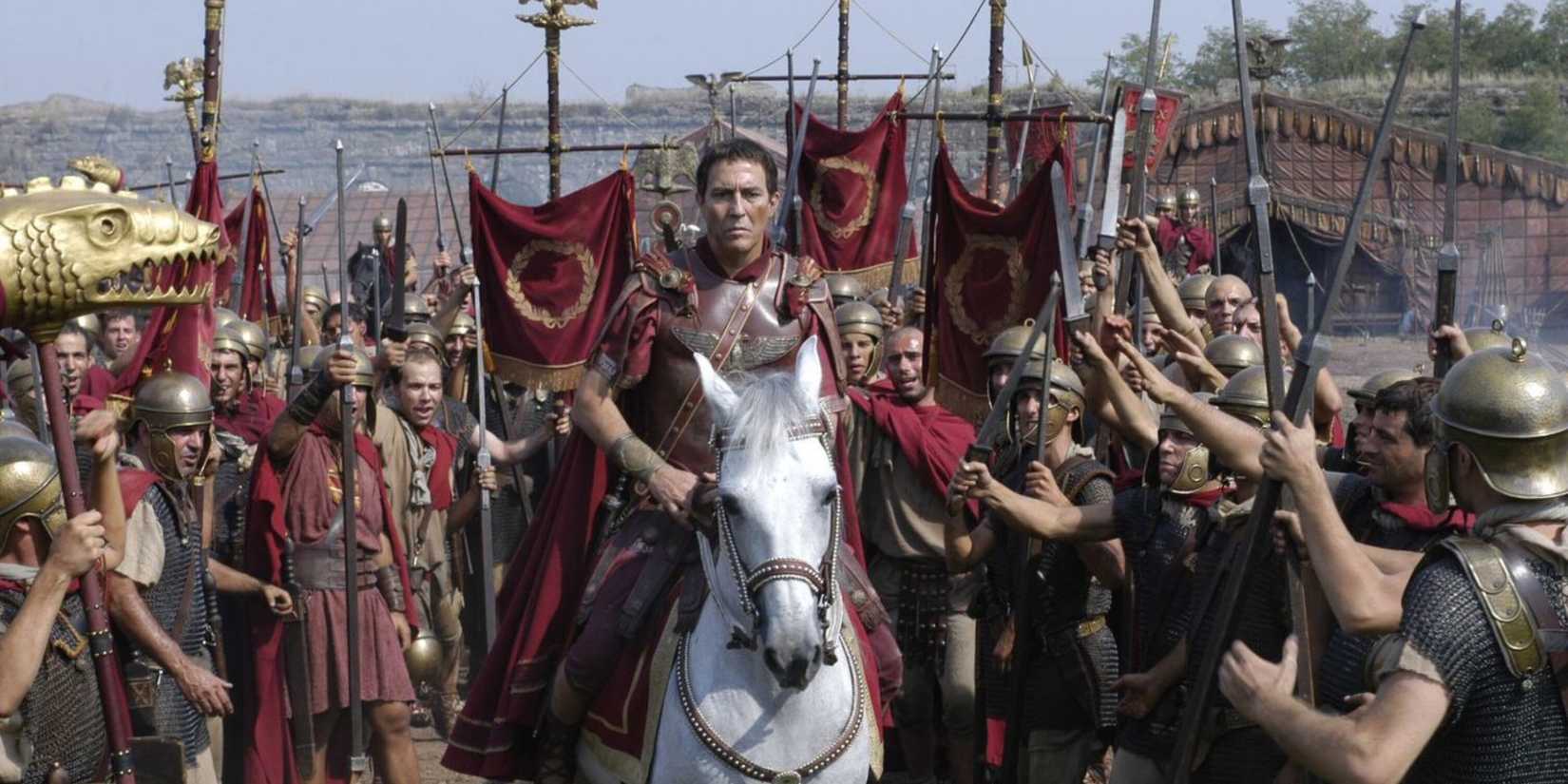
Initially intended to run for five seasons as a sweeping epic of Ancient Rome in a period of transition as the republic falls and an empire arises, Rome’s high-end production costs saw the series’ ambitious tenure cut short, but it still provides two thrilling seasons of political conniving and period allure. On first viewing, Rome is a procession of betrayals, backstabbing, and scandal, a pulsating immersion in the culture and calamity of the birth of the Roman Empire that is seen from multiple perspectives.
Rewatching Rome with an understanding of what happens to each character in the grand scheme of the series allows viewers to recognize hidden details of foreshadowing, subtle plots that are hatched in the background. Watching it a second time around also allows the sublime quality and detail of the production to be enjoyed in earnest, highlighting the grandeur and glamour the series achieves, while also understanding why HBO had to cut its planned five-season run short.
5
‘Sharp Objects’ (2018)
In cinema, slow-burn crime mysteries have long been presenting movies that audiences love to agonize over again and again. They invite viewers to bask in the moody atmospheric intensity with repeat viewings while putting the pieces together to see how every minor detail contributed to the overall picture. Television has proven itself to be no different when tackling methodical mystery suspense, with HBO’s 2018 miniseries Sharp Objects a defining highlight.
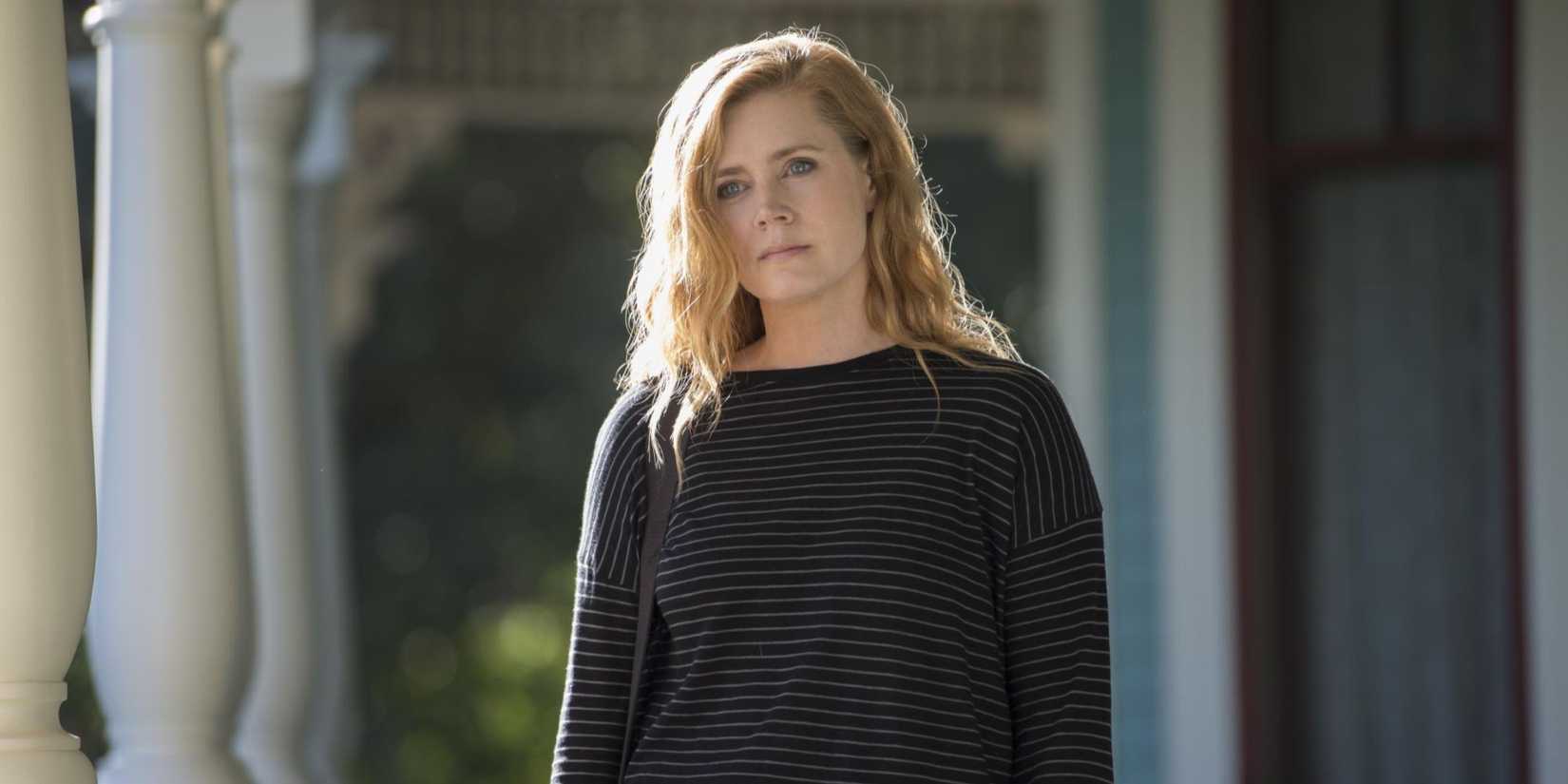
Based on Gillian Flynn’s novel, it follows crime reporter Camille Preaker (Amy Adams) as she returns to her hometown to investigate the murder of two young girls. As she looks into the case, she must also combat demons from her own past that begin to re-emerge. With its macabre allure defined by its Southern Gothic aesthetic, simmering tension, and its penchant for devastating plot twists, Sharp Objects is every bit as addictive on rewatch as all its intricacies and stylish splendor wash over viewers anew.
4
‘Band of Brothers’ (2001)

Viewed by many as being the outright greatest piece of war drama ever produced for the screen, Band of Brothers is a defining triumph of HBO’s excellence in the early 21st century. Following Easy Company’s campaign through the European Theater of WWII, it tracks the soldiers from their basic training and their airdrop into Normandy on the eve of D-Day, through the litany of battles they are actively involved in, and up to their uneasy presence in Germany at the end of the war.
As is the nature of war television, so much energy in the first viewing is spent agonizing about the health and safety of the characters and being completely immersed in the sheer scale of the production. While even several rewatches still come with both of those qualities, they also bring a greater appreciation for just what the miniseries achieves, especially as its air of camaraderie and courage becomes a more pronounced aspect of the series.
3
‘The Leftovers’ (2014–2017)
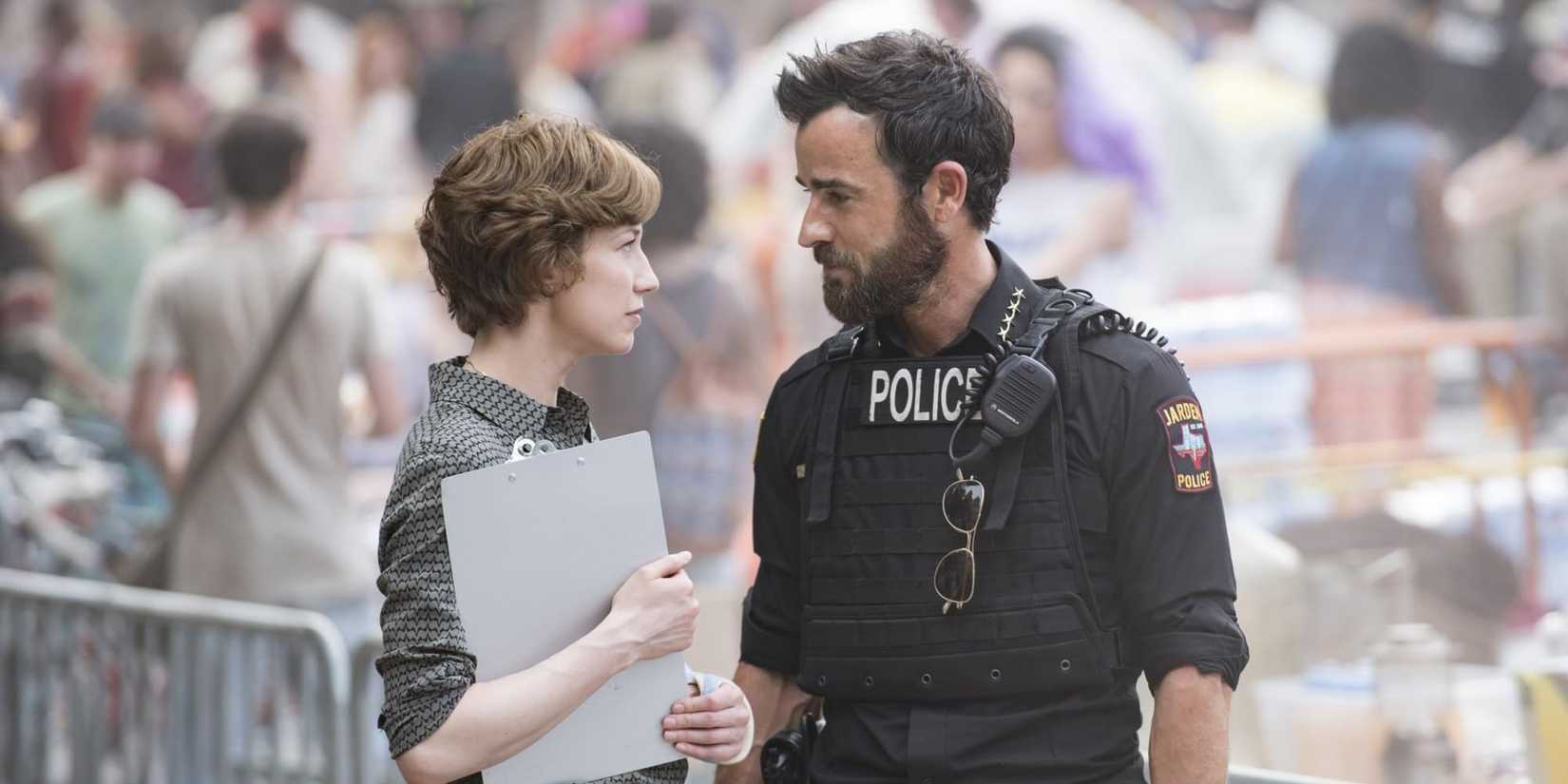
One of HBO’s most astonishing extended series, The Leftovers is a drifting, meandering gem of small-screen drama that embeds viewers in a world of grief, trauma, and loss. On October 14, 2011, two percent of the world’s population vanished without a trace. Three years later, what remains of society is torn between trying to move on with their lives and succumbing to mourning and loss.
The series can be unusual at first, especially as it functions more as a meditative observation of aimless people rather than a driven narrative with set stakes and goals for major characters, but once viewers are on board with its unique style and tone, it becomes enrapturing. A second viewing invites fans to indulge in The Leftovers’ peculiarities and might from the outset while delving deeper into character decisions and thematic ideas throughout the entirety of the three-season tenure.
2
‘The Sopranos’ (1999–2007)
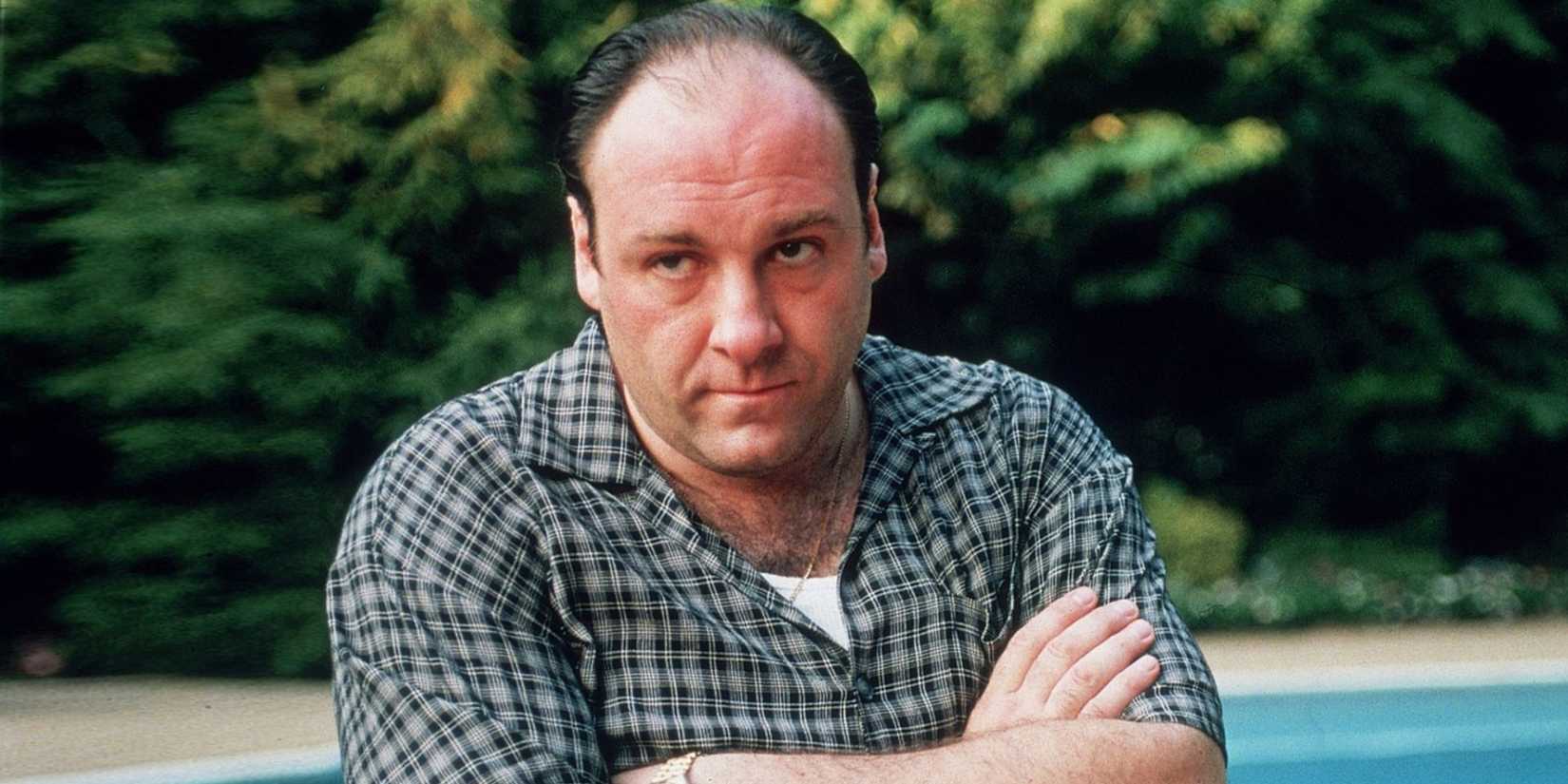
No series in the history of television has been as synonymous with a network or channel as The Sopranos is for HBO. The crime drama character study is the spearhead of the medium’s rise to being considered a prestige form of entertainment, with its six-season run following New Jersey mobster Tony Soprano (James Gandolfini) as he struggles to balance his dangerous profession against his peaceful private life, presenting one of television’s greatest ever spectacles.
It doesn’t diminish on rewatch. In fact, if anything, The Sopranos only gets better on a second viewing as the contemplative depth of its focus on Tony’s psychological state and morality surpasses the high-stakes tension of the crime drama. Secondary characters like Carmella (Eddie Falco) and AJ (Robert Iler) become more sympathetic figures, while the rush of the violence and immorality becomes more philosophical than thrilling. The scenes between Tony and Dr. Melfi (Lorraine Bracco) are particularly impressive in this regard, giving what is a confronting and raw gangster series a compelling insight into the mind of what is still television’s most fascinating and complex character.
1
‘The Wire’ (2002–2008)
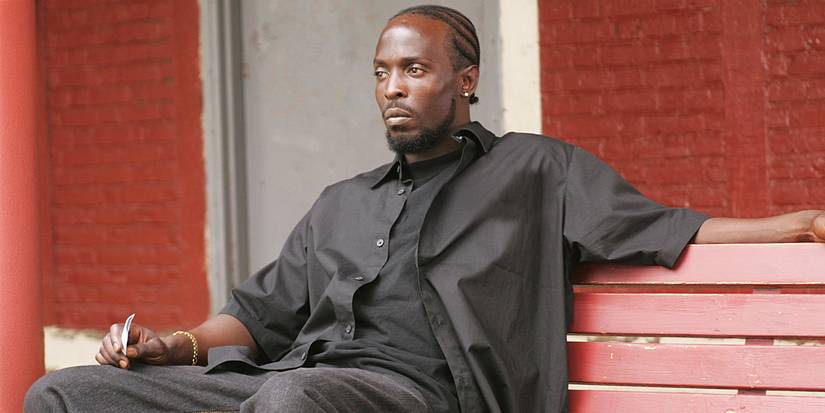
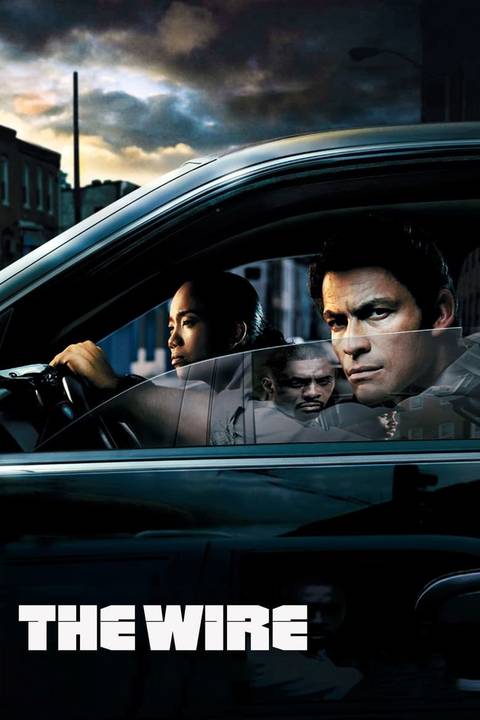
Timelessly important and epic in scope, The Wire is arguably television’s finest ever achievement, a stunning and realistic analysis of a city’s criminal infrastructure, police department, and political system. Co-created by Baltimore crime reporter David Simon and veteran detective Ed Burns, the five-season masterpiece is all-encompassing in its coverage of corruption, morality, and strategy on both sides of the law.
On first viewing, it is impossible not to be swept away by the series’ sense of scale and momentum, especially with such a vast array of characters on display, all of them defined by their own agendas, objectives, and moral codes. When The Wire is rewatched, it is far easier to focus on the bigger picture, to appreciate the jolting setting changes season-to-season and to embrace the show as a stunning mosaic of a city’s institutional pitfalls that is, sadly, every bit as relevant today as it was twenty years ago.

The Wire
- Release Date
-
2002 – 2008-00-00
- Network
-
HBO
- Directors
-
Ernest R. Dickerson, Ed Bianchi, Steve Shill, Clark Johnson, Daniel Attias, Agnieszka Holland, Tim Van Patten, Alex Zakrzewski, Anthony Hemingway, Brad Anderson, Clement Virgo, Elodie Keene, Peter Medak, Rob Bailey, Seith Mann, Christine Moore, David Platt, Dominic West, Gloria Muzio, Jim McKay, Leslie Libman, Milcho Manchevski, Robert F. Colesberry, Thomas J. Wright
You must be logged in to post a comment Login