Entertainment
10 Heaviest Movie Masterpieces of All Time

There isn’t a single defining quality that marks the difference between a great movie and an all-out masterpiece. The latter transcends the boundaries of its genre entirely, delivering groundbreaking truths about the human condition that remain timeless across generations. But often, no matter how much of a masterpiece a motion picture is, it’s still so heavy that it’s undeniably tough to get through.
Likewise, there are many factors that can make a cinematic masterpiece feel heavy. Whether it’s because it’s emotionally devastating, because it has a runtime and sense of pacing that demand patience, or because it’s bleak and pessimistic, a heavy film can nevertheless be counted among the greatest masterpieces in movie history. These ten gems, ranked from worst to best, prove it.
10
‘An Elephant Sitting Still’ (2018)


Nearly four hours long, the Chinese arthouse drama An Elephant Sitting Still is definitely not for everyone; but all those looking for an absolutely fascinating slow-burner ought to give this masterpiece a chance at least once in their lives. It’s also, however, one of the most depressing movies of the last 10 years, which adds another layer of challenge to an already impenetrable movie.
Even still, the inaccessibility of this slice-of-life anti-drama is the whole point, since the film is all about the suffocating sense of meaninglessness and isolation of life with depression. Directed Hu Bo, who was only 29 years old when he finished the movie, suffered from depression himself. Shortly after finishing the film, he took his own life. It’s a background that only adds further weight to an already incredibly heavy movie, but it also adds another reason to witness the incredible legacy that Bo left behind.
9
‘A Woman Under the Influence’ (1974)

Though he was also an actor, Nick Cassavetes was particularly important as a director, one of the most important voices of independent cinema during the New Hollywood movement. His biggest masterpiece from that period is almost undoubtedly A Woman Under the Influence, one of Gena Rowlands‘ most essential movies, where she delivers what’s by far one of the greatest acting performances of 20th-century cinema.
It’s largely Rowlands’ powerhouse performance as a housewife exhibiting signs of severe mental distress that makes A Woman Under the Influence such an emotionally heavy film. Its depiction of mental illness, marital troubles, and the pressure of patriarchal societal expectations on both men and women is so raw, exhibiting Cassavetes’ usual commitment to realism, that it’s not an easy feat to get through all 2-and-a-half hours of this masterpiece’s runtime.
8
‘Incendies’ (2010)

By now, Denis Villeneuve is widely praised as one of the greatest filmmakers currently working in Hollywood, but even the greats have to start somewhere. In Villeneuve’s case, that was his native Canada. There, he made Incendies, one of the greatest Canadian movies of all time. It’s the country’s highest-rated film of all time on Letterboxd by a decent margin, and for good reason.
A harrowing exploration of the cyclical nature of violence and trauma, complete with one of the most shocking plot twists in the modern history of cinema, Incendies is not for the faint of heart. Far more than just a family mystery, it’s a thematically sharp and emotionally profound experience that you just can’t shake, one of the films that best depict the brutality of war.
7
‘Oldboy’ (2003)

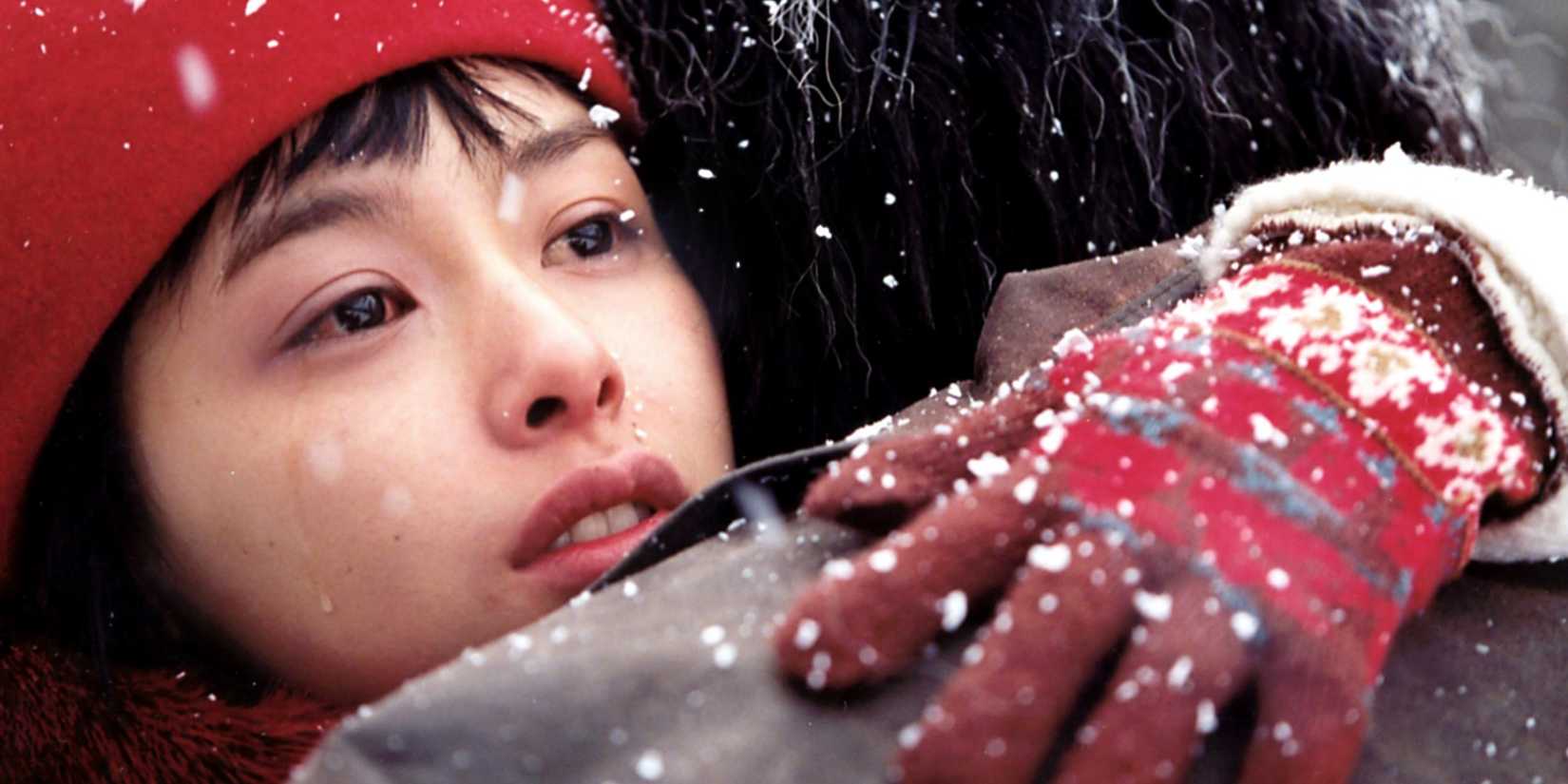
Park Chan-wook is one of the greatest filmmakers in the history of South Korean cinema, and his Vengeance Trilogy is one of the best R-rated movie trilogies of all time. As phenomenal as its predecessor and successor are, however, there’s really no question regarding which is the best installment of the three: It has to be Oldboy, based on the Japanese manga Old Boy by Garon Tsuchiya and Nobuaki Minegishi.
This action thriller is packed with some of the most thrilling action set pieces and most shocking plot twists in the history of the genre, but one of those twists is particularly brutal. It’s a reveal that recontextualizes the entire film, making rewatches more of a daunting challenge—however tempting—than an inviting comfort watch. As brutal and emotionally heavy as the rest of the film is, it’s that final twist that really makes Oldboy such a relentlessly gut-wrenching experience.
6
‘There Will Be Blood’ (2007)
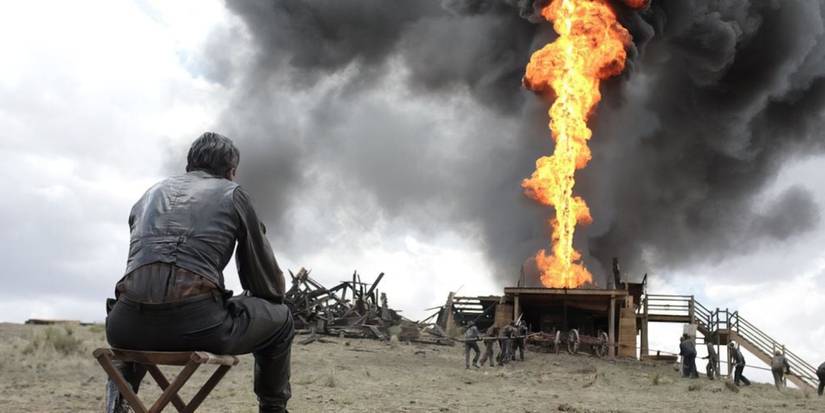
Paul Thomas Anderson has been making some of the greatest motion pictures of his generation for years, but when the conversation is about what his best work to date is, there tends to be agreement: It has to be There Will Be Blood, the period drama where Daniel Day-Lewis delivers what some still think is the greatest acting performance of the 21st century thus far.
Even aside of its exceptional cast, however, There Will Be Blood is one of the most perfect movies of the last 30 years, with some of the strongest writing and most impressive production values of any PTA masterpiece. But with its slow pacing, oppressively dark atmosphere, unrelenting misanthropy, and Day-Lewis’ terrifying performance, it may also very well be the heaviest movie in its director’s body of work.
5
‘Se7en’ (1995)
David Fincher is the modern Master of Suspense, and he has directed several of the greatest thrillers of any filmmaker from his generation—chief among which is Se7en. In almost 30 years, it hasn’t ceased to be deeply admirable that such a bleak and pessimistic movie became a blockbuster that grossed over $300 million dollars at the box office worldwide. Indeed, it’s one of the scariest mystery movies ever made.
It’s such a terrifying film, in fact, that some may even consider it part of the horror genre, placing it next to icons of the genre like The Silence of the Lambs as one of the best crime horror movies ever. At no point does Se7en give the audience room to truly breathe; on the contrary, it only keeps growing more oppressive and cynical as the runtime keeps progressing, concluding with one of the most harrowing third acts in the history of Hollywood cinema.
4
‘Schindler’s List’ (1993)
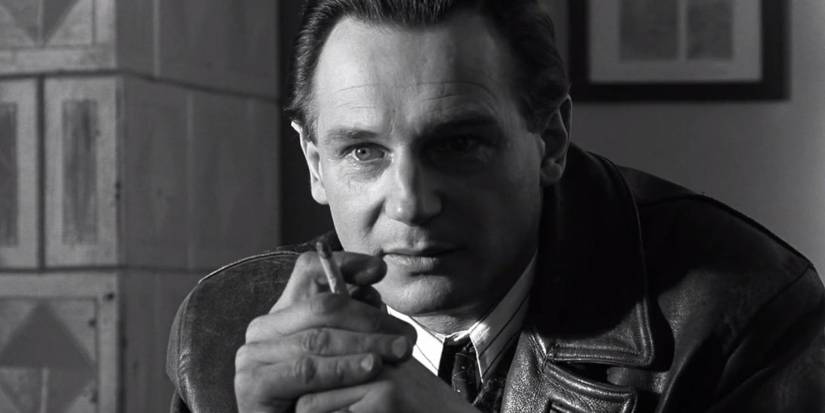
As well-known as he is for his work in the realm of blockbusters, which he pretty much brought to life, Steven Spielberg happens to have made his magnum opus in the form of a World War II drama that’s not a blockbuster at all. Because as enormous of a box office hit as it was, Schindler’s List was clearly not designed as a crowd-pleaser, and it still remains the most depressing movie that Spielberg has made thus far.
Nevertheless, it’s one of the best biopics of all time, with one of John Williams‘ most haunting scores and a phenomenal cast whose every member is at the top of their game. Films about the Holocaust are always incredibly heavy and harrowing movies, but Schindler’s List in particular is so raw and relentless in its depiction of the subject matter that it stands out among its peers. It’s not all doom and gloom, however, with Spielberg being able to find surprising amounts of humanity and hope even in such a dark story.
3
‘City of God’ (2002)

The world of Latin American cinema is one filled to the brim with underappreciated masterpieces, and Brazil’s filmography is no exception; but City of God is no underappreciated masterpiece. Rather, as one of the highest-rated films of all time on both Letterboxd and IMDb, it’s almost universally recognized to be one of those crime movies that are perfect from the first scene to the last.
City of God shows life on the slums of Rio with unparalleled rawness, finding ample shock value to barrage the audience with. At the same time, however, it never feels like it’s sensationalizing its subject, but rather treating it with all the sensitivity and realism that it deserves. As brutal as it is emotionally weighty, City of God is nevertheless one of those masterpieces that every film fan should watch at least once in their lives.
2
‘The Passion of Joan of Arc’ (1928)

Learning to understand and appreciate the silent days of cinema takes time and some degree of work; but once you get there, the window opens up to several of the most artistically gifted filmmakers in the art form’s history. One such artist is Carl Theodor Dreyer, whose The Passion of Joan of Arc is far and away one of the most intense silent movies of all time.
The story of the titular saint was already an incredibly dense, intense, and heavy story on paper, but the many ways that Dreyer finds to elevate all of those qualities in his 1928 masterpiece is truly admirable. Visually striking, perfectly paced, and anchored by Maria Falconetti delivering what may very well be the greatest female acting performance in cinema’s history, The Passion of Joan of Arc is unexpectedly moving for a movie that has no dialogue.
1
‘Come And See’ (1985)
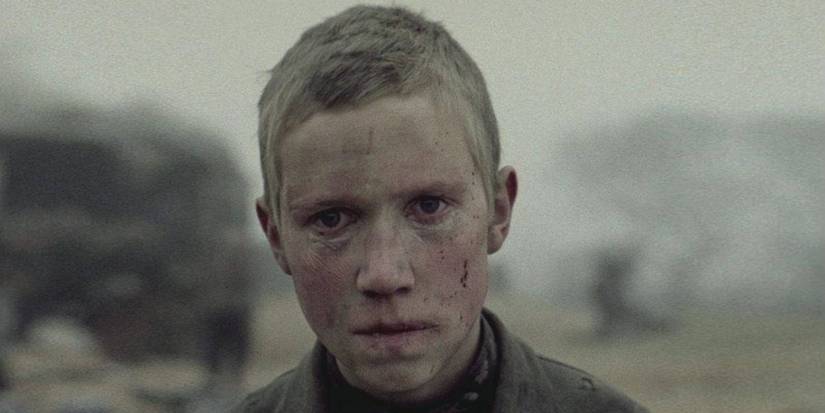
Calling Elem Klimov‘s gut-wrenching Soviet masterpiece Come And See one of the heaviest World War II movies of all time would be kind of an understatement. The fourth-highest-rated feature film of all time on Letterboxd, this war drama is one of countless films that depict how war destroys innocence through the eyes of a child protagonist; but no movie with such a premise executes it with quite as much quasi-surreal horror as Come And See.
Indeed, this may not be a horror movie, but it sure feels like one more often than not. Loud, nightmarish in tone, and unrelentingly committed to the utmost realism, the film is absolutely relentless in its barraging the audience with constant noise, pain, death, and trauma. It’s definitely the kind of war movie that demands a strong stomach, but those courageous enough to watch it will be treated to one of the most admirable cinematic masterpieces in history.


Come And See
- Release Date
-
October 17, 1985
- Runtime
-
142 Minutes
- Director
-
Elem Klimov
- Writers
-
Elem Klimov, Ales Adamovich


You must be logged in to post a comment Login