Entertainment
10 Miniseries That Will Keep You Hooked From Start to Finish

Relishing the extended storytelling nature of television drama while still delivering narratives that can be resolved in one digestible sitting, miniseries present something of a happy middle ground between the succinct, two-hour tenure of cinema and the sprawling, years-spanning expansiveness of traditional TV. The very best limited series have executed this balancing act to perfection, conjuring engrossing long-format drama that hooks viewers in from the opening moments and doesn’t relent until the last minutes of the finale.
The past ten years have been something of a golden era for the form, and recent miniseries are well represented on this list, but so too are the defining hits of decades long past that helped establish television as a medium for prestige drama. From historical epics and grandiose war dramas to true crime thrillers and Western gems, these miniseries make every second count and stand among the finest titles in the format because of that.
10
‘Adolescence’ (2025)


Marking one of the more recent sensations in Netflix’s pantheon of classic miniseries, Adolescence excels as both a technical marvel and a timely story of profound urgency. Every single episode of the four-part miniseries unfolds in one continuous shot, an arduous approach that is executed with such perfection and craftsmanship that the series engulfs viewers from its opening moments and holds their attention right up until its poignant and tragic ending.
The series revolves around the arrest of a 13-year-old boy for the murder of his classmate, with its episodes covering the arrest and the immediate aftermath, the police’s investigation at the school, a viscerally intense meeting between Jamie (Owen Cooper) and a psychologist, and, 12 months on, how the Miller family struggles to live in the wake of Jamie’s crime. Adolescence is a stunning display of technical ambition and powerhouse acting, but it is also a story of immediate importance that addresses the intersection between the toxicity of internet culture and the festering wave of misogynistic angst among youths.
9
‘Roots’ (1977)


Almost 50 years have passed since Roots aired on ABC, and yet it is virtually impossible to name a miniseries that has had a more pronounced and enduring cultural impact. Simply stunning, albeit incredibly confronting, the eight-part limited series illustrates the history of slavery and racism in America through the perspective of Mandinka warrior Kunta Kilte (LeVar Burton and John Amos), an African native condemned to slavery, and his descendants.
Spanning from the mid 1700s through to the events of the American Civil War and its aftermath, Roots delivers a multi-generational tragedy of the dehumanizing effects of slavery that is as absorbing in nature as it is epic in scope. Even as elements of its storytelling have become slightly dated and the feeling of realism it flaunted in 1977 has been surpassed by more recent depictions of slavery, Roots’s arresting scale and overlapping story of lineage and generational trauma remain compelling. Its legacy and importance are irrefutable, while its enduring quality is largely intact, making it one of the most impressive and admirable miniseries ever made.
8
‘Pride and Prejudice’ (1995)
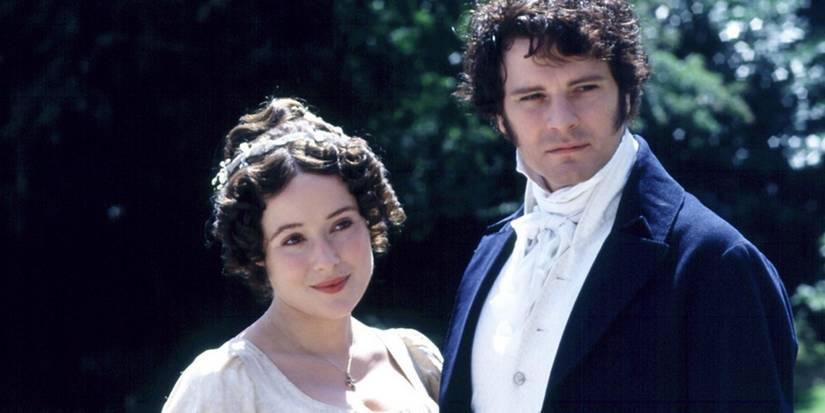
The allure of period piece drama and class commentary in cinema, especially in recent decades, has largely been defined by adaptations of Jane Austen’s defining literary works. Among the very best of them is the BBC’s six-part realization of Pride and Prejudice in 1995, with the miniseries using the full breadth of its six-hour runtime to revel in every detail and nuance Austen conceived while leaning on the strength of its lavish production and two sublime lead performances from Jennifer Ehle and Colin Firth.
It follows the complex yet tender romance between Elizabeth Bennet, a strong-willed though socially attuned young woman, and Mr. Fitzwilliam Darcy, a mysterious and initially aloof suitor who is said to possess a vast wealth. Bolstered by its faithfulness to Austen’s novel, the miniseries shines as a simmering slow-burn of passion and class that works wonderfully in concert with the restrained control and enthralling subtleties of the performances. Also excelling at combining Austen’s romantic intrigue with her witty satire on social status, Pride and Prejudice is a defining triumph of the limited series format as it ensnares viewers in 1800s England with ravishing artistry and craftsmanship.
7
‘Generation Kill’ (2007)
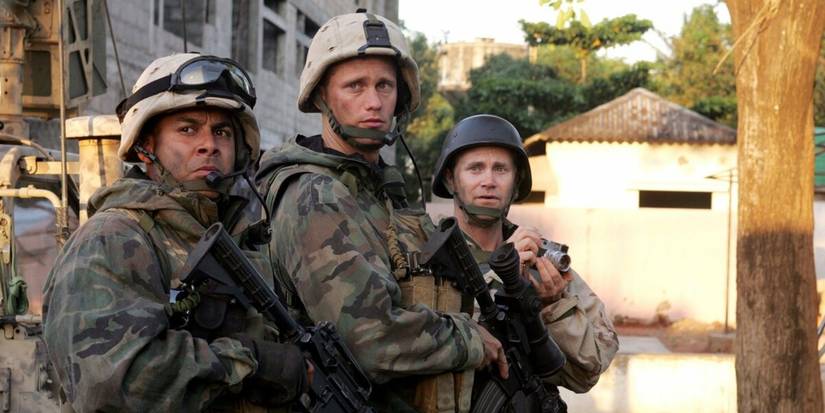
Marking a rare example of an HBO production being criminally underrated by the masses, Generation Kill thrives on its basis on Evan Wright’s experiences as an embedded reporter and co-creators David Simon and Ed Burns’s trademark adherence to gritty, detailed realism. The seven-part miniseries documents true events as it follows the U.S. Marine Corps’ 1st Reconnaissance Battalion in the early stages of the Iraq War, following the obstacles and combat experiences the soldiers face during the first three weeks of the invasion of Iraq.
Grounding its military drama in a distinctly observational air of camaraderie, the series is able to ask pressing questions about the psyche of soldiers while using their bonds as an emotional catalyst for the story. It works remarkably well, using relatability and absurdity in equal measure while exploring the impact such issues as communications errors, bureaucratic red tape, and the monotony of waiting for action have on the troops. Both a piercing dissection of military psychology and a skewering question of the validity of the Iraq War, Generation Kill is among the greatest illustrations of modern warfare film and television have ever seen.
6
‘I, Claudius’ (1976)

Agelessly captivating and incredibly fascinating, I, Claudius is something of a forgotten gem of British television. A historical epic, based on Robert Graves’ historical novels, the 12-episode miniseries analyses the political maneuverings and deadly betrayals of Ancient Rome from the perspective of an aging Claudius (Derek Jacobi), who is sure he himself is soon to be assassinated. With Claudius’s meditations spanning back to 24 BC and leading up to his demise in 54 AD, the series navigates the vicious viper’s pit of greed, corruption, and power that the Roman Empire was.
Intricately weaving a narrative thread that blends engrossing storytelling with historical accuracy, all while flaunting a litany of exceptional performances, I, Claudius is an icon of television ambition that was years ahead of its time. Even its low-budget, theatrical-style production design contributes to its spectacle, presenting something that is unique and serviceable, especially as it allows the storytelling and character drama to soar.
5
‘Brideshead Revisited’ (1981)

A stunning adaptation of Evelyn Waugh’s 1945 novel of the same name, Brideshead Revisited excels as a visually divine and emotionally ensnaring exploration of social change in the aristocracy leading up to WWII. Jeremy Irons stars as Charles Ryder, a disillusioned Army captain who relocates his brigade to Brideshead, the former home of his past friends, the Marchmain family. As his recollections date back to the summer of 1922, Ryder is torn between nostalgic yearning and military pragmatism as he is forced to accept that the aristocratic lifestyle he once tasted is diminishing.
Faithful to the source material, with as much as 95% of the dialogue being taken directly from the novel, Brideshead Revisited matches Waugh’s investment in thematic ideas of nostalgia, class, sexuality, and faith. Complimented by its exceptional cast and gorgeous cinematography that immerses viewers in the idyllic allure of pre-WWII Oxford, Brideshead Revisited is a truly timeless period piece, an enduring gem of British television that captures the elegance, grandeur, and thematic weight of the genre in spectacular fashion.
4
‘Dekalog’ (1989–1990)

While it does cater more to the enjoyers of arthouse productions with its measured pacing, thematic overtones, and its international heritage, Dekalog is a trailblazing masterpiece of miniseries drama that holds a unique spiritual allure. The Polish series consists of ten one-hour films, each of them inspired by a decalogue of the Ten Commandments, that explore the lives and moral conundrums faced by different people living within the same housing complex in 1980s Poland.
With all 10 episodes being co-written and directed by Krzysztof Kieślowski, Dekalog benefits from evolving through the lens of one tight and concentrated creative vision, even as other creative leads, like cinematographers, change with each episode. The end result is a visually distinct and eerily haunting analysis of the overlapping stories of a community, with each character’s struggle being realized with such nuance and depth that the series as a whole becomes a stunning mosaic of existentialism and morality. It’s confounding and complex, but undeniably absorbing, making it an addictive, challenging miniseries that stands the test of time.
3
‘Lonesome Dove’ (1989)
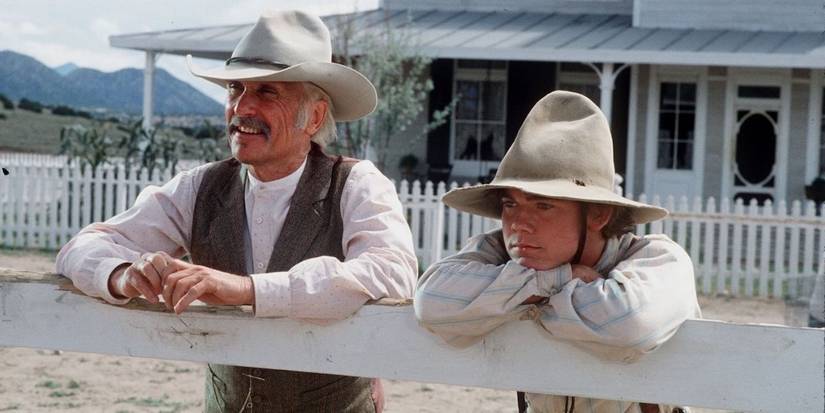
Western cinema famously underwent a revisionist resurgence in the early 1990s, a trend seemingly spearheaded by the success of Oscar-winning films like Unforgiven and Dances with Wolves. However, the genre was arguably gaining popularity throughout the latter part of the 1980s through its television hits, with CBS’ four-part adaptation of Lonesome Dove by Larry McMurtry a spearhead in this genre revival. Graced with an ensemble cast, it thrives off the lead performances of Robert Duvall and Tommy Lee Jones, with the duo starring as two former Texas Rangers who set out on a journey to Montana with the hope of recapturing their adventurous spirit.
A traditional tale of the genre rife with Western grandeur, a rollicking sense of adventure, and a rewarding investment in character development, Lonesome Dove has come to be regarded among the greatest miniseries of the 20th century and as something of a cult gem of Western entertainment. It’s warm and inviting, yet avoids slipping into the glossy, idyllic fantasy of the Old West Hollywood productions sometimes indulge in, instead excelling as a touching story of friendship, mortality, and the complexity of love in a manner that is earnest, relatable, and entertaining.
2
‘Chernobyl’ (2019)
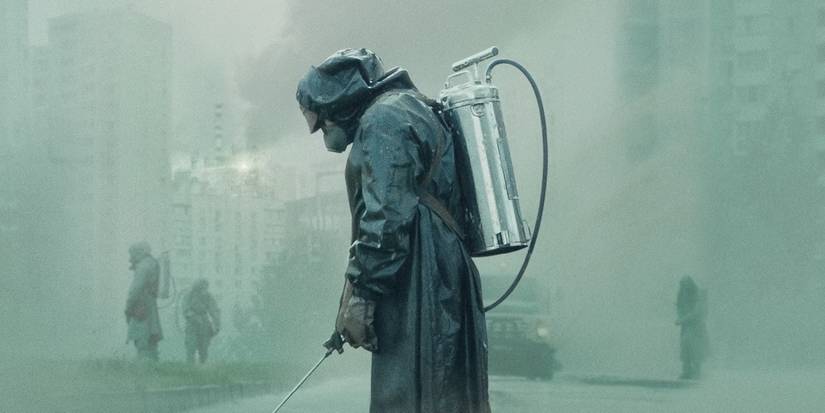
Standing as perhaps the greatest miniseries ever made, Chernobyl is a historical drama laced with a visceral sense of dread and terror that imposes itself in the opening minutes of episode one and never relents, even lingering long after viewers have finished the show. Starting on the night of the reactor meltdown, the five-part HBO release explores the immediate aftermath of the Chernobyl nuclear power plant disaster, the strenuous and sacrificial efforts to contain the radioactive fallout, and the eventual political ramifications of the Soviet Union’s deceit regarding sharing information about the catastrophe with the world.
Anchored by its litany of exceptional performances and Craig Mazin’s intense, detail-driven story that cascades from one heart-stopping calamity into another with propulsive urgency and near-unbearable tension, Chernobyl is as masterful a historical drama as has ever been made for television. Able to acknowledge the heroism of so many who risked their lives to reduce the impact of the fallout, while also condemning the institutionalized rot and political corruption that led to such a heinous incident taking place, the miniseries is as thematically precise as it is epic in scope, and it will stand among TV’s most captivating triumphs for many years to come.
1
‘Band of Brothers’ (2001)

Viewed by many as being the definitive accomplishment in the history of miniseries productions, Band of Brothers is a devastating yet enrapturing WWII drama that follows the campaign of Easy Company through the European Theater of the Second World War. Created by Steven Spielberg and Tom Hanks, and bolstered by interview footage with the real-life soldiers whose experiences the series depicts, Band of Brothers excels not only as a masterful realization of the brutality of war, but as an illustration of the camaraderie and bond between soldiers as well.
Complimented by its astounding ensemble cast and the sheer magnitude of its production value—especially for its time—the HBO classic is still every bit as absorbing and addictive today as it was 25 years ago. It balances moments of humanity and hope with poignant and painful illustrations of the destruction of war, covering everything from the visceral horrors of combat to the subdued psychological strain of war, and even the utter evil of the Holocaust with profound maturity and ceaselessly compelling artistry.

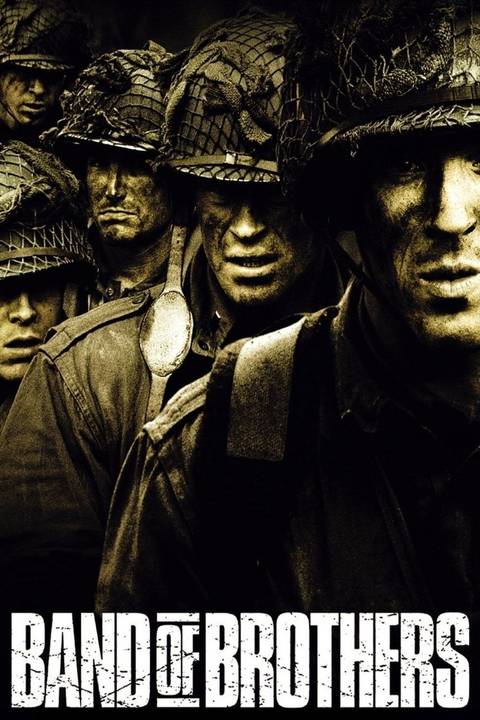
Band of Brothers
- Release Date
-
2001 – 2001
- Network
-
HBO
- Directors
-
David Frankel, David Nutter, Mikael Salomon, Phil Alden Robinson, Richard Loncraine, Tom Hanks
-

-

Donnie Wahlberg
C. Carwood Lipton

You must be logged in to post a comment Login