Entertainment
10 Most Ambitious Movie Franchises of All Time, Ranked

Movie franchises are the bread and butter for every movie studio. These movies are mass entertainers and can bring a boatload of money that can power the studio for years to come. Take Star Wars, which started in 1977 and remains a recognizable title almost 50 years later. The right franchise can spark a new trend in cinema. Just a decade ago, Hollywood was in the fantasy-adventure era with movies like Harry Potter and Pirates of the Caribbean, then it went to the young adult era with Twilight and The Hunger Games, and now it is still firmly in the superhero trend.
Here, we take a look at some of the most ambitious film franchises of all time. Some reshaped filmmaking through technological breakthroughs, and a few aimed high before ultimately collapsing under their own weight. Whether they succeeded, stumbled, or did a bit of both, each reflects a moment where ambition, and maybe the promise of box office gold, is the driving power.
10
‘Sony’s Spider-Man Universe’ (2018–2024)


Sony’s Spider-Man Universe set out to build an MCU-inspired franchise centered on the hero’s rogue gallery of villains, beginning with Venom. The idea was to establish a parallel universe that could eventually intersect with Spider-Man himself. The franchise released six movies, including Morbius, Madame Web, and Kraven the Hunter, without Spider-Man ever appearing.
Sony must be appreciated for its (blind) ambition to build a cinematic universe to rival the MCU. While Venom went on to conclude its trilogy, the other movies mostly became memes and laughingstocks, with Morbius and Madame Web struggling with tone and narrative coherence. The franchise aimed to replicate the interconnected success of the MCU, but without clarity. For example, the end of Venom: Let There Be Carnage promised that Tom Hardy’s Eddie Brock would seek out Tom Holland‘s Spider-Man, but that was quickly dismissed. Madame Web also teased the appearance of Peter Parker, but the timeline wasn’t clear. After diminishing returns, Sony finally came to its senses and seemingly cancelled the universe.
9
‘DC Extended Universe’ (2013–2023)


Playing catch-up to the success of the Marvel Cinematic Universe, DC aimed to create a darker, more mythic version with the DC Extended Universe. Turning the standalone Man of Steel into the franchise starter, it expanded quickly with Batman v Superman: Dawn of Justice, which not only featured Batman and Wonder Woman but also teased other heroes and future storylines. A total of 11 films were planned afterwards, but only five were released. Ten other films in the franchise were not part of the original slate.
With Zack Snyder as its main architect, it’s clear that the DCEU would never be similar to its Marvel counterpart. However, Warner Bros. caved in after the unexpected reception of Batman v Superman: Dawn of Justice, and they started to tinker with Suicide Squad and Justice League, trying to make them lighter and fun, resulting in an uneven mess that couldn’t be repaired. There are great, successful movies in the franchise, like Wonder Woman or James Gunn‘s The Suicide Squad, but ultimately, studio interference and creative clashes killed the DCEU.
8
‘Dune’ (2021–2026)

After David Lynch‘s attempt in 1986, Denis Villeneuve adapted Frank Herbert’s dense, politically charged Dune with a measured, atmospheric approach. Rather than condensing the rich story into a single film, Villeneuve opted to split the story into two to give its world and ideas room to breathe. With a star-studded ensemble led by Timothée Chalamet, the film quickly became a critics’ and audiences’ favorite.
Villeneuve made a huge gamble with Dune. The first film literally ends at the midpoint of the story, and the sequel was not filmed back-to-back. If critics rejected the film or if it didn’t turn enough profit, the follow-up would not see the light of day. To make things worse, it was released post-COVID, released simultaneously in theaters and on HBO Max. However, Dune was a commercial success and was nominated for a whopping ten Oscars, winning six. The sequel, which offers the payoff, was equally beloved by audiences and critics. After making two films that can be considered among the best sci-fi films in recent memory, Villeneuve and the cast are now prepping the third film, which is due to be released in December 2026.
7
‘Pirates of the Caribbean’ (2003–2017)

Based on a Disneyland theme park ride, Pirates of the Caribbean: The Curse of the Black Pearl defied the odds and became a runaway hit. Two sequels, Dead Man’s Chest and At World’s End, were greenlit soon after with Johnny Depp, Orlando Bloom, and Keira Knightley returning alongside director Gore Verbinski. The sequels followed the trio as Davy Jones (Bill Nighy) demands that Jack Sparrow pay his debt, and the East India Trading Company attempts to eradicate piracy.
The Pirates of the Caribbean trilogy is blockbuster filmmaking at its finest. The films are not interested in simple storylines, but they have a complex, ambitious plot that sees each character team up and betray one another. Some may say it’s unnecessarily convoluted, yet it’s riveting and unexpected until the end. The production of the second and third films was notoriously intricate as they were filmed back-to-back. With lots of on-location shoots, enormous practical sets, and amazing CGI effects, the budget was high, with At World’s End becoming the most expensive film at its time. All of that paid off with a spectacular box office gross. The next two sequels, however, opted for the safe route and were far less exciting.
6
‘Star Wars’ (1977–present)

From the very first film in 1977, Star Wars has always been ambitious. From pioneering revolutionary effects and sound design to intricate world-building. The main story is about the Skywalker Saga, following Luke Skywalker (Mark Hamill) and later Anakin Skywalker (Hayden Christensen). The franchise is expanding even more with spin-offs like Rogue One and acclaimed series like Andor and The Clone Wars.
Each new Star Wars project carries the burden of decades of lore and fan expectations. The team behind each Star Wars entry tries to keep it fresh while also respecting what came before. The projects usually have top-tier talent and spare no budget (currently, The Force Awakens holds the title of being the most expensive film of all time). Some have argued that currently the franchise is in a limbo, but considering how beloved and relevant it is, it’s unlikely that Star Wars is retiring any time soon.
5
‘The Matrix’ (1999–2021)
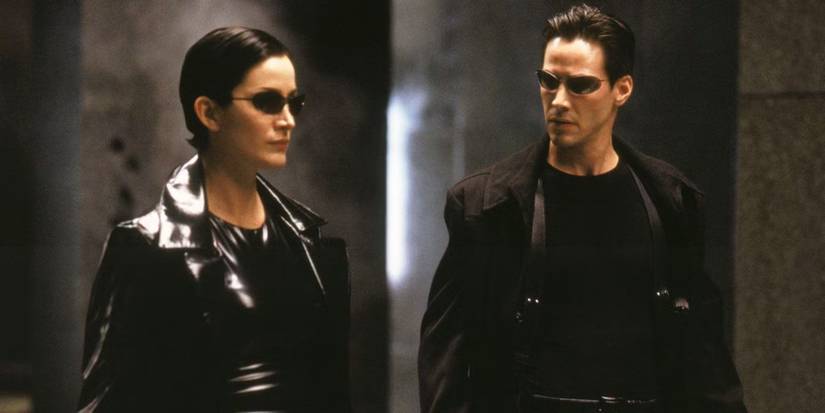
The Matrix introduced a cyberpunk world where reality itself is a simulation by following Neo’s (Keanu Reeves) journey to fulfill his destiny as The One. The first film is a generational achievement, blending philosophy and sci-fi action in a seamless manner, and its success led to sequels that expanded the mythology and criticized popular culture.
The franchise’s complex storyline is already ambitious for its time, but then The Wachowskis also pushed the envelope by pioneering visual techniques like the famous bullet time. The sequels, The Matrix Reloaded and The Matrix Revolutions, were filmed back-to-back with bigger ideas and even bigger action sequences. The highway chase in Reloaded is still regarded as one of the best action sequences of all time. Recently, instead of crafting an easy legacy sequel, Lana Wachowski created a subversive film in The Matrix Resurrections that defies audiences’ expectations, showing that ambition is still in the franchise’s DNA.
4
‘Harry Potter’ (2001–2011)

The Harry Potter series chronicles the journey of the titular young wizard as he studies at Hogwarts and confronts the darkness in the magical world. Over eight films, the franchise matured alongside its audience, transitioning from whimsical, family-friendly fantasy to a coming-of-age drama with a darker plot. The main trio is played by Daniel Radcliffe, Rupert Grint and Emma Watson, but the series also boasts the best of British actors in the supporting roles.
Releasing eight films within the span of ten years is almost unheard of today. The franchise’s ambition is evident in how it committed to long-term planning and commitment. The pre-production of the next film usually started when the previous film had not even finished filming, and the production process could take up to a year for each movie. It was also able to retain the same core actors across the decade, reflecting the actual growth of the characters. As a result, the Potter movies are beloved all over the world. The franchise has been a merchandising gold mine and immortalized in theme parks and massive studio tours.
3
‘Avatar’ (2009–present)

James Cameron’s Avatar franchise is set on the lush alien world of Pandora and follows Jake Sully (Sam Worthington), who integrates with the native community through the avatar technology. The films may have familiar plots, but the technological aspects of the franchise are simply mindblowing. The films utilized revolutionary performance capture for the actors playing the Na’Vi and created the whole planet from scratch through CGI.
Avatar is deeply ambitious for its innovation and also linguistic aspects, with the franchise creating a whole new language system for the Na’Vi people. The sequels, Avatar: The Way of Water and Avatar: Fire and Ash, featured even more complicated effects where the actors had to act underwater and have their performances translated into their CG characters. Entire workflows were created specifically for this franchise, from virtual production to 3D exhibition standards. Considering the intricate production process, it’s no wonder that the final film is slated to be released in 2031.
2
‘Marvel Cinematic Universe’ (2008–present)
The Marvel Cinematic Universe began modestly with Iron Man, but with a sneaky post-credit scene that teased future team-up films, it evolved into an interconnected web of films and characters. Over time, it introduced dozens of heroes and villains while building toward large-scale crossover events like The Avengers and Avengers: Endgame. The franchise expanded even bigger with TV series like Agents of SHIELD and various Disney+ shows.
Across five game-changing phases, Kevin Feige’s approach to the MCU turned blockbuster filmmaking into something similar to long-form television, but with massive budgets and A-list talent showcased in cinemas. No franchise had ever attempted serialized storytelling across so many films with such narrative continuity. The scheduling of the actors in Avengers: Endgame alone seems like a nightmare, and they’re attempting a bigger one with Avengers: Doomsday. This kind of cinematic universe sparked a lot of imitators, but so far, none have come close to replicating Marvel’s overwhelming success.
1
‘The Lord of the Rings’ Trilogy (2001–2003)
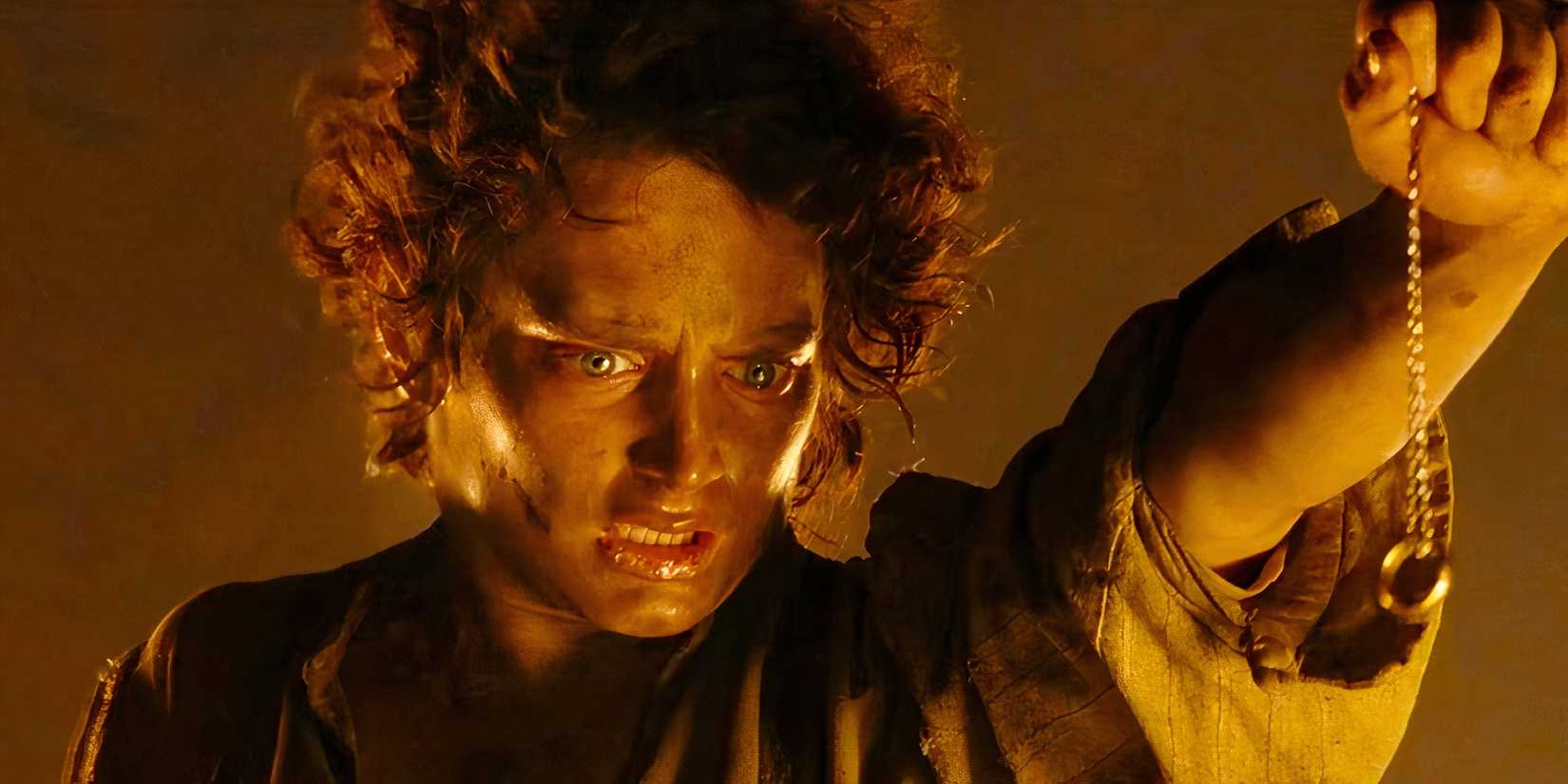
Peter Jackson’s Lord of the Rings trilogy adapts J.R.R. Tolkien’s monumental fantasy book, following the journey of Frodo Baggins (Elijah Wood) and the Fellowship as they attempt to destroy the One Ring. Jackson was not a household name when the movie started production, nor were the actors in the ensemble, making it a risky yet ambitious production.
All three films in the trilogy were shot back-to-back, showing the studio’s confidence in the property. The shooting schedule, which is not in chronological order, was also an ambitious feat. The most famous example is when Ian McKellen shot his farewell with the Hobbits in his first week of filming. Jackson and his team benefited greatly from his ongoing partnership with Weta Workshop and Weta Digital, which are now among the best at making practical effects and CGI. The trilogy is considered among the best fantasy films and is considered a masterpiece in cinema.
You must be logged in to post a comment Login