Entertainment
10 Most Intense Fantasy Movies Ever Made

When one thinks of fantasy cinema, the mind is typically drawn to enrapturing adventure, charming journeys through magical realms of wonder and curiosity where every new scene is an exciting treat of discovery. However, this isn’t always the case for the genre. There have been plenty of times when fantasy films have blended their otherworldly majesty with a sense of paralyzing intensity, be it in the form of horrific suspense, savage violence, or dramatic conviction.
Ranging from underrated gems of American cinema to bona fide and beloved classics of the international scene, these 10 fantasy movies stand as the most confronting and demanding the genre has ever seen. With everything from biblical epics to philosophical dramas, stomach-churning horror, and aggressively violent dark mythos included, this list presents a vast array of fantasy cinema at its bleakest and most brutal.
10
‘The Green Knight’ (2021)


Many fantasy movies confront viewers with their visual frightfulness and visceral violence, but others find their intensity in atmospheric surrealism and a rich philosophical descent into a complex character’s psyche. That is the case with The Green Knight, with the moody spin on Arthurian legend following Sir Gawain (Dev Patel) as he sets out to achieve glory by defeating the gigantic Green Knight (Ralph Ineson) in battle. His journey tests his convictions as he clashes with thieves, ghosts, and wild beasts on his quest.
Complimented by its thematic gravitas and eerie, horror-like tone, The Green Knight brilliantly subverts the traditional beats of the hero’s journey arc by emphasizing Gawain’s debilitating flaws, by focusing on his failures as a knight in a manner that is both painfully relatable and uncomfortably invasive. Ultimately soaring as a contemplative exploration of fear, the burden of manhood, and the inevitability of death, The Green Knight has cemented its place as a cult classic of fantasy cinema, as well as one of the genre’s most intense pictures in recent decades.
9
‘Conquest’ (1983)


A cult gem of Italian cinema that has proven to be rather polarizing, Conquest is a hallucinogenic descent into a nightmarish realm of evil and violence disguised as a swords-and-sandals adventure. Armed with a pounding synth score and a relentless appetite for body horror and gore, it follows two young warriors who stand against a ceaseless force of vicious beasts commanded by a demonic demigod.
What Conquest desperately lacks in storytelling it more than makes up for with its unreserved interest in stylish allure and experimental filmmaking, even often resorting to smearing Vaseline on the camera lens to create a disorienting, suffocating atmosphere of surrealist angst and otherworldly evil. Its abstract nature and psychedelic violence only add to this air of incomprehensible peculiarity, making Conquest a viciously intense, albeit divisive, example of fantasy cinema at its most extreme, a brutal assault on the senses that feels like a frightful fever dream from start to finish.
8
‘Solomon Kane’ (2009)

Combining the philosophical might of Robert E. Howard’s damned and dour character with a procession of unrelenting R-rated violence, Solomon Kane is an interesting intersection of ultra-violent action, spiritual fantasy, and anti-hero-driven drama. James Purefoy stars as the titular figure, a former privateer whose soul is damned to Hell after many years of sin. His new vow of pacifism is challenged when a Puritan girl he is close with is abducted by a sorcerer and his evil cult.
The balance of existentialism and morality that Kane must grapple with is integral to the film’s intensity, constantly questioning the merit of violence as Kane desperately fights to rescue Meredith (Rachel Hurd-Wood) from the gruesome fate that the cultists have planned for her. Also buoyed by its heavy, Gothic atmosphere and the visceral might of its gritty action, Solomon Kane is an underrated gem of dark fantasy loaded with questions of morality, justice, and righteousness.
7
‘Return to Oz’ (1985)

A far cry from the cheerful wonder and musical whimsy that made The Wizard of Oz such a timeless classic, Return to Oz became the sequel that traumatized a generation. Despite being rated PG, the 1985 fantasy functions as a dark, disturbing, and relentless psychological terror as it follows Dorothy (Fairuza Balk) as she escapes from a psychiatric ward and returns to Oz, only to find the magical land she knew decimated with the Emerald City resembling a post-apocalyptic ruin and her former friends being turned to stone.
Director Walter Murch leaned heavily on his background in sound design to construct a hellish aural experience that only makes the visceral unease of the movie all the more apparent. The screeching ferocity of the maniacal Wheelers and the vanity-obsessed Princess Mombi’s (Jean Marsh) bizarre gallery of heads are just some of the more visceral examples of the film’s horrifying darkness. Given its disconcerting focus on ideas of abandonment, upheaval, decay, and inhumanity, Return to Oz is a frightful picture for most adults, let alone the unsuspecting children who were scarred by it in 1985.
6
‘Coraline’ (2009)

Another example of a supposedly family-friendly movie leaving a wave of curious youngsters (and their parents) suffering nightmares, Coraline walks an agonizing line between childish suspense and scarring visual terror. The uncanny and disconcerting imagery enters the story as young Coraline (Dakota Fanning) discovers a doorway to an alternate world that initially seems far better than her own. However, Coraline soon realizes the idealized “Other World” houses some dark secrets when she finds herself trapped there and unable to return home.
Directed by stop-motion maestro Henry Selick, Coraline finds an eerie energy in the unnatural nature of character movements and the unsettling details that go into design features of the Other World’s inhabitants, namely the button eyes. From the striking horror imagery like the house made of rotting materials and Other Mother’s spidery transformation to the subliminal angst of jittery movements and disproportions, Coraline is a uniquely harrowing display of fantasy adventure full of concealed evils and chilling consequences.
5
‘The Crow’ (1994)

The Crow is an interesting amalgamation of ideas, fusing together elements of superhero vigilantism, revenge thrills, Gothic horror, action carnage, and dark fantasy to be one of the most iconic and impressionable movies of the 1990s. It is also shrouded in infamy due to star Brandon Lee’s tragic on-set death and even the original comic writer being inspired by his own traumatic experience in which his girlfriend was killed by a drunk driver.
The story itself is brutal, opening as gangsters rape and murder Shelly Webster (Sofia Shinas) before throwing her boyfriend, Eric Draven (Lee), from the window of their apartment complex. When Draven returns from the grave a year later, he seeks to exact revenge on those who wronged him. Excelling in a grim setting of perpetual rain, pulsing shadows, and urban decay as Draven’s vengeance pierces the lawless chaos with a blistering streak of righteous retribution, The Crow defines dark fantasy action at its most enrapturing.
4
‘The Seventh Seal’ (1957)
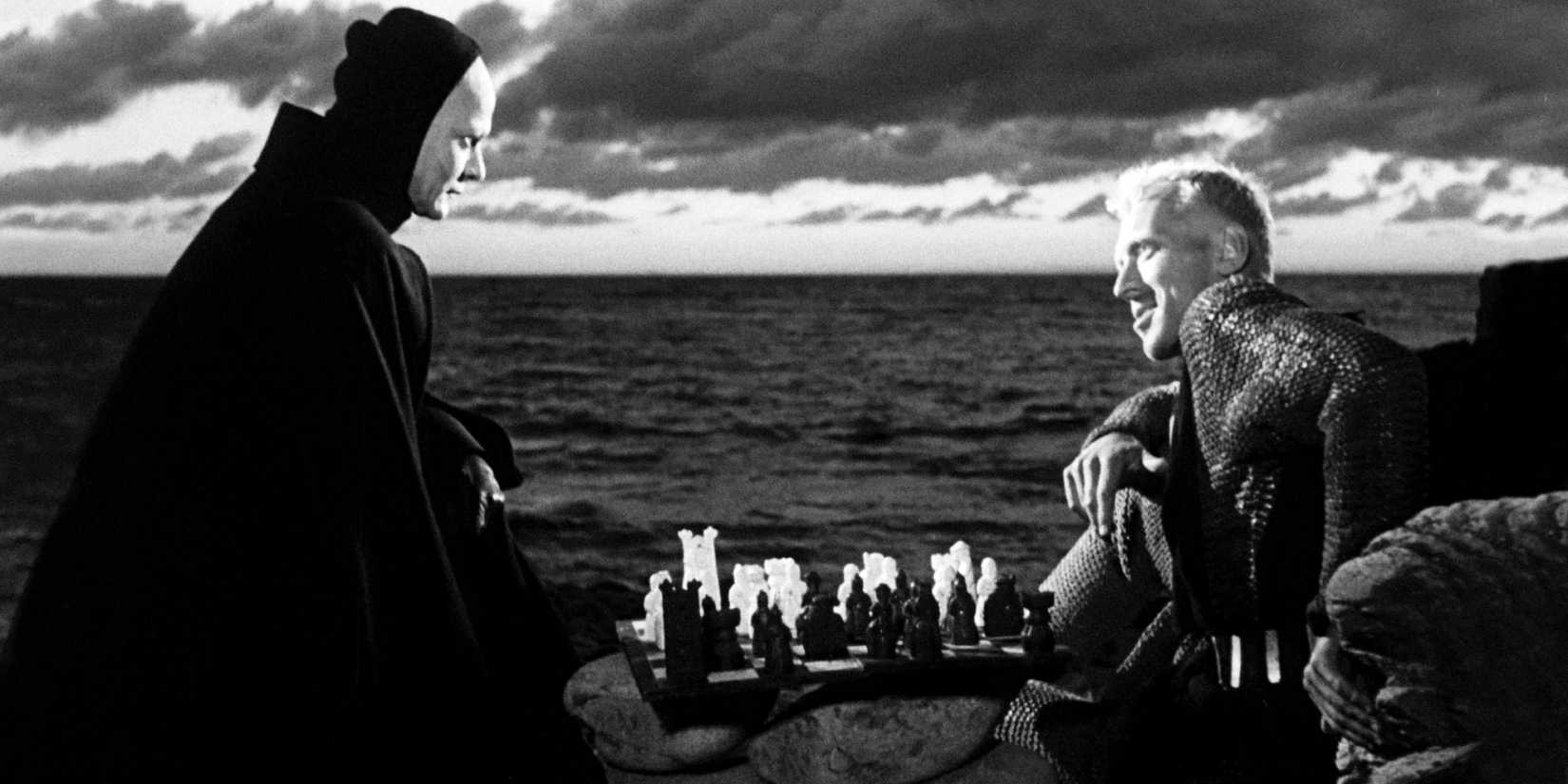
Powered by the striking presentation of its harsh black-and-white imagery, The Seventh Seal epitomizes Ingmar Bergman at his stunning, cerebral best. Through the story of Antonius Block (Max von Sydow), a knight of the Crusades who returns to his homeland to find his people besieged by the plague and challenges Death (Bengkt Ekerot) to a game of chess for his own life, the 1957 fantasy serves as an enrapturing mosaic of faith, mortality, humanity, and art.
While it refrains from being callous or overly cynical, The Seventh Seal does still find a certain intensity in its overarching sense of dread. The questions it asks defy easy explanations, forcing viewers to grapple with great existential thoughts concerning every aspect and impulse of the human condition. Given this philosophical might is boldly supported by the striking marriage of the film’s expressionist visuals and natural soundscape, The Seventh Seal is an arresting descent into a haunting world of doubt and fear that will linger on the minds of most viewers.
3
‘Ugetsu’ (1953)

One of the greatest movies in the history of Japanese cinema, Ugetsu is a deft marriage of period drama, anchored in the human toll and desperation of the devastation of war, and haunting fantasy folklore. Exuding a hypnotic though harrowing air of dreamlike surrealism, it unfolds in 16th century Japan as two peasants spy an opportunity to profit off the war raging around them, despite being warned against it by a local sage. Their ambitions threaten to ruin their families’ lives.
Derived from both jidaigeki—Japanese period drama—and ghost stories, Ugetsu enthralls as a macabre tale of opportunism and consequence in which the toll of the peasants’ actions is faced by their wives and families. The tragedy is deeply emotionally numbing, offering commentary on a bleak world of selfishness, violence, and despair. Through wafting shots and observational storytelling, Ugetsu delivers a scarring portrait of human evil and suffering, using fantasy to convey a sense of mythic caution that lingers on the viewer’s mind long after the credits roll.
2
‘Faust’ (1926)

Coming from the same director as 1922’s Nosferatu, Faust excels as an enduring piece of German Expressionist cinema that makes an indelible mark on audiences with its deliberate blend of awe-inspiring visual grandeur, ominous folklore, and unrestrained meditations on human suffering. The silent masterpiece unfolds as the demon Mephisto (Emil Jannings) wagers with an archangel that he can corrupt a righteous man’s soul. Knowing if he wins his bet, the Devil will win dominion over Earth, Mephisto preys upon Faust (Gösta Ekman), an alchemist trying to help his struggling village.
Powered by Jannings’ harrowing portrayal of Mephisto and the piercing grandeur of its German Expressionist visuals, Faust achieves a sense of existentialism and scale that fast becomes overwhelming, especially as the bleak imagery on display marries with its imposing score. Also finding a deeply emotional sense of tragedy, Faust captures fantasy cinema at its most visceral, finding intensity in everything from the ambitions of Heaven and Hell to a mother’s desperation to nurture her baby. It remains one of the most striking and evocative fantasy films ever made 100 years on from its release.
1
‘Pan’s Labyrinth’ (2006)
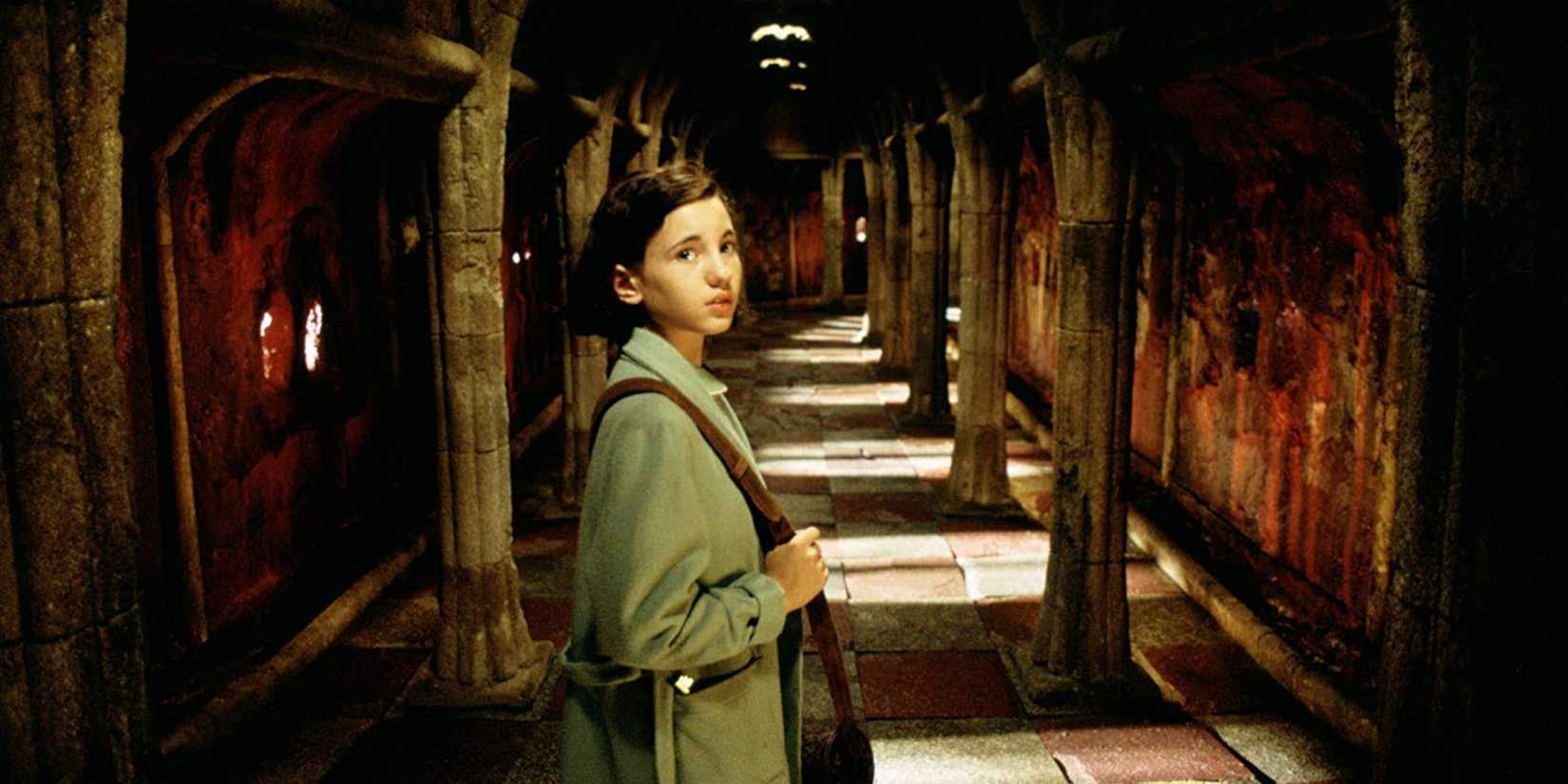
A masterpiece of fantasy cinema at large, Pan’s Labyrinth is the defining triumph of dark fairy tale extravagance in film. Directed by Guillermo del Toro, it follows Ofelia (Ivana Baquero) as she is whisked into the mountains, along with her heavily pregnant mother, to be by the side of her vicious stepfather as he fights against rebels aligned with the Spanish Maquis. Isolated in a world of war and violence, Ofelia is given a chance to escape when she meets a faun who tells her she is the princess of the Underworld and can return to her rightful place if she completes three tasks.
It is often difficult to discern which elements of Pan’s Labyrinth are more horrifying, the real-world brutality and evil of the war violence, or the nightmarish dread of the creatures of the fantasy realm. Despite its violence and terror, the Spanish film finds a beating heart of innocence, youthful rebellion, and defiant optimism, one that imbues Ofelia’s ordeal with even more tension as she navigates two treacherous and unforgiving worlds with the imminent threat of capture always apparent.
You must be logged in to post a comment Login