Entertainment
10 Most Perfectly Directed Classic Movies, Ranked

One of the most important qualities of any notable movie is its visual storytelling, but some classics, such as Gone with the Wind, Sunset Boulevard, and Lawrence of Arabia, define the standard of great directing. When people talk about perfectly directed classic movies, they usually mean films where an array of elements, including camera movement, pacing, performances, lighting, and sound, work together so seamlessly that nothing feels out of place and the director’s vision is clear but never distracting.
What unites classics like Casablanca, The Good, the Bad, and the Ugly, and The Godfather, isn’t just technical brilliance or captivating performances; it’s the director’s intention. Every shot has a purpose, every silence speaks, and every choice reinforces the film’s core idea, delivering an unforgettable movie experience that embodies the escapism of cinema. From John Ford‘s Western masterpiece, The Searchers, starring John Wayne, to Orson Welles‘ iconic Oscar-winning classic Citizen Kane, these are ten of the most perfectly directed classic movies, ranked!
10
‘The Searchers’ (1956)


The Searchers is regarded as one of the greatest classic Western movies ever made and features a signature performance by the Duke as a Civil War veteran, Ethan Edwards, who, after the murder of his family, sets out to find his surviving nieces who are being held captive by Native Americans. John Ford, known for filming on location rather than on a sound stage, combines visual storytelling, thematic depth, and precise control of tone into The Searchers, which feels both epic and intimate.
The film’s pacing and structure show tight directorial control, and scenes often begin late and end early, which is a testament to Ford’s efficiency and confidence as a director. The final scene of Edwards lingering in the door frame is not only an iconic tip of the hat to Wayne’s mentor and Western legend, Harry Carey, but it’s also a purely visual resolution that captures the film’s central idea about alienation and the cost of obsession with the use of any dialogue.
9
‘Vertigo’ (1958)

Image via Paramount Pictures
James Stewart stars in Alfred Hitchcock‘s Vertigo as a retired San Francisco detective, John “Scottie” Ferguson, who is hired by a college friend to follow his troubled wife, Madeline (Kim Novak), sparking an unexpected affair that leads Ferguson down a twisted path of obsession and madness. Many people consider Vertigo to be Hitchcock’s magnum opus, and while some may argue otherwise, there’s no denying that it demonstrates the director’s impeccable control of visual storytelling in all its glory, making it one of the director’s greatest masterpieces.
One of the film’s most notable qualities is the famous dolly zoom effect, which doesn’t just look striking; it puts the audience inside Ferguson’s mind and makes a psychological condition feel physical in a way that is uncanny. Like every Hitchcock classic, everything has a purpose, even something as simple as color. Hitchcock’s use of greens, reds, and muted tones in Vertigo tracks the characters’ emotional states and identity shifts, giving the audience a chance to experience the transformation before fully understanding it.
8
‘Gone With the Wind’ (1939)

Gone with the Wind is an epic historical romance and essential classic movie based on Margaret Mitchell‘s 1936 novel of the same name, and follows the trials and tribulations of a headstrong Southern Belle, Scarlett O’Hara (Vivien Leigh), whose life is turned upside down by the American Civil War. The movie was a major success and is known today for its iconic performances, distinct use of color, and for taking the art and craft of cinematic storytelling to new heights. Although multiple directors and producers contributed, Victor Fleming is most closely associated with shaping its final form into a cohesive vision.
The film moves effortlessly between sweeping Civil War set pieces and deeply personal moments, creating a unique balance of depth and spectacle that audiences at the time had never seen before. Scenes like the burning of Atlanta are staged with massive visual impact, yet the story never loses focus on its heroine’s perspective, which demonstrates Fleming’s ability to counter epic and personal storytelling. Out of its thirteen Academy Award nominations, Gone with the Wind went on to win eight of its nominations, notably for Best Actress, Best Picture, and Best Director.
7
‘Lawrence of Arabia’ (1962)
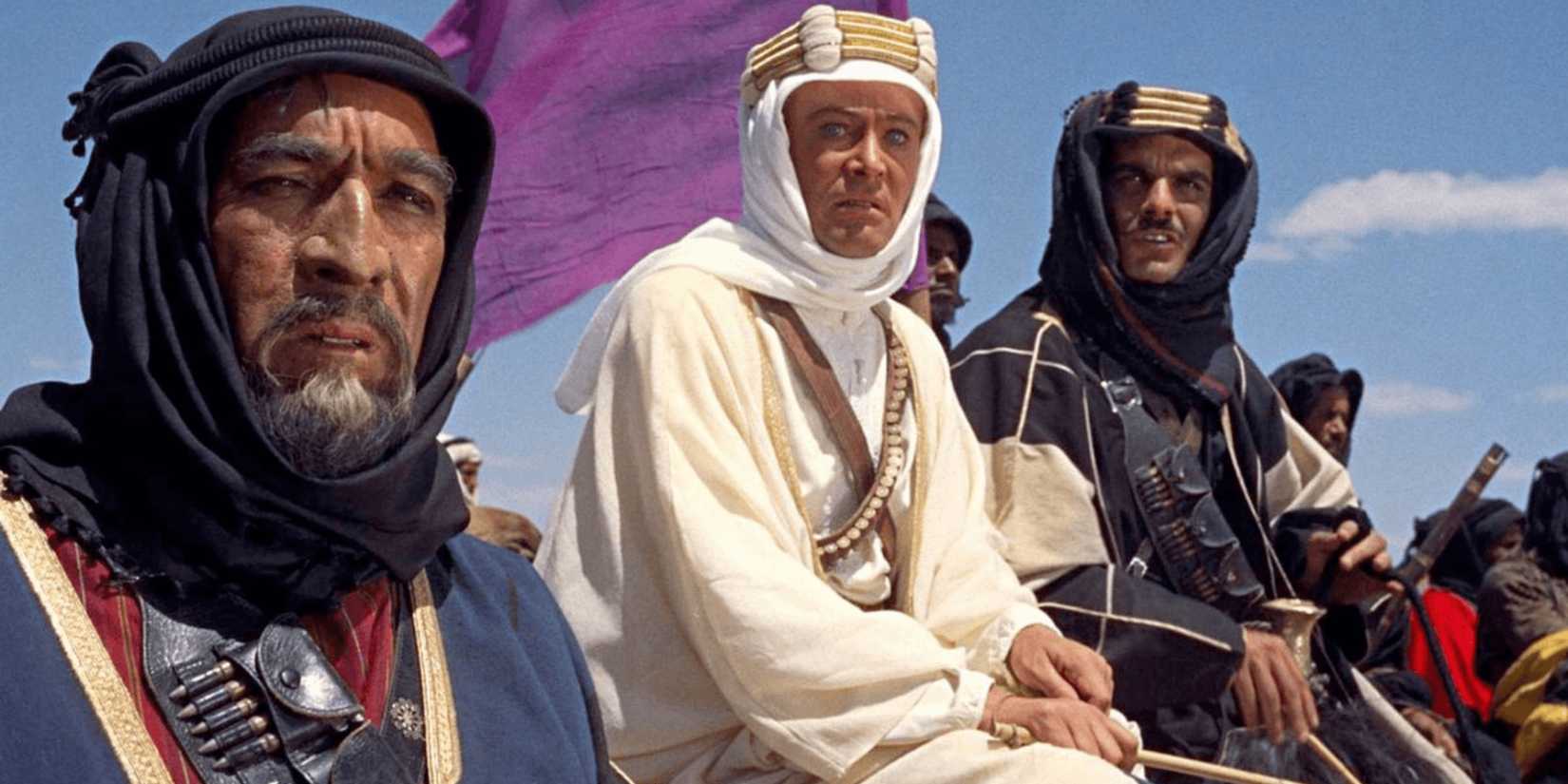
Peter O’Toole stars in David Lean‘s epic biographical drama, Lawrence of Arabia, as a British Lieutenant who is sent to Arabia to serve as a military advisor to Bedouin forces during the Arab Revolt against the Ottoman Empire. The movie is based on the life of T.E. Lawrence and his autobiography, Seven Pillars of Wisdom, also known as Revolt in the Desert. Lawrence of Arabia is frequently cited as one of the most perfectly directed classic movies because Lean achieves a rare blend of monumental scale and a deep psychological focus by using the vastness of the surrounding desert to mirror O’Toole’s character.
Known as a meticulous director, Lean gave O’Toole the complete freedom to define his character, trusting that he would bring the kind of energy and complexity to the role that the director desired. The infamous scene where Lawrence uses his knife to see himself in his new all-white attire was not only entirely improvised by O’Toole but also earned immense praise from Lean. Today, it is easily one of the most iconic moments in classic cinema history. Lawrence of Arabia dazzled audiences and critics around the world and went on to win seven Academy Awards, including Best Picture, Best Director, and Best Cinematography.
6
‘2001: A Space Odyssey’ (1968)
Stanley Kubrick‘s 2001: A Space Odyssey marked a major milestone in visual storytelling with its innovative special effects, authentic depiction of space travel, and cryptic story structure. The epic sci-fi classic follows Dr. Dave Bowman (Keir Dullea) and a group of astronauts who are sent on a mysterious mission into space with an advanced computer system known as HAL as their guide. When HAL begins to exhibit strange behavior that isn’t in his programming, a face-off between man and technology ensues, sending Bowman into a life-changing experience through space and time.
Kubrick exercises extraordinary control over every element of filmmaking in 2001: A Space Odyssey and ultimately creates an experience for audiences that is as much philosophical as it is cinematic. Each frame and shot is carefully composed, with symmetry and stillness, and the use of practical effects and model work gives the space sequences a realism that still holds up today. Despite its initially mixed reception from critics, 2001: A Space Odyssey earned four Academy Award nominations, notably for Best Director and Best Original Screenplay, and won Best Special Visual Effects.
5
‘Sunset Boulevard’ (1950)
.jpg?q=49&fit=crop&w=825&dpr=2)
The legendary Billy Wilder fuses sharp storytelling, visual style, and tone into his 1950 film noir classic, Sunset Boulevard, in a way that makes it both a gripping drama and a biting critique of Hollywood itself. Recognized as the best classic film noir movie of all time, Sunset Boulevard stars William Holden as an aspiring screenwriter, Joe Gillis, who agrees to write a comeback script for a former silent film star, Norma Desmond (Gloria Swanson), but as Desmond’s infatuation with Gillis turns into an obsession, the writer starts to realize that he’s potentially made a deal with the devil that could cost him more than his career.
Wilder strategically alternates between noir, dark comedy, and tragedy in Sunset Boulevard without letting any element overpower the others, resulting in a cinematic experience that feels cohesive even as it shifts from cynical humor to genuine pathos. While Wilder’s expertise and masterful eye are the main source of the film’s brilliance, the alluring cinematography by John Seitz is another one of the film’s greatest strengths. His use of high contrast lighting, shadows, and expressive compositions effectively reflects the decay that lies beneath the glamour of Hollywood, essentially reinforcing the film’s themes without needing explicit explanation.
4
‘Casablanca’ (1942)
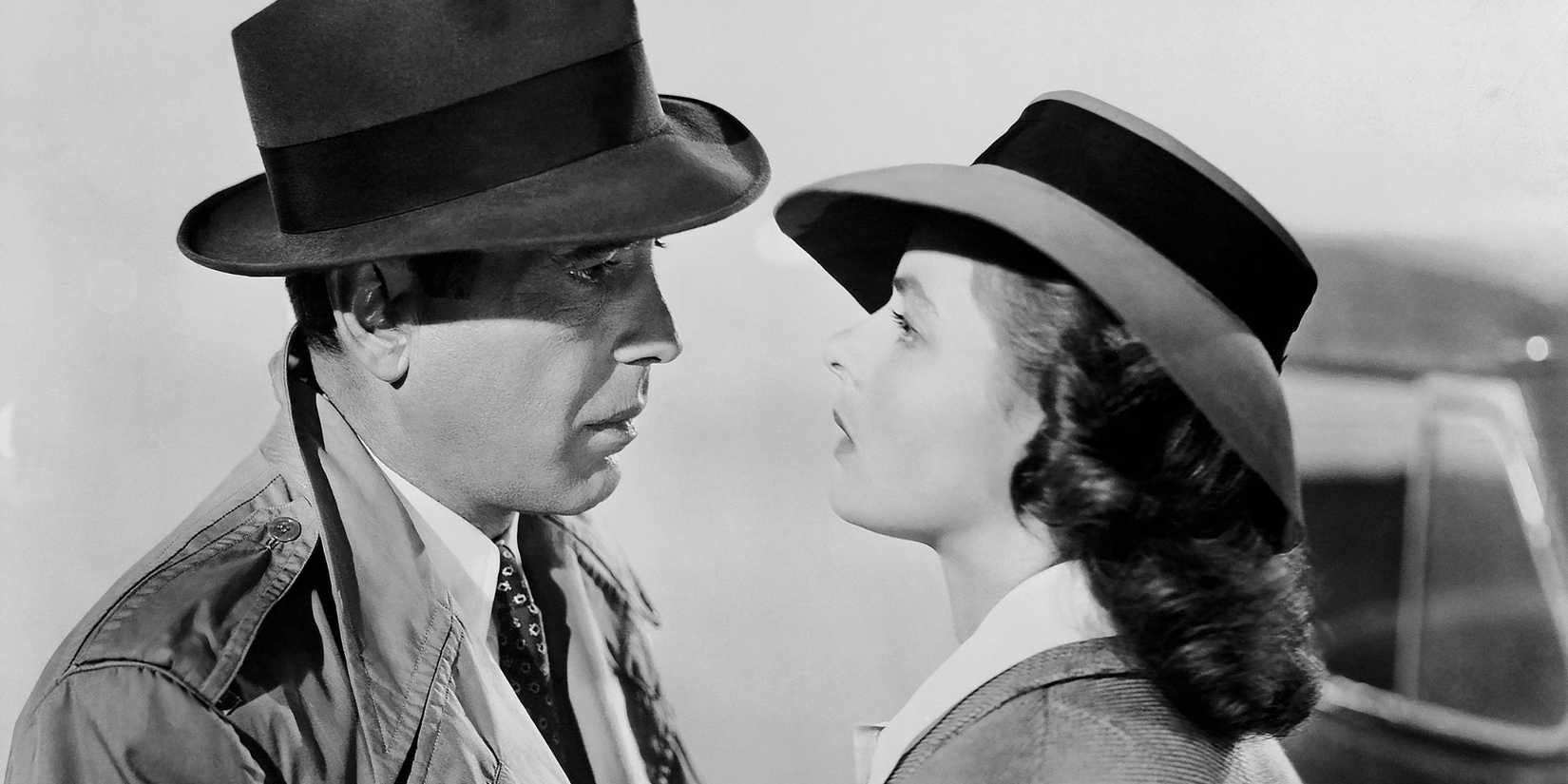
The 1942 romantic war drama Casablanca earns its place on this exclusive list because of Michael Curtiz‘s flawless direction, which brings story, performances, and an uncompromising atmosphere together with such clarity that every element feels effortless and unified. Set during World War II, Humphrey Bogart stars as an American, Rick Blaine, who is forced to choose to either be with the woman he loves (Ingrid Bergman) or help her husband, a Czechoslovakian resistance leader (Paul Henreid), escape the city of Casablanca before he can be apprehended by enemy forces.
Using classic Hollywood lighting and composition, Curtiz creates an atmosphere of intimacy and tension, especially in Rick’s Café, where shadows, smoke, and crowd movement reflect the uncertainty of life during wartime and Rick’s internal predicament. The camera often frames characters in ways that emphasize emotional distance or connection and balances romance, political drama, and suspense without losing focus. Initially, almost everyone involved in production felt the film would fail, but to everyone’s surprise, Casablanca was a massive success that went on to win three of its eight Academy Award nominations, including Best Picture and Best Director.
3
‘The Good, the Bad, and the Ugly’ (1966)
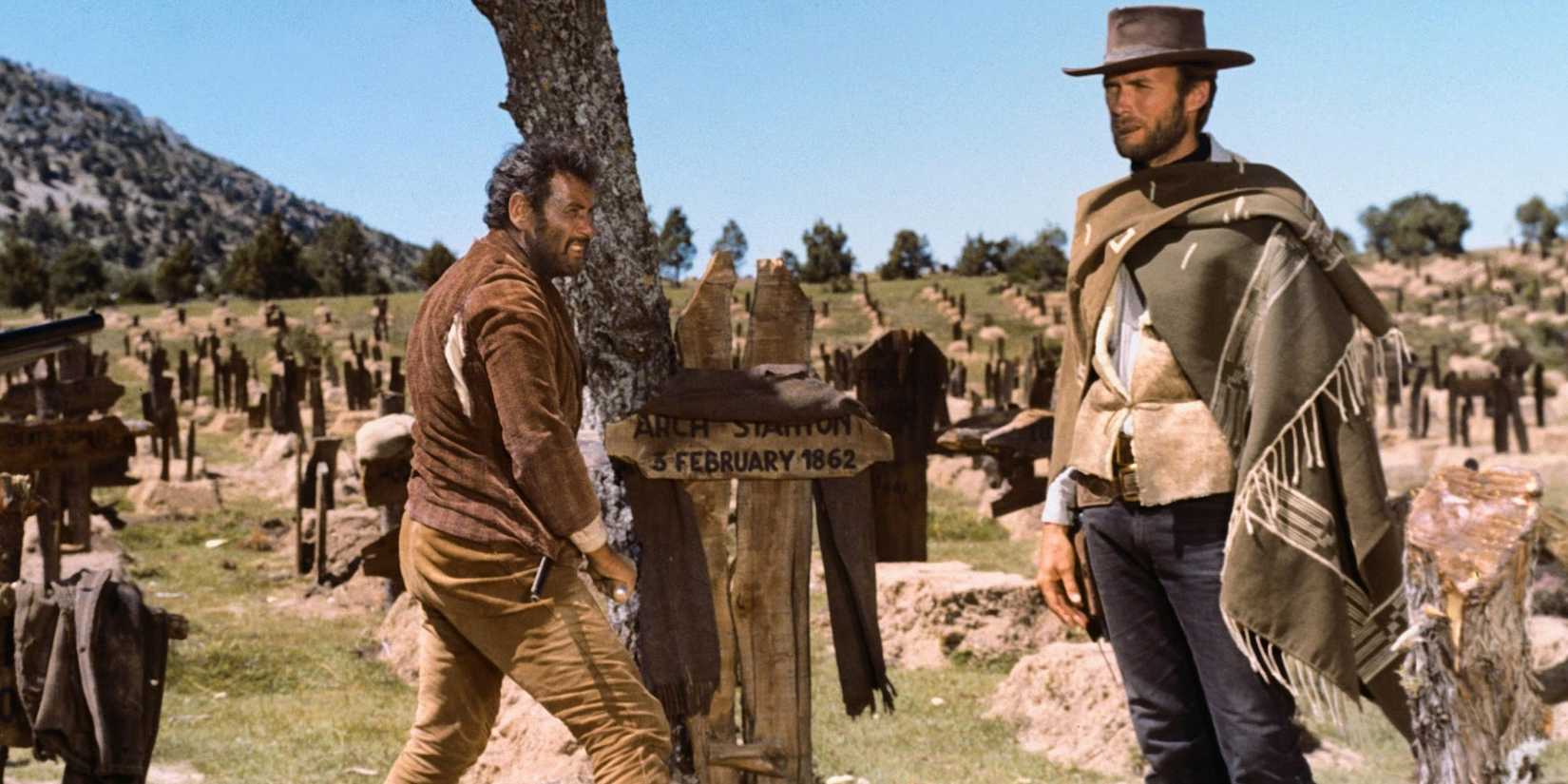
The Good, the Bad, and the Ugly is a signature spaghetti Western directed by Sergio Leone, who transforms a simple treasure-hunt story into an operatic, visually driven experience through precise control of style, rhythm, and tone, making it one of the most perfectly directed classic movies ever. Clint Eastwood stars in his iconic role as the Man With No Name, who reluctantly teams up with a conniving outlaw (Eli Wallach) to search for a golden fortune that was buried by Confederate soldiers in a graveyard, and eventually find themselves in a race against time after learning that a ruthless mercenary (Lee Van Cleef) is also after the hefty prize.
Leone contrasts extreme wide shots of barren landscapes with intense close-ups of faces, creating tension through scale and detail. The camera lingers longer than expected, stretching moments until they become almost unbearable, then releases that tension in bursts of action. He constructs each scene like a musical composition and gradually builds layers of anticipation, which is heightened by Ennio Morricone‘s masterful musical score. The final scene of the cemetery showdown is the clearest example of this as the cutaways, framing, and timing, combined with Morricone’s distinct work, turn a simple standoff into a prolonged, almost mythic climax.
2
‘The Godfather’ (1972)
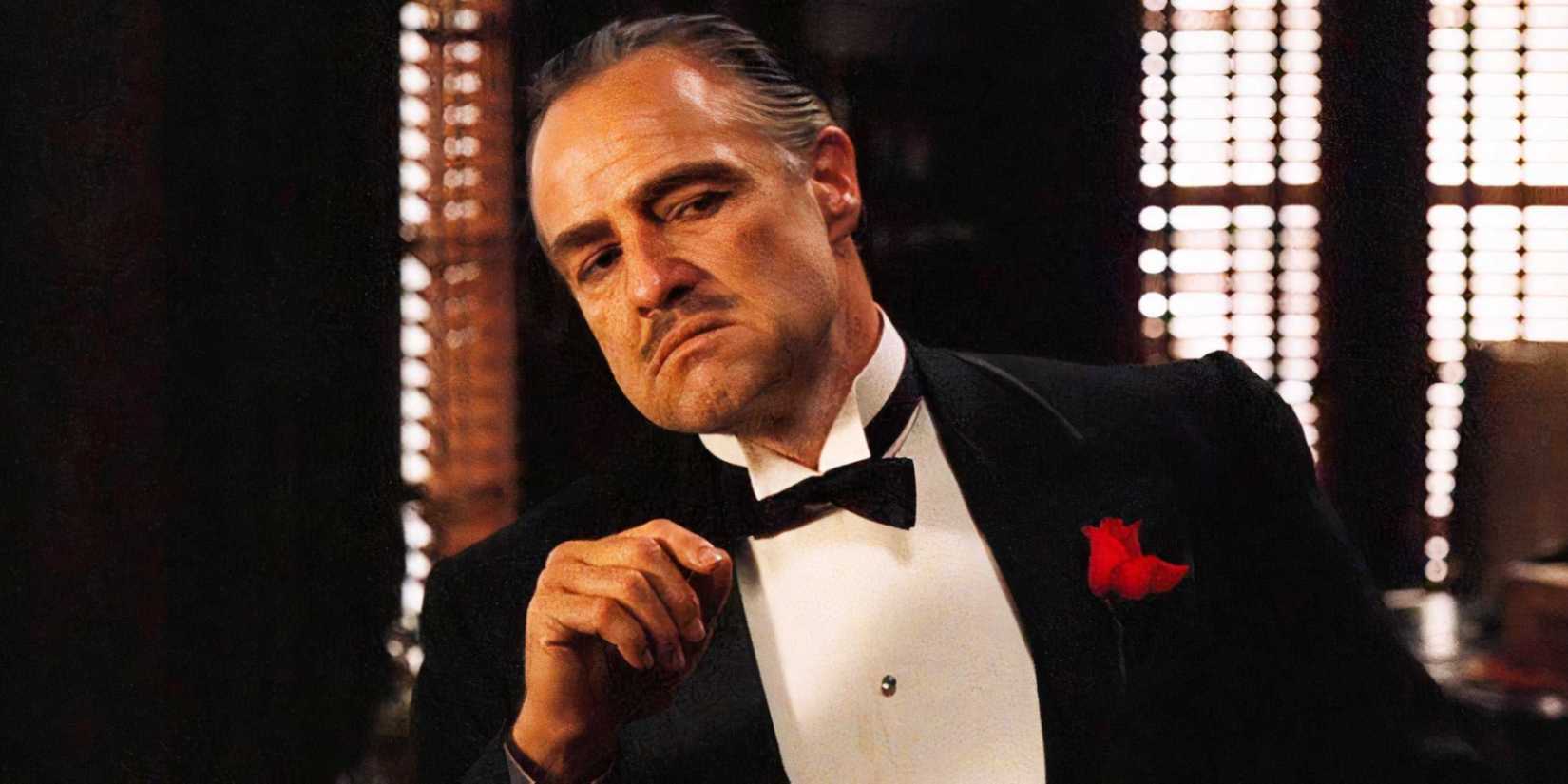
Francis Ford Coppola‘s The Godfather redefined the traditional gangster film and is, without question, one of the most important films in American cinema, but the manner in which Coppola combines intimate family drama into an intense crime saga is what makes The Godfather one of the most perfectly directed classic movies ever. Based on Mario Puzo‘s best-selling novel, Marlon Brando stars as an aging mob boss, Vito Corleone, whose youngest son and decorated war hero, Michael (Al Pacino), reluctantly steps up to protect his father and their family during an intense civil war with the other families.
The visual style, shaped with the work of cinematographer Gordon Willis, is a defining aspect of Coppola’s immaculate direction in The Godfather. The use of low lighting and shadow creates a sense of secrecy and moral ambiguity, while carefully composed interiors give the film a rich, vibrant quality. Coppola carefully builds tension over time, leading to moments of release that feel both inevitable and powerful, most famously in the baptism sequence, where cross-cutting ties together personal and violent acts with thematic precision. Overall, Coppola’s knack for weaving performances, tone, and visual storytelling together brings a cohesive vision to life in The Godfather, giving audiences a timeless classic that is both grand in scope and deeply human.
1
‘Citizen Kane’ (1941)
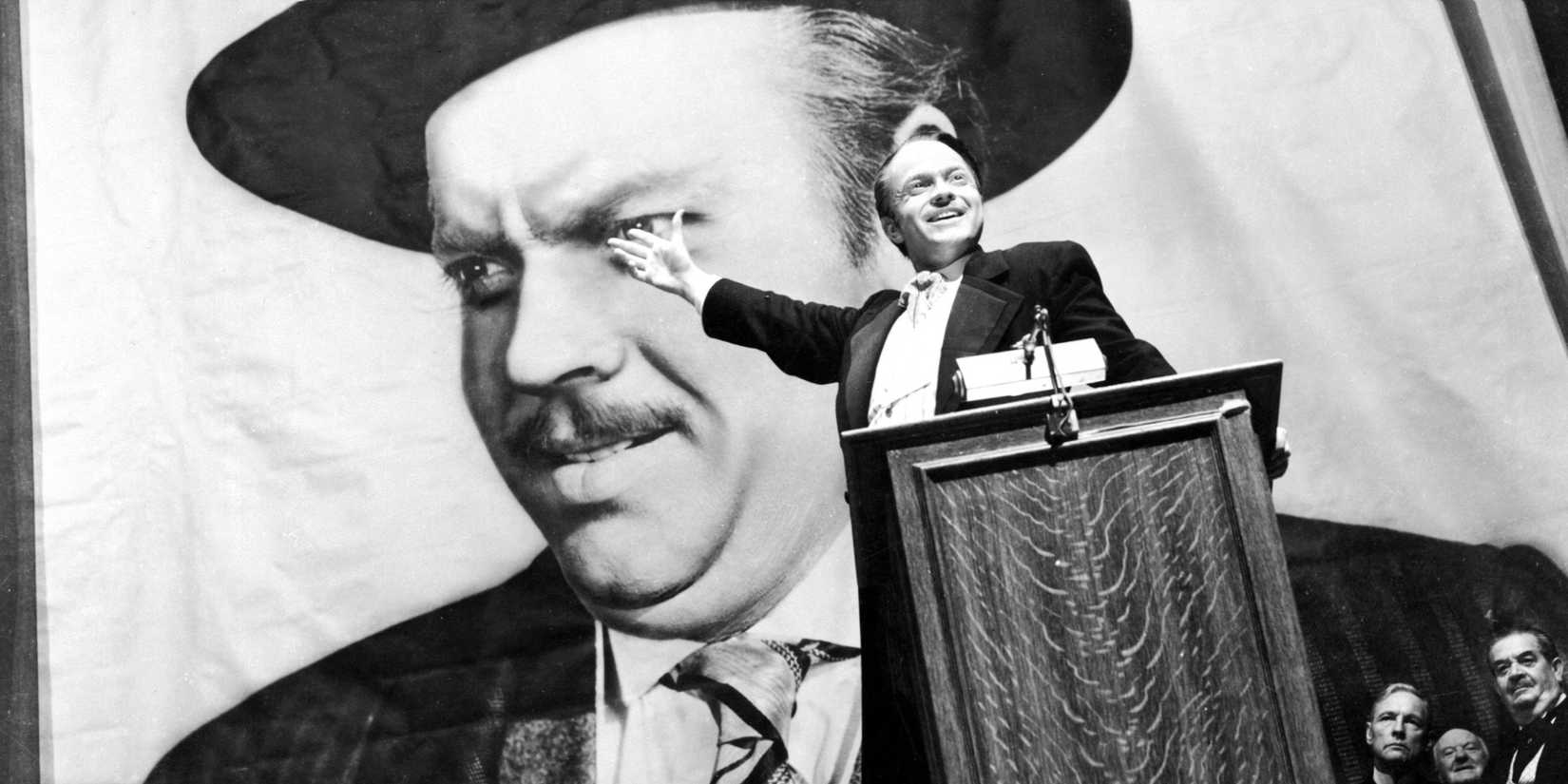
Orson Welles made his directorial and feature film debut in the Oscar-winning classic Citizen Kane, which was both a cinematic and technical achievement that changed the film industry forever. The film tells the story of a newspaper tycoon, Charles Foster Kane (Welles), whose cryptic dying last words, “Rosebud,” lead a young reporter (William Alland) on a search to find out the meaning behind them. As the reporter interviews Kane’s friends and associates, a fascinating portrait of a man begins to emerge, detailing his journey from essentially nothing and the events and efforts that elevated him to staggering heights of wealth, influence, and power.
Instead of a traditional linear narrative, Kane’s life unfolds through fragmented perspectives of the reporter’s investigation, each revealing different sides of his character. The non-linear structure, built around the mystery of “Rosebud,” reflects Welles’ confidence in trusting the audience to piece it all together. Welles’ combination of groundbreaking filming techniques and his unified artistic vision in Citizen Kane ultimately reshaped what film direction could achieve. His innovative use of low-angle shots, long takes, and expressive compositions creates a sense of power, isolation, and psychological depth that sets Citizen Kane apart from other dramatic films at the time.


Citizen Kane
- Release Date
-
April 17, 1941
- Runtime
-
119 minutes
- Writers
-
Herman J. Mankiewicz, Orson Welles, John Houseman, Roger Q. Denny, Mollie Kent
You must be logged in to post a comment Login