Entertainment
10 Most Perfectly Directed Sci-Fi Horror Movies, Ranked

Horror is a special genre. So is science fiction. In film, both rely on a mastery of tone, pacing and often an understanding of complex effects. It takes a lot of skill to direct a horror movie or a sci-fi movie, and that is even more true when the two genres are brought together. Sci-fi horror movies can be any mix of the two respective genres. It could be a gnarly horror movie with one singular alien element, or a futuristic space film with moments of nerve-wracking terror. No matter how the movie brings its singular elements together, it takes a steady hand behind the camera to make it all work.
The most perfectly directed sci-fi horror movies are the ones that don’t allow their elements to grate against each other, but instead work together to elevate them both. They come from directors who are both steeped within the genres and those who have only once dipped a toe into them. Regardless of their filmographies or skill sets, they all have the correct sensibilities to create films that look deep into the abyss and find all manner of darkness. Cosmic horror, cybernetic slashers and extra-terrestrial threats, all of these and more are front and center in the ten most perfectly directed sci-fi horror movies ever made.
10
‘Possessor’ (2020)


A cyberpunk assassin thriller meets psychological horror, Possessor is a mind-melting cinematic experience from Brandon Cronenberg, who clearly has taken a few cues from his father’s filmography. Set in a tech-noir future where specialized assassins can take control of an unwitting person’s body in order to perform their killings, the film is the perfect vehicle for Cronenberg to engage in slick sci-fi thrills and disturbing body horror. He also gets a pair of perfect performances out of Andrea Riseborough and Christopher Abbott, as the sci-fi hitwoman and her unfortunate host.
Tasya Vos (Riseborough) is a professional possessor, having successfully performed several vicarious killings, as depicted in the film’s chilling opening scene. Her continued body possessions have taken a toll on her mind and when she takes on her next assignment, things start to unravel. In the body of Colin (Abbott), Vos begins to lose control of her host and their psyches clash, illustrated through some very visceral imagery. Possessor is filled with twists and unexpected deviations into horror that take its premise into more unconventional territory, and Cronenberg’s direction is assured enough to make it all feel cohesive yet nightmarish and ambiguous.
9
‘Annihilation’ (2018)

While Alex Garland’s directorial debut, Ex Machina, dabbled with thriller elements and climiaxed with some violent imagery, his follow-up, Annihilation, is full-throttle horror. Loosely based on the novel of the same name by Jeff Vandermeer, the film is filled with existential dread, making it one of the most effective cosmic horror films, but also features sequences of more visceral physical horror as well. With a majority female cast, the film stands out from similar mission-based sci-fi horror, with thoughtful pacing and deeper character examinations placed between the moments of abject horror and carnage.
Lena (Natalie Portman) is a solider and biologist whose husband Kane (Oscar Isaac) has just returned from a mission inside the Shimmer, an unexplained zone of seemingly supernatural origin that appeared on the sight of a meteor crash. Kane begins to experience major health issues and, in order to solve what happened to him, Lena joins a new squad of specialists heading into the Shimmer. Inside the zone, they encounter unusual mutations, most memorably a horrific bear, and begin to exhibit signs of mutation themselves. Annihilation is another vivid genre effort from Garland, highlighting his ability to combine psychological terror with guttural horror.
8
‘Mad God’ (2021)

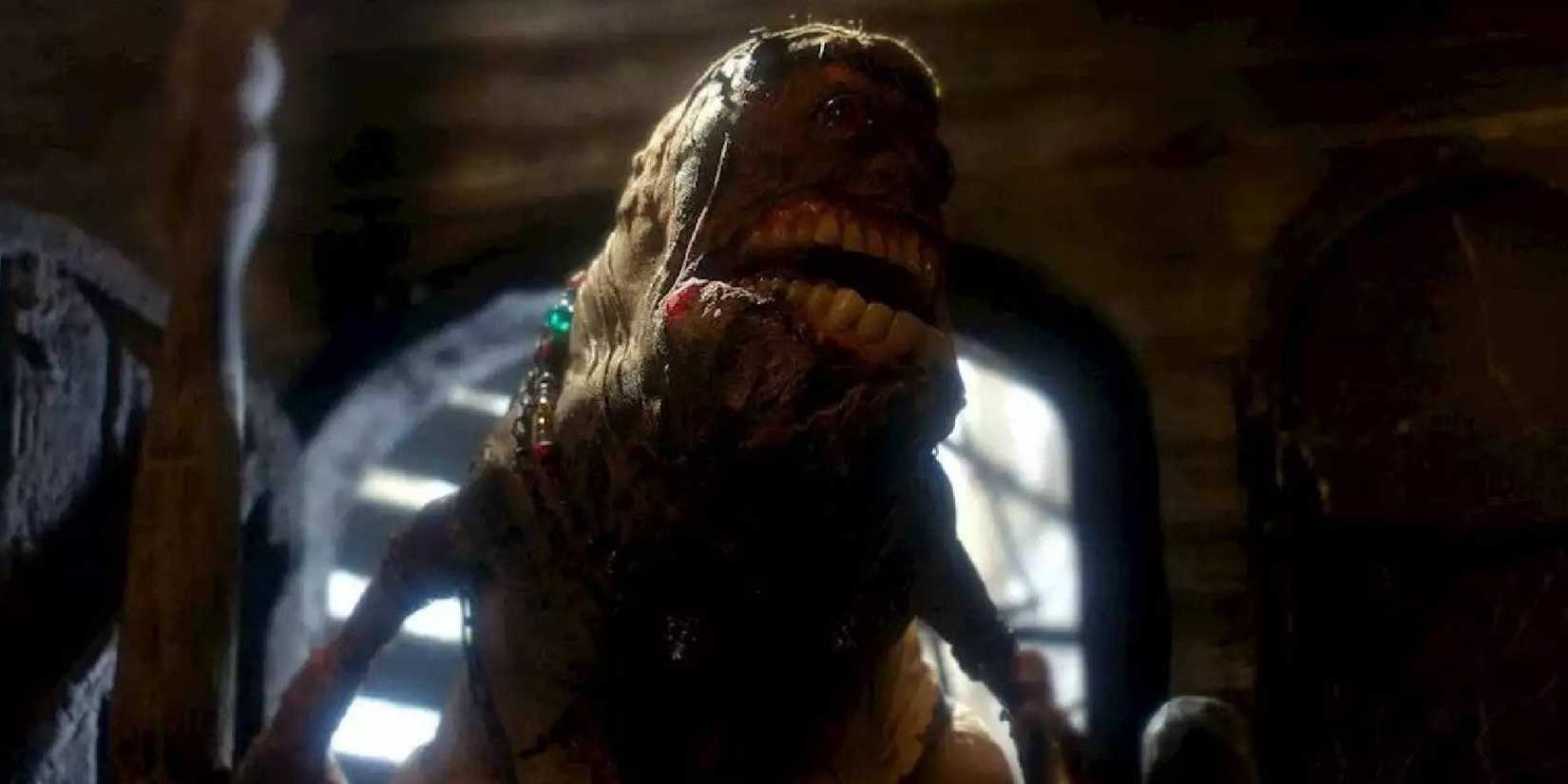
Mad God represents the unfiltered, uncompromised vision of effects maestro Phil Tippett. Known for his stop-motion work on films like RoboCop and Star Wars, Tippett began production on his passion project in the late 80s, but wouldn’t complete it until thirty years later. As a surreal nightmare, the film may not have a fully coherent plot or internal logic to its madness, but it is a visual masterpiece and is unrelenting in its nihilistic tone. It’s a film with few equivalents, especially in the 21st century, and a perfect showcase for how stop-motion animation can generate horror better than almost any other animated medium.
Set in an apocalyptic future, the film follows a silent protagonist in a gas mask as he descends into a nightmare world of mutant abominations on a mission to destroy it. There’s very little narrative thrust to the film or backstory, just hellish imagery as the protagonist traverses the destroyed world. The dream-like atmosphere and animation make the film all the more unnerving, and even with its short runtime, it manages to leave a lasting impression. Tippett is responsible for some of the most indelible creature effects in film history, and Mad God is the ultimate showcase for his boundless creativity and is easily his most terrifying creation.
7
‘Under the Skin’ (2013)
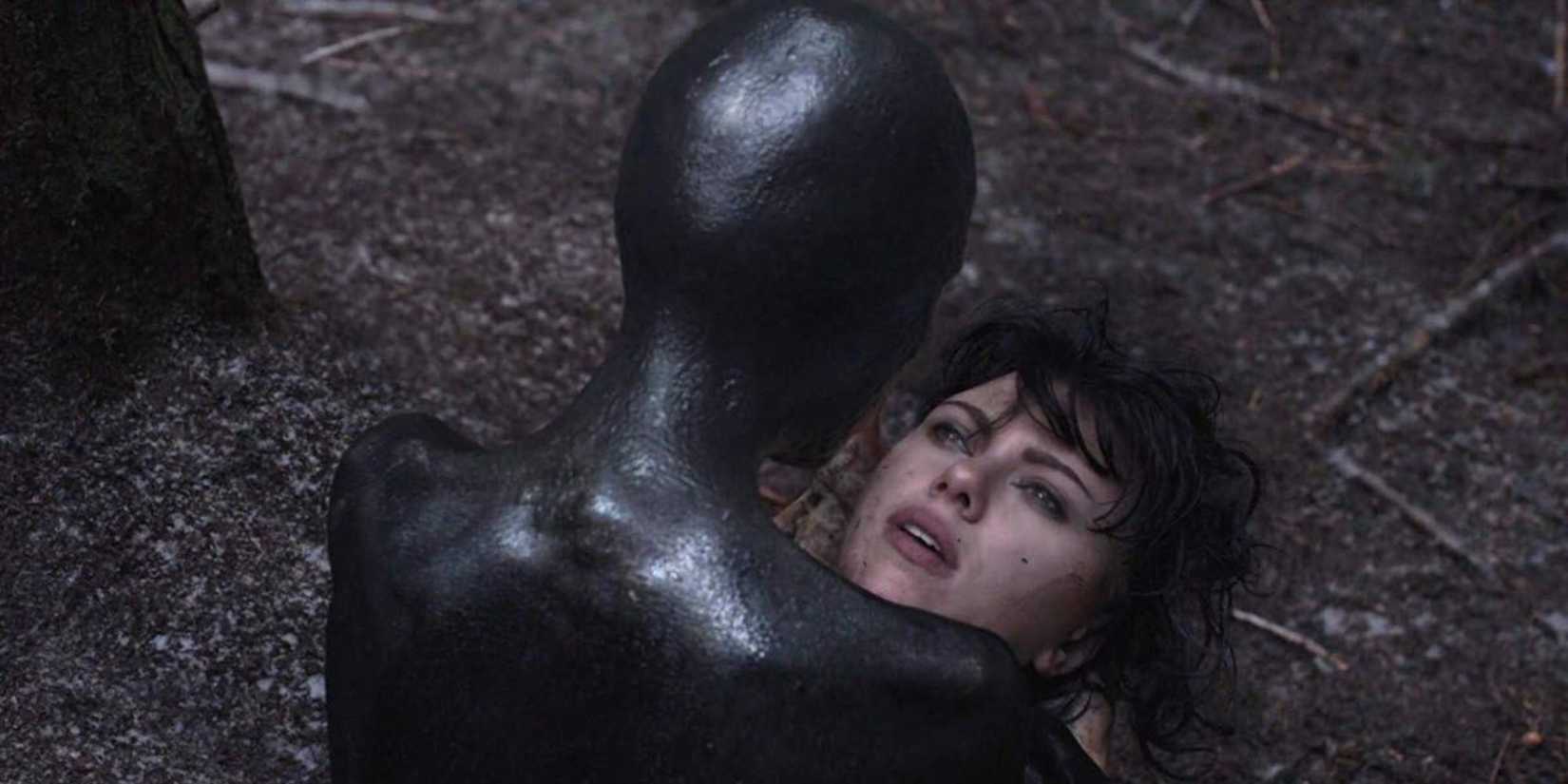
Under the Skin does exactly as its title suggests, digging deep with its eerie tone and stark imagery that builds its suspense methodically. Based loosely on the novel by Michael Faber, director Jonathan Glazer had originally intended to make a more elaborate effect-driven film before he decided to pare the film back to its bare essentials. That change not only made the film smaller in scale, but also opened up its plot to more ambiguity. Under the Skin is all the more horrifying for how little it explains, allowing the audience to fill in the gaps and leaving its horror quietly harrowing.
An Alien (Scarlett Johansson) in the form of a female human, drives around Glasgow in a van, picking up men that she takes back to a house where she leads them into a black void where they are consumed. There’s no larger narrative at play in the film, which proceeds in a far more abstract, impressionistic way. Glazer uses a voyeuristic style throughout the film, enhanced by the scenes where Johansson attempts to pick up unsuspecting men, which were shot with hidden cameras and real people who were unaware they were being filmed. Under the Skin is a creeping sci-fi horror that slowly, methodically envelops you with its darkness.
6
‘Nope’ (2022)
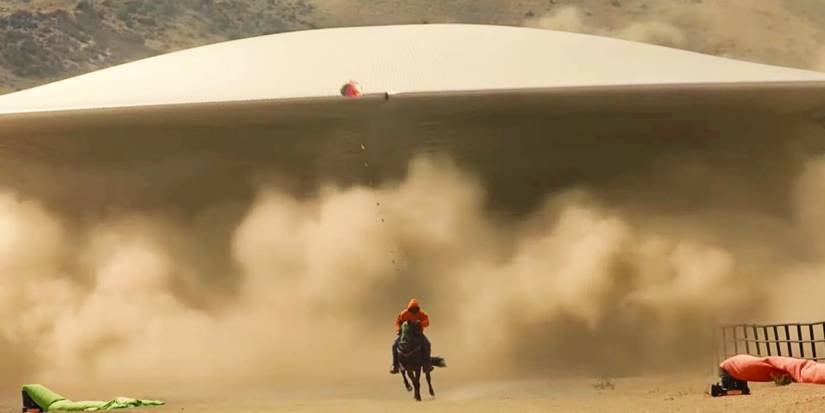
Jordan Peele’s background in comedy has obviously given him some transferable skills for directing horror. Get Out, Us and his sci-fi horror epic Nope all use tight storytelling with setups, payoffs, and expert timing that ratchets and then releases tension, often with humor. Watching his films is like watching a comedian tell a perfectly crafted joke. That his films are also deep with symbolism that’s often rooted in relevant social themes is what makes them some of the best genre films of the 21st century.
Nope follows brother and sister Otis (Daniel Kaluuya) and Emerald (Keke Palmer) who are trying to keep their family ranch, which trains horses for movies and television, financially solvent. They find a potentially lucrative venture when a UFO begins stalking the skies above them. They set out to capture images of the aerial predator, no matter what the cost. Nope is a superlative sci-fi horror about spectacle and exploitation, and it’s Peele’s most epic film yet. Shot on 65mm film for IMAX by cinematographer Hoyt Van Hoytema, the film has the scope of some of the best sci-fi mixed with the violence and terror of some of the best horror.
5
‘The Fly’ (1986)

David Cronenberg is the master of body horror. Even though he has worked across various different genres, horror will always be what he is best known for. He’s combined his talent for instilling terror with sci-fi a number of times, notably with Videodrome, Scanners and eXistenZ. His directorial flourishes are all the more noticeable in what is one of his more accessible and mainstream films, The Fly. Remaking the 1958 sci-fi film, Cronenberg’s updated version is far more visceral, anchored by a bravura performance by Jeff Goldblum and Oscar-winning makeup effects by Chris Walas.
Seth Brundle (Goldblum) is a brilliantly eccentric scientist who has developed advanced teleportation pods. His impatience with his experiment and his burgeoning relationship with reporter Ronnie (Geena Davis) inspires Brundle to use himself as a test subject. His teleportation is successful except for the fact that a housefly has transported with him, mingling their DNA together. As Brundle slowly begins to mutate, Cronenberg combines his love for psychological torment and physical deformation to the extreme. The Fly is both tragic and horrific in equal measure, far surpassing the original and remaining one of its director’s best.
4
‘Predator’ (1987)

When star Arnold Schwarzenegger selected a director to helm the action/sci-fi/horror hybrid Predator, he didn’t choose any of the directors who were known in the 80s for explosive action. He selected John McTiernan, who had only directed one film, the bizarre supernatural horror film Nomads. Schwarzenegger’s instinct paid off since McTiernan not only was able to bring deeply rooted horror elements into the jungle-set action proceedings, but also deftly subvert the tropes of the genre as well.
Predator puts a sci-fi spin on the classic premise from The Most Dangerous Game. A group of mercenaries is sent on a rescue mission in Central America, only to become stalked themselves by a more advanced hunter. What makes the film so effective, is how it plays like a standard Schwarzenegger action film for its first hour, complete with an assault on a guerilla camp that has all the hallmarks of mindless 80s action. Once the film takes a turn into full sci-fi horror as its alien antagonist begins picking the mercenaries off one-by-one, McTiernan takes glee in deconstructing his macho heroes as they turn into helpless victims. Predator works equally as action, sci-fi and horror, with McTiernan deftly blending all three genres together.
3
‘The Terminator’ (1984)
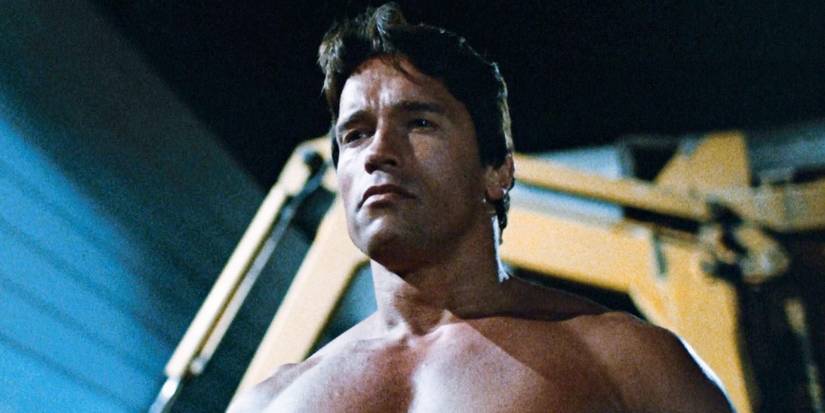
While Predator cast Schwarzenegger as the final girl in a slasher film, his iconic role as The Terminator turned him into a high-tech Jason Voorhees. That original film still carries all the hallmarks of slasher and exploitation movies, but under the direction of James Cameron, it was elevated into a sci-fi horror classic. While Cameron would elevate the genres further with his follow-up Aliens, that film deliberately emphasized action over horror, while The Terminator is an unrelenting nightmare.
That’s appropriate given that the film was initially conceived based on a nightmare Cameron had of being stalked by a metallic torso with red eyes. He translated that into the plot of Sarah Connor (Linda Hamilton) being targeted by a cybernetic assassin from the future to prevent the eventual birth of her son. There’s sci-fi explorations of fate and temporal loops, but the main thrust of the movie is its chase elements. Cameron had many different inspirations for the film, but one of the biggest was John Carpenter’s Halloween. He took Carpenter’s low-budget suspense framework and installed it into an upgraded cyborg body, making The Terminator a totemic slasher film.
2
‘The Thing’ (1982)

Carpenter himself has a clear love for all things horror and sci-fi. Though the director has most often referenced the Westerns of Howard Hawks as his biggest influences, it was another Hawks production that served as the basis for his sci-fi horror masterpiece The Thing. Both Carpenter’s film and the Hawks-produced original The Thing From Another World were both based on the novella Who Goes There? by John W. Campbell Jr. While the Hawks film is a more standard, but effective, monster movie with a plant-based alien stalking the crew of an Arctic research station, Carpenter’s film leans hard into the apocalyptic horror and paranoia from the original novella.
In Antarctica, an American team of researchers is beset by an alien that has been dug up from the ice after crash landing thousands of years before. The alien has the uncanny ability to mimic all living lifeforms, allowing it to hide in plain sight. That allows Carpenter to create a rising tension in the film before unleashing in some of the most horrific displays of horror and gore, utilizing the mind-blowing practical effects by Rob Bottin. As a sci-fi monster, the Thing truly has no visual equal, and Carpenter’s film has only one other that can compare to its perfect mix of genre elements.
1
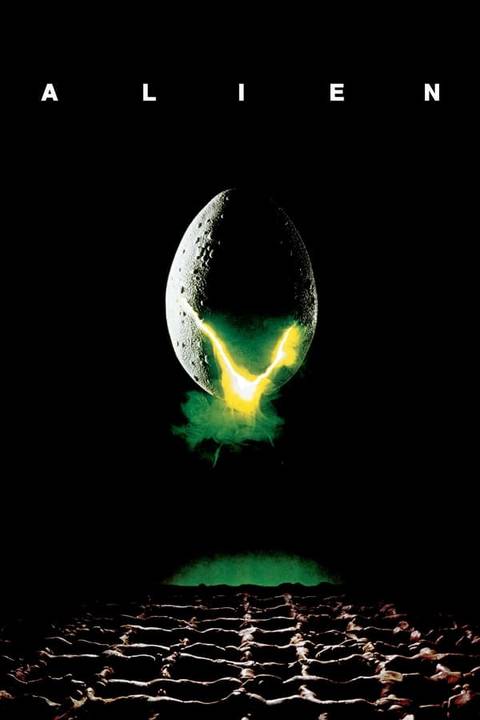
‘Alien’ (1979)

Ridley Scott’s space horror masterpiece has never been bettered. Even its many sequels and prequels, the best of which don’t try to replicate the original but do something entirely different, have been able to match the utter terror of Scott’s film. Like many films on this list, it’s easy to imagine the lesser B-movie version of Alien. The version that likely would have been made had Dan O’Bannon’s script been produced by Roger Corman and never made its way into the hands of producers Walter Hill and David Giler, who gave it a stripped-down rewrite and brought Scott on to direct. Scott’s visual acuity as a director brings vivid life to the incredible set and creature design of the film, elevating it far beyond its B-movie roots.
Inspired by films like It! The Terror from Beyond Space and Planet of the Vampires, the movie follows a crew of space truckers whose trip back home is interrupted by a distress signal on a lifeless planet. It turns out not to be so lifeless when one of the crew members gets an alien lifeform attached to his face. That crew member subsequently gives birth to the xenomorph in one of the most iconic scenes of either sci-fi or horror, and from there the film doesn’t let up. The deliberate pacing of the first half of the film gives way to expertly executed horror in the second, dominated by a dread-inducing atmosphere and a masterful use of sound, lighting and composition. Alien is perfectly directed, and is the most perfect sci-fi horror film ever made.

You must be logged in to post a comment Login