Entertainment
10 Movie Trilogies That Are Amazing From Start to Finish

Some of Hollywood’s greatest movies have been so good that they’ve welcomed the invitation of furthering the story or characters through more films. But overcoming the sequel curse is not always easy. Then, those who do triumph get the rare opportunity to expand into a trilogy, forging a legacy in the process. We’re here to celebrate ten of the greatest trilogies, each amazing from start to finish.
Whether cohesive trilogies or three films that make up a thematic trilogy, these are some of the best of the best. From three-part adaptations of classic novels to reboots of beloved franchises, from newfound science fiction adventures to superhero blockbusters, these trilogies have had a massive impact on cinema and pop culture as a whole. How many have you seen and which will you be watching this weekend?
‘Avatar’ Trilogy


Passion projects can either result in a complete masterpiece or become a devastating pretentious pet piece. Fortunately for James Cameron, his dream film was the former. It was so good, it launched a franchise. Now three films deep, Avatar was a game-changing cinematic wonder. The trilogy follows former Marine Jake Sully (Sam Worthington) and his Na’vi family as they protect the lush moon of Pandora from a colonizing human megacorporation. The epic sci-fi story explores themes of environmentalism, indigenous survival, and family unity across different Pandoran ecosystems. A masterpiece in movie technology and expansive world-building, Avatar transported audiences to an unmatched, immersive experience that pushed the boundaries of visual storytelling.
Though some call the first film’s story derivative, the old-fashioned storytelling style made the science fiction themes more accessible. By allowing an easy narrative to take precedence, it ensures the dazzling visuals remain at the forefront. Pandora is a mesmerizing world that one might think is only attainable by imagination, but thanks to Disney, we can visit the wondrous locale. It’s part of why the allure of the second and third films was there. The trilogy’s expansive lore and mythology of Pandora is the franchise’s greatest asset. Introducing new factions like the ocean-dwelling Metkayina clan and the fire-wielding Ash People gives further color to the story. At its core, the trilogy is about family. As your journey with Jake and Neytiri (Zoe Saldaña) unfolds, we watch them fight to protect their children, who then have their own coming-of-age tales. The emotional core of the story matures through each film, anchoring the heavy CGI in raw human emotion. Avatar is a rewarding franchise the more it evolves.
‘Back to the Future’ Trilogy

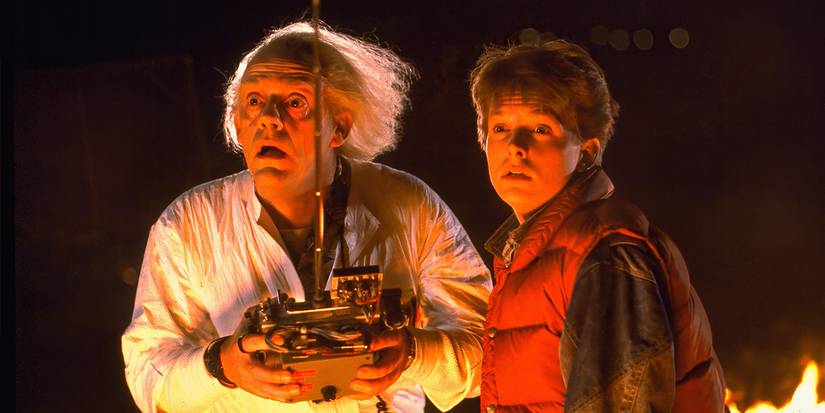
What could have become a hokey science-fiction comedy evolved into an iconic trilogy that helped define the ‘80s. Created by Robert Zemeckis and Bob Gale, the Back to the Future trilogy follows teenager Marty McFly (Michael J. Fox) and eccentric scientist Dr. Emmett “Doc” Brown (Christopher Lloyd), who use a modified DeLorean time machine to travel through different eras—the past, present, and future—to fix fractured timelines and ensure their own existence. Seamlessly balances high-concept time travel with effortless storytelling, unforgettable character chemistry, and brilliant, interlocking scripts. Back to the Future is a nostalgia-driven adventure that made sci-fi family-friendly. Back to the Future is wholesome entertainment with universal themes, ranging from family to destiny and the generation gap in between.
Time travel tales are often bogged down by complicated paradoxes, overly complicated plot points, and nonsensical decisions. Not in Back to the Future. By keeping things simple, the franchise allows the adventure to remain the prime focus. The first film is one of the most intricately constructed scripts in which tiny details or throwaway lines in the beginning pay off by the end. It was with that care that audiences were eager to see Matty and Doc went next. From a dark reality present to the Old West, no matter where the journey headed, it was handled with care. One might believe the heart of rock and roll was the soul of the franchise, but it was actually the ever-growing chemistry of its two leads. Fox and Lloyd are simply irreplaceable. They may be three individual films, but together, they create the perfect trilogy.
Cornetto Trilogy

Call it the Cornetto Trilogy or Three Flavours Cornetto or the Blood and Ice Cream Trilogy, but whatever you refer to it as, you know it’s absolutely amazing. The brainchild of director Edgar Wright and star Simon Pegg, the three British comedies defined funny at the dawn of the 21st century. Comprised of three films that do not share a connected storyline or universe, the trilogy functions as thematic companions. Shaun of the Dead, a zombie horror comedy, Hot Fuzz, a buddy cop action flick, and The World’s End, a sci-fi alien invasion film, combined to reinvent the faces and humor of the future. They work as three standalone films, but they share razor-sharp visual comedy, emotional depth, and brilliant continuity, all thanks to the different flavors of Cornetto ice cream.
Each movie takes viewers on unique adventures across three distinct genres, all led by Pegg, Nick Frost, and a rotating cast of core stars, including Bill Nighy, Martin Freeman, and Paddy Considine. Under the watchful eye of Wright, driving the action, he uses kinetic, rapid-fire editing, creative transitions, and visual foreshadowing that make every frame monumental. It’s so smart, the trilogy is a rare form of rewarding rewatchability. In case you didn’t know, the Cornetto color reflects the story: Strawberry or red for gore and zombies, Classico or blue for cops, and Mint or green for aliens. The trilogy may not always be in the conversation with the great trilogies because it consists of three separate films. It’s unfair because they work just as well. Watch in release order or completely random; they are amazing in any way you choose. Just pair it with some ice cream.
Iron Man Trilogy
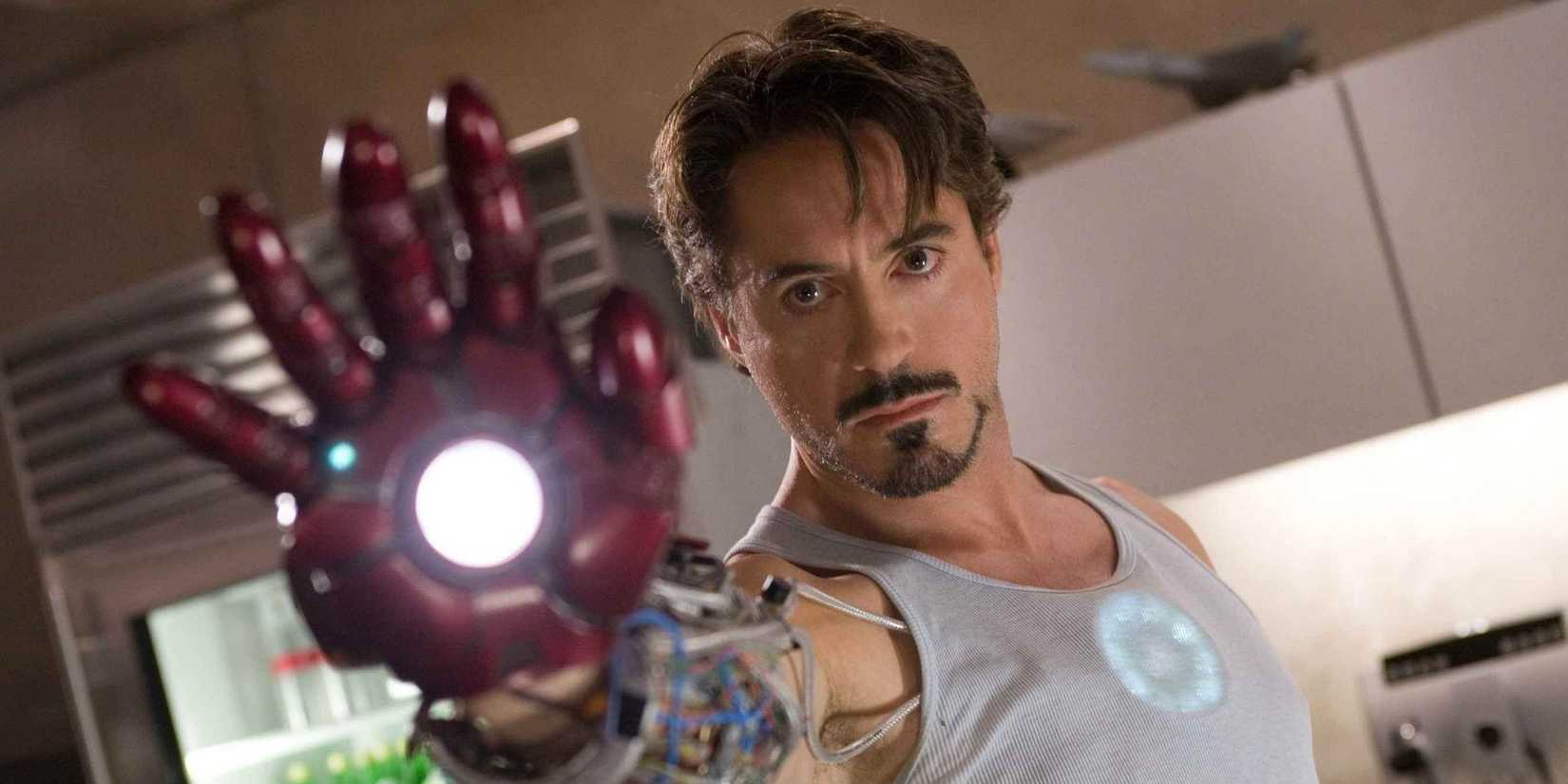
The truth is, had the first Iron Man film not been a blockbuster success, the subsequent films would never have come to fruition. The Marvel Cinematic Universe wouldn’t have even been a thing. But thanks to the brilliance of the three films under the Iron Man umbrella, the future of the superhero genre changed forever. The Iron Man trilogy follows the evolution of Tony Stark (Robert Downey Jr.), a billionaire industrialist who transforms from a self-absorbed arms dealer into the heroic armored Avenger, Iron Man. Throughout the series, he battles a range of high-tech villains, struggles with personal trauma rooted in his actions, and learns that his true power comes from his ingenuity rather than his suits. Perhaps the greatest arc of any superhero in cinema, the three Iron Man films are action-packed adventures that perfectly pair the actor with the hero.
One of the most remarkable parts of the greater MCU is just how beloved Iron Man became thanks to Downey Jr. Before the trilogy, the fan-favorite Marvel character in the larger IP tended to be Spider-Man, the X-Men, or Captain America. Then Downey Jr. arrived, an actor looking for his own redemption, eased into a character searching for the same. It’s a pitch-perfect performance that flourishes in each subsequent solo film. From his start as an arrogant, self-centered billionaire, his experience makes him a deeply responsible and selfless hero. He becomes an inspiration and a role model. The Iron Man trilogy thrives thanks to the supporting characters, including Happy Hogan (Jon Favreau) and Pepper Potts (Gwyneth Paltrow), and its iconic villains, namely Obadiah Stane (Jeff Bridges), Justin Hammer (Sam Rockwell), and Aldrich Killian (Guy Pearce), among others. Iron Man became the blueprint that launched the MCU and every solo hero under its umbrella.
Original ‘Star Wars’ Trilogy

The Star Wars franchise would not be as vast and expansive as it is today had it not been for the original trilogy of films. The fourth, fifth, and sixth parts of the overall Skywalker Saga, the original Star Wars, were a game-changing pop culture phenomenon that made space operas not only cool, but the gold standard in science fiction storytelling. Brought to life by the visionary George Lucas, Star Wars takes audiences to a galaxy far, far away, where the Rebel Alliance fights to overthrow the tyrannical Galactic Empire. At its core, it is a coming-of-age story and a tale of redemption centered on farm boy Luke Skywalker (Mark Hamill) as he learns the mystical ways of the Jedi to confront the Sith Lord Darth Vader (James Earl Jones). A cinematic masterpiece, the original Star Wars trilogy is flawless in execution thanks to its character-driven narratives, groundbreaking cinema technology, and one of the greatest villain evolutions.
With three Star Wars trilogies in existence, three different generations were each given a chance to experience their trilogy in theaters as their first. Those of us born to the prequel or sequel trilogy are jealous of those who were alive during A New Hope, The Empire Strikes Back, and Return of the Jedi. Together, they provide the ultimate hero’s journey: a farm boy dreaming of greatness who faces devastating failure and identity-shattering truths only to return as a true Jedi to redeem his father. Along the way, Star Wars introduces a plethora of iconic characters, including Han Solo (Harrison Ford), Princess Leia (Carrie Fisher), Obi-Wan Kenobi (Alec Guinness), and Yoda (Frank Oz). Through their witty banter, evolving romances, and loyal friendships, the fantastical universe is grounded in genuine heart. Star Wars was an innovator in tangible, practical effects. Paired with incredible original sound design and an iconic score by John Williams, Star Wars was a world we loved to watch grow. A foundational pillar of pop culture, Star Wars revolutionized the movie trilogy forever.
The Before Trilogy

Not every great trilogy must be rooted in sci-fi, action, or crime. Some are all about romance. Such is the case for Richard Linklater’s Before Trilogy. The critically acclaimed series follows the evolving relationship of Jesse (Ethan Hawke) and Céline (Julie Delpy) over 18 years. In Before Sunrise, a young American man, Jesse, and a French woman, Céline, meet on a train in Vienna and impulsively decide to spend one night walking, exploring, and talking. They part ways the next morning, promising to meet again. In Before Sunset, set nine years later in Paris, Jesse is on a book tour, and the two unexpectedly reunite. They discuss missed opportunities and grapple with the lingering romantic tension of their first encounter. In Before Midnight, set another nine years later, this time in Greece, Jesse and Céline are a long-term, unmarried couple on vacation with twin daughters. They explore the gritty realities, sacrifices, and conflicts of domestic and parental life. famous for being shot and released in nine-year intervals, the Before Trilogy is an intimate romance that captures a real-time, honest relationship.
The Before Trilogy is raw brilliance that strips away artificial movie tropes in favor of brilliant, deeply authentic conversations. Linklater drives the narratives through naturalistic walk-and-talk conversations about love, philosophy, and life, making viewers feel like they are eavesdropping on a real couple. Just as you’re watching two elite actors grow and age on screen. Hawke and Delpy are mesmerizing in their parts. They are the heart and soul of the trilogy. Each film approaches the relationship through different lenses. From the fantasy and magic of a new connection to missed opportunities through the gritty, tiring, and beautiful reality of long-term intimacy. It’s truly a sweet and beautiful thing. The Before Trilogy chronicles high-intensity intimacy as no other film series has ever done.
‘The Dark Knight’ Trilogy

There were four Batman films in the late ‘80s and ‘90s that gave us the chance to see the Caped Crusader on the big screen. But when the fourth film, starring the third actor, flopped, it seemed the experiment was over. Then Christopher Nolan swooped in and recalibrated Bruce Wayne as The Dark Knight, giving us the definitive iteration for the 21st century. The Dark Knight trilogy offers a gritty, realistic reimagining of the DC Comics superhero, following billionaire Bruce Wayne (Christian Bale) as he transforms into a symbol of hope, descends into the shadows, and ultimately redeems himself. The Dark Knight trilogy takes the DC comic tropes and strips them bare, providing three distinct films that ground Gotham City in a colossal crime empire where its only hope is a hero with no superpowers, but intellect, elite training, and sheer willpower.
Across the three films—Batman Begins, The Dark Knight, and The Dark Knight Rises—Nolan crafts a visionary narrative that ultimately becomes a deeply personal saga in which the titular character channels trauma into a journey toward heroism. Rather than tackling the heavy battles of gods and aliens, most superhero films explore The Dark Knight trilogy, which revolves around morality, corruption, and the friction between the law and vigilantism as three crime thrillers. The trilogy is greatly helped by the cavalcade of villains who pass through the films, including Ra’s al Ghul (Liam Neeson), Scarecrow (Cillian Murphy), Bane (Tom Hardy), and, of course, the Joker (Heath Ledger). Nolan single-handedly elevated the superhero genre through his groundbreaking filmmaking, demanding practical effects and realistic stunts wherever possible, creating a jaw-dropping, visceral experience. It’s going to take a lot for any Batman trilogy to top the brilliance of The Dark Knight.
‘The Godfather’ Trilogy
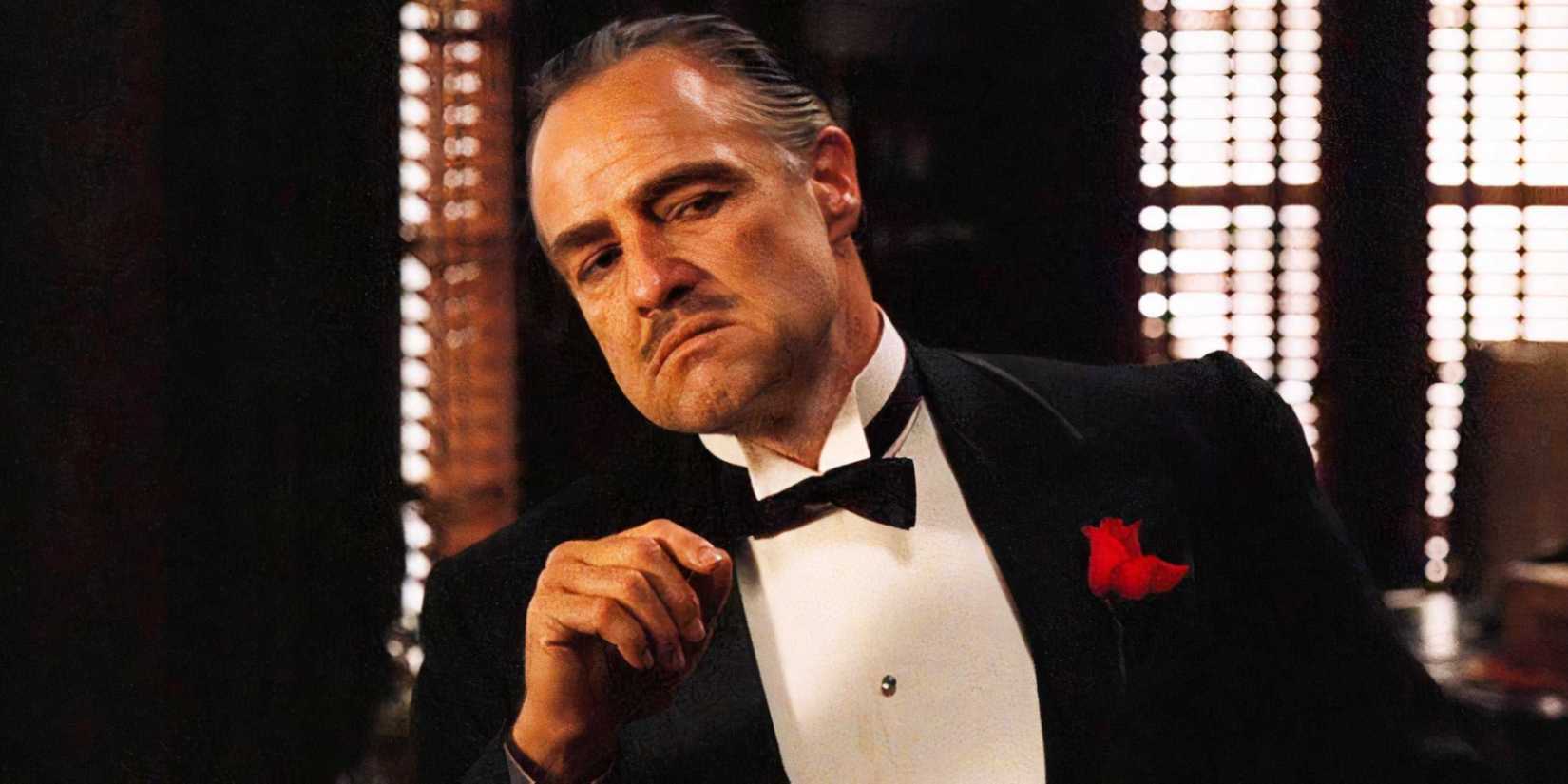
There are very few films considered definitive cinema quite like The Godfather trilogy. Directed by Francis Ford Coppola and based on the novel by Mario Puzo, the epic Shakespearean-like tragedy traces the rise, corruption, and slow decay of the Corleone crime family. At its core, the saga examines the cost of absolute power, the illusion of the American Dream, and how the pursuit of safety can ultimately destroy the very family one tries to protect. Chronicling the Corleone clan from the 1900s through the ‘80s, The Godfather trilogy became the blueprint for mafia movies forever. There used to be stereotypes about gangster films. These films transcended the standard, offering a truly powerful and enduring narrative.
The films use the mafia as a framework to explore the destructive nature of ambition and wealth beyond the bloodshed and murder. Right from the start, “I believe in America,” set the tone, subverting the ideals of the American Dream. Within, the film comments richly on immigration, loyalty, betrayal, and how absolute power ultimately devours a man. Al Pacino’s Michael Corleone is one of the most fascinating and chilling characters in cinema history. It’s all thanks to Pacino’s mesmerizing performance. Save perhaps the MCU, no film franchise has boasted a brilliant elite ensemble quite like The Godfather. Alongside Pacino, you get to watch the likes of Diane Keaton, Marlon Brandon, Robert De Niro, James Caan, Sofia Coppola, Andy Garcia, Bridget Fonda, among others. With seamless storytelling and extraordinary cinematography, The Godfather trilogy is the epitome of great filmmaking.
‘The Lord of the Rings’ Trilogy

There is no other high fantasy epic that will ever achieve the highest acclaim that The Lord of the Rings found. Lifted from J.R.R. Tolkien’s beloved novel, the Peter Jackson-directed films follows the hobbit Frodo Baggins (Elijah Wood) on a quest to destroy the One Ring—a corrupting artifact of the Dark Lord Sauron. Accompanied by a loyal fellowship, Frodo must navigate the treacherous lands of Middle-earth to cast the ring into the fires of Mount Doom. Broken into three larger-than-life films—The Fellowship of the Rings, The Two Towers, and The Return of the King—the trilogy pairs immense passion and meticulous craftsmanship with timeless storytelling for a celebration of a brilliant visionary.
The story was an enthralling adventure that pushed the trilogy storytelling device. They can be individual tales, but they are truly three films that tell one epic story. The films are rooted richly in humanity through the universal themes of friendship, hope, loyalty, duty, and sacrifice. The audience may be watching elves, dwarves, and hobbits, but through their actions, they are as profoundly human. Epic fantasy may not be everyone’s cup of tea, but you simply cannot deny how captivating the scope that the film presented. Jackson’s timeless visuals gave the trilogy a historically grounded Middle-earth we all wished we could visit. Jackson captured the source material with ease. Perhaps the most important element of filmmaking was shooting all three films back-to-back, allowing the arc to be cohesive like one grand film. With so many awards to its name, The Lord of the Rings trilogy is the blueprint for greatness.
‘The Planet of the Apes’ Trilogy

In 1968, the very first film adaptation of Planet of the Apes rocked the world, establishing a distinct visual style for the franchise. Through a series of sequels, there was a fascination and adoration for the sci-fi world depicted in the films. Then, in 2001, Tim Burton took his turn at reviving the franchise, and unfortunately, it was botched on arrival. Ten years later, a brand-new interpretation arrived through quite a daring risk: the apes were not humanoid beings; they were actual apes. With the aid of impeccable CGI, it became the recipe for success, giving birth to the definitive trilogy of the franchise. In the reboot trilogy, the epic sci-fi saga explores the dawn of a new intelligent ape civilization. It tells the story of Caesar (Andy Serkis), a genetically evolved chimpanzee, who transitions from a captive pet to a revolutionary leader who guides his species to freedom as humanity collapses. A profound, character-driven story, the trilogy captured the allure of the original while giving it a dynamic, fresh perspective that made the apes nuanced, emotional beings.
Consisting of Rise of the Planet of the Apes, Dawn of the Planet of the Apes, and War for the Planet of the Apes, the saga masterfully balanced groundbreaking CGI with a deeply moving story. Caesar’s emotional journey was crucial to its brilliance. Using his evolution from a curious lab subject to a mythic leader allowed the narrative to explore themes of family, morality, and the clash of civilizations. Before, the apes were gimmicks. Here, the trilogy presented both the apes and humans with deeply flawed, understandable motivations. The ensuing conflict stemmed from tragic misunderstandings and survival instincts rather than black-and-white good-vs.-evil tropes. There was brilliant evolution in the story. The first film tackled a grounded, scientific origin story. The second took on the fragility of peace and political betrayal. The conclusion was a sweeping epic of biblical proportions. With Serkis anchoring the projects with advanced motion-capture technology, you get to see authentic, nuanced emotional performances from the apes who convey pain and empathy without uttering a single word. The reboot trilogy is more than just a spectacle; it’s a cinematic revolution.
You must be logged in to post a comment Login