Entertainment
10 R-Rated Action Movies That Can Be Called Masterpieces

Action cinema reaches masterpiece territory when movement reveals character. A punch should tell us who is desperate. A chase should expose who prepared better. An explosion should change the problem instead of merely making noise. If you notice closely, Alan Ritchson’s Reacher does all of them flawlessly and that’s why it clicks so well with critics. These ten films understand that clearly.
They also know how to entertain without wasting a second. Jungle hunts, sword duels, prison riots, arena combat, alien warfare, skyscraper sieges, simulated realities, killer machines, and one very angry road trip all make the cut. Big action. Bigger craft. Zero dead weight. Let’s dig in.
10
‘Predator’ (1987)


Predator sends an elite rescue team into a Central American jungle, then quietly changes the mission from military action to survival horror. Dutch (Arnold Schwarzenegger) and his men expect guerrillas. Instead, an alien hunter begins studying them, collecting trophies, and removing every advantage that made the team dangerous. Guns stop feeling powerful very quickly.
The first act builds the squad through swagger, jokes, and absurd physical confidence. Then the jungle starts swallowing them. The thermal vision, clicking voice, camouflage effect, and shoulder cannon give the creature a complete hunting method rather than a random collection of powers. Arnold Schwarzenegger gradually loses the weapons, backup, and certainty attached to his usual screen image. That reversal gives the film its bite. Dillon (Carl Weathers), Mac (Bill Duke), Blain (Jesse Ventura), and Billy (Sonny Landham) also make the team memorable enough for every disappearance to register. Predator is lean, sweaty, quotable, and still capable of making a dark patch of trees look suspicious. Perfect Friday-night material.
9
‘Kill Bill: Vol. 1’ (2003)

Kill Bill: Vol. 1 follows a former assassin known as the Bride (Uma Thurman) as she begins hunting the people who attacked her wedding rehearsal and left her for dead. Her first targets lead from an American hospital to Tokyo, where yakuza boss O-Ren Ishii (Lucy Liu) commands an army. Revenge is the engine. Style is the fuel. Blood is everywhere.
The film pulls from samurai cinema, kung fu, exploitation movies, anime, and spaghetti Westerns without flattening those influences into decoration. Each chapter changes texture while the Bride remains locked on the same purpose. Uma Thurman gives her anger physical precision, especially during the House of Blue Leaves battle against the Crazy 88. Lucy Liu’s O-Ren receives enough history and authority to feel larger than a checkpoint on someone else’s list. The yellow tracksuit nods to Bruce Lee. The snow-covered garden creates a completely different rhythm moments later. Few action movies shift from funny to savage this confidently. Bring popcorn. Maybe wear white at your own risk.
8
‘John Wick: Chapter 4’ (2023)
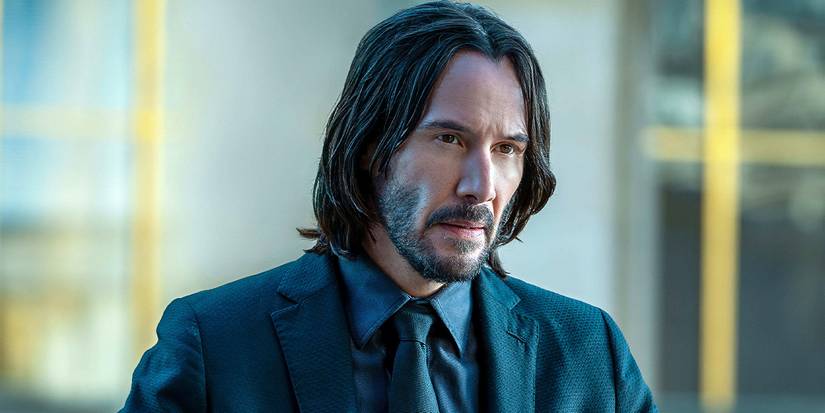
The fourth John Wick movie turns one assassin’s fight for freedom into a globe-spanning challenge against the High Table. John Wick (Keanu Reeves) travels through Osaka, Berlin, Paris, and several beautifully designed rooms full of people trying to kill him. The rules keep getting stricter. The body count ignores mathematics.
Keanu Reeves performs action through persistence. John gets hit by cars, thrown down stairs, shot at from every direction, and still drags himself toward the next obligation. Caine (Donnie Yen) adds wit and emotional pressure as a blind assassin forced back into service. Shimazu Koji (Hiroyuki Sanada), Akira (Rina Sawayama), Mr. Nobody (Shamier Anderson), and the Marquis Vincent de Gramont (Bill Skarsgård) widen the world without stealing focus from the central duel. Chad Stahelski, a veteran stunt performer who built the series from the ground up, stages each major section with a different visual idea. The overhead gunfight turns rooms into a lethal game board. The Arc de Triomphe sequence weaponizes traffic. John Wick: Chapter 4 is excessive by design. Gloriously so.
7
‘The Raid 2’ (2014)

The Raid 2 takes rookie officer Rama (Iko Uwais) out of one trapped apartment block and drops him into Jakarta’s criminal underworld. He enters prison undercover, earns the trust of a mob heir, and becomes stuck between gang families, corrupt police, and ambitious killers waiting for the balance to collapse. The scale expands dramatically. So does the pain.
Gareth Evans gives the story room to breathe, then unleashes action with terrifying clarity. Every opponent has a distinct rhythm. Hammer Girl (Julie Estelle) and Baseball Bat Man (Very Tri Yulisman) turn simple tools into signatures. The prison-yard riot uses mud, bodies, and limited visibility to create pure panic. A car chase moves through vehicles rather than merely following them. Then comes the kitchen fight, a long, brutal test where exhaustion becomes part of the choreography. Iko Uwais makes Rama fast and technically brilliant while preserving the desperation of someone who knows one mistake will end everything. The Raid 2 demands stamina from its audience. It pays that effort back with interest.
6
‘Gladiator’ (2000)
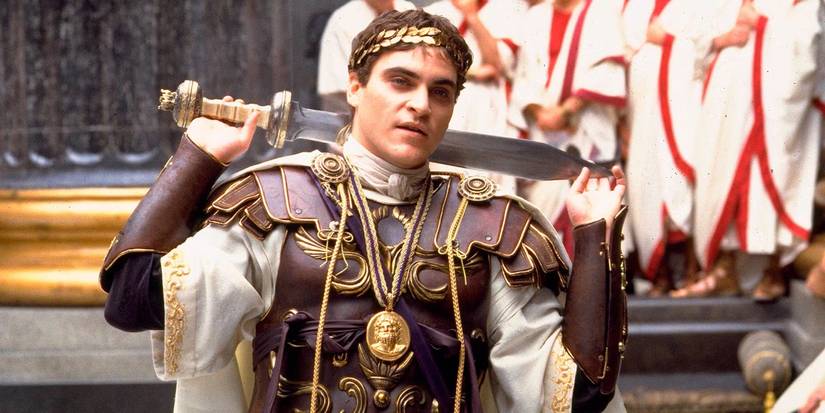
Gladiator tells the story of Maximus Decimus Meridius (Russell Crowe), a respected Roman general betrayed after Emperor Marcus Aurelius (Richard Harris) chooses him to help return power to the Senate. Commodus (Joaquin Phoenix) seizes the throne, destroys Maximus’s family, and unknowingly creates the man who will challenge him from inside the arena. The Roman Empire gets very personal.
Russell Crowe brings authority to Maximus before the sword leaves its sheath. His grief keeps the spectacle grounded as the story moves from battlefield command to slavery and public combat. Joaquin Phoenix’s Commodus operates through insecurity, jealousy, and a desperate need to be loved by people he terrifies. The Colosseum battles are enormous, though the film’s quieter details give them weight. Maximus touches the earth before fighting. Juba (Djimon Hounsou) speaks about seeing family again. Lucilla (Connie Nielsen) measures every word around her brother. Ridley Scott presents Rome as power, theatre, and decay packed into the same marble frame. Gladiator gives you roaring crowds and clashing steel. It also gives you someone worth cheering for. Loudly.
5
‘Aliens’ (1986)
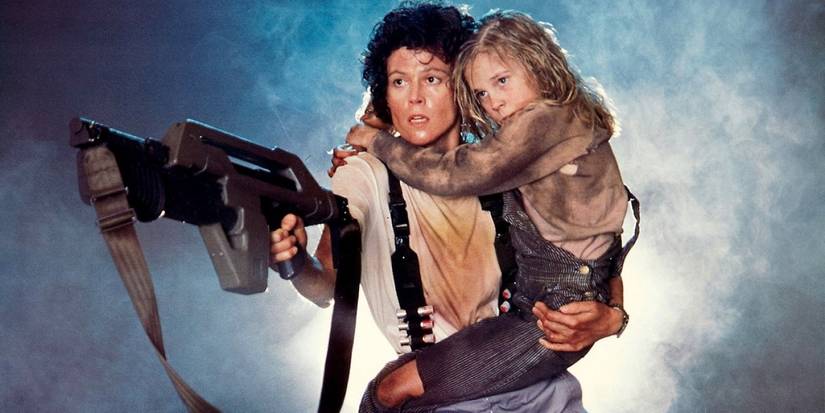
Aliens brings Ellen Ripley (Sigourney Weaver) back to the moon where her original crew encountered the xenomorph. Decades have passed during her hypersleep, and a human colony now occupies the site. When communication stops, Ripley joins a unit of Colonial Marines sent to investigate. They arrive armed, confident, and wildly unprepared.
James Cameron expanded the intimate horror of Alien into a military rescue movie without losing the creature’s menace with this installment. The Marines have memorable personalities, clear tactical roles, and equipment that creates confidence before the first major encounter tears that confidence apart. Ripley returns with trauma, experience, and an instinct to protect Newt (Carrie Henn), the colony’s lone child survivor. Their bond gives every strategic decision an emotional purpose. Hicks (Michael Biehn) stays calm. Hudson (Bill Paxton) talks big until panic takes over. Vasquez (Jenette Goldstein) remains cool enough for several people. The motion tracker turns a few glowing dots into unbearable tension, while the power-loader confrontation remains one of action cinema’s great crowd-pleasers. Aliens is fierce, warm, and ridiculously rewatchable. Game over? Never.
4
‘Die Hard’ (1988)
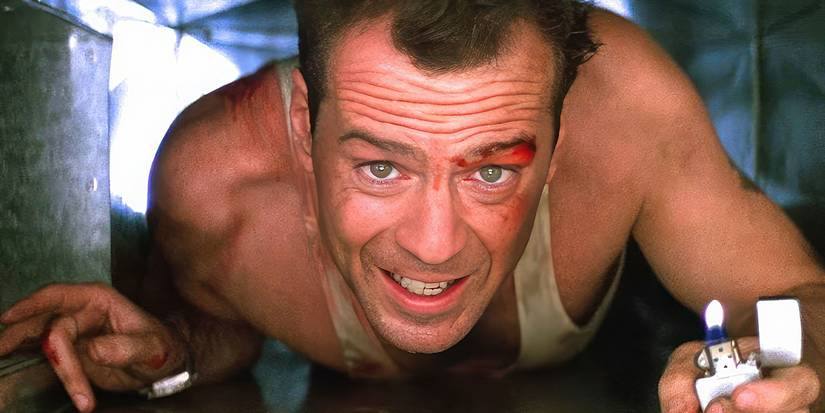
Die Hard places New York police officer John McClane (Bruce Willis) inside a Los Angeles skyscraper during a Christmas party taken over by armed criminals. He arrives hoping to repair his marriage. Instead, he spends the night barefoot, isolated, and communicating with the outside world through a radio while hostages remain trapped upstairs. The setup succeeds through limitations. McClane gets tired, injured, frightened, and increasingly filthy. He survives through observation and improvisation rather than invincibility.
Bruce Willis brought everyday irritation and vulnerability to a genre full of human tanks, permanently changing the shape of the action hero. Hans Gruber (Alan Rickman) is equally important. He is educated, composed, theatrical, and flexible enough to adjust when the plan starts slipping. Nakatomi Plaza becomes a complete playground of elevators, vents, stairwells, glass, offices, and unfinished floors. Each location solves one problem and creates another. Die Hard moves beautifully, jokes naturally, and wastes nothing. Yes, it is a Christmas movie. Start the annual argument after pressing play.
3
‘The Matrix’ (1999)

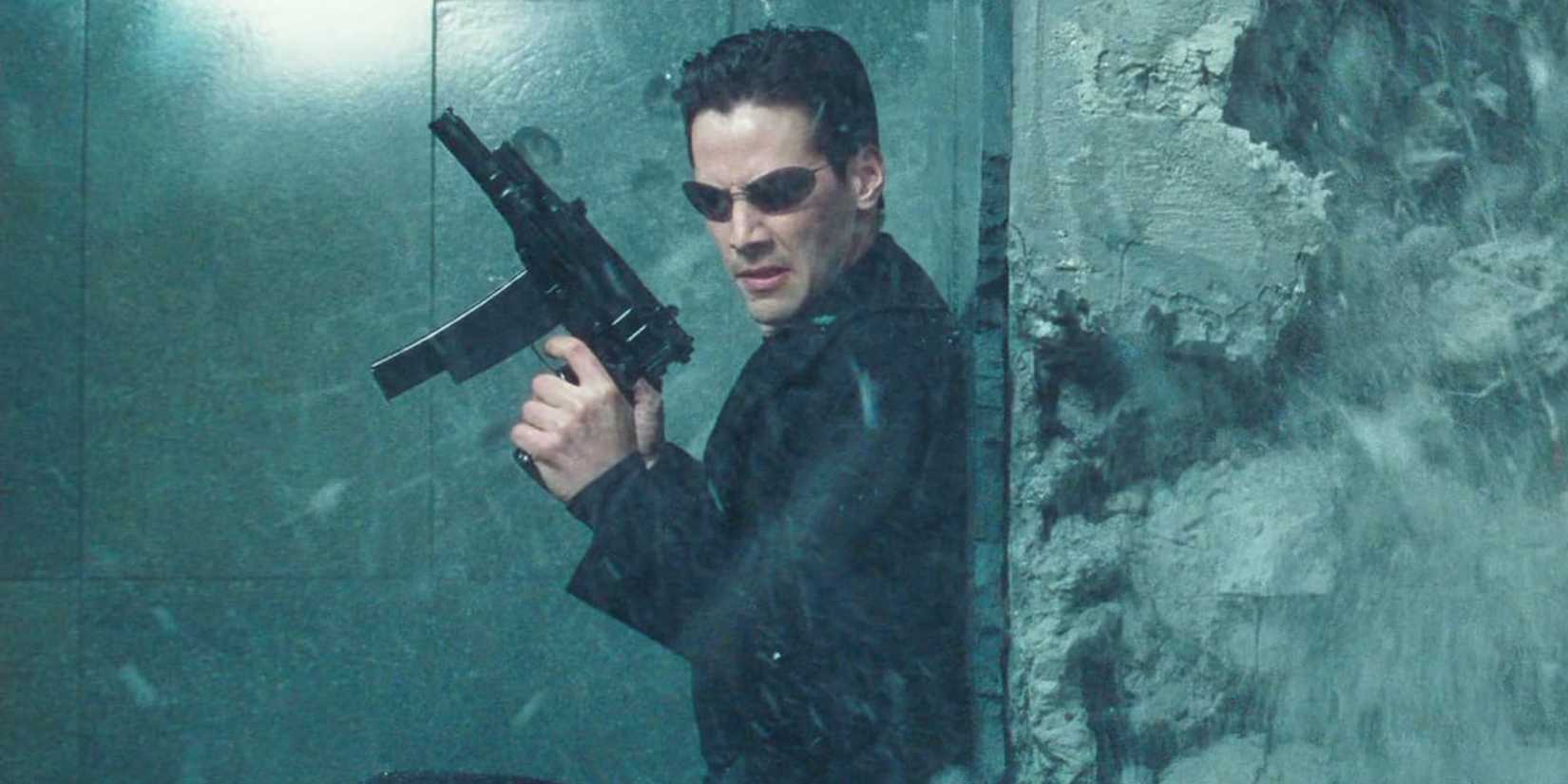
The Matrix follows programmer Thomas Anderson (Keanu Reeves), known online as Neo, as he discovers that ordinary life is a simulated reality built to keep humanity under control. Morpheus (Laurence Fishburne) believes Neo may be capable of changing that system. Trinity (Carrie-Anne Moss) helps pull him out of it. Agent Smith (Hugo Weaving) would prefer everyone stay exactly where they are.
The Wachowskis combined cyberpunk, philosophy, anime, martial arts, hacker culture, and religious imagery into a blockbuster that felt instantly new in 1999. Bullet time changed action filmmaking overnight, yet the ideas gave those images staying power. Keanu Reeves lets Neo’s confidence grow through experience rather than speeches. Laurence Fishburne makes belief sound like discipline. Carrie-Anne Moss announces Trinity by running across walls and never surrendering an inch of cool. The dojo fight explains the rules through impact. The lobby shootout turns preparation into rhythm. Even the costumes became cultural shorthand. The Matrix is exciting on first contact and richer once you start pulling at its questions. Take the red pill. Obviously.
2
‘Terminator 2: Judgment Day’ (1991)
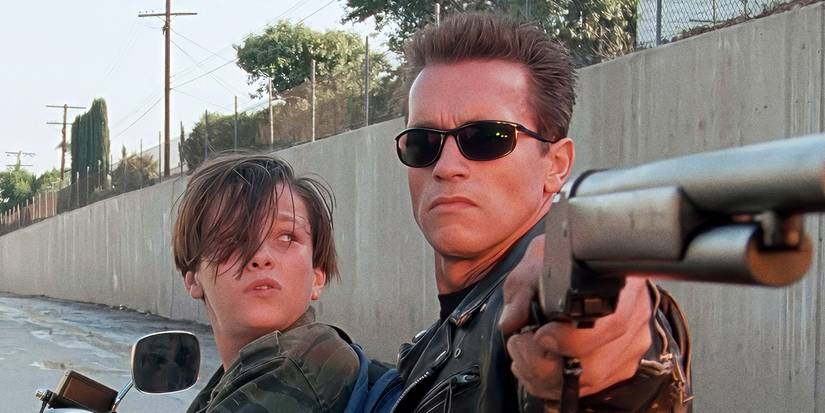
Terminator 2: Judgment Day reverses the first film’s central threat. A reprogrammed T-800 (Arnold Schwarzenegger) is sent back to protect young John Connor (Edward Furlong) from the T-1000 (Robert Patrick), an advanced liquid-metal machine capable of taking almost any human form. Sarah Connor (Linda Hamilton) has spent years preparing for nuclear war, though the world treats her warnings as madness. Then the machines return. Awkward.
James Cameron uses groundbreaking effects to create an enemy who can pass through bars, rebuild after gunfire, and turn his own body into weapons. Robert Patrick’s calm pursuit makes the T-1000 frightening long before the effects begin. Linda Hamilton transforms Sarah into a hardened survivor whose fear of the future has nearly consumed everything tender in her. John’s connection with the T-800 introduces humor and gradually complicates Sarah’s view of machines. The motorcycle chase, canal pursuit, Cyberdyne attack, and steel-mill battle remain astonishingly clean pieces of action storytelling. Terminator 2: Judgment Day delivers scale, emotion, and ideas without slowing down. Blockbuster perfection came wearing sunglasses.
1
‘Mad Max: Fury Road’ (2015)
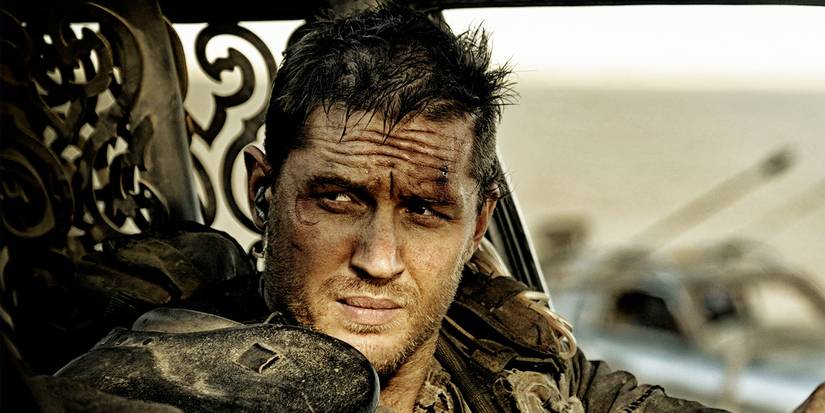
Mad Max: Fury Road is a two-hour escape across a ruined desert. Imperator Furiosa (Charlize Theron) drives a war rig away from tyrant Immortan Joe (Hugh Keays-Byrne) while secretly carrying his enslaved wives toward freedom. Max Rockatansky (Tom Hardy) becomes attached to the group through circumstance, then gradually chooses to help them survive the armies chasing them. The plot fits on a fuel receipt. The filmmaking could fill books.
George Miller returned to the series after three decades, revived it, and created an action movie built around movement, geography, color, machinery, and character. Charlize Theron’s Furiosa brings purpose to every mile. Tom Hardy’s Max operates through instinct, trauma, and reluctant cooperation. The wives refuse to remain cargo, while Nux (Nicholas Hoult) begins discovering that sacrifice can mean something beyond serving a ruler. Practical vehicles race through real desert terrain as stunt performers swing from poles, motorcycles leap over trucks, and a guitarist plays through fire because subtlety has left the continent. Fury Road is precise chaos. It is also angry, humane, strange, and thrilling from the first engine roar. Witness it properly.

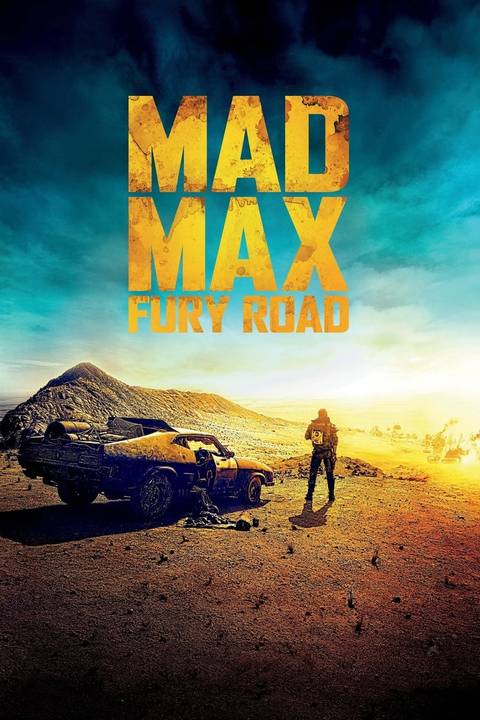
Mad Max: Fury Road
- Release Date
-
May 15, 2015
- Runtime
-
121 minutes
- Director
-
George Miller
- Writers
-
Brendan McCarthy, George Miller, Nico Lathouris
You must be logged in to post a comment Login