Entertainment
10 R-Rated Drama Movies That Can Be Called Masterpieces

Movies with the word drama attached to them get reduced to sadness far too often. Give an actor a breakdown, add heavy music, and people start throwing around words like powerful. The real masterpieces, however, earn that reaction through character, consequence, and choices that feel impossible even when nobody is holding a weapon.
These ten films go after ambition, grief, race, captivity, mental health, crime, greed, genocide, and family power without turning people into tidy lessons. Some are brutal. A few are surprisingly funny. All of them offer enough detail, emotion, and moral tension to make another viewing feel useful rather than repetitive. Scroll down slowly if that interests you.
10
‘Whiplash’ (2014)

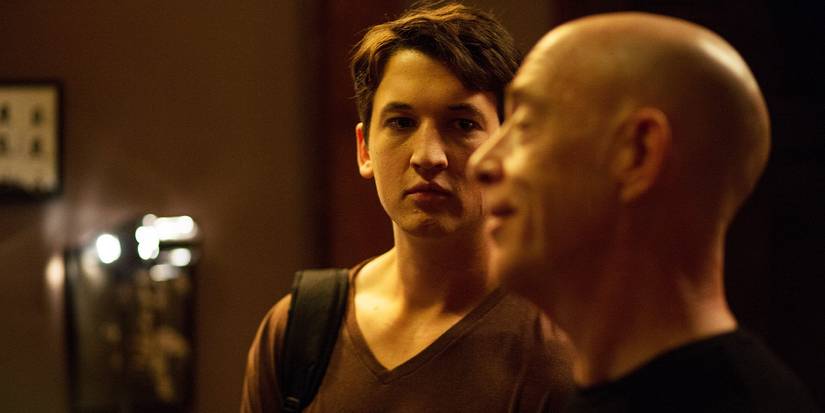
Whiplash centers on Andrew Neiman (Miles Teller), a young jazz drummer at an elite New York conservatory who becomes obsessed with earning the approval of instructor Terence Fletcher (J.K. Simmons). Fletcher uses insults, humiliation, manipulation, and physical intimidation while claiming that comfort destroys greatness. Andrew accepts more abuse than anyone should because he wants to become exceptional more than he wants a healthy life.
The drumming is filmed with the urgency of an action movie. Sweat lands on cymbals, fingers bleed, chairs fly, and every change in tempo feels dangerous. Damien Chazelle also keeps the central argument uncomfortable. Fletcher is abusive, but Andrew’s ambition exists independently of him. He is already willing to neglect relationships, health, and basic decency for recognition. The role brought J.K. Simmons an Academy Award, though the lasting debate belongs to the film itself. Is this artistic triumph, emotional ruin, or both happening at once? Whiplash gives you enough evidence to argue all night.
9
‘Manchester by the Sea’ (2016)

Lee Chandler (Casey Affleck) works as a handyman in Boston and keeps almost everyone at a distance. After his brother Joe Chandler (Kyle Chandler) dies, Lee returns to Manchester-by-the-Sea and learns that he has been named guardian of his teenage nephew Patrick Chandler (Lucas Hedges). Going home also forces him back into the community where an unbearable personal tragedy destroyed his marriage and his ability to imagine a normal future.
Kenneth Lonergan understands that grief rarely behaves like a clean dramatic journey. Lee can handle practical problems, trade sarcastic remarks with Patrick, and get through a conversation before one familiar street or unexpected encounter knocks the air out of him. Patrick’s own mourning looks different. He worries about girlfriends, hockey, the family boat, and the disruption of his routine. That contrast keeps the film alive and occasionally very funny. Manchester by the Sea respects the fact that some injuries cannot be converted into inspiring recovery stories. It asks for compassion without manufacturing a cure, which is far more honest.
8
‘Moonlight’ (2016)

Image via A24
Moonlight tells Chiron (Alex Hibbert, Ashton Sanders, and Trevante Rhodes)’s story across three stages of his life in Miami. As a child, he is bullied and neglected. During adolescence, questions around sexuality and masculinity become harder to avoid. Adulthood brings a carefully built exterior that hides how much of the frightened boy remains underneath. Three actors portray Chiron, yet the emotional line between them never breaks.
Barry Jenkins adapted an unpublished play by Tarell Alvin McCraney, whose own childhood helped shape the world of the film. Juan (Mahershala Ali), a drug dealer who offers Chiron protection, is also connected to the addiction destroying Chiron’s mother. Kevin (Jaden Piner, Jharrel Jerome, and André Holland) brings tenderness into a life where tenderness can become dangerous the moment someone else sees it. Moonlight refuses to explain every silence. A glance across a diner table can hold years of loneliness, shame, desire, and hope without turning the conversation into a speech. It is intimate, specific, and generous enough to let Chiron remain complicated. Give it your full attention and it will reward every quiet second.
7
’12 Years a Slave’ (2013)

Solomon Northup (Chiwetel Ejiofor) is a free Black musician living with his wife and children in New York when two men lure him to Washington, drug him, and sell him into slavery. He is beaten for insisting on his identity, transported south, and forced to survive under several enslavers while searching for any chance to prove who he is. The film comes from Northup’s 1853 memoir, which gives the story the weight of recorded testimony rather than invented suffering.
Directed by Steve McQueen, 12 Years a Slave refuses to make survival look simple or morally clean. Solomon has to stay intelligent without appearing threatening, preserve dignity while obeying cruel commands, and decide when helping someone else could get both of them killed. Patsey (Lupita Nyong’o) faces even worse treatment under Edwin Epps (Michael Fassbender), and her pain exposes the sexual violence built into slavery alongside forced labor and physical punishment. The long, unbroken shots deny viewers an easy escape from what is happening. This is demanding cinema, but the demand is justified. History becomes personal, immediate, and impossible to soften.
6
‘The Shawshank Redemption’ (1994)

Banker Andy Dufresne (Tim Robbins) receives two life sentences for the murders of his wife and her lover, then enters Shawshank prison insisting he did not kill them. Inside, he befriends longtime inmate Ellis Redding (Morgan Freeman), known as Red, and slowly learns how the institution operates. Violence comes from prisoners, guards, and officials who benefit from keeping everyone frightened and dependent.
Its reputation can make The Shawshank Redemption sound safer than it is. The film deals with rape, suicide, corruption, institutionalization, and the slow erosion of a person’s belief that life outside prison still belongs to them. Andy’s financial skills give him a degree of protection, though they also make him useful to people with no intention of letting him go. Red’s narration brings warmth without hiding how thoroughly prison has shaped his thinking. Frank Darabont adapted Stephen King’s novella into a story about friendship and patience that has earned its popularity honestly. Watch it again and notice how much pain sits underneath the famous hope.
5
‘One Flew Over the Cuckoo’s Nest’ (1975)
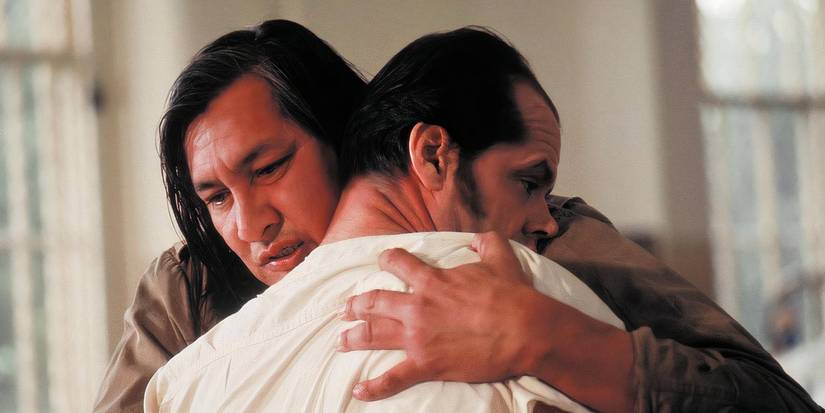
One Flew Over the Cuckoo’s Nest is funny enough to lower your guard and devastating enough to make that decision hurt. The ward will feel different after you leave it. Randle McMurphy (Jack Nicholson) enters a psychiatric hospital after being transferred from prison, hoping the ward will offer an easier environment than hard labor. He quickly challenges Nurse Ratched (Louise Fletcher), whose calm routines and group sessions keep the patients obedient while presenting control as treatment. McMurphy encourages gambling, laughter, drinking, rebellion, and the dangerous idea that the men may have more agency than they believe.
The conflict has more depth than one rebellious hero fighting one cold authority figure. McMurphy inspires the other patients, but he also treats the ward as a stage for his own ego. Ratched’s cruelty rarely arrives through shouting. She uses shame, personal information, and institutional power while maintaining the appearance of professionalism. Miloš Forman’s adaptation lets the group become a real community, which makes every small change in Billy Bibbit (Brad Dourif), Chief Bromden (Will Sampson), Martini (Danny DeVito), and Cheswick (Sydney Lassick) feel important.
4
‘Goodfellas’ (1990)
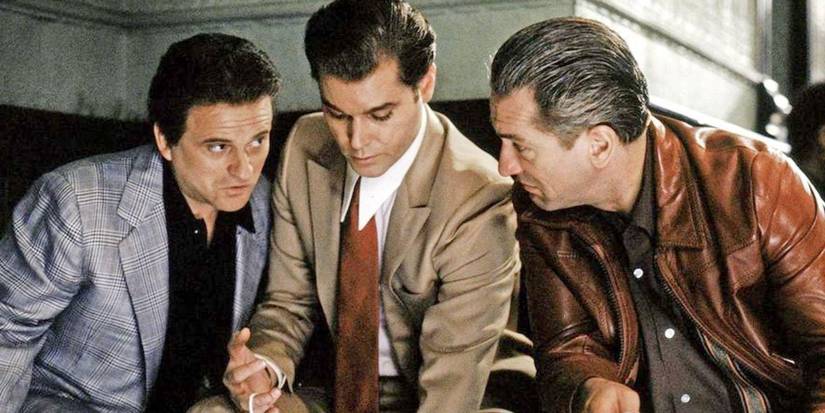
Goodfellas traces Henry Hill (Ray Liotta)’s life from a Brooklyn teenager fascinated by gangsters to an adult living inside organized crime. The attraction is immediate. Mob life offers money, respect, excitement, and a community that seems far more powerful than the ordinary world. It also depends on violence, fear, addiction, betrayal, and the knowledge that friendship can disappear the second prison or money enters the conversation.
Martin Scorsese and co-writer Nicholas Pileggi adapted Hill’s story from the nonfiction book Wiseguy, keeping the thrill and ugliness pressed together. Henry’s narration invites the audience into the lifestyle before the film starts exposing its cost. Karen Hill (Lorraine Bracco)’s viewpoint adds another layer as attraction turns into complicity, isolation, and terror. The tracking shots, music choices, sudden violence, and dark humor create a pace that barely lets anyone breathe. Goodfellas never asks viewers to admire these people from a safe distance. It lets the seduction happen first, then shows exactly what was hiding inside the invitation.
3
‘There Will Be Blood’ (2007)
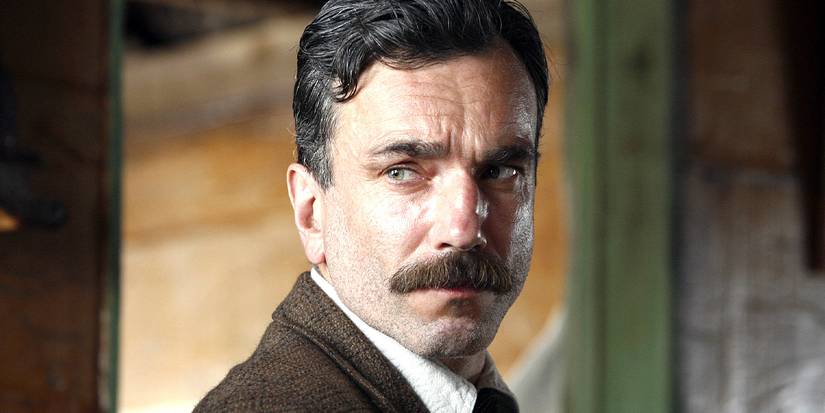
Daniel Plainview (Daniel Day-Lewis) begins as a silver miner and becomes an oilman during the early twentieth-century California oil boom. He buys land, builds wells, manipulates communities, and presents himself as a family businessman while treating nearly every relationship as a transaction. His main opponent is Eli Sunday (Paul Dano), a young preacher whose church offers a different route to influence over the same frightened town.
Daniel’s hatred of other people is almost as strong as his appetite for wealth. Success gives him control without bringing satisfaction, and competition keeps becoming personal even when cooperation would be more profitable. Paul Thomas Anderson drew loosely from Upton Sinclair’s Oil! and created something far more focused on ambition, faith, performance, and American power. The drilling scenes are loud, dangerous, and full of practical detail. The conversations are even more hostile. Daniel Day-Lewis and Paul Dano turn business meetings and religious ceremonies into open combat. Few films make achievement look this impressive and this spiritually empty. There Will Be Blood is a feast for anyone who likes character studies with real bite.
2
‘Schindler’s List’ (1993)
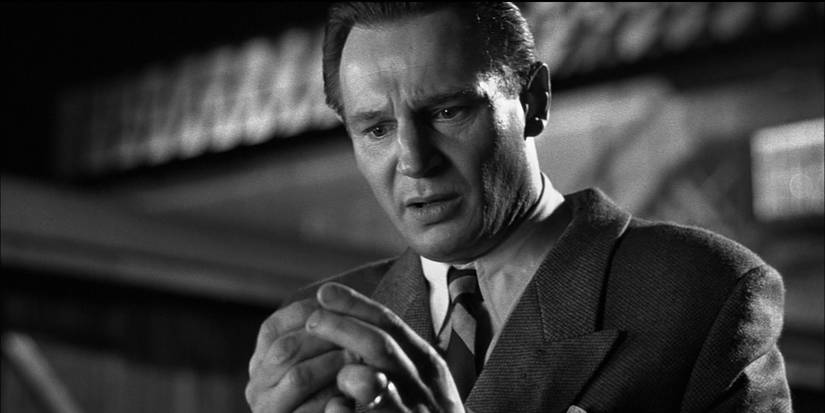
Oskar Schindler (Liam Neeson) arrives in Kraków during World War II looking for profit. He joins the Nazi Party, builds relationships with German officers, and employs Jewish workers because they cost less than Polish laborers. As persecution turns into mass murder, his factory gradually becomes a place where names on a list can mean the difference between life and death.
Steven Spielberg filmed most of the story in black and white, drawing on documentary imagery while keeping the focus on individual lives inside the Holocaust. Schindler begins as a charming opportunist, and his change comes through witnessing what the system he benefits from is actually doing. Itzhak Stern (Ben Kingsley) understands the value of the factory long before Schindler fully accepts the responsibility attached to it. Amon Göth (Ralph Fiennes) represents power with every moral limit removed. The girl in the red coat appears briefly, but the image cuts through Schindler’s distance from the killing around him. Schindler’s List is harrowing, deeply researched, and built with enormous care. It should be watched with the seriousness its subject deserves.
1
‘The Godfather’ (1972)
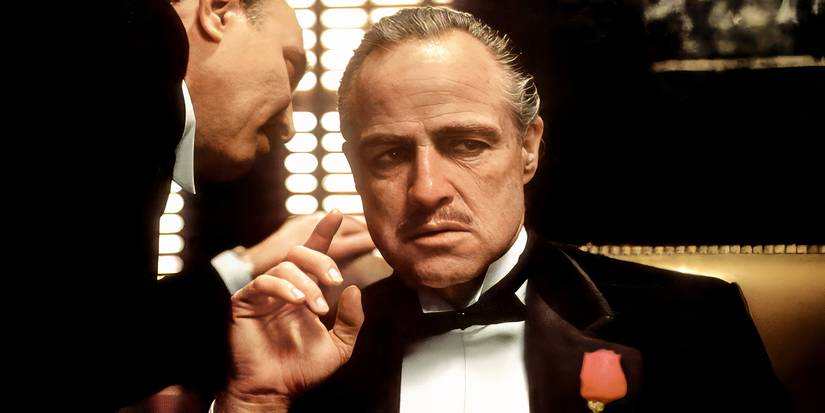
The Godfather introduces the Corleone family during a wedding, where celebration unfolds outside while Don Vito Corleone (Marlon Brando) handles requests in a dark office. His youngest son Michael Corleone (Al Pacino) has returned from war and believes he stands apart from the family business. A conflict over narcotics, rival families, and political protection begins pulling him toward the world he expected to avoid. And that origin shapes the greatest trilogy the cinema has ever seen.
Its greatness reaches far beyond quotable dialogue and mob mythology. Family loyalty becomes a source of love, pressure, identity, and control. Vito understands power as a network of favors and relationships. Michael approaches it with colder focus, and every choice narrows the distance between the respectable future he described and the role waiting for him. Francis Ford Coppola and Mario Puzo turned Puzo’s novel into a full social world shaped by immigration, masculinity, business, religion, and violence. The meals, meetings, marriages, and private warnings are as gripping as the killings. The Godfather is three hours long and somehow feels too rich to rush. Sit down with it properly and let the Corleones pull you in.

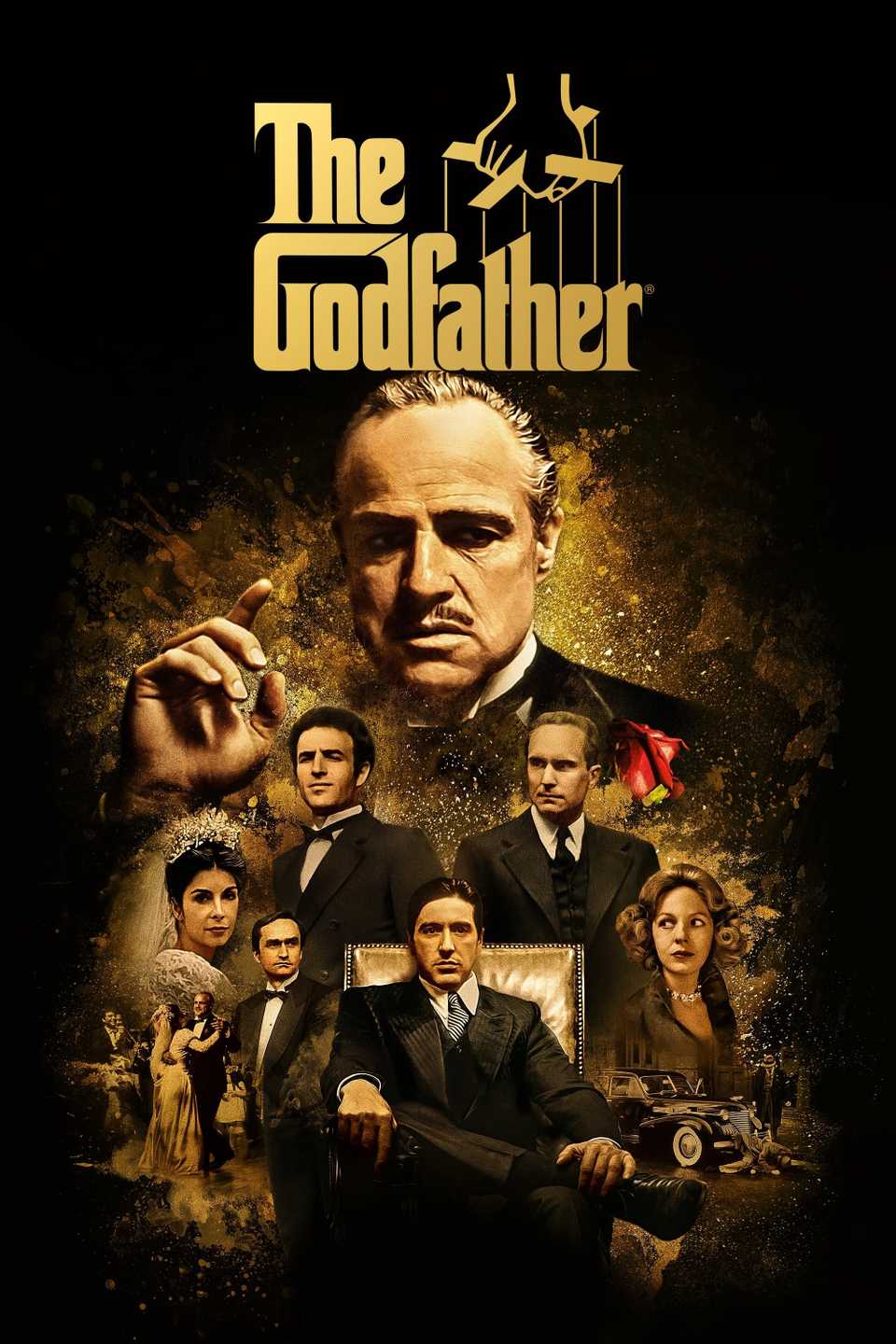
The Godfather
- Release Date
-
March 24, 1972
- Runtime
-
175 minutes
- Director
-
Francis Ford Coppola
- Writers
-
Mario Puzo, Francis Ford Coppola
You must be logged in to post a comment Login