Entertainment
10 Sci-Fi Video Games With the Best Worldbuilding

Video games can further delve into many aspects that shows and movies cannot, like worldbuilding. Movies such as The Lord of the Rings do have intricate lore, but they are not as detailed or as immersive as games like God of War. Video games create a physical world to explore where players can journey across vast settings with unparalleled agency and intimate immersion. Immersive worldbuilding is a crucial aspect that separates video games from other mediums; players experience rather than just witness it.
Many are under the impression that worldbuilding is simply a unique setting, but it is so much more; it is about crafting the history and lore and how it connects to the world that the races live in, which involves culture, politics, religion, constant change, and incredible detail. That is why this list will feature ten sci-fi video game masterpieces with the greatest worldbuilding based on design, detail, narrative, setting, lore, depth, coherence, everything mentioned earlier, and overall quality.
‘Deus Ex’ (2000)


The future isn’t a promise of advancement and evolution; it can be the exact opposite, because in the video game Deus Ex, the world is in a futuristic version of the Dark Ages. Taking place in 2052, a pandemic has ravaged most of the world, with only the wealthy elite having access to the vaccine. Players work for a task force that hunts down those who steal the vaccine, which uncovers an even darker truth.
Deus Ex is known for player agency and total unregulated freedom, which is great for a video game with such great worldbuilding, since players can explore it freely. The most fascinating parts of its worldbuilding are actual conspiracy theories, such as the Illuminati, Area 51, and Majestic 12, which it blends into one coherent narrative. This singular approach amplifies the intrigue and creates a dark, yet captivating world.
‘Cyberpunk 2077’ (2020)
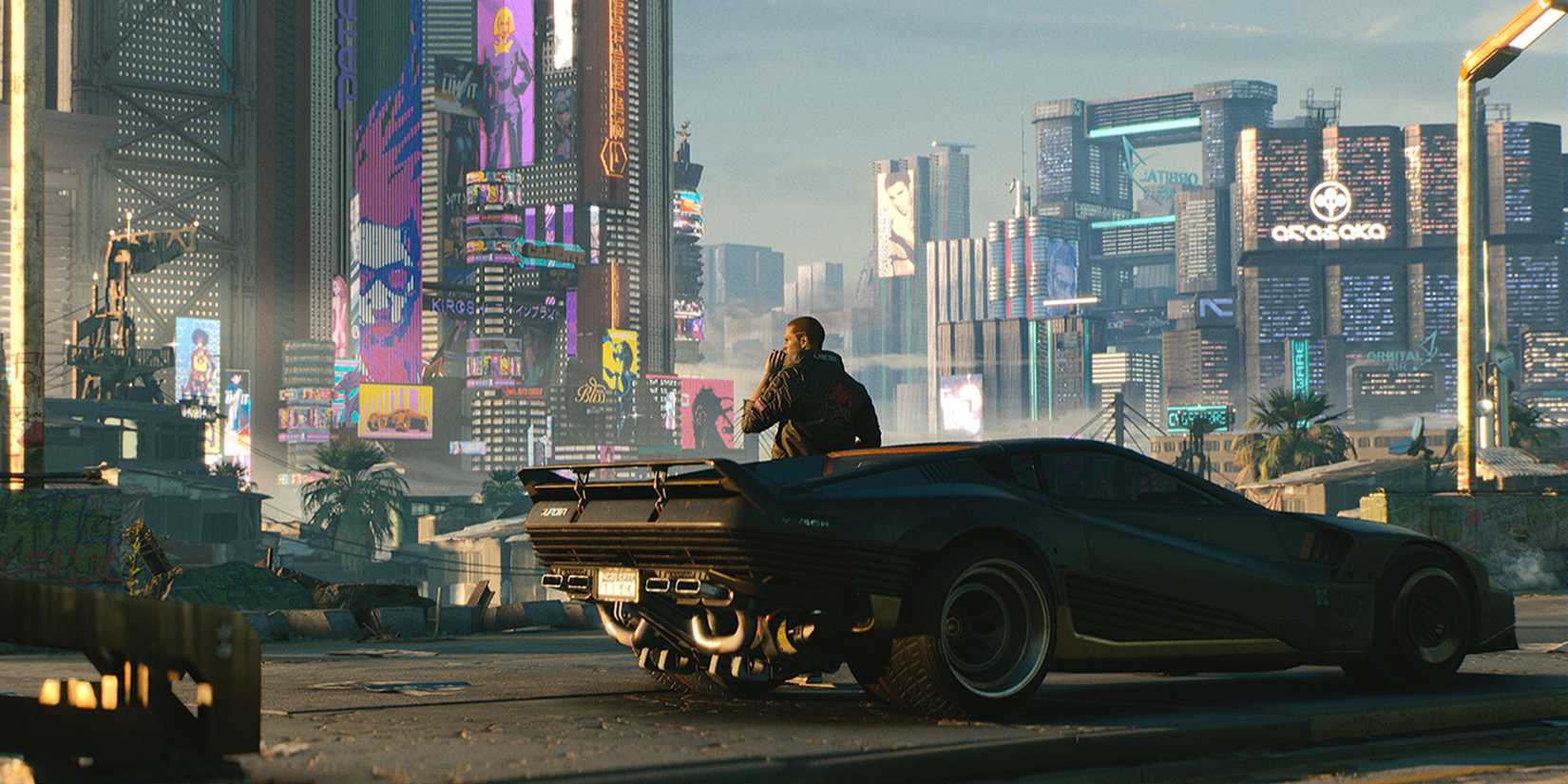
Sci-fi isn’t just about space travel and aliens; it also includes cyberpunk, a genre focused on the dystopian future of Earth, and the video game that best encapsulates that vibe is Cyberpunk 2077. Night City is never in shortage of criminals and punks, but that seems to be the only way to make a living in this dystopian city. V is one of those street punks, but when a mission goes wrong and their mind is implanted with a microchip with the ego of a terrorist, they must get it out before it is too late.
As opposed to one connection of planets, Cyberpunk 2077 focuses on building a dense city that is shaped by capitalism and the dark future. Night City is almost like a character itself in the way the world is built and how it affects everyone inside of it and them on the city as well. This city serves as the villain of the game, with immense detail and interesting ideas building into one coherent, yet chaotically unequal world, and players get to suffer through it in one of the best sci-fi adventure video games.
‘Star Wars: Knight of the Old Republic’ (2003)
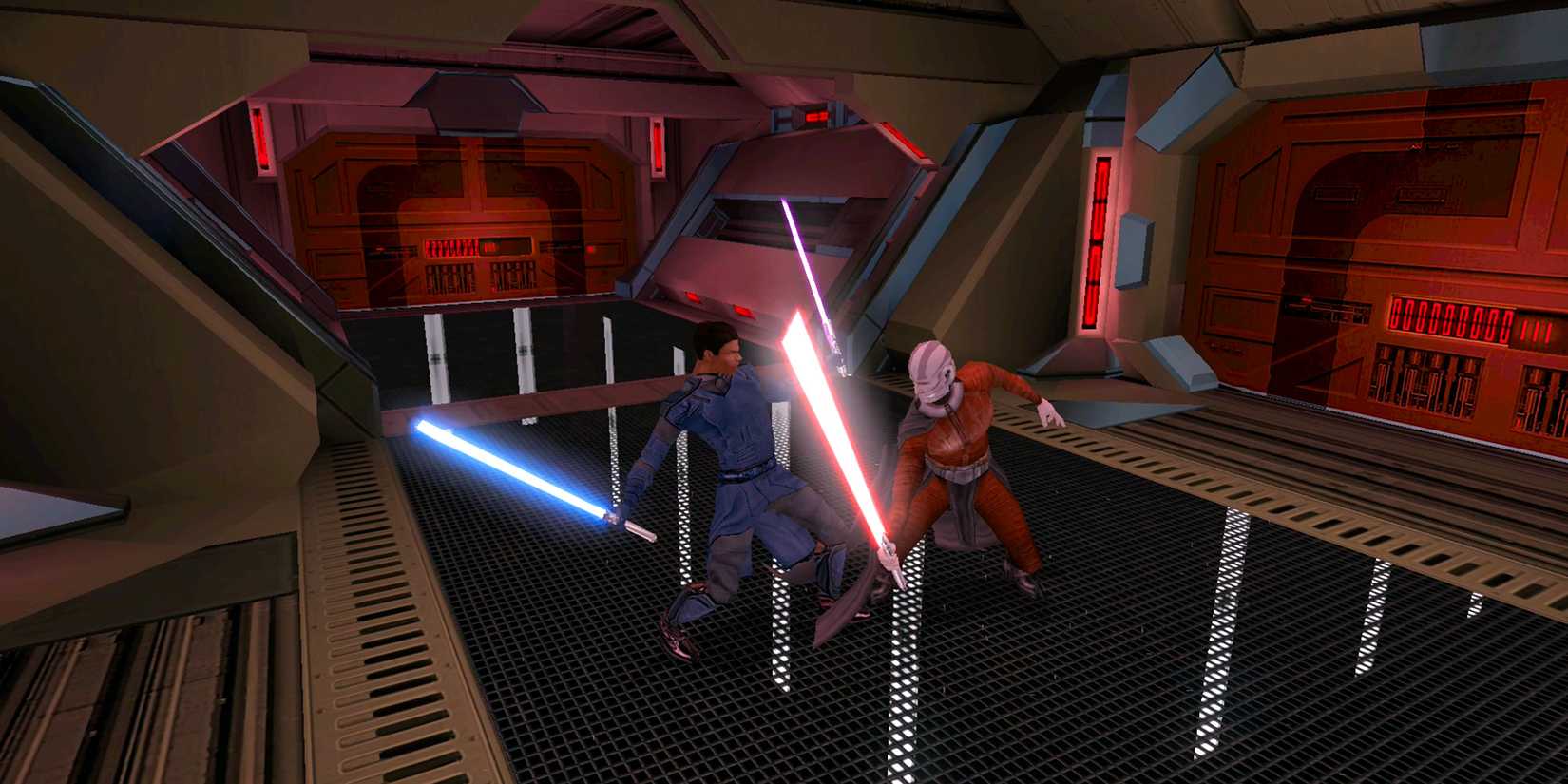
Star Wars is one of the biggest sci-fi franchises of all time, so it naturally has some pretty expansive worldbuilding, and this can be seen in some of its video games, like Star Wars: Knights of the Old Republic. Taking place 4,000 years before the Empire, the Old Republic features a war between thousands of Sith and Jedi, and the protagonist loses their memory, unsure of what allegiance they truly have.
Star Wars: Knights of the Old Republic expands a timeless franchise thousands of years earlier, filling it with lore of the Sith and the Jedi. The game features one of the best plot twists in video game history, cementing its legacy as a narrative masterclass. Knights of the Old Republic delved into the philosophical nature of the Force, and with loads of history about each faction, this is treated as canon by the fandom.
‘Fallout: New Vegas’ (2010)


Bethesda is one of the best game studios in terms of worldbuilding, and while they have many fantasy franchises, they also boast a great sci-fi-esque world with Fallout. Fallout: New Vegas follows the player setting out into the Mojave Wasteland, a desert near Las Vegas. They get caught up in a war for control over the Hoover Dam, maneuvering among the many factions and their views.
Fallout: New Vegas isn’t sci-fi in the way most of these games are, but it still technically counts as part of the genre. This franchise does an excellent job of reshaping the world with a post-apocalyptic view set in the past, using retro-futurism and messy reconstruction of society to create a daring yet captivating world. New Vegas builds its odd yet endearing world through iconic landmarks, eccentric characters, and engaging side quests.
‘Half-Life 2’ (2004)
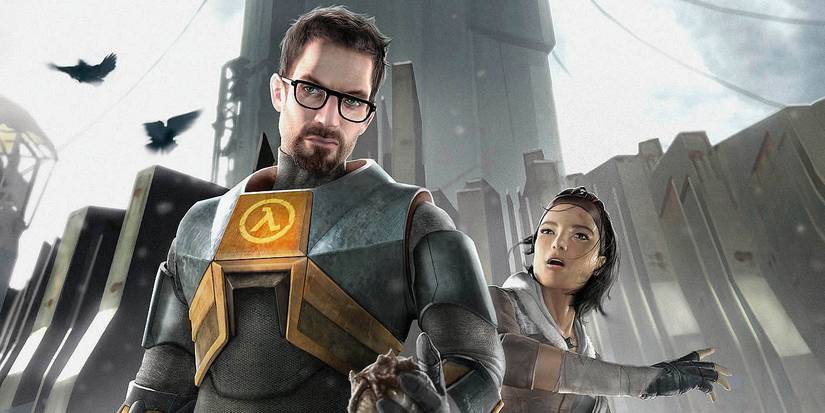
Valve is known for creating magnificent sequels that improve everything about the first game, including worldbuilding, and that is especially true for Half-Life 2. City 17 is a new habitat for humans after the aliens took over, with many more just like it. The extraterrestrial control over this dystopian world is tight, but Gordon Freeman plans a revolution to break free of their grasp.
“Show, don’t tell” is narrative 101, and it is especially effective for video games. Half-Life 2 is a pioneer in this field, creating an environmental storytelling masterpiece. The brutalist alien architecture plastered on classical human buildings is a fascinating idea that explains the history of the events before. More than that is the unavoidable propaganda that litters the cityscape.
‘Horizon Zero Dawn’ (2017)

PlayStation games usually focus on grand cinematic adventures with a focus on storytelling, occasionally leading to excellent worldbuilding. Horizon Zero Dawn is set in the far future of Earth, where mechanical creatures roam freely, and civilization has returned to a primal state. These tribes and animals are unaware of the ancient history and advanced civilization that came before them.
Having the game set in the far future of the real world allows actual worldbuilding and new creative ideas to merge, letting players fill in the gaps with their natural understanding. Having that context establishes the new world and its structure, which includes the tribal societies and the mechanical animals. Each of these aspects is fascinating to learn, and the mystery of how this happened is all part of the fun and the reason why Horizon Zero Dawn is a modern adventure masterpiece.
‘BioShock’ (2007)
BioShock: Infinite has a captivating world with Columbia, but Rapture from the original BioShock still has it beat, even if just barely. Players control Jack, who, after a plane crash, finds safety on an isolated lighthouse. What lies beneath it is a failed utopia known as Rapture. Corrupted by failed politics, territorial mayhem, and genetically spliced humans, this world is a far cry from what it was promised to be.
BioShock is a masterclass of environmental storytelling, using the audio logs to build the history and lore of Rapture and how it was founded and destroyed by political turmoil. It also has a distinct Art Deco vibe that creates a unique aesthetic when put into an underground city. However, BioShock excels at political critique, specifically Randian objectivism, which the world encapsulates perfectly using the themes and design to portray why they will fail. The narrative flawlessly seeps into the design of the world, but also the history and worldbuilding.
‘Metroid Prime’ (2002)
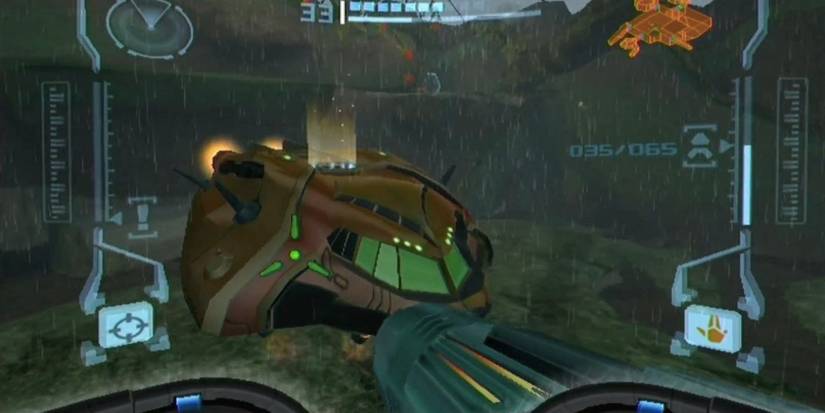
Nintendo is very hit or miss with their worldbuilding, but one franchise that got it right is Metroid, a surprisingly underappreciated game series. However, Metroid Prime specifically is the best, taking place on Tallon IV, an alien planet where Samus tracked down a group of space pirates. As she explores the ancient world, she also tries to stop the deadly mutagenic substance that has corrupted the planet.
Metroidvania is a distinct genre that can get lost in the worldbuilding, but Metroid Prime paces its discoveries perfectly. Exploration and learning are woven into the fabric of the design, giving the player a visor to scan everything and slowly building the world and its lore. With plenty of regions, ancient history, and modern advancements, this world constantly feels alive and interesting. Metroid Prime is a sci-fi blueprint, and the worldbuilding is just one of the reasons why.
‘StarCraft’ (1998)

Certain types of games are better at worldbuilding than others, like StarCraft, which, with constant updates, continues to build the world years after the game came out. The game is set in the Koprulu Sector, a lawless region of space where exiled humans are forced to live, leading to a constant clash between them and a hive-minded alien race.
In this game, there are three factions: the Terrans, Zergs, and Protoss, each with unique strengths, history, philosophies, and culture. This is felt in every aspect of the design and story, naturally building a complex history that clashes and evolves with each other. The lore behind each one is complex and fascinating, but what’s more is the worldviews and battles on a mythological scale, proving why StarCraft is a worldbuilding masterclass.
‘Mass Effect Trilogy’ (2007-2012)

Sometimes one game isn’t enough to fit all the great worldbuilding developers have in mind, and that is why the Mass Effect trilogy builds the Milky Way Galaxy through three different games. Players control Commander Shepard, who must stop a race of biomechanical aliens from devouring the galaxy by uniting the colonies and planets of the galaxy. Mass Effect has the unfair advantage of being a trilogy, but the three games are renowned for their interconnected political and personal narrative that ties into the worldbuilding.
Mass Effect doesn’t just build a world; it builds a galaxy of intrigue through the factions, races, and their cultures, languages, struggles, controversies, and beliefs. Taking place in the Milky Way, the series’ scope is absolutely massive, yet it still manages to feel personal and intimate because of all the individual stories that make up the overarching narrative. Player choices affect the worldbuilding in meaningful ways, meaning they don’t just learn about the lore; they experience it through the dialogue, main story, and societal structure. Mass Effect doesn’t just have the best sci-fi worldbuilding; it might just have the best worldbuilding in all video games.
You must be logged in to post a comment Login