Entertainment
10 Stephen King Books That Are 10/10 Masterpieces

With a career spanning more than five decades and dozens of published works, calling Stephen King a seasoned writer barely does him justice. Although he is best known for horror, King’s greatest strength lies in transforming ordinary fears into deeply unsettling stories. His monsters may be supernatural, but the emotions driving them are often painfully human.
However, horror is only one part of King’s appeal. Throughout his career, he has demonstrated versatility, exploring genres, characters, and themes that don’t rely on traditional scares. Whether he’s writing about grief, ambition, or human nature, King finds ways to interpret everyday themes into new trepidations. With that said, here are 10 Stephen King books that are 10/10 masterpieces.
1
‘The Dark Tower: The Gunslinger’ (1982)


Like many authors at the height of their career, King was more than capable of creating a multi-book series, with The Dark Tower being his most popular. Its first book, The Dark Tower: The Gunslinger, kicks things off by introducing Roland Deschain, a mysterious gunslinger chasing the legendary Dark Tower across a bizarre, dying world.
The Gunslinger, and the rest of the series, is basically King’s answer to The Lord of the Rings. It’s packed with adventure and shows off plenty of experimentation on King’s part, combining Western, fantasy, horror, and sci-fi into one strange cornucopia. While it isn’t the strongest book in the series, The Gunslinger lays the groundwork for its creepy, post-apocalyptic world and sets up a much bigger story to come.
2
‘The Green Mile’ (1996)

The Green Mile follows death row supervisor Paul Edgecomb and John Coffey, a gentle giant convicted of murdering two young girls. As Paul gets to know him, he discovers Coffey possesses mysterious abilities that challenge everything he believes about justice and guilt. Meanwhile, the prison houses dangerous inmates, cruel guards, and unexpected friendships that make the death row unforgettable.
King might be famous for showing the worst in people, but The Green Mile does the opposite. King introduces a great deal of humanity into an unforgiving environment. He challenges people’s perceptions of the prisoners, presenting readers with difficult questions about whether certain prisoners deserve to die despite their crimes or deserve a second chance.
3
’11/22/63′ (1963)

English teacher Jake Epping gets the unimaginable chance to travel back to 1958 through a mysterious portal. His friend Al thinks Jake could use it to stop John F. Kennedy’s assassination and maybe prevent decades of tragedy. Jake takes on the mission, but his little stint gets complicated when the alternative timeline promises him a better life.
At a whopping 800+ pages, 11/22/63 is a lengthy read. Plus, time travel isn’t exactly the most innovative concept, as it’s pretty common in sci-fi. But it’s hard to resist King’s meticulous research into the period, which he pours into his fictional writing to create a terrifying alternate reality filled with war, political extremism, violence, and natural disasters.
4
‘The Shining’ (1977)
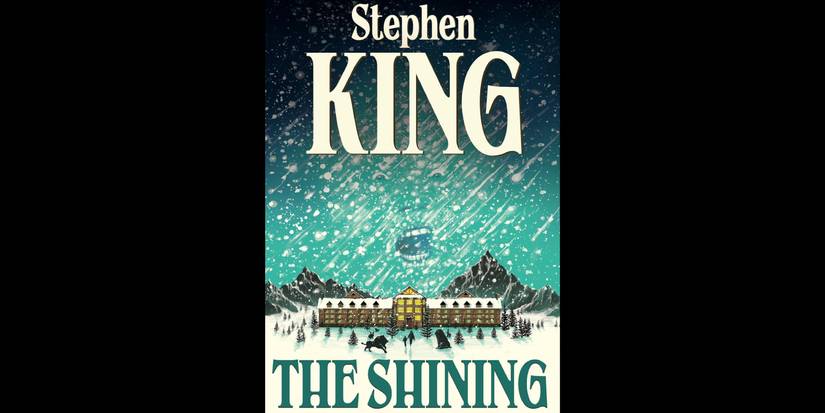
There’s a reason why Stanley Kubrick chose to adapt The Shining (apart from the urgency to make a commercial hit). A classic study of how the human psyche manifests through our surroundings, The Shining follows Jack Torrance as he moves his family to the isolated Overlook Hotel. Looking for a fresh start, it seems like his demons decide to tag along.
The Overlook Hotel is a sight to behold, with decades of history marked by dark events such as mob hits and personal tragedies. But the phantom apparitions haunting these hallways are none other than Jack projecting his baggage, trapping him in a toxic cycle of self-destruction that heightens the tension when his family is involved.
5
‘The Dead Zone’ (1979)

They say that great power comes with great responsibility, and the same applies to Johnny Smith from The Dead Zone. As a child, he discovers that he has the gift of clairvoyance. But after an accident leaves him in a five-year coma, he awakens with a much stronger sense of this ability.
A single physical touch allows Johnny to glimpse people’s pasts and possible futures. It’s a lot for an ordinary high school teacher to take in, but he tries to use his abilities for good. However, tampering with future outcomes always comes with consequences. It’s reasonable for him to use his powers to help solve cases in his small town, but when the fate of the world is in jeopardy, that’s when the book truly raises the stakes.
6
‘Pet Sematary’ (1983)
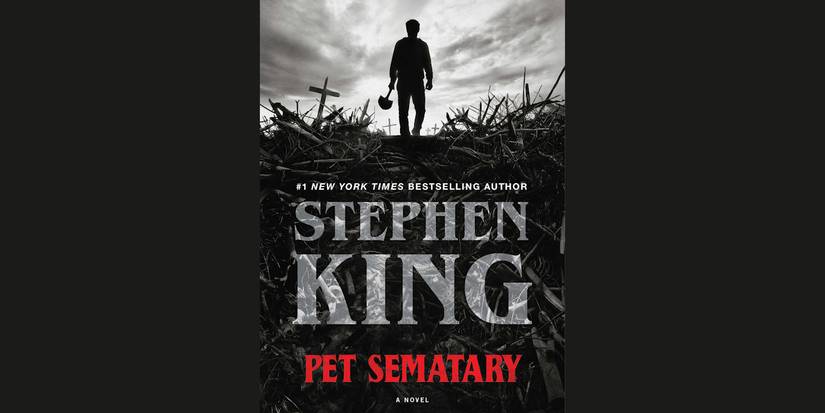
The moral lesson in Pet Sematary is plain and simple: never challenge grief. The novel follows Louis Creed, a Chicago doctor who moves his family to the small Maine town of Ludlow. Although their new house is picturesque, it sits dangerously close to a busy road where speeding trucks regularly kill animals.
This actual pet cemetery behind Louis’ family home is a star in itself. When a deceased cat they buried returns to life, it gives Louis an idea after a similar tragedy occurs to his family. However, Louis’ inability to deal with his grief becomes the catalyst for the disasters that follow, proving that there is a reason why the dead should remain dead.
7
‘Carrie’ (1974)
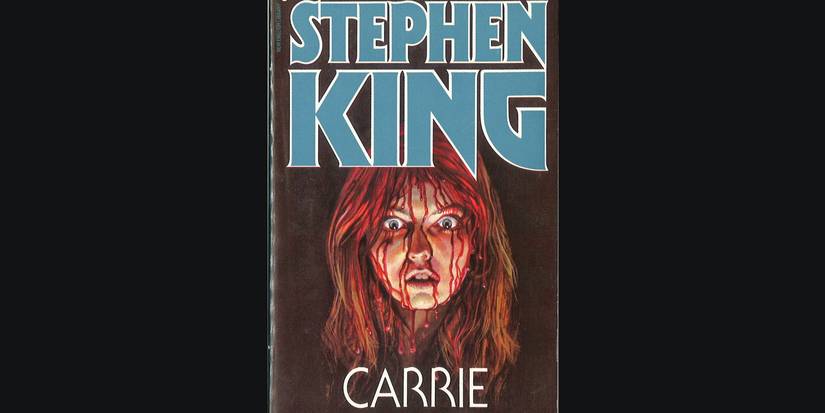
Not all evil descends from hell. Sometimes the worst demons are waiting at school. Carrie follows reserved teenager Carrie White, whose social interactions are limited to her overzealous religious mother. With no experience of how the “real world” works, Carrie is chastised by her peers for her awkwardness, inadvertently forcing her telekinetic powers to come out.
Carrie is one of King’s most grounded works, mainly because readers can recognize the all-too-familiar teenage experience of being bullied. Revenge is never the right answer, but Carrie never wanted this life. That makes her redemption — though violence is certainly not the answer — one of the most satisfying conclusions, especially after all the pain she is forced to endure against her will.
8
‘The Stand’ (1978)

Only King could have written about COVID-19 decades before it actually happened, so much so that he had to “apologize” for it. The Stand starts off with a deadly, man-made virus that makes its way out of a government laboratory. While authorities try to contain it, it’s too late — more than 99% of the world’s population is wiped out.
The Stand shows that apocalypses don’t happen overnight. It’s weeks and weeks of collapse. The same can be said for the human psyche. When entire nations fall apart, survivors need some kind of belief to hold on. It’s here that King introduces one of his famous recurring villains, who take advantage of humanity’s fears for their pleasure.
9
‘Salem’s Lot’ (1975)


Ben Mears returns to Jerusalem’s Lot, hoping to write about the creepy old Marsten House. But something is bugging him about his childhood town. Before long, Ben notices something wrong with the town as its residents begin disappearing and turning into vampires, turning his homecoming trip into a horrific haunt.
But the vampires aren’t the only thing making Salem’s Lot frightening. The town is already filled with corruption, betrayal, and people willing to look the other way. The vampires simply bring those darker sides into bigger manifestations. Even religion offers little protection, showing that evil can exist anywhere, including among people who are supposed to be good.
10
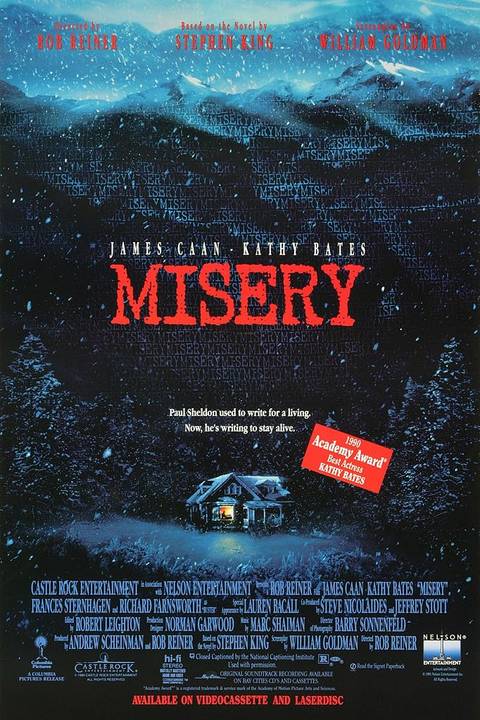
‘Misery’ (1987)
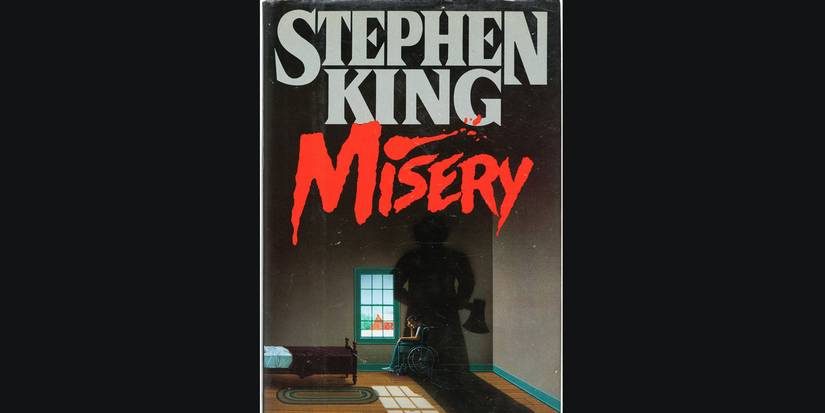
After novelist Paul Sheldon crashes his car during a snowstorm, he wakes up injured in the home of Annie Wilkes, a woman who claims to be his fan. However, Paul realizes Annie is no lifesaver — she’s keeping him hostage. With his legs injured, he’s forced to keep writing his Misery series according to her demands.
Misery takes obsessive fandom to a level, showing what happens when admiration turns into control. Unlike today’s stan culture, which is mostly expressed through the Internet, there’s no screen protecting Paul from Annie. He’s trapped with her, while she controls his medication, threatens him, and uses violence to get what she wants.

- Release Date
-
November 30, 1990
- Runtime
-
107 minutes
- Producers
-
Andrew Scheinman
You must be logged in to post a comment Login