Entertainment
10 Stephen King Movies Worse Than the Books, Ranked

It’s beyond obvious to say that movie adaptations are tricky, but they’re also an inevitability, and sometimes, they’re done well. If you don’t like reading for whatever reason, some texts do thankfully translate well to the big screen. Take The Shawshank Redemption and Misery, for example. Both very good books (one a novella with a slightly different title, and one a novel, technically), and both very good movies (released in 1994 and 1990, respectively).
And what do you know? The original stories in both cases were written by Stephen King. His work’s been translated to film and television incredibly often over the decades, but below, only the movie adaptations are going to be covered. And, specifically, the ones that were noticeably worse than the books they were based on. Some of these movies were still good, but if they were good alongside source material that was great, they have a shot at showing up here.
10
‘The Dark Half’ (1993)

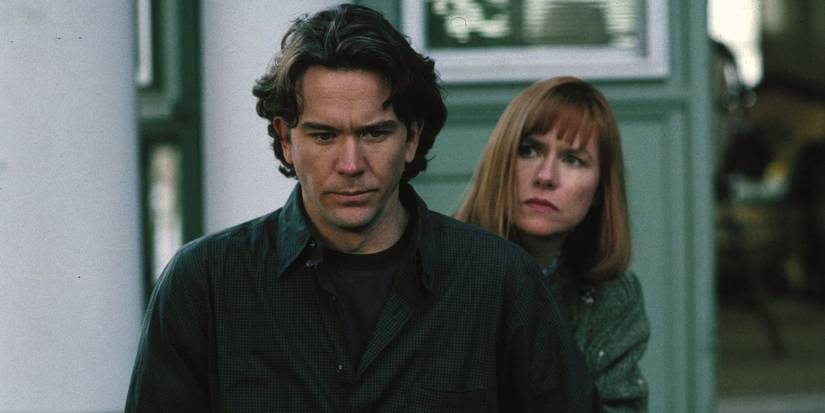
Considering how wild the premise of The Dark Half is, it’s probably just worth celebrating that a movie got it to work at all. The Dark Half is indeed a better movie than, say, Dreamcatcher, but the Dreamcatcher movie isn’t here because the Dreamcatcher book wasn’t all that good to begin with. The Dark Half, though, as a novel, was very good, and maybe also quite underrated overall, too.
In book and movie, there’s an author who effectively kills off a pseudonym he used to write under, but then that pseudonym comes alive, or comes back to life, but either way, he starts murdering people. It’s very distinctively about writing, so maybe that makes it feel a little more compelling when you actually read it, but The Dark Half (1993) works decently enough, all things considered. Being a little weaker than the source material isn’t the hugest of issues, in this particular instance.
9
‘Doctor Sleep’ (2019)
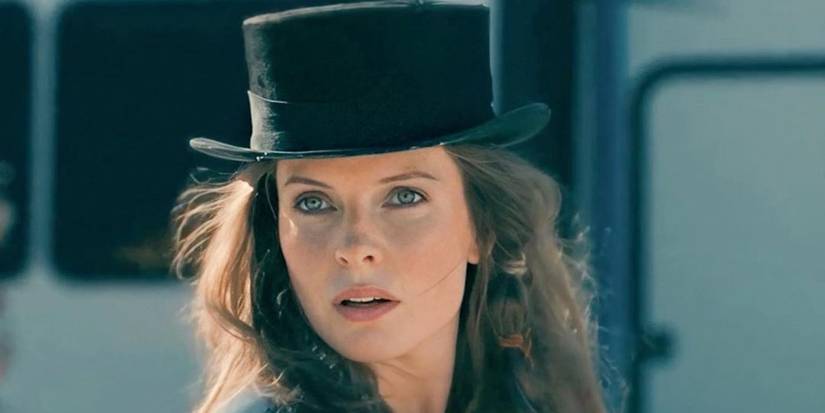
Doctor Sleep isn’t right up there as one of Stephen King’s best books published post-2000, but maybe it’s accurate to call it one of the better ones of the 21st century. There have been worse releases, for sure. Anyway, it’s a sequel to The Shining, and The Shining had a movie that ended pretty differently from the novel, so King’s original Doctor Sleep (the book) follows the ending of the book version of The Shining.
The adaptation of Doctor Sleep, on the other hand, tries to follow the ending of The Shining’s original text and movie. It wants to be a bit more than just a straightforward sequel, bringing together a book and a movie, even after the author of the former didn’t really like the latter adaptation. Points for trying, and Doctor Sleep (2019) sure is ambitious, but also, it might’ve been a better and more consistent movie if it hadn’t tried reconciling and continuing two different versions of The Shining.
8
‘The Running Man’ (2025)

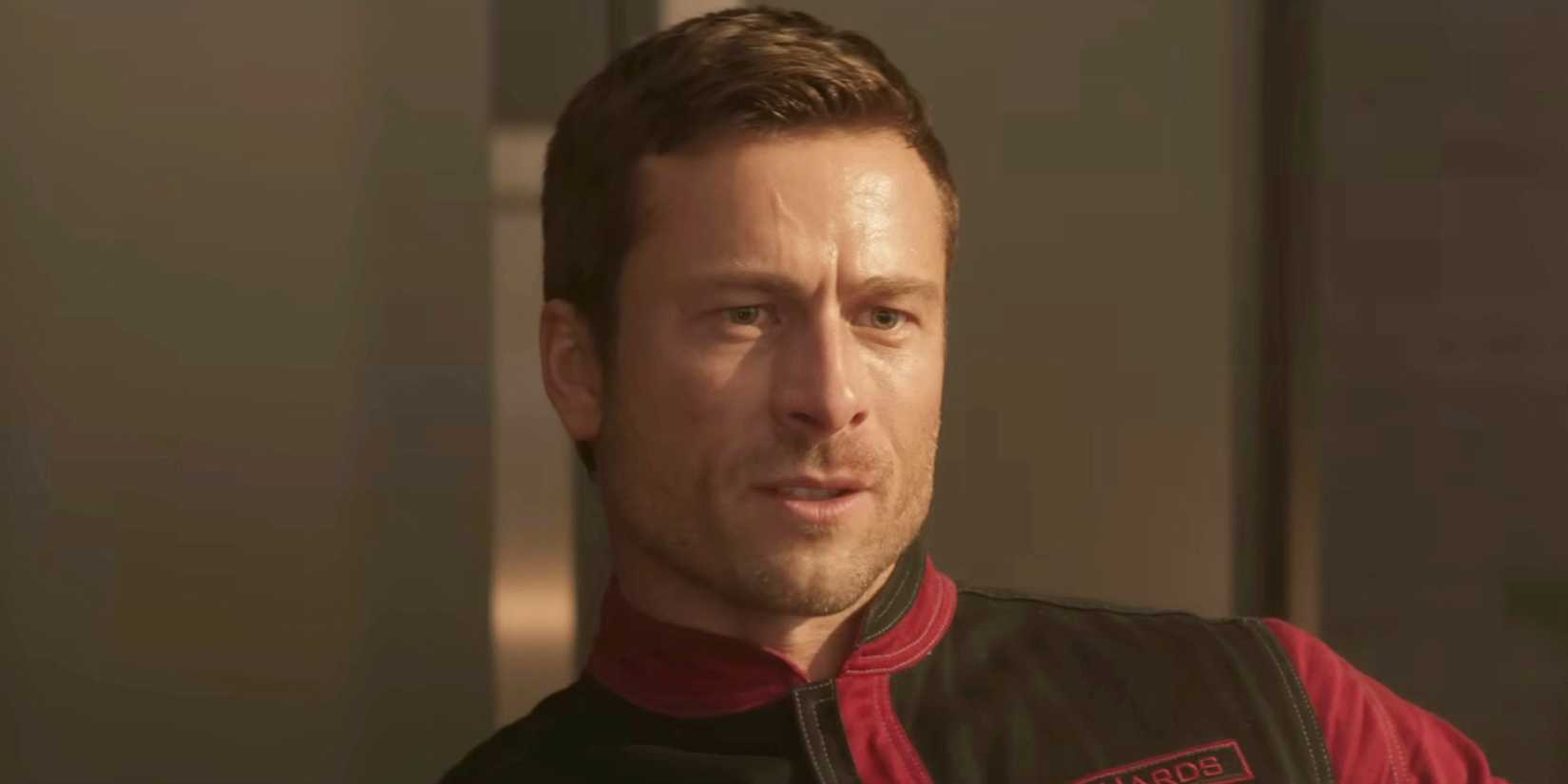
If you were a Stephen King fan in 2025, then not only did you get a new book (Never Flinch… it was a’ight), but you also got four film adaptations of King’s work that same year. Well, The Life of Chuck was first screened in 2024, but got a wider release in 2025. Also, that year saw the release of The Monkey, The Long Walk, and The Running Man.
The Long Walk was pretty strong, and pretty close to being as impactful and intense as its source material. The Running Man, though, didn’t quite get there. It captured the spirit of the book better than the 1980s adaptation, which was so loose it barely counts as an adaptation, but The Running Man (2025) did make some deviations in ways that didn’t always help. It’s a subdued example, as it’s a pretty solid popcorn flick that moves well and entertains a decent amount, but there’s a visceral quality and an extra sense of desperation in the original book that wasn’t fully captured.
7
‘The Dead Zone’ (1983)
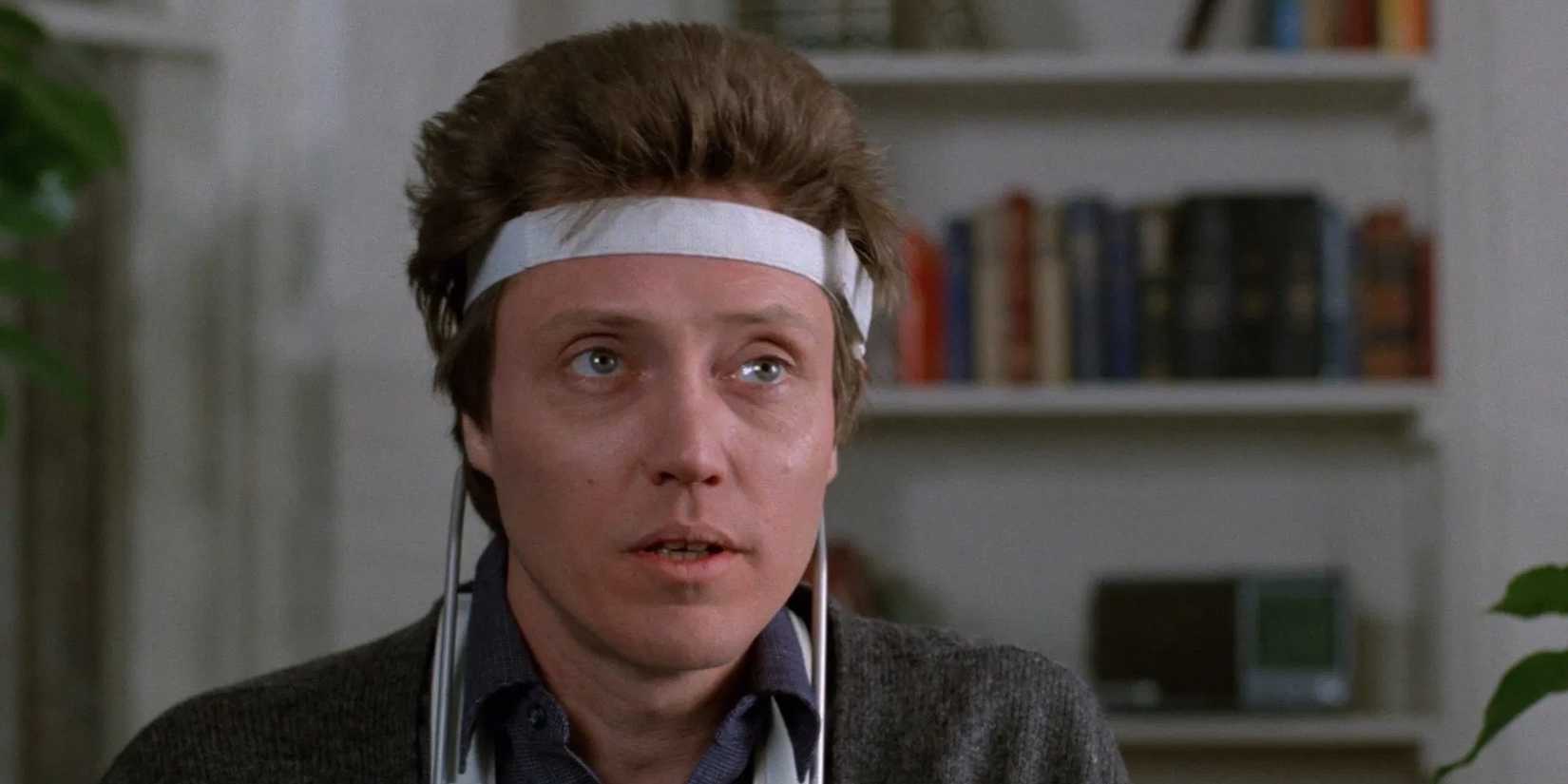
Long before he wrote a story about going into the past to stop an assassination, Stephen King wrote a story about someone assassinating someone in the present to prevent the awful visions he sees of the future. The story about the past was 11/22/63, and the story about seeing the future was The Dead Zone, with the latter getting a movie adaptation not long after the book’s initial publication.
There are some parts of The Dead Zone movie that work the way the book does, but it frustratingly streamlines the plot while still feeling a bit too slow. The book takes much longer to get through, but it’s an unexpectedly effortless read, and it doesn’t feel like as much work as the comparatively brief movie. This is all a bit of a hot take, because some people seem to sort of like David Cronenberg’s The Dead Zone, but it’s just missing something to take it from okay to genuinely really good.
6
‘Needful Things’ (1993)
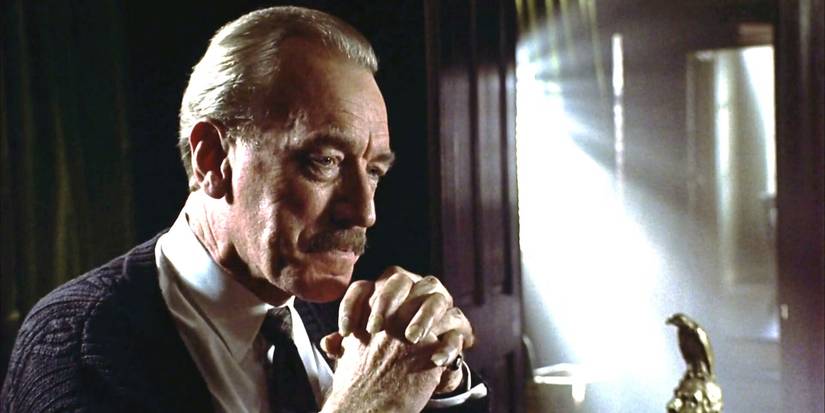
There’s a lengthy and impressively escalating build-up into all-out madness in Needful Things that works better across hundreds of pages than it does over a couple of hours. It’s the kind of thing that a miniseries could do justice, because you need the time to really showcase the town of Castle Rock and dig into various people living there, all before having the town fall apart with everyone turning on each other in increasingly violent ways.
You still get a sense of chaos alongside a good many deaths in the movie, but it comes down to impact once more. There just isn’t the same impact found in the film, even if it’s a perfectly decent flick. There’s a lot of work that goes into getting through a novel that’s on the longer side of things, as far as Stephen King’s are concerned (not quite The Stand, of course, but then again, not much is length-wise), but the novel of Needful Things is ultimately rewarding if you’ve got the time to spare.
5
‘Cujo’ (1983)

If you’re talking about Cujo, as in the book, it’s pretty mortifying stuff. There’s a horror of a very natural (rather than supernatural) kind here, and while plenty of Stephen King books are horrifying in fantastical and realistic ways simultaneously, Cujo is pretty much all about the realistic. There’s a dog who gets rabies and turns violent as a result, and a group of characters who are all put in immense danger because of this bad luck.
This 1983 adaptation of Cujo is mostly solid, but then it does alter the ending in a way that’s definitely nicer, but also not nearly as impactful.
It’s not a long book, and the number of characters is also on the more manageable side of things, so Cujo technically should work well as a movie. And yeah, this 1983 adaptation is mostly solid, but then it does alter the ending in a way that’s definitely nicer, but also not as impactful; nowhere close, really. It’s like the inverse of the situation with The Mist, where the ending of the film adaptation went into considerably darker territory than the final few pages of the original novella.
4
‘It Chapter Two’ (2019)
Things are a bit complicated when it comes to the late 2010s adaptation of It, since the mammoth book was split into two movies. The reason for this was that one half of It has the main characters as kids, and then the other half of the novel has them as adults, with the same central foe taken on both times. But it’s not a neat tale of two age groups, since the novel of It cuts back and forth between the characters when they’re young and older.
You lose a lot with It Chapter Two because of this. It feels repetitive in a way that the original story doesn’t really, with its interesting structure. It (2017) does well at capturing most of the stuff with the characters as kids, so it’s a bit harder to criticize, though the choice with that first film to divide the narrative in such a way did ultimately doom the second film.
3
‘Pet Sematary’ (2019)
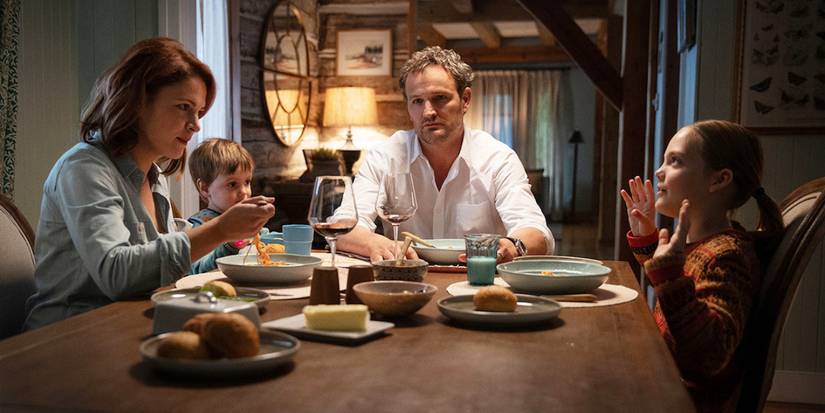
Working in a brutally effective way on two fronts, Pet Sematary stands as one of King’s scariest and also one of his saddest books simultaneously. There’s an exploration of death and a look at the desire to defy it, which is all horrific in very human and raw ways, but then there’s an ability to actually maybe reverse death, and then in come the supernatural elements and eventual scares on that front.
Neither movie adaptation of Pet Sematary quite delivers in the same way that the book does. The one from 1989 probably fares a little better than the version released in 2019, but not by a great deal, in all honesty. Things are followed decently well, so it’s more just a case that the really powerful parts of Pet Sematary have, so far, been far more impactful if you’re either reading the text or listening to an audiobook, compared to watching the whole story retold as a movie.
2
‘The Dark Tower’ (2017)
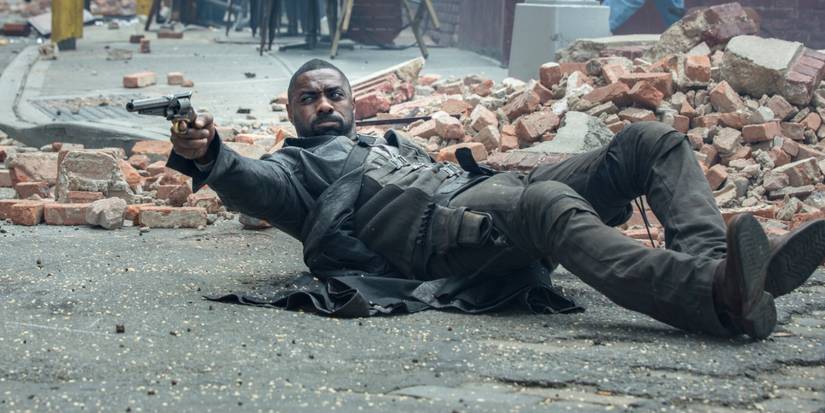
There are seven main books in The Dark Tower series, plus an interquel, a novella, and a bunch of other stories (some short, some novels) that tie into the series in some way, but one thing’s fairly clear: none were really adapted in – or represented by – 2017’s The Dark Tower. There are some elements taken from books #1 and #3, and a suggestion that things could be happening in a way that’s different from the events of the book (keeping it vague at the risk of spoiling something), but still. You want a bit more of The Dark Tower when you watch The Dark Tower.
Whatever it was trying to adapt or reflect, this movie failed. If it was trying to do its own thing, or build upon the main series, it didn’t really do that well, either. And The Dark Tower series is very long and complicated, so any sort of movie adaptation was never going to be easy, but this still felt like the wrong approach. The only reason it’s not #1 in this ranking is because of that ambiguity surrounding the extent to which it can be counted as an adaptation. Call it partially getting off on a technicality or whatever.
1
‘Salem’s Lot’ (2024)
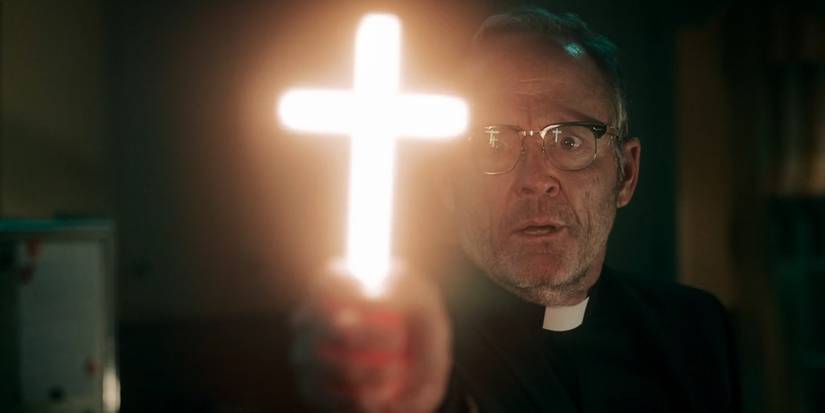
Since ‘Salem’s Lot is such an incredible book, and quite close to one of Stephen King’s very best efforts overall, the movie adaptation being just average at best is extremely disappointing. That makes it stand out as an example of a movie that really isn’t much compared to what it could’ve or should’ve been. And further, maybe saying it’s kind of average is a stretch.
This movie follows the same basic plot, with vampires slowly taking over a small town and the few humans left having to fight for their lives (not lives of the undead variety), but the slow burn of the novel is sacrificed for… nothing? There isn’t really anything gained by pacing this like a horror movie, or trying to pace it like a horror movie, since Salem’s Lot (2024) still feels slow, just not slow in a good or purposeful way. Even if you really hate reading, by no means should you watch this before getting around to the book (can’t be overstated just how much better it is).

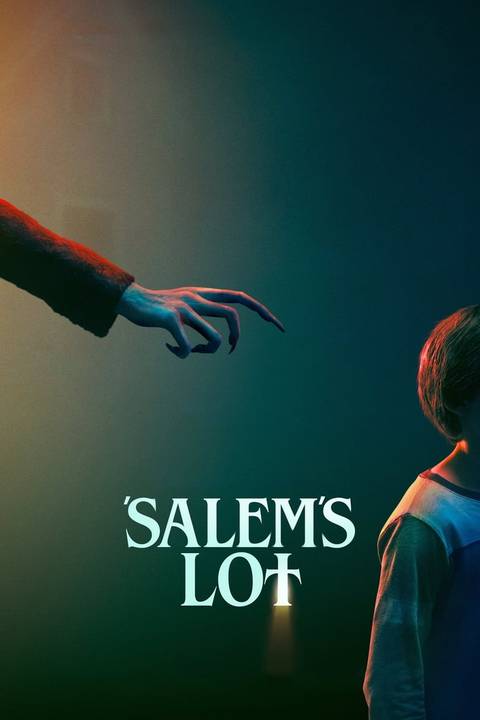
Salem’s Lot
- Release Date
-
October 3, 2024
- Runtime
-
113 minutes
- Writers
-
Gary Dauberman
- Producers
-
Mark Wolper, Michael Bederman, Roy Lee, James Wan, Michael Clear, Judson Scott
-

Makenzie Leigh
Susan Norton
-

-

Jordan Preston Carter
Mark Petrie
-


You must be logged in to post a comment Login