Entertainment
10 TV Shows Critics Obsess Over That Are Actually Pretty Bad

In a perfect world, both audiences and critics would be in love with a particular TV show. However, we sadly don’t live in a perfect world, and the television landscape is littered with numerous shows that are either loved by professional critics but hated by audiences, or loathed by the critics, but are beloved by viewers. Then, there’s a third angle: TV shows are lauded by critics, but, upon watching them, are actually kind of bad.
So, we’re going to take a look at the TV shows that were darlings of the critics, but were actually kind of bad. It’s not that I absolutely hated these shows. I tried to give all of them a chance (and may do so again in the future), but I just simply couldn’t get into these shows.
‘Quantico’ (2015–2018)

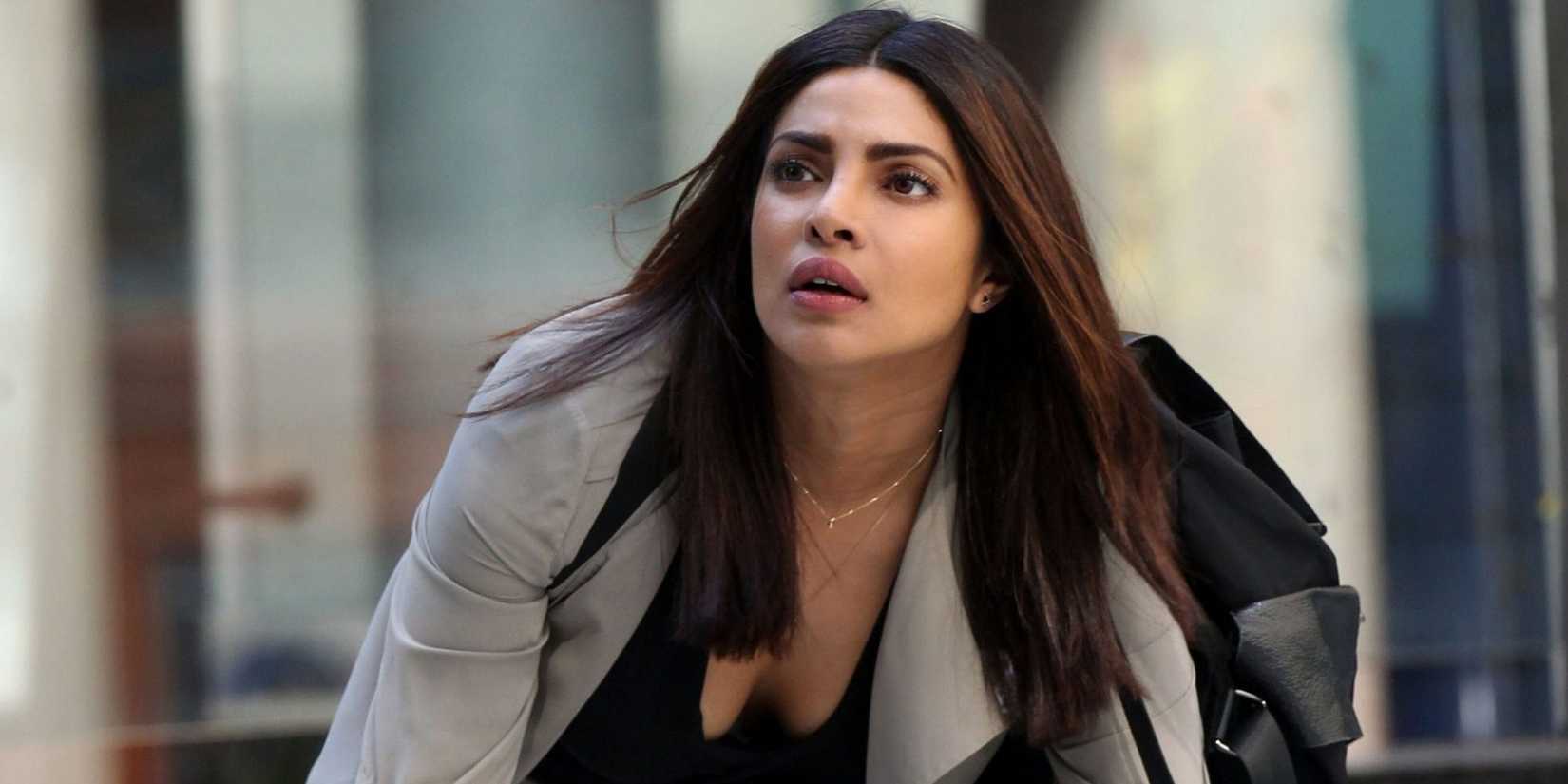
We talk a lot about thrillers on this site, but I think one sub-genre that we don’t talk enough about is terrorism thrillers. These are shows in which the storyline is centered on a terrorist plot in which a law enforcement officer must prevent. 24 was probably the standard-bearer of the sub-genre, and it was a huge hit for Fox. So, in 2015, ABC, which was desperate for dramatic hits at the time, decided to create their own 24-inspired terrorism thriller, Quantico; and, to put it nicely, it was spectacularly mid.
Starring Priyanka Chopra, Quantico follows an FBI rookie who, all of a sudden, becomes the prime suspect in a terrorist attack on New York City’s Grand Central Terminal, and, according to the terrorism thriller textbook, our protagonist must clear her name. Critics loved Chopra’s performance, and the incredibly diverse cast, but the dual timelines made the show hard to follow for the average viewer. After three seasons, Quantico faded into the television purgatory.
‘FBI’ (2018–Present)
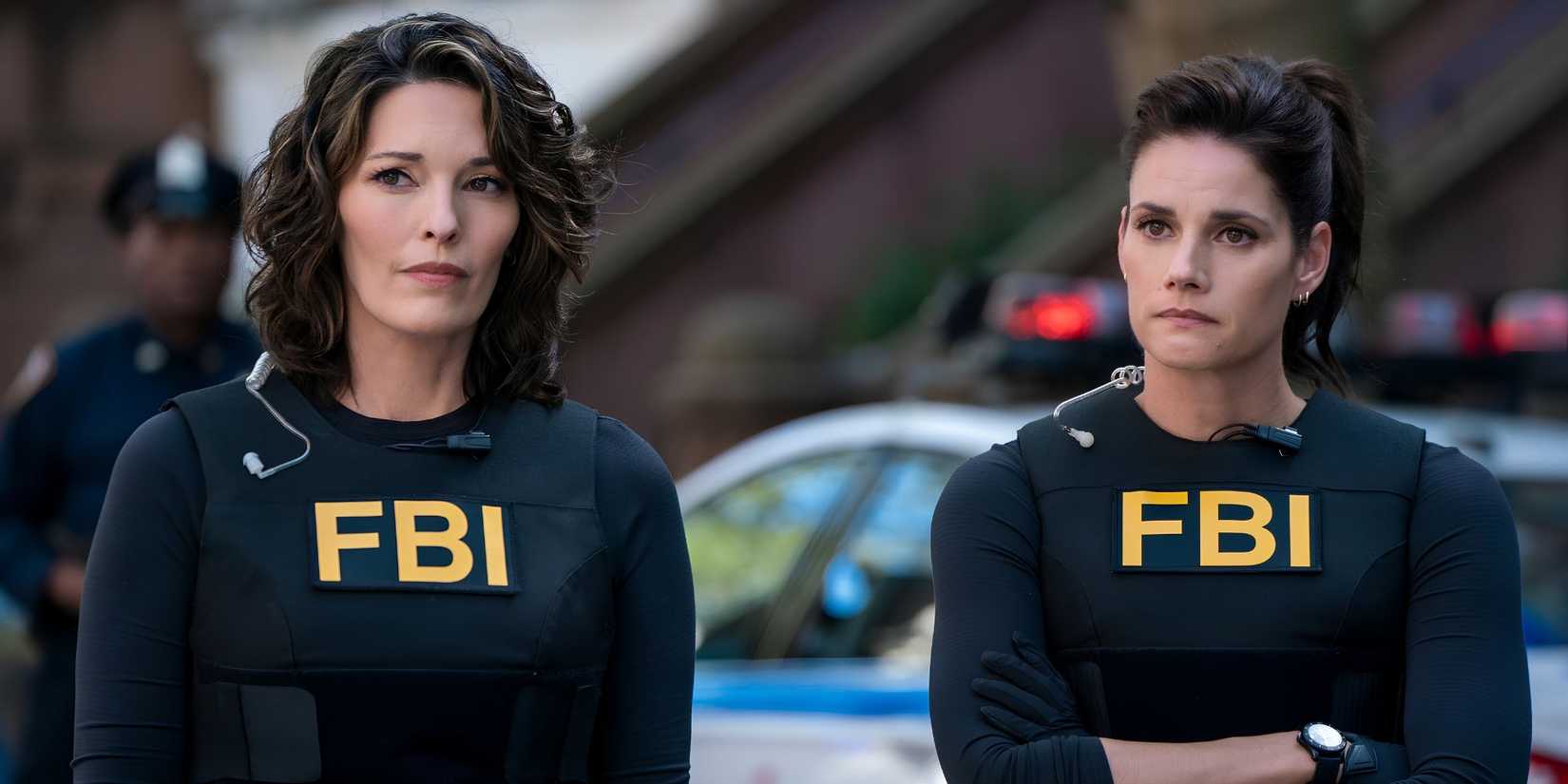
Dick Wolf is no stranger to the crime procedural sub-genre, and he has created some absolute gems, from the genre-transforming Law & Order universe to the criminally underrated New York Undercover. I love Dick Wolf’s work, which pains me to write that FBI, the police procedural that premiered on CBS in 2018, is not among his best despite critical acclaim.
If you’ve watched a Dick Wolf series, you pretty much know how FBI works. Set in its New York City field office, the series follows a unit of FBI special agents as they work to protect the citizens of the city from bad guys. While I agree with the critics that the performances are great, I can’t help that FBI feels eerily like a knock-off version of Law & Order. Everything, from the episode structure to how the characters interact with each other, just seems like Law & Order-like. I wanted FBI to be different, to take more risks, and it just sticks to the tried-and-true, which isn’t bad, but if you want that, just go watch Law & Order.
‘Supergirl’ (2015–2021)

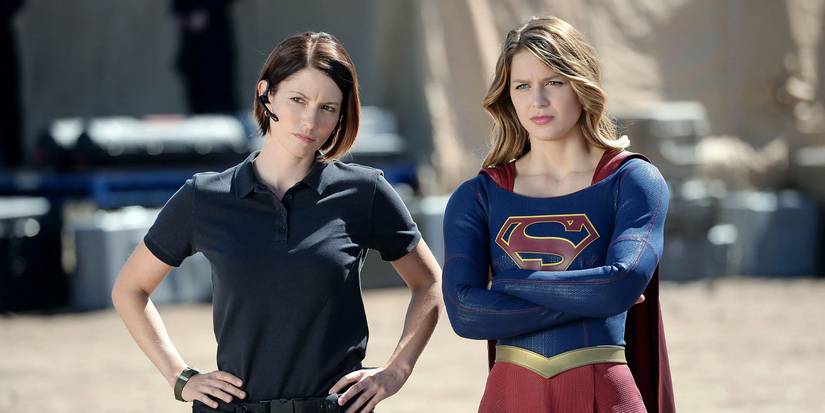
This is a CW show, so I’m going to be grading this show on a steep curve. Everyone knows that CW superhero shows are hit-or-miss, and for a time, Supergirl seemed like a hit, until it wasn’t. Supergirl follows the cousin of Superman, Kara Zor-El/ Kara Danvers (Melissa Benoist), as she defends National City (what an interesting name for a city) from the bad guys who want to do harm to it.
The first three seasons of Supergirl were pretty good (for a CW show, anyway), and I got into the plot. But afterward, it was all downhill from there. The storyline began to make no sense, and the characters became pretty bland. It’s a shame, because Supergirl could have been among the great superhero shows on the small screen. Instead, it’s another in a line of examples as to why superheroes belong on the big screen, not on TV.
‘Homeland’ (2011–2020)
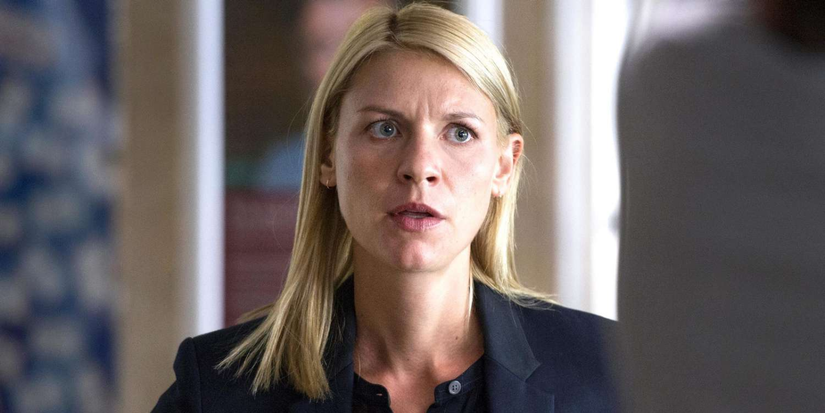
There’s always one show in every list I write that brings me chest pain for criticizing it, mainly because I enjoyed said show during its initial run, but, rewatching it, I can see the flaws more clearly. Here, it’s Homeland, the Showtime espionage thriller that had me in a chokehold in the 2010s, but I can now understand why it’s not seen in such a great light today.
Each season of Homeland is different, but the main plot centers around Carrie Mathison (Claire Danes), a CIA operations agent who embarked on an unauthorized operation in Iraq and, as punishment (I guess), was re-assigned to the agency’s Counterterrorism Center. It’s here where most of the action of the series takes place, and the series has received numerous industry awards and nominations. But, where I have a problem with Homeland is how it constantly misrepresents Muslims. Yes, this was a time in which the War on Terror was at its peak, but it still wasn’t a fair portrayal of the faith, and the criticisms that this show got for its portrayal of Muslims are warranted.
‘Ten Percent’ (2022)
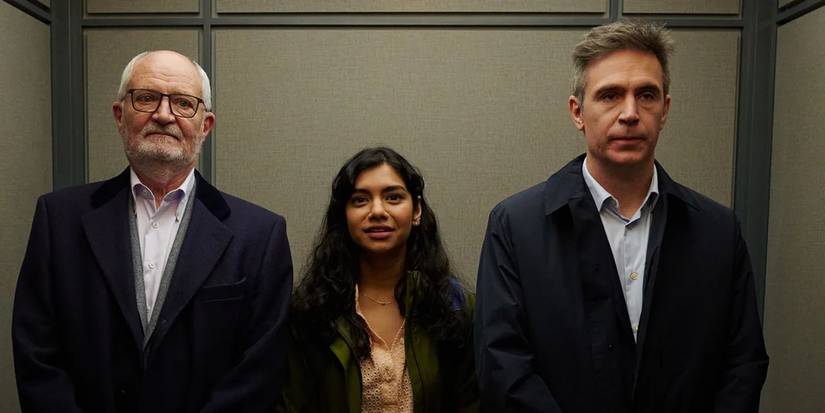
We normally don’t accommodate comedies with miniseries. While there are a few examples of comedic exploits turning into miniseries (Beef is a great example of this), comedies normally get multiple seasons to pull in an audience. So, it was weird when Ten Percent, a British comedy streamed on Prime Video, only got one season on the series. Then, I rewatched it, and I could see why.
While the series was filmed in Britain, the show is actually based on a French series, Dix pour Cent, which is set in a talent agency in London that is thrown into turmoil when the agency’s founder dies unexpectedly. While critics did like the fact that it was pleasant, I had the pleasure of watching the original French show, and once you watch that one, you’ll quickly see that this is a carbon copy of that series. The British version of Ten Percent did little to differentiate itself from its French counterpart, which is jarring because the British are pioneers when it comes to comedy, and it’s usually other countries copying them, not the other way around. Why would they do this? No wonder it was done after just eight episodes.
‘Star Wars Resistance’ (2018–2020)
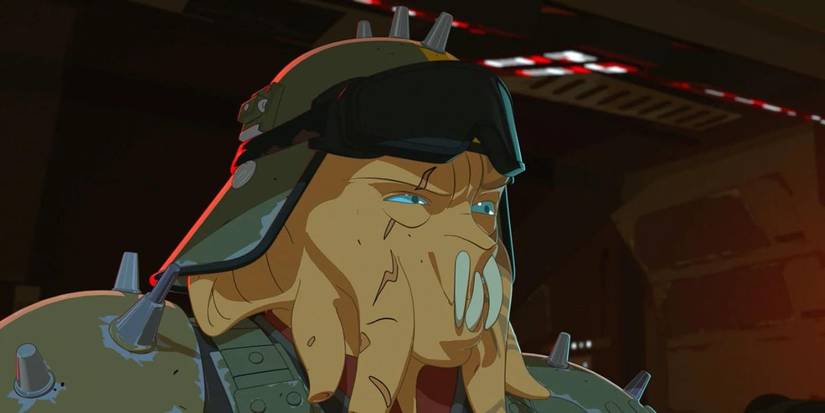
I’m going to preface this by saying that Star Wars rarely works as a comedy. Especially after the genius grittiness of Andor, Star Wars is at its best when it stays in its space opera roots. So, when I decided to re-watch Star Wars Resistance, I was completely taken aback by the comedic scale of this series, and it just didn’t work for me.
It’s shocking for me to write this because, back during its original run, I liked Star Wars Resistance. I totally get why it has a 92% critical rating on Rotten Tomatoes, as the story of Star Wars Resistance did set the stage for bigger adventures that were more kid-friendly. But, this is where it also lost me. I don’t want kid-friendly Star Wars. I want gritty Star Wars, and Resistance just doesn’t do it for me anymore.
‘The Morning Show’ (2019–Present)
I feel like TV morning shows have a cutthroat nature behind those scenes that would be ripped for exploration into a television series. That’s what Jay Carson thought as well when he adapted Brian Stelter‘s 2013 novel, Top of the Morning, into The Morning Show, for Apple TV. Starring Jennifer Aniston and Reese Witherspoon, The Morning Show looks at the sad nature of what it’s like behind the scenes of a morning show.
The Morning Show is a textbook example of a “critical darling” series. It was beloved by critics, and was nominated for a number of awards, and most of them rightfully so. The performances of Aniston and Witherspoon were dynamite, and this series accurately hit on a number of topics that many viewers could relate to. Having said that, The Morning Show had one major flaw: it is really boring. It doesn’t matter how good the writing is or how great the performances are, if a show works best as sleep-inducing background noise, it doesn’t work as an entertaining program. The Morning Show could have been among my favorites, but you can’t cook a steak without seasoning and expect it to taste great.
‘The Lord of the Rings: The Rings of Power’ (2022–Present)
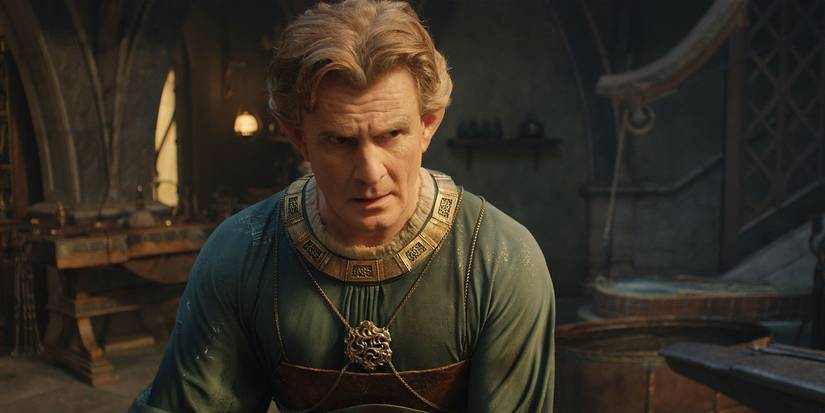
Oh, I’m pretty sure I’m going to get some hate in the comments for including this show, but let me explain why it should be here, and I’ll let you form your own opinions. The Lord of the Rings: The Rings of Power was critically loved, but it’s incredibly overrated, and I didn’t think the storyline was really well fleshed out, especially in the mess that was the second season.
The Rings of Power was a good idea that had a ton of potential to be one of the best high fantasy shows on television, but its overwrought performances, thin plotline, and questionable accuracy to the J. R. R. Tolkien novels are what weighs this series down. There is a reason why the second season had a lower viewership than the first; fans saw through the smokescreen and saw the series for what it was: an underwhelming fantasy series that was over-hyped by critics.
‘NCIS: Sydney’ (2023–Present)
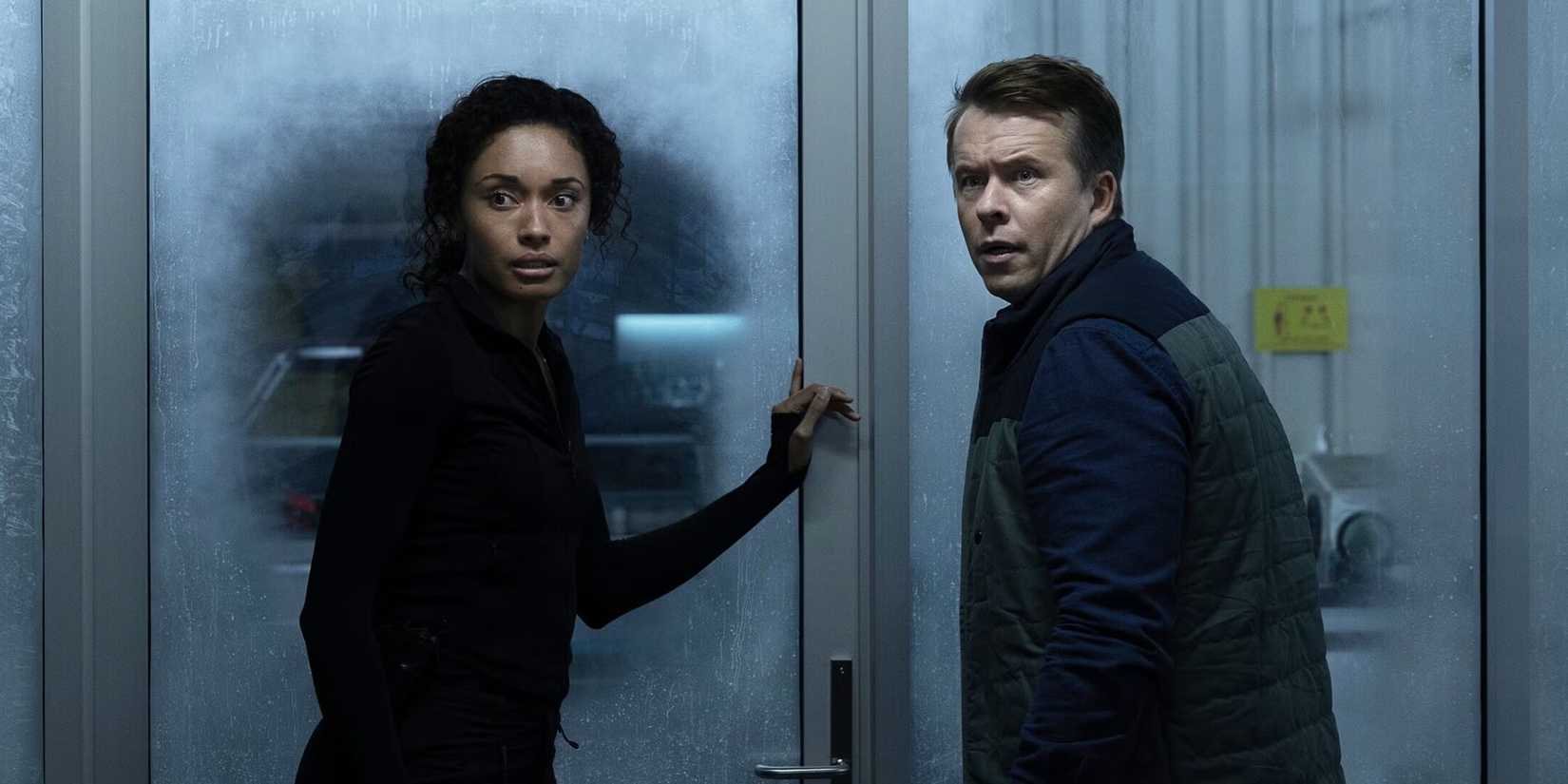
As much as I’m a huge fan of the Law & Order universe, I am equally a fan of the NCIS franchise. The original NCIS will never be touched, but I have a soft spot in my heart for the spin-offs. They’re not as good in quality as the OG NCIS, but they hold their own and have managed to differentiate themselves from the original as so, they stand on their own two-feet and don’t need assistance from the parent series, except one: NCIS: Sydney.
If you’ve watched NCIS, you don’t need me to explain the plot. It’s the same flavor, except the NCIS agents are now in Instagram-scenic Sydney, Australia catching bad guys this time around. Unlike its siblings, NCIS: Sydney doesn’t offer anything different or exciting than the other spin-offs offered. It doesn’t have enough flavor to justify its existence, and while the action is just as good, you’re better off watching NCIS‘s better spin-offs.
‘Halo’ (2022–2024)
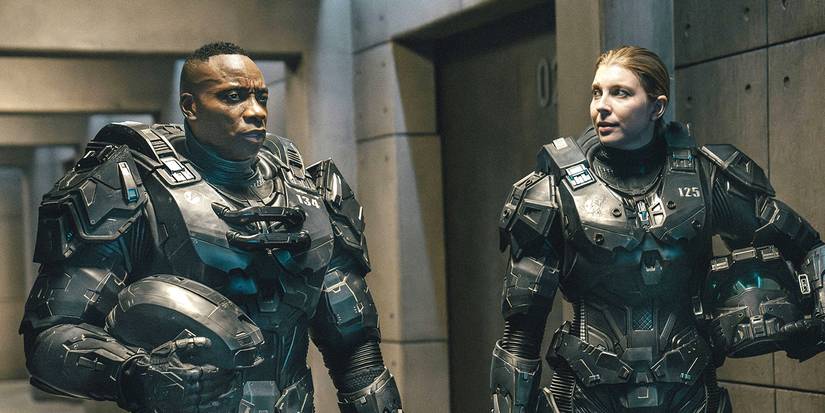
This one is personal. As a fan of the Halo games, I wanted so long to see what a TV series based off of the video game series would be like. I have been on board ever since I learned it was in development in 2013. I waited like a kid on Christmas Eve for this series to drop. So, when it finally did in 2022, I grabbed my popcorn, my Gatorade, and settled in for a night of binge-watching. To say I was disappointed with the finishing product is a tremendous understatement. I was crushed.
Halo, the TV series, had tremendous promise, and, to be fair, I wasn’t expecting it to be perfect. Having written that, when you’re sourcing from a beloved video game franchise, you need to give that source material the justice it deserves, and Halo, the TV series, didn’t do that at all. It’s very derivative, the writing is uninspiring, and it’s too plot-driven for a franchise that’s centered on its characters. While the critics gave it hope, I gave up midway through Season 1. Halo, the TV series, is a bad show, and its first impression left a very bad taste in my mouth.

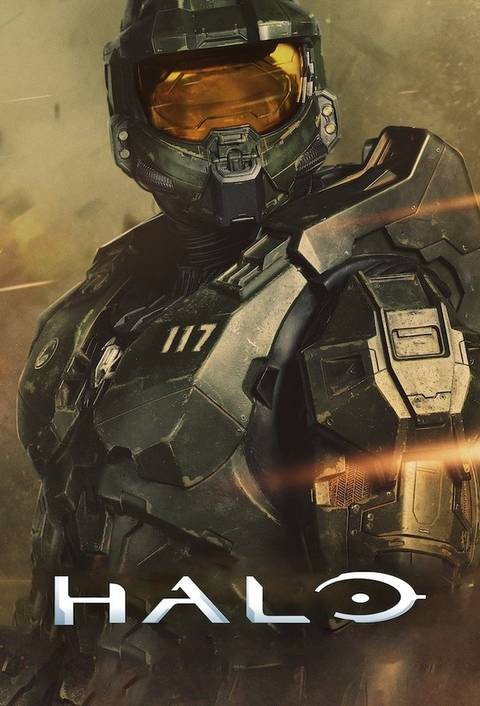
Halo
- Release Date
-
2022 – 2024-00-00
- Network
-
Paramount+
- Showrunner
-
Kyle Killen
- Directors
-
Jonathan Liebesman, Craig Zisk, Dennie Gordon, Roel Reiné, Debs Paterson
You must be logged in to post a comment Login