Entertainment
10 Years Later, Bob Dylan’s Nobel Prize Win Remains One of Music’s Most Controversial Moments

Project Hail Mary Interview | Sandra Hüller

Even a decade later, questions linger around Dylan’s win, revealing a deep-rooted tension between tradition and evolution, or perhaps more uncomfortably, so-called high and low art. Dylan’s work is at a unique crossroads of the two, having been inspired by both blues legends like Muddy Waters and literary icons such as Herman Melville. In recognizing Dylan’s songwriting as legitimate poetry, the Nobel Committee invited a serious reevaluation of what modern literature looks like, and perhaps an equally serious evaluation of what modern snobbery looks like.
Bob Dylan’s 2016 Nobel Prize Win Shocked the World and Sparked a High vs. Low Art Debate
This year is the tenth anniversary of Bob Dylan winning the Nobel Prize in Literature, and when it was announced on October 13, 2026, it was met with a plethora of mixed reactions. The division of opinion was to be expected, as he was the first songwriter to win the mightily impressive accolade, with The New York Times dubbing the win as “Perhaps the most radical choice” in the history of the prize. The announcement sparked debate regarding the boundaries between so-called high art and low art. The very notion of this distinction alone is problematic. It suggests that a certain form of media deserves to be recognized as having more value, often implied by the way or by whom it is consumed.
small
Related
Bob Dylan’s 20 Greatest Songs of All Time, Ranked
The one and only!

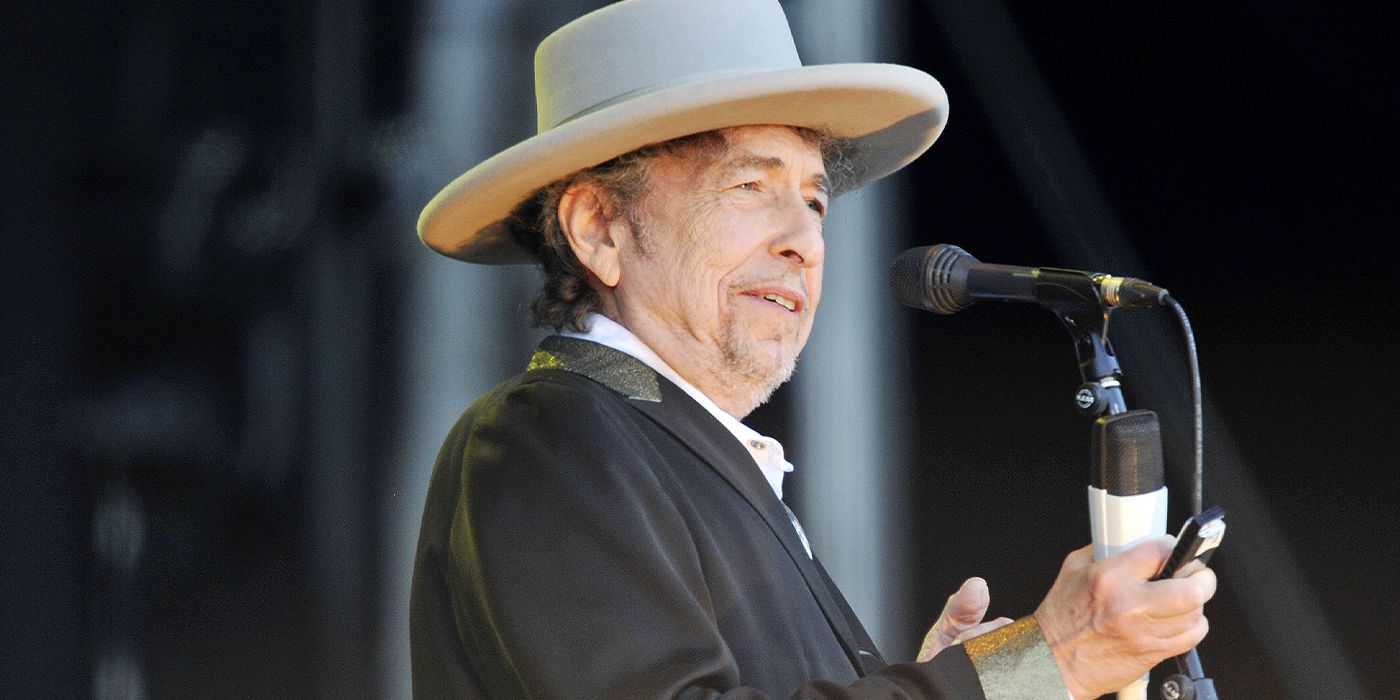
According to The Swedish Academy, Dylan’s win was “For having created new poetic expressions within the great American song tradition.” Throughout his career, Dylan has been heavily influenced by the blues music of the likes of Ma Rainey, Muddy Waters, and Robert Johnson and the literary works of Herman Melville, Erich Maria Remarque, and Homer. This combination of influences could be perceived as the marriage of the distastefully labeled lower and higher arts, and how the prize is slowly adjusting to accommodate a more representative reflection of contemporary art.
The criticism that Dylan’s win attracted was, arguably, understandable. I’m not saying he deserved hate, disrespect, or ridicule, but I’m sure his fans could empathize with the literary community being surprised and feeling like a songwriter was in a different category than, say, a novelist. Rabih Alameddine, a novelist himself, tweeted that “Bob Dylan winning a Nobel in Literature is like Mrs Fields being awarded three Michelin stars,” and Pierre Assouline slammed the win as “Contemptuous of writers.” They’re somewhat valid in their feelings, but what they perhaps failed to see is that many people love Mrs Fields, a brand that has contributed to the shaping of a generation, and Dylan is a writer.
Because Dylan’s poetry is delivered against a musical backdrop, some critics may have felt as though the literary aspect of his work is in some way diluted. However, it could be argued that once any written work is lifted from the page (a playscript, a poetry reading, an audiobook), it becomes a performance piece. So, what critics may want to consider is that the introduction of music to Dylan’s work doesn’t necessarily make it any less poetic, it just adds a contemporary flair to its performance.
Bob Dylan’s Nobel Win Only Got More Complicated
Following the announcement of his win, Bob Dylan only fueled further controversy by not attending the Stockholm ceremony due to “pre-existing commitments.” It is very unusual for prize winners to be absent from the ceremonies, and to some, Dylan’s move felt like a snub. However, Dylan assured fans that winning the Nobel Prize in Literature was “amazing, incredible. Who ever dreams about something like that?” Dylan later received his award in April 2017 in a private ceremony with no media present.
In true music legend fashion, Dylan submitted his Nobel lecture just days before the lecture deadline, six months after the prize was awarded. His lecture also raised eyebrows for its content. In a 2017 article, Andrea Pitzer found multiple examples of Dyan’s lecture that mirrored a SparkNotes analysis of Moby Dick. An Associated Press analysis found that the two pieces of work share twenty “identical phrases and similar phrasing”, but “no verbatim sentences.” Perhaps Dylan was simply continuing the “Rich and enriching tradition” within folk music of using pre-existing material.
small
Related
1967 Bob Dylan Classic Was Absolutely Transformed By the Legendary Jimi Hendrix
The cover was released less than a year later.

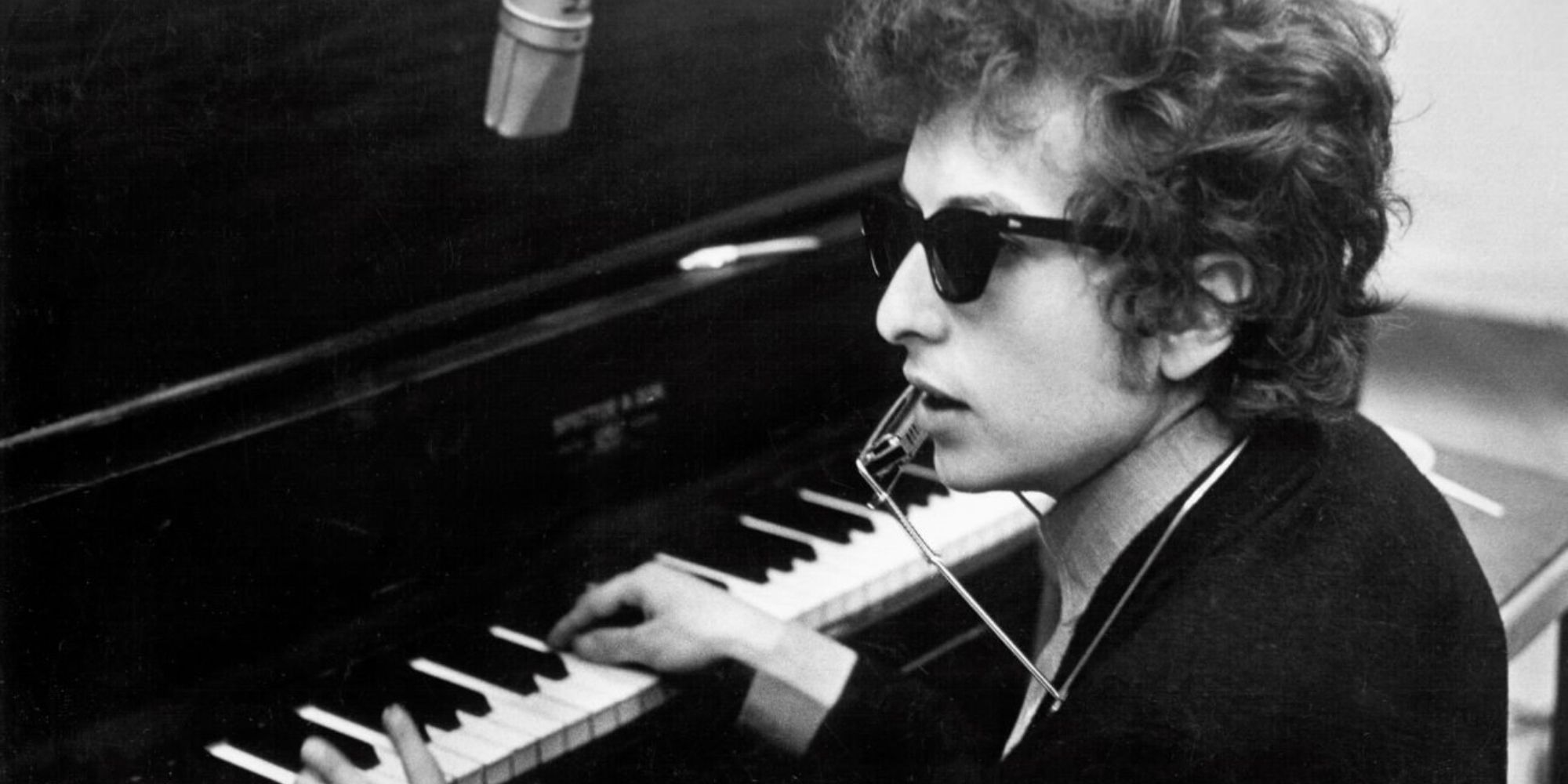
A decade on from the win, Bob Dylan’s Nobel Prize in Literature accomplishment still sits at a rather controversial intersection of music and literature. What felt like a radical decision at the time continues to raise questions about how artistic merit is defined. Even if those boundaries are increasingly blurred, many will deem Dylan’s win as a potential blunder rather than a justification for recognition. The thing is, either way, it disrupted the cultural conversation, which is a subtle act of literature itself. Fair play, Bob Dylan.
You must be logged in to post a comment Login