Entertainment
13 Perfectly Directed Thriller Movies That Are Considered Masterpieces

There’s something inherently entertaining when it comes to a thriller. With a large group of genres under the umbrella, audiences flock to films that keep them on the edge of their seats. Maybe it’s the story or the performances that keep you engaged, but a great thriller requires excellent direction.
Throughout, there have been extraordinary masterpieces, but among those, the films on this list are perfectly directed. From legendary visionaries to directors on the rise, they share an evocative power to make a lasting impact. With countless awards and inspiring new techniques in filmmaking, these directors helmed perfect films. For this list, we are keeping it to one film per director to share the wealth of praise! There are certainly many titles that could have found their place on this list, but these films are perfect.
1
‘Taxi Driver’ (1976)
Director: Martin Scorsese


There are certainly a plethora of titles that could be considered Martin Scorsese‘s greatest work. Though he’s been nominated for several Academy Awards for Best Director, winning only one, his most impactful work, which set him on the course of an influential director, came with Taxi Driver. Also jumpstarting his long-term collaboration with Robert De Niro, Taxi Driver tells the story of Travis Bickle, an isolated, mentally unstable Vietnam War vet. He works nights as a taxi driver, due to his insomnia, in a decaying, crime-ridden New York City. As he spirals due to loneliness and psychosis, Bickle turns to violence in an attempt to clean up the city. Centering on vigilante violence, Taxi Driver captures a man’s decline through a nightmarish dreamscape of isolation.
Scorsese’s film is not an easy one to watch. There are moments that are destined to make you uncomfortable. Yet, Scorsese prevents those moments from being grotesque. Instead, they serve to exemplify Bickle’s state of mind. Using pan-away shots, you start with an image of Bickle, then suddenly pull back to reveal he’s alone. It may be subtle, but it’s effective filmmaking. Then, by distorting reality through slow-motion and dream-like lighting, Scorsese forces the audience to see the world as Bickle envisions it. Taxi Driver is a deeply intimate character study that showcases how Scorsese doesn’t always need a grand ensemble to tell an effective narrative. Taxi Driver is an iconic film with an iconic character who established the ’70s in cinema. None of that could have been done without Scorsese.
2
‘Get Out (2017)
Director: Jordan Peele

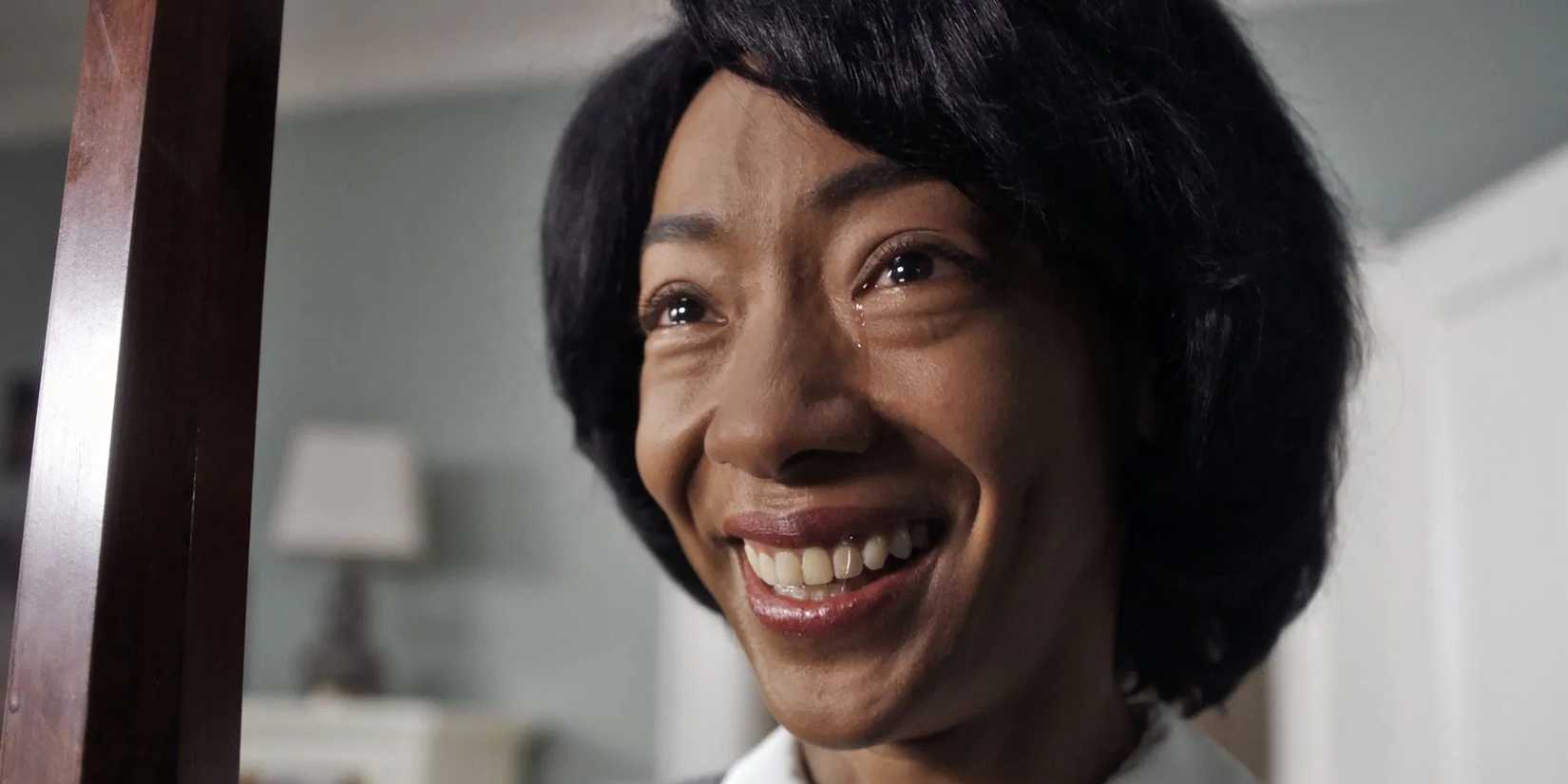
If you told anyone in the early 2000s that MAD TV star Jordan Peele would become a horror filmmaker who effectively changed the genre, they would likely laugh. And then, in 2017, Get Out debuted, and Peele established himself as a brilliant director audiences flocked toward to see what he would craft next. It all stems back to the brilliance that is Get Out. A sensational dissertation on how the horrors of our world are the things out in the open, Get Out became the modern psychological-horror standard. Peele’s tale follows Chris Washington (Daniel Kaluuya), a Black photographer, as he visits his white girlfriend Rose Armitage’s (Allison Williams) parents, Missy and Dean (Catherine Keener and Bradley Whitford), for the weekend. While there, he soon discovers, thanks to the weird behavior of the Black servants and awkward microaggressions, that the family lures Black people to their estate to transplant elderly white minds into their bodies, leaving victims in a paralyzing void known as the sunken place. Chris must get out before he’s next. A haunting, meticulously directed film, Peele’s social thriller relies on psychological discomfort rather than traditional horror tropes to create an effective masterpiece.
The horror of racism could have led to an overtly on-the-nose story that didn’t capture Peele’s mission. Instead, he holds a mirror up to society while amplifying the horror elements around it. Capturing the state of the world, Get Out had an essence of believability that made it scarily real. The anxiety of Black America is a profound theme, helped by putting the audience in Chris’s shoes. As the writer and director, Peele knew this film inside and out. He expertly fleshed out his universe by making it eerily real, so by the time the truth is revealed, there is a plausibility that psychological mind games might effectively be around us. In the end, the emotional payoff is satisfying and empowering, effectively wrapping up his directorial feature debut.
3
‘Uncut Gems’ (2019)
Director: Safdie Brothers
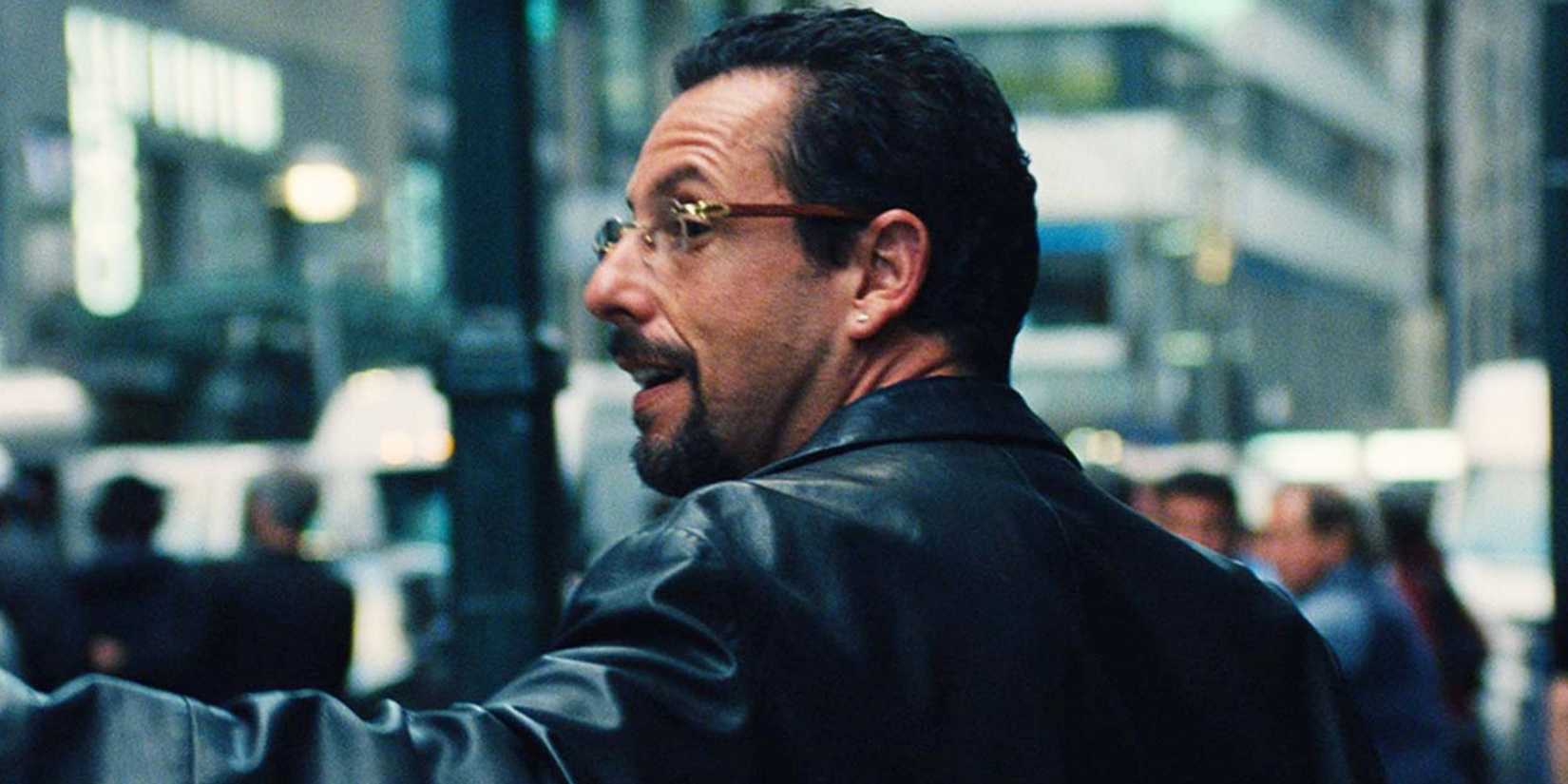
There have been many sibling duos who became legendary directors. In the 21st century, it was Josh and Benny Safdie who joined the extraordinary list. All it took was their crime thriller, Uncut Gems. The high-stakes film follows Howard Ratner (Adam Sandler), a charismatic, gambling-addicted New York City jeweler. Upon acquiring a rare Ethiopian opal, he must juggle mounting debts, angry loan sharks, and his complicated family life in a relentless, high-anxiety pursuit of the ultimate winning bet. With a precisely chaotic movie, the Safdies create an engaging yet stressful atmosphere that evokes the action of Howard’s journey.
The Safdies orchestrate a realistic pandemonium to effectively create the high-stakes adventure. From frenetic handheld cameras to overlapping dialogue, the controlled chaos leads to exposing Howard’s manic anxiety and addiction. Viewers are trapped on Howard’s thrill ride, only leaving when the deed is done. Working with cinematographer Darius Khondji, sound mixer Skip Lievsay, and Daniel Lopatin‘s synth score, the overlapping elements become harmonious while being erratic, heightening the heist. As far as acting is concerned, they pulled out a career-best out of comedian Sandler, proving he deserves to be taken seriously as a dramatic actor. Uncut Gems sparkles and shines thanks to the extraordinary work of the Safdies.
4
‘Parasite’ (2019)
Director: Bong Joon-Ho

For the longest time, foreign-language films seemed to be on the outskirts of mainstream cinema. Then, Bong Joon-Ho‘s Parasite arrived, and that separation ceased. A true masterpiece in direction, Parasite blends dark comedy with dark thriller elements to tell the story of the Kims, a poor family who infiltrate the wealthy household of the Parks by posing as unrelated, highly qualified servants. A scathing critique of modern capitalism through the lens of class conflict, inequality, and greed, Bong’s transition from witty scam comedy into suspenseful tragedy provided for an alluring film. Parasite‘s success as the first foreign-language film to win the Academy Award for Best Picture relies on Bong’s sheer brilliance.
Easily Bong’s magnum opus, Parasite takes a simple premise and turns it on its head. Like the sleek home the Parks take over, Bong meticulously builds Parasite from the ground up, using the architectural blueprint to construct a sleek film. His ability to cast a stark contrast of class through every production element — costumes, set, color — leads to a seamless composition of his vision. With so many genres and themes to balance, Bong maintains an effective tone that makes Parasite a shapeshifting thriller. The natural progression of the story falls into place without question. Through subtle changes in atmosphere, through sound and lighting, the Parks’ journey becomes even more thrilling. Parasite is unapologetic, as Bong does not allow outside influence to shape the narrative of classism in society. Parasite might be presented from a Korean perspective, but Bong’s ability to make it largely universal allowed the film to be the mainstream hit that it is.
5
‘No Country For Old Men’ (2007)
Director: Joel and Ethan Coen
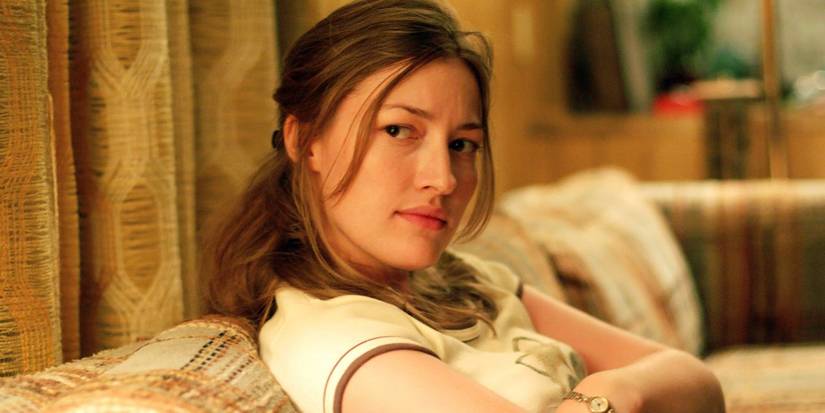
Very few directors know how to make an atmosphere a thrill in and of itself quite like Joel and Ethan Coen. With a brilliant resume behind them, they made their mark in the 2000s with their neo-Western crime thriller No Country for Old Men. Using Cormac McCarthy‘s 2005 novel as inspiration, the story follows a trio of men: Llewelyn Moss (Josh Brolin), a Vietnam War veteran and welder who stumbles upon a large sum of money in the desert; Anton Chigurh (Javier Bardem), a hitman who is sent to recover the money; and Ed Tom Bell (Tommy Lee Jones), a sheriff investigating the crime while battling a changing world he feels ill-equipped to handle. Set in the vast desert landscape of 1980 West Texas, the Coen brothers’ masterpiece is a story that isn’t about who ends up with the loot; it’s about the chase between the hunter and the hunted, a role each of the main characters adopts throughout the film.
A masterclass in visual storytelling, the Coens’ ability to build suspense through silence and ambient natural sounds heightens the tension, dropping viewers into a bleak, desolate landscape that mirrors the grim, philosophical approach to their story. No Country for Old Men showcases how capturing the precise atmosphere leads to a perfect movie. As far as characters go, the collaboration between the directors and their star brought out one of the 21st century’s most recognizable villains in Anton Chigurh. Lifted effortlessly from page to screen, just his gaze alone strikes immediate fear. No wonder Bardem earned an Oscar for his performance! As did the Coens. They have made cult classics and impressionable offbeat dark comedies, but nothing has ever been quite like their achievement with No Country for Old Men.
6
‘Eyes Wide Shut’ (1999)
Director: Stanley Kubrick

It’s safe to say that Stanley Kubrick can do extraordinary work in literally any genre of cinema. For his final project, Kubrick took Arthur Schnitzler’s novella, Dream Story, and brought it to modern times in the erotic psychological thriller, Eyes Wide Shut. The ’90s classic follows Dr. Bill Harford (Tom Cruise), who spirals into a night-long, surreal odyssey of sexual obsession and paranoia after his wife, Alice (Nicole Kidman), admits to nearly abandoning their family for a fantasy encounter. Blurring the line between the couple’s subconscious desires and their actual actions through a journey between reality and fantasy, Kubrick’s masterpiece is smartly crafted and profoundly executed.
What Kubrick does well is create a hauntingly surreal, slightly off dream. Hidden in plain sight, Kubrick creates a symbolic vocabulary through imagery, light, and color. The vibrancy and its transforming palette represent shifting emotional states, jealousy, and danger. As a brilliant psychological thriller that visually shows the emotional state, it is a masterful way to tell the story. Kubrick united top-tier performers to create such perfect chemistry, it bled off-screen as well! Eyes Wide Story is sexy and erotic, and it is thought-provoking and gripping. A film that was misunderstood at first, only to age like fine wine, Kubrick left the world, making his favorite film in his storied career. Eyes Wide Shut is truly like nothing he’s crafted before.
7
‘American Psycho’ (2000)
Director: Mary Harron
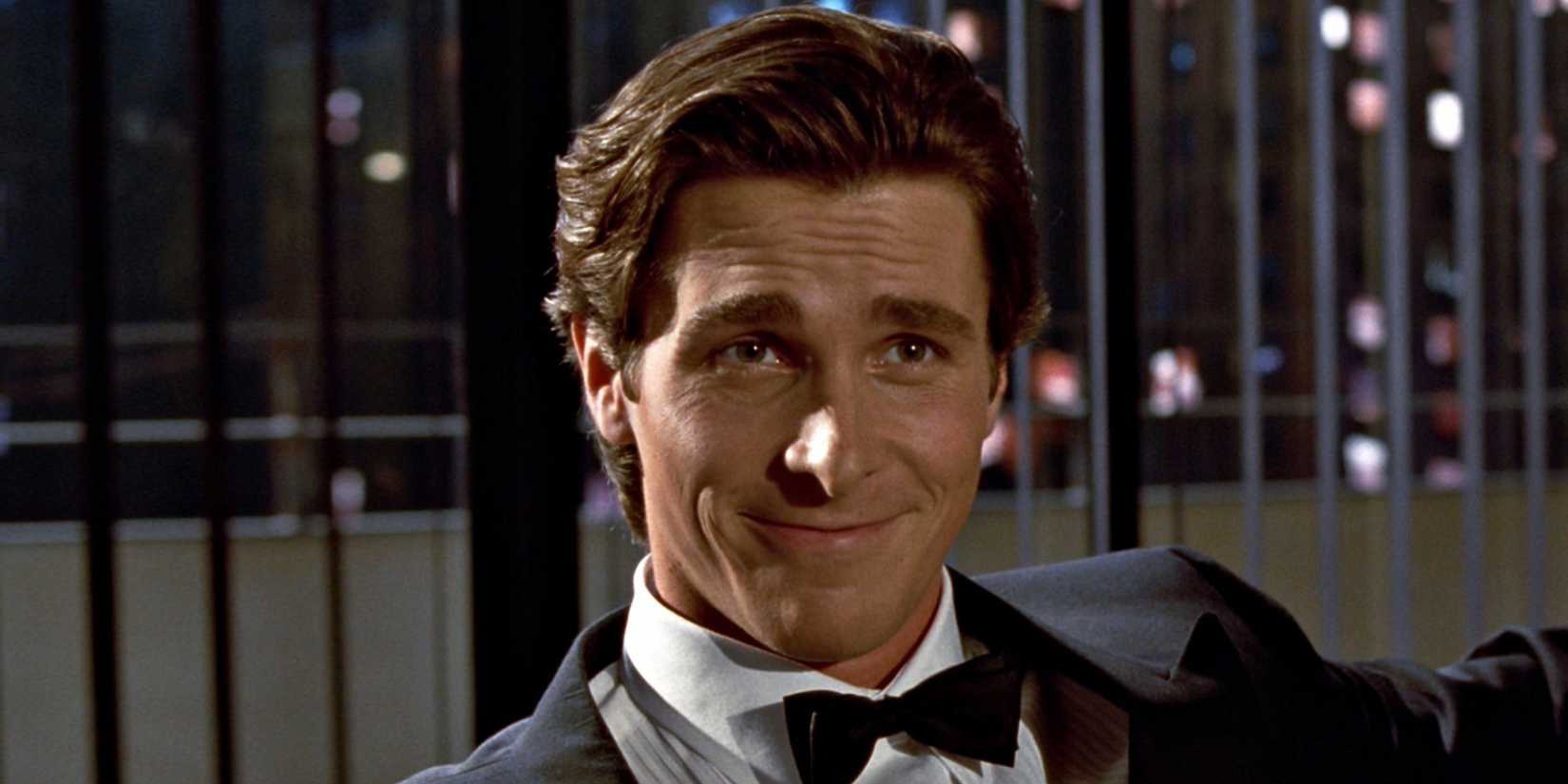
The premise of American Psycho sounds terrifying, but when director Mary Harron brought Bret Easton Ellis’ novel to life, the result was an exceptional black-comedy psychological thriller. The film follows Patrick Bateman (Christian Bale), a wealthy 1980s New York City investment banker who hides his alternate life as a sadistic serial killer. The plot, centered on themes of materialism and alienation, tracks his descent into madness as he murders colleagues, including Paul Allen (Jared Leto), and strangers, while his superficial social circle remains oblivious. With a central character that has attempted to be replicated, but can only be referenced, American Psycho was an underdog film that became a classic overnight. Hatton took a sensational story and blew it up for the big screen. Balancing horrific violence with satirical comedy, she took the superficial 1980s and narcissism to critique the absurdity of the yuppie lifestyle and male vanity.
At its core, American Psycho is a slasher film about the most enigmatic serial killer. Perhaps the most shocking part about the film is the reaction to Patrick Bateman. Harron worked with Bale to find the rich nuances within Patrick that, for whatever reason, resonated with audiences, with some even idolizing him. As she told Letterboxd, she always saw the film as “a gay man’s satire on masculinity.” She notes how the idiosyncrasies of the character, like the meticulous rituals and obsession with image, are “men are prizing their extreme competition and their ‘elevating their prowess’ kind of thing.” She says, “There’s something very, very gay about the way they’re fetishizing looks and the gym.” Harron’s ability to give Bateman the room to deliver a precise, iconic performance as a narcissistic, detached psychopath made the film perfect. At the end of the day, American Psycho is a fantastic, bloody film.
8
‘The Manchurian Candidate’ (1962)
Director: John Frankenheimer
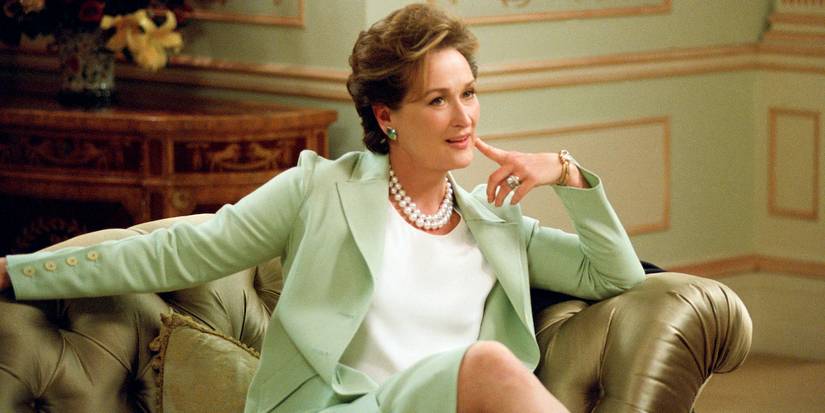
If there’s ever been a film that forces you to question everyone you once trusted, look no further than The Manchurian Candidate. Based on Richard Condon’s novel, John Frankenheimer brought to life the perfect Cold War neo-noir political thriller. The iconic film tells the story of an American Korean War platoon brainwashed by Communists. Sgt. Raymond Shaw (Laurence Harvey) is programmed as a sleeper assassin tasked with killing a U.S. presidential candidate to aid a Communist conspiracy managed by his mother (Angela Lansbury). Major Bennett Marco (Frank Sinatra) is on a mission to uncover the plot by any means. A darkly satirical film, The Manchurian Candidate, highlights themes of paranoia, mental manipulation, and political corruption through Frankenheimer’s sharply edited narrative.
To expose the paranoia at the film’s root, Frankenheimer deploys a disorienting, rapid-cutting editing style. Sensational examples include the brainwashing scenes, which transition seamlessly between a communist lecture hall and a New Jersey garden party, making the surreal feel real. Lionel Lindon’s cinematography is enhanced by black-and-white shooting and unique camera angles that heighten the thriller’s sense of paranoia. Perhaps one of the underappreciated achievements of Frankenheimer in this film is his hand-picked ensemble. He pulled out standout performances from every actor, exposing how going against type can deliver perfect shocks. Seeing how he led Lansbury to an Oscar nomination in her deliciously manipulative mother role underscores how crucial the relationship between actor and director is. The Manchurian Candidate is a deeply focused film that was truly ahead of its time due to Frankenheimer’s pristine vision.
9
‘Se7en’ (1995)
Director: David Fincher
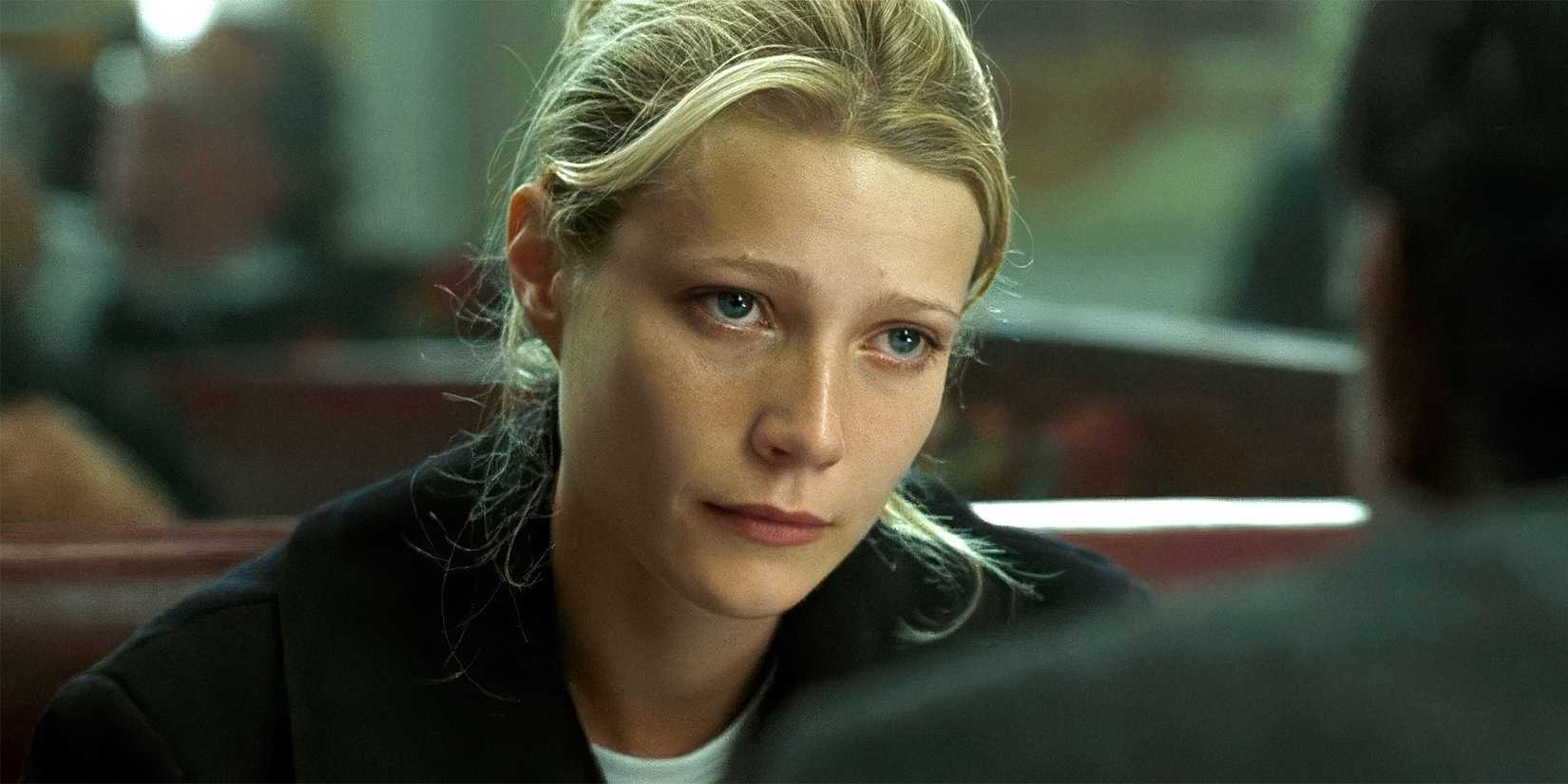
When a film forces you to question the contents of a box delivered at your feet, you know you’ve done something brilliant. Such was the case for David Fincher’s Se7en. The film follows disenchanted, nearly retired Detective Lieutenant William Somerset (Morgan Freeman) and his newly transferred partner David Mills (Brad Pitt) as they try to stop a serial killer from committing a series of murders based on the seven deadly sins. A brutal and gruesome crime thriller, Se7en went beyond the typical police procedural to deliver something thought-provoking and intelligent through Fincher’s calculated control over tone, visual aesthetics, and the psychological manipulation of the audience through shock.
To capture the specific essence Fincher was searching for, he deliberately placed the film in an unnamed city, detached from time and space, creating a timeless, universal sense of dread. And nothing spells dread quite like persistent rain. Alongside cinematographer Darius Khondji, the duo used a “bleach bypass” chemical process on the film stock to deepen shadows and create a high-contrast, desaturated look. Further, the subtle use of color allows the eye to delve into the important details. For the story, the audience is well aware that the killer is playing with the seven deadly sins, and thus, we wait for each to be unleashed. It’s a slow burn built through tension during the investigation. By the time the climax culminates and John Doe (Kevin Spacey) drops his final twist, that slow-burning was more than worth it. Se7en is Fincher showing why perfectionism can lead to a sensation. Every single frame is curated, resulting in a stunning final product. A timeless classic, Se7en exemplifies Fincher at his finest.
10
‘Memento’ (2000)
Director: Christopher Nolan
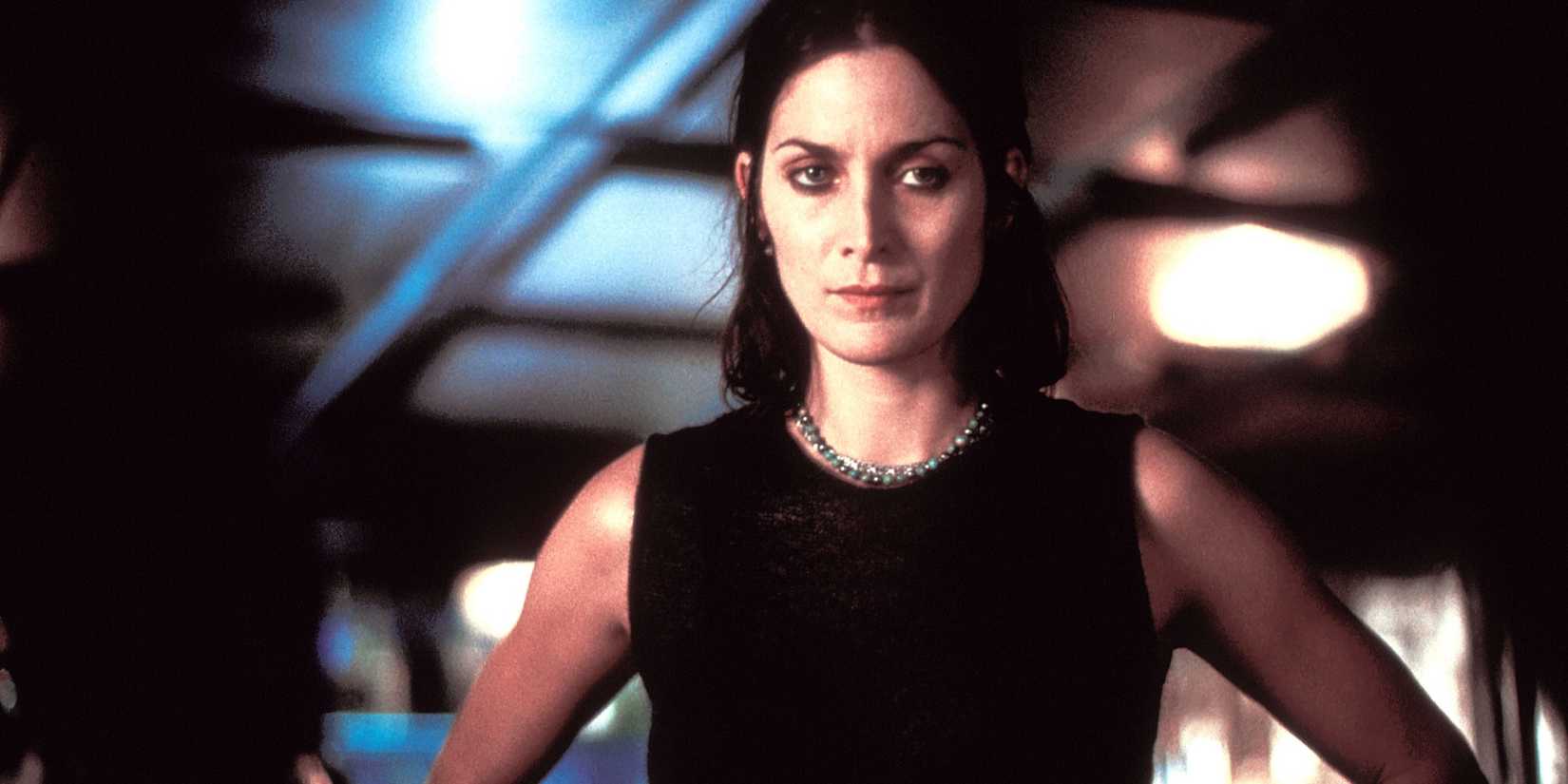
If there is one director who has defined the 21st century thus far, it’s Christopher Nolan. Kicking off the new millennium, Nolan uses a short story by his brother, Jonathan Nolan, as inspiration for the exceptional psychological neo-noir thriller Memento. The film tackles the intriguing story of Leonard Shelby (Guy Pearce), a man with anterograde amnesia, a condition that causes short-term memory loss and prevents him from forming new memories. Using an elaborate system of photographs, handwritten notes, and tattoos, Leonard attempts to uncover the perpetrator, simply known as “John G,” who killed his wife (Jorja Fox) and caused him to sustain the condition. A sharply intricate film in which black-and-white tells one story moving forward, while color tells the story moving backward, Memento’s alternating timelines collide to create an immersive, cerebral puzzle.
The chronological and reverse chronological storytelling could have been a risky flop, but because Nolan’s painstaking focus and subjective perspective are executed to perfection. The audience is forced to question everything as the timelines converge, leading to a psychological breakdown because they no longer have a trustworthy narrator. Memento is a film to watch multiple times because Nolan’s usage of subtle clues is precisely placed. This is a film that demands attention, and the more closely you watch, the richer the film becomes. At the core of the film, memory, identity, and perception shape every technical choice that leads to Leonard’s psyche. Nolan’s work has been lauded over the past two decades for films like Inception, The Dark Knight, and Oppenheimer, but Memento proved his brilliance.
You must be logged in to post a comment Login