Entertainment
20 Best Movie Soundtrack Songs of All Time

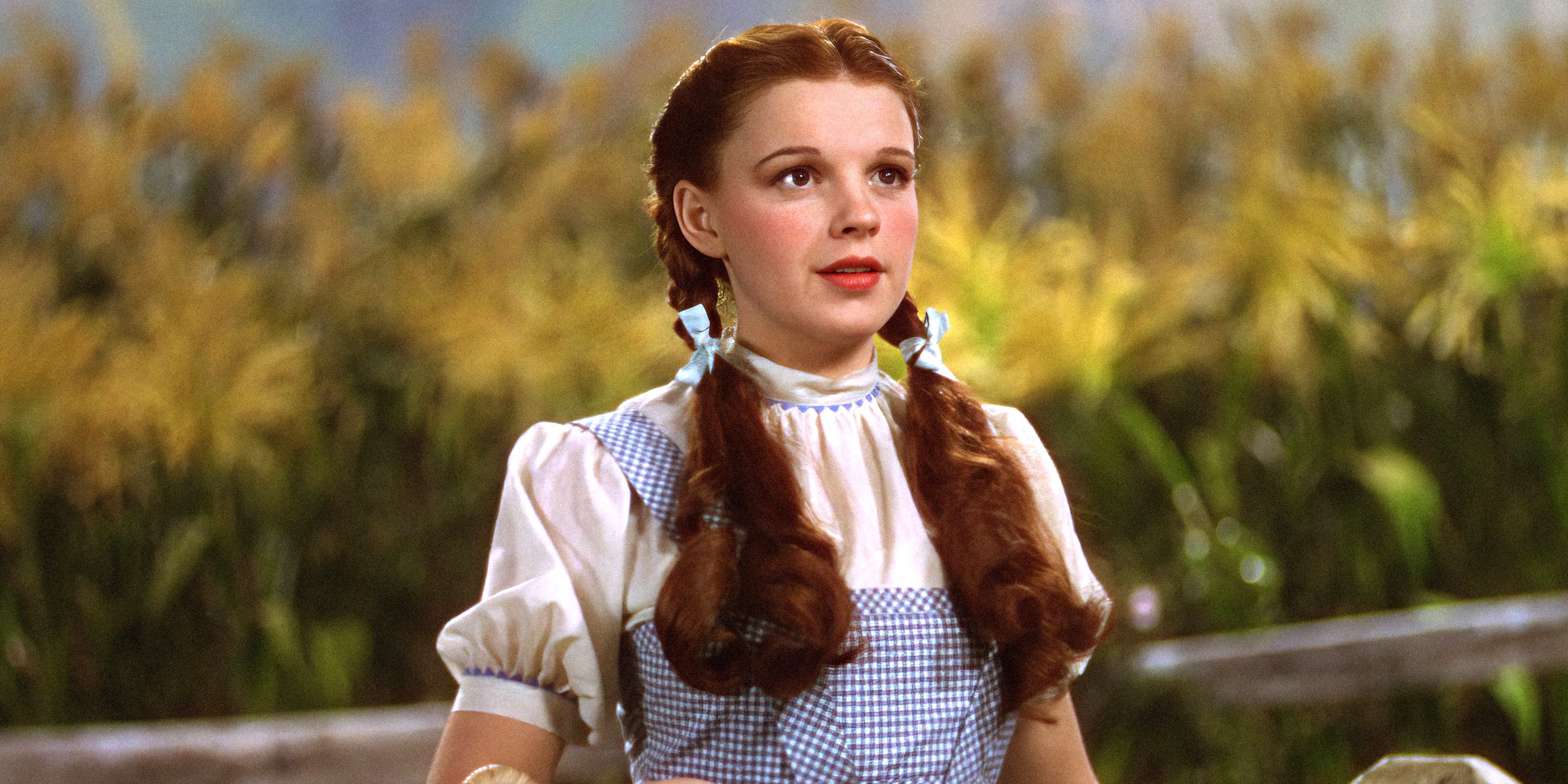

A great movie has the ability to transport you to a place beyond our present. Sometimes it’s to places beyond our wildest imaginations. A great movie should make you feel something. Maybe it’s a powerful monologue or a visceral image. Or, perhaps the perfect song at the perfect moment. It’s these songs that, when you hear them outside the film, transport you back. It’s a mark of something special.
Throughout Hollywood history, we have been inundated by some of the greatest songs from movie soundtracks. Thematically perfect or perfectly situated within a moment, these songs have stuck with us for generations. There are certainly countless songs that could join this list, but these 20 represent a wide spectrum of styles, eras, and film genres. Though your favorite may have missed the list, let’s celebrate these other monumental hits.
20
“Take My Breath Away” by Berlin
‘Top Gun’ (1986)
Very few pop songs operate as a recurring musical theme in a film. Oftentimes, you hear them once at the top of the movie, during the closing credits, or within the film itself. Then there was “Take My Breath Away” by Berlin. Not only did you hear it within the film, but it then served as the romantic anchor for the story. It was such a powerful song that producers actually went back and reshot a steamy bedroom scene in silhouette between Maverick (Tom Cruise) and Charlie (Kelly McGillis) just to provide a visual worthy of the song’s emotional weight. The iconic 1986 film Top Gun, Lieutenant Pete “Maverick” Mitchell (Cruise), a reckless, cocky Navy fighter pilot who attends the elite TOPGUN school. He must compete to be the best, overcome personal tragedy, and learn the value of teamwork in a celebration of military aviation. Top Gun was a high-octane action film, and the song provided a much-needed emotional balance.
“Take My Breath Away” is a dreamy synthesizer-driven track with aching vocals by Terri Nunn, providing an anthem that went well beyond the film. It helped represent the decade. There’s a calming sense of intimacy innate to the track. The song has a weightlessness to it that counterbalances some of the bigger, more bombastic tracks from the film, including “Danger Zone.” Nunn’s breathy, restrained delivery evokes a deep yearning that, when the song is underscored, four times, in fact, it alerts the audience to the importance of the intimacy. The track transcended the film to become a massive cultural phenomenon. Written by Giorgio Moroder and Tom Whitlock, it went on to win both the Academy Award for Best Original Song and the Golden Globe Award for Best Original Song in 1986. From a pop perspective, “Take My Breath Away” helped propel the Top Gun soundtrack to sell over 9 million copies, firmly cementing the film’s legacy in the MTV-era history.
19
“Let the River Run” by Carly Simon
‘Working Girl’ (1988)
If you were to pinpoint a singular decade of the best soundtrack songs, it very well might be the 1980s. Many filmmakers sought out surefire hits to help define their films; “Let the River Run” by Carly Simon not only set the tone for Working Girl, it was a pure anthem. The film, directed by Mike Nichols, tells the story of Tess McGill (Melanie Griffith), a sharp Staten Island secretary, who takes revenge on her conniving boss, Katharine Parker (Sigourney Weaver), by impersonating her. After pitching a major corporate merger to an investment broker using her boss’s stolen ideas, she falls in love with Jack Trainer (Harrison Ford), saves the deal, and exposes her boss’s fraud. “Let the River Run” opens the film as a triumphant anchor, with the song playing over the opening credits while the Staten Island Ferry approaches the Manhattan skyline.
The opening sequence, with its accompanying song, serves as an integral opus. It sets a heroic, bustling tone that frames New York City as a place of endless possibility for our protagonist. If Tess had a Walkman, she would be playing the song on her way into the office, determined to tackle the day with confidence. The lyrics are an anthem for empowerment. It champions the film’s feminist themes. Working Girl is truly about a dreamer who sets out to “wake the nation.” The song comes two more times, including a choral version that is equally empowering. The track won the Oscar, Golden Globe, and Grammy for Best Original Song. It was the first time in history that a single artist wrote, composed, and performed a song that won all three awards. Simon has had a plethora of hits and other movie songs, but “Let the River Run” is the most definitive.
18
“9 to 5” by Dolly Parton
‘9 to 5’ (1980)
It all begins with the shuffling of the nails for an iconic track to be born. When Dolly Parton is a part of your project, it’s inevitable that she’d contribute music to it. In the case of 9 to 5, the title not only reflected the film, but it also stood proudly on its own as a pop country crossover. In the classic workplace comedy, three female office workers, Judy Bernly (Jane Fonda), Violet Newstead (Lily Tomlin), and Doralee Rhodes (Parton), who plot revenge against their sexist, egotistical, lying, hypocritical bigot boss, Franklin Hart (Dabney Coleman). “9 to 5” pairs perfectly with the film an upbeat, irresistible melody with deeply relatable, working-class lyrics. The moment it plays alongside the street’s bustle, the mood is set.
The song captures the daily grind of horrible bosses, lack of appreciation, and being “just a step on the boss man’s ladder”. Yet, pouring a “cup of ambition” and taking care of business give workers a sense of dignity and ownership, as the trio so triumphantly do. Dealing with serious themes, the tune provides a fusion of a joyful, toe-tapping rhythm with empowering sentiments, just like the film. The anthem reflects what were once radical themes— systemic office reforms like flexible hours, job sharing, and on-site daycare. Thanks to the film and the song, these revolutionary ideas became the norm. It also helped prove that female-led films had massive commercial appeal. “9 to 5” remains a steadfast Parton hit that’s synonymous with the film.
17
“Diamonds Are Forever” by Shirley Bassey
‘Diamonds Are Forever’ (1971)
Now, before the James Bond loyalists come for this list, this slot could have gone a plethora of ways, as many Bond anthems are great. We could have gone to the modern era, but those songs ran because of the classics. Then there are a handful of great artists who sang the tracks in the heyday, but no one did it quite like Shirley Bassey, the only artist to have multiple Bond songs. As infamous as “Goldfinger” is, her biggest and best is “Diamonds Are Forever.” In the film Diamonds Are Forever, James Bond (Sean Connery) goes undercover as a diamond smuggler to uncover a ring controlled by his nemesis, Ernst Stavro Blofeld (Charles Gray). He discovers Blofeld is stockpiling the gems in Las Vegas to build a space-based laser weapon, which he plans to use to blackmail the world’s nuclear superpowers. The titular track explores themes of emotional detachment, materialism, and cynical romanticism.
“Diamonds Are Forever” remains the standout Bond single thanks to powerhouse vocals, John Barry’s dramatic orchestration, and Don Black’s sly, sultry lyrics. The song perfectly balances seductive innuendo with the sleek, high-stakes glamour of the 007 franchise. The song evokes a sexy jazz feel that’s perfectly dangerous and seductive. The central theme with the lyric “Diamonds are forever, but men are mere mortals who are not worth going to your grave for” offers a cold, material, and unapologetically atmospheric edge. While the song may be big, brassy, and dramatic, with Bassey at the helm of the risqué, sexual innuendos, it’s pure camp, matching the shift in the direction of the franchise. The song has left a lasting legacy, as artists like Sabrina Carpenter have reimagined it as a new metaphor. It’s a transcendent song that links the necessity of a theme song to the franchise.
16
“Wind Beneath My Wings” by Bette Midler
‘Beaches’ (1988)
Very few power ballads pack such an emotional gut punch as “Wind Beneath My Wings.” Especially in the context of the film Beaches. The 1988 film follows the decades-long, tumultuous friendship between brassy Bronx performer C.C. Bloom (Bette Midler) and wealthy San Francisco lawyer Hillary Whitney (Barbara Hershey). Despite clashing personalities and jealousies, they remain deeply bonded through life, love, and tragedy, culminating in a poignant final summer at the beach as Hillary faces a terminal illness. Directed by Garry Marshall, Beaches is a tearjerker, made more emotional when you hear the star belt out the infamous track. While the ballad serves as the primary musical theme for CC and Hillary’s lifelong friendship, it is used purposefully rather than being played repeatedly.
The song is played during the montage in the final act as the two main characters spend meaningful time together. It’s when you completely empty your tissue box. The song serves as the emotional anchor that reframes their relationship by acknowledging that Hillary was the one who enabled CC to shine, acting as the “wind” beneath her wings so she could “fly higher than an eagle.” The song has been a touchstone for emotional support between friends, family, and everyone in between. When it comes back for the closing credits, you’re left with a lasting impression, tears still flowing. Though the song had been previously written and was not for the film, it won Grammy Awards for both Record of the Year and Song of the Year in 1990.
15
“Rainbow Connection” by Jim Henson
‘The Muppet Movie’ (1979)
“Why are there so many songs about rainbows and what’s on the other side?” Very few songs begin so simply and profoundly. And it comes from one of the most iconic characters: Kermit the Frog. In The Muppet Movie, Kermit leaves his Florida swamp for Hollywood after a talent agent spots his potential. Along the way, he meets other aspiring performers, including Fozzie Bear, Miss Piggy, and Gonzo. Together, they are chased by Doc Hopper (Charles Durning), a ruthless restaurateur wanting Kermit as a mascot for his fried frog legs. “Rainbow Connection” serves as the ultimate “I want” song. The song emotionally establishes Kermit as an optimistic dreamer, driving his motivation to leave the swamp and seek a larger purpose in Hollywood.
Co-written by Paul Williams and Kenneth Ascher, “Rainbow Connection” effortlessly encapsulates the movie’s overarching message: the power of believing in yourself, following your dreams, and embracing a creative, welcoming community. It’s why the song has resonated with so many individuals across generations. “Rainbow Connection” is a masterpiece of lyricism, brilliantly evoking childlike wonder with profound philosophical depth. The song uses a stripped-down musical arrangement, relying heavily on a sweet, comforting banjo and gentle, sweeping strings that enhance its emotional intimacy. It earned The Muppets their first Academy Award nomination for Best Original Song and has since been covered by everyone from Willie Nelson and Kacey Musgraves to Gwen Stefani.
14
“The Man That Got Away” by Judy Garland
‘A Star Is Born’ (1954)
It takes a very special individual to be deemed the voice of a generation, but when it comes to Hollywood actresses, that honor is deservingly bestowed upon Judy Garland. In one of two entries on this list comes the Garland classic “The Man That Got Away” from A Star Is Born. In the second iteration of the film, a fading alcoholic movie star, Norman Maine (James Mason), discovers and promotes a talented young singer, Esther Blodgett (Garland). As Esther’s career skyrockets under the stage name “Vicki Lester” and they fall in love, Norman’s self-destruction and career downfall drive a wedge between their lives. The song arrives early in the film when Norman tracks down Esther at an after-hours jazz club. He stands out of sight in the shadows and watches her sing informally with her musicians. As a storytelling device, it showcases the raw talent of a star that’s born.
The song, with music by Harold Arlen and lyrics by Ira Gershwin, serves as a micro-adaptation that mirrors the impending tragedy of the lovers’ relationship and officially establishes music as a driving force in the franchise’s narrative. It operates as a narrative turning point while providing one of the most infamous sequences in Hollywood history. Director George Cukor pushed for an agonizingly complex setup to achieve perfection, shooting it in numerous takes, and ultimately relying on an iconic, single-take sequence that ends with Garland singing directly to the camera. The song became Garland’s monumental career comeback that cemented her connection with her raw, vulnerable power. The visceral pain of heartbreak through a striking mix of moody, conversational lyrics and dramatic, swinging jazz melodies became a truly defining moment.
13
“Beauty and the Beast” by Celine Dion and Peabo Bryson
‘Beauty and the Beast’ (1991)
This list could be filled with Disney tracks after Disney tracks. For fairness, we’re limiting it to one classic annd one from the Disney Animation Renaissance. The latter honor goes to “Beauty and the Beast” from Beauty and the Beast. In the film, a selfish prince (Robby Benson) is cursed by an enchantress into a hideous monster. To break the spell before an enchanted rose wilts, he must learn to love and be loved. He imprisons the inventor’s daughter, Belle (Paige O’Hara), who eventually teaches him compassion, ultimately transforming him and his servants back. But for that moment to arise, it needed a “tale as old as time.” In the story, Mrs. Potts (Angela Lansbury) sings the central love theme as the titular duo shares their iconic ballroom dance.
Beauty and the Beast is one of the greatest romantic fantasy films of all time, live action or animated. It’s this scene and this song that are pointed to. Written by Howard Ashman and Alan Menken, the lyrics explicitly describe how the couple learns to overlook differences and change one another for the better through a thoroughly timeless myth of inner beauty. The song won the Academy Award for Best Original Song and helped make the movie the first animated film in history to be nominated for Best Picture. During this period in Disney animation history, the film’s pinnacle songs would receive a pop single release. The titular track was given to Celine Dion and Peabo Bryson, who made it a radio hit, earning chart success and Grammy wins and nominations in the process. Had it not been written and composed in the manner it had, it could have been just another cartoon song. Instead, it’s one of the most beloved Disney classics.
12
“Flashdance…What a Feeling” by Irene Cara
‘Flashdance’ (1983)
What a feeling indeed! The titular track from Flashdance is strategically placed twice in the film, and both times it evokes the spirit of the story. The ‘80s classic tells the story of Alex Owens (Jennifer Beals), an 18-year-old working-class woman in Pittsburgh who spends her days as a steel mill welder and her nights dancing at a local club. Alex pursues her dream of becoming a professional ballerina while navigating a romantic relationship with her boss, Nick Hurley (Michael Nouri). Serving as a soaring anthem for the protagonist, “Flashdance…What a Feeling” represents the liberating feeling of being in control of one’s destiny. In turn, it operates as an anthemic theme of, against all odds, chasing one’s dreams. The film and song blew up so much that they became a pop culture phenomenon, launching fashion trends like leg warmers and leotards to replicate the moment.
A song for a genuine heroine, co-writer and singer Irene Cara ensured the lyrics came from Alex’s perspective, so when it plays at the beginning of the film, you’re engulfed in Alex’s journey immediately. When it returns during Alex’s famous, climactic dance audition in front of the repertory dance company board, it serves as the perfect bookend. It’s not only evocative of the film, but it also defines the era. The film used the song to set the pace for its fast-cut, music video-style sequences, which changed how Hollywood marketed youth-oriented movies in the 1980s. The song became a massive success on its own, topping the Billboard Hot 100 for six weeks. It was universally celebrated, ultimately winning the 1984 Academy Award for Best Original Song and the Grammy Award for Best Female Pop Vocal Performance.
11
“Stayin’ Alive” by Bee Gees
‘Saturday Night Fever’ (1977)
There are some film soundtracks dedicated to a single artist. For Saturday Night Fever, that honor belongs to the Bee Gees. If there’s one song from the film that perfectly encapsulates the spirit of the story, it’s none other than “Stayin’ Alive.” In the 1977 classic, Tony Manero (John Travolta) is a restless 19-year-old Italian-American in working-class Brooklyn. By day, he is trapped in a dead-end job at a paint store; on weekends, he escapes to a local disco where he reigns as the undisputed “king of the dance floor.” Beneath the iconic Bee Gees soundtrack and vibrant disco lights, the film is a coming-of-age urban tragedy. Played over the opening credits, “Stayin’ Alive” captures Tony as he struts through the streets of Brooklyn. And at that moment, a classic scene was born. The importance of the song and the scene stems from masking working-class hardship and urban struggle with swagger, survival, and disco escapism.
Despite being a dance anthem, the lyrics deal with the gritty reality of trying to stay afloat. It operates as an emotional undercurrent as to the importance of dance to the protagonist. The Bee Gees specifically designed the vocal harmonies and driving bassline to propel the groove. Not only did it energize the film, but it reshaped the disco genre on the real-life dance floors. The song comes in again during the venue’s loudspeaker when Tony and Stephanie (Karen Lynn Gorney) are officially announced as the winners of the 2001 Odyssey disco dance competition. Its inclusion serves as Tony’s triumph tune. The pulse of the song has moved beyond the film, becoming the CPR song, as its tempo perfectly aligns with the life-saving rhythm required. It’s an undeniable masterpiece.
You must be logged in to post a comment Login