Entertainment
20 Best TV Performances of All Time

We watch television for an episodic escape from reality. Whether it’s self-contained stories or long arcs, each episode offers a more intimate narrative than you get with a film, because the characters have more time to ruminate. While we love TV shows for their storytelling, the truth is, they wouldn’t be as good as they are without extraordinary performances. And let’s just say, there have been hundreds of memorable performances throughout television history.
To be considered one of the greatest takes great curation. It’s not just about the awards or the critical praise. It takes a transformation. It requires the ability to make us believe they are who they say they are. They have to impact the greater genres beyond their performance. We have to instantly think of the role when we hear their name.
Narrowing this list to just 20 was nearly impossible, but the names that made it represent a great cross-section of types, times, and legacies. Though countless names could be swapped in, these 20 are among the most extraordinary performers of all time. From multi-award winners to groundbreaking artists, they represent 20 of the greatest television performances of all time.
20
Julia Garner as Ruth Langmore
‘Ozark’ (2017-2022)


Not every extraordinary performance in a series is found in the main characters. Sometimes it’s the supporting roles that lead to sheer brilliance, catapulting the performer into the spotlight. That’s what happened with Julia Garner on Ozark. For the entirety of the series run, Garner took on Ruth Langmore, the smart, tough young woman from a local Missouri Ozarks family who gets involved in money laundering and criminal operations with Marty Byrde (Jason Bateman). Evolving from a gritty kid trying to stay afloat to a profoundly changed adult, Garner’s arc as Ruth was the most profound of any character. You not only began to root for her, but when her unfortunate fate arrived, you were simply gutted. All thanks to Garner’s extraordinary care put into the character.
For a show where morality was always a moving target, Ruth was one who tried her best to do what was right for her and her ability to survive. In turn, Garner infused a mix of tough ferocity, intelligence, and raw emotional vulnerability. She found the rugged southern Appalachian swagger, yet it didn’t make her a trope. Ruth was a woman stuck between a toxic family legacy and her ambitions, which let her hit the high notes in her outbursts, but when Garner found those internal, pensive moments, they felt earned. She was always calculating, which made her highly relatable. Her performance won her three Emmy Awards for Outstanding Supporting Actress in a Drama Series in 2019, 2020, and 2022, as well as a Golden Globe Award. She may not have started as a household name in Season 1, but she held her own and emerged as one of this generation’s greats.
19
Phoebe Waller-Bridge as Fleabag
‘Fleabag’ (2016-2019)
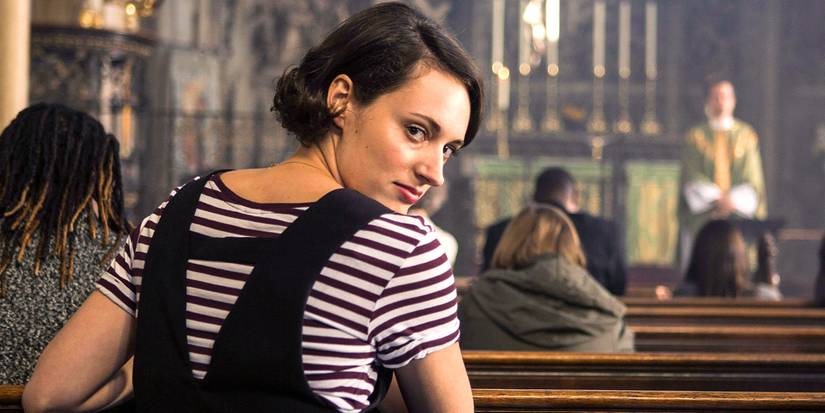
They often say write what you know. Not always does that mean you get to play it, too. But for Phoebe Waller-Bridge, she did both. Bringing her one-woman show to life was not only a brilliant idea, but Fleabag showcased her strength as a writer and actress. On the gem of a show, Waller-Bridge plays the unnamed titular dry-witted and unfiltered young woman navigating life, love, and grief in London. She’s free-spirited and unfiltered, using the fourth wall to her advantage. She was never the most morally centered woman, but thanks to Waller-Bridge’s performance, we saw ourselves in Fleabag, who held up a mirror into our own souls. Fleabag was a woman who used her asides as a shield against her grief and reality. It’s something we wish we could do as well.
Waller-Bridge played Fleabag with fearlessness. She didn’t care how she came off. Yes, Fleabag was messy, hypersexual, and often unlikable, but she was real. Having the advantage of writing her own material allowed Waller-Bridge to deliver it with great precision. Her comedic timing delivers devastating emotional truths disguised as casual jokes. Waller-Bridge used physical comedy in a completely different manner. It wasn’t falling over herself or anything of the like. Instead, she expressed humor through stiff posturing and the subtlety in her eyes and grin. All it took was a glance, and we laughed along with her. And yes. Sometimes at her. And yet, she used the same toolbox to portray total despair. Fleabag is a selfish, broken, and messy woman who never asks for sympathy. It’s what made us love her and her chaotic journey.
18
Jeremy Strong as Kendall Roy
‘Succession’ (2018-2023)
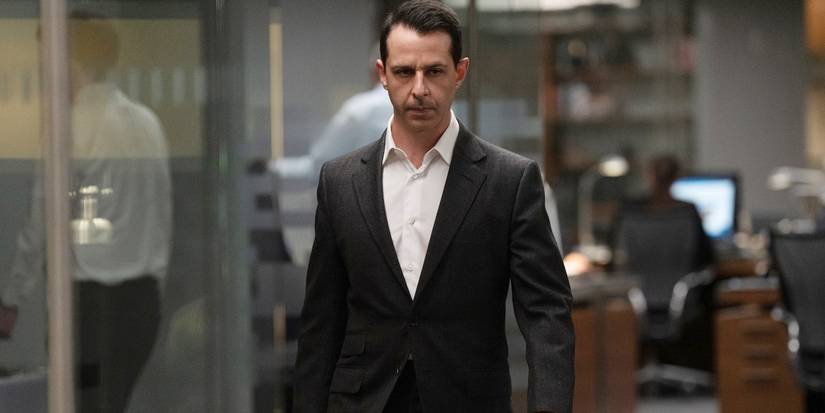
With the hard rule of selecting only one actor per project, it was difficult to choose which of the phenomenal actors would represent Succession. There are quite a few directions it could go— a character you loved to hate, an individual who showed the most growth, or someone who subverted expectations by the end. With such time removed since the final season, if there’s one performance that truly exemplifies the mission of the series on a rewatch, it’s Jeremy Strong as Kendall Roy. He is an awful, awful individual, but through examining his entire arc from start to finish, Strong did some sensational work. Kendall was, and remains, the ambitious and troubled son of media mogul Logan Roy (Brian Cox). His mission was to eventually succeed his father, constantly fighting to take over the family company, Waystar RoyCo. Through entitlement and delusion, the journey to the end was a wild ride.
Strong never played Kendall as a joke or a spoiled rich kid. He was, but he avoided the caricature. Instead, he played the weight of the world like a Shakespearean drama. He used his desire for ultimate power as an internalized mask for his deep pain, humiliation, and desperate craving for his father’s love. It may have been agonizing to watch Kendall believe the world was his, but knowing the burdens he carried made him Succession’s greatest tragic hero. Strong used immense physicality to show how easily a man can crumble. He vocalized his bravado, but Kendall’s moments of defeat came through a dipped chin and an insecure posture. Those micro-expressions provided Strong with a great wordless vocabulary. He moves effortlessly from cringe-inducing corporate hip-hop to towering tragic despair. Strong ensured you never wanted Kendall to win, but you hoped he’d be ok by the end.
17
Tatiana Maslany as Sarah Manning et all
‘Orphan Black’ (2013-2017)

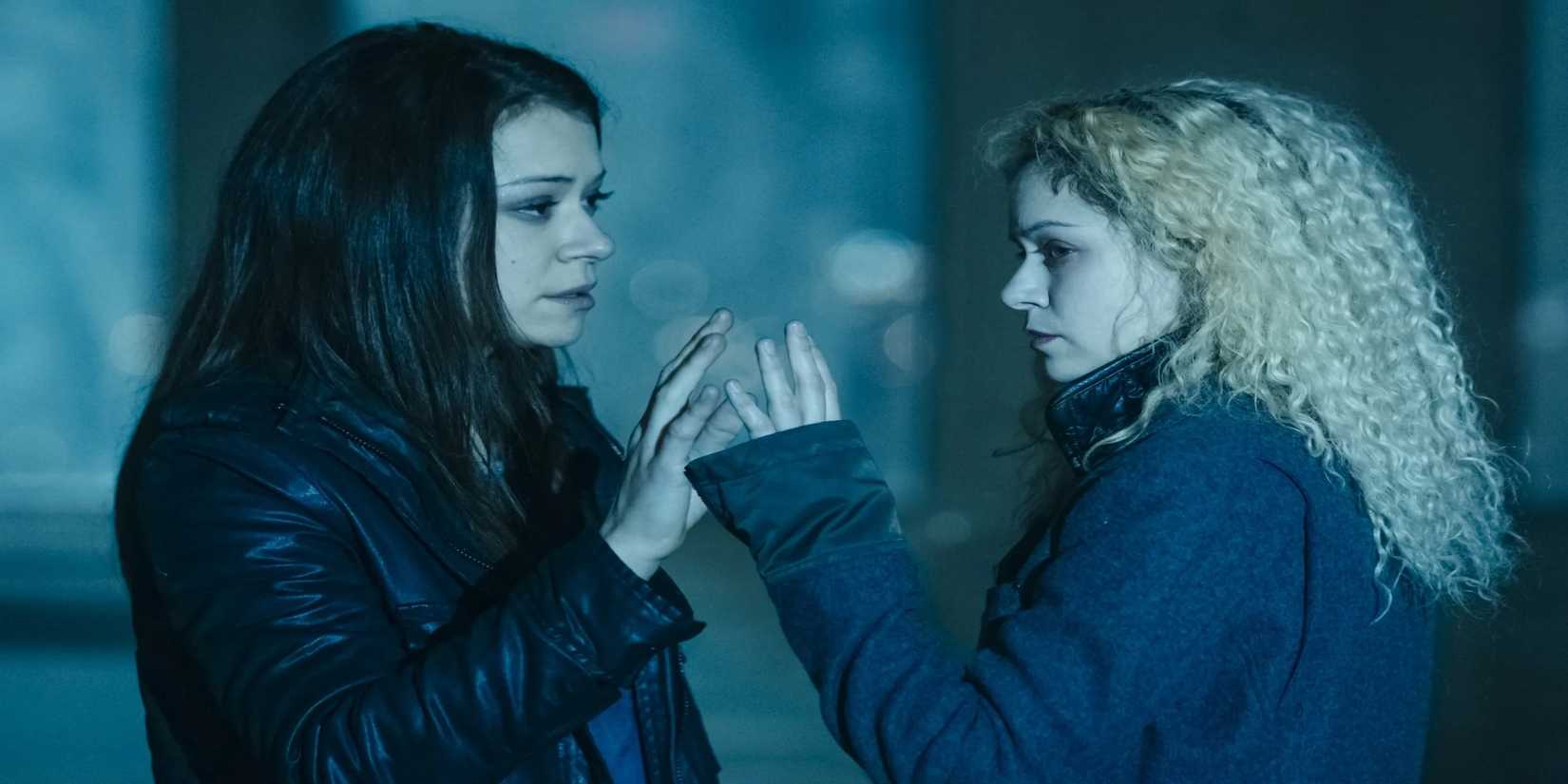
Often, on high-concept science fiction shows, we remember the story and its twists and turns more so than the acting. Unless you’re Tatiana Maslany and play a bunch of clones, performance comes first. In a tour-de-force turn as more than a dozen clones, Orphan Black was all about its star’s capability of carrying the series. Her primary clone is Sarah Manning, a street-smart British orphan and petty criminal who triggers the main plot after witnessing the suicide of a lookalike. From there, every distinct clone has its own unique personality, accent, physicality, and emotional depth. From Alison Hendrix, a tightly wound, suburban soccer mom and-craft-enthusiast living in Canada, to Helena, a deeply troubled, socially isolated Ukrainian assassin raised in a convent, each individual has the Maslany DNA, pun intended.
For a series that could easily become confusing, Maslany ensures that her performance never hinders clarity. Her ability to balance the contrasting roles is utterly seamless. Even the meta-acting is top-tier! Maslany excels when one clone impersonates another while keeping subtle character traits intact. Her ability to juggle the characters remains a masterclass in performance. She even effortlessly acted opposite herself in multi-clone scenes using complex motion control and body doubles, maintaining absolute emotional continuity. For non-industry individuals, it may sound like it’s just part of the gig, but it could easily go astray. Not for Maslany. She doesn’t always receive praise in conversations with the very best; now she does. Very few could do what she did.
16
Kyle MacLachlan as Dale Cooper
‘Twin Peaks’ (1990-1991; 2017)
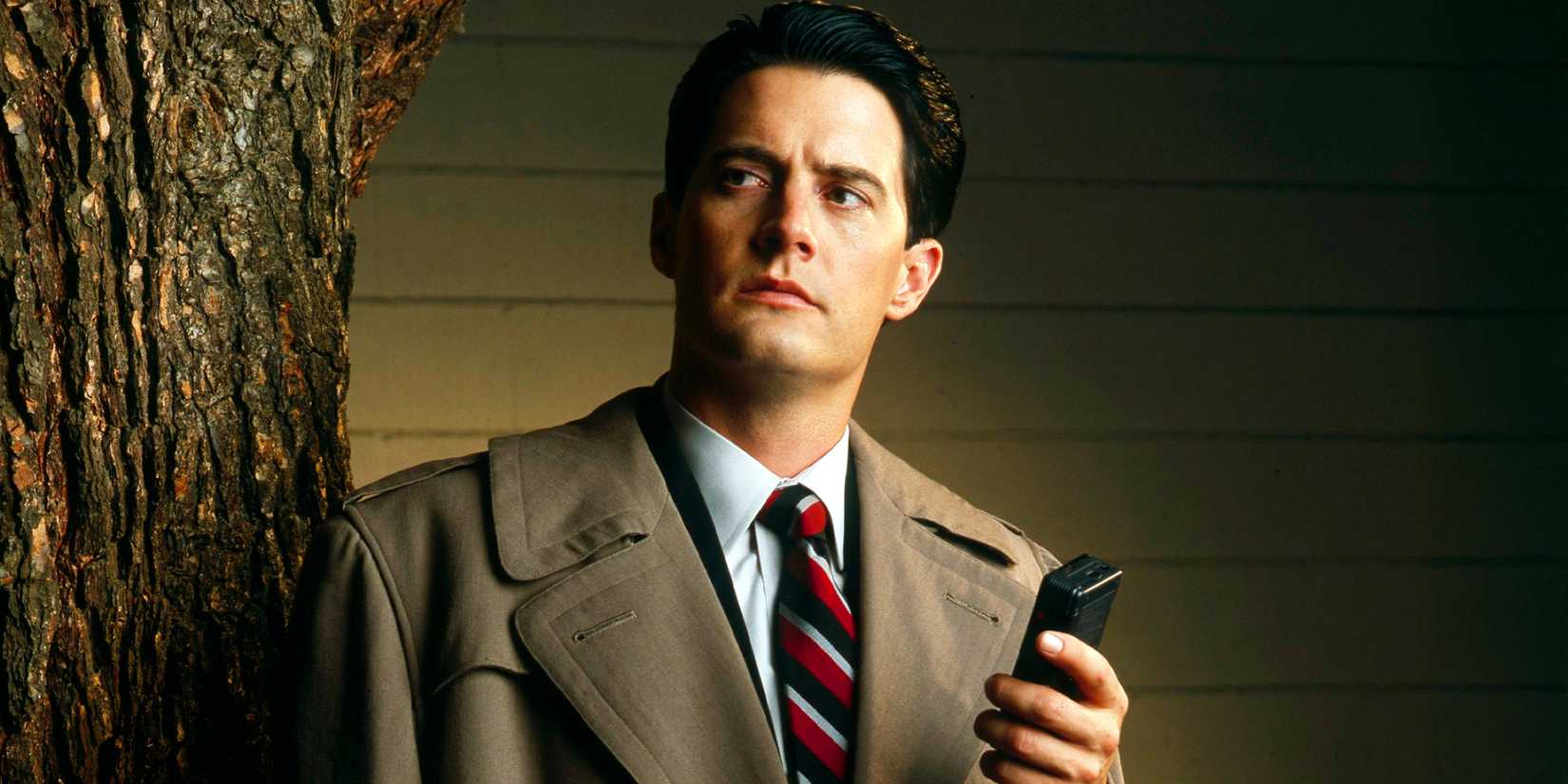
Long before the boom of the new golden age of television, we often considered the series as a whole before the individuals. But the truth is, had it not been for the grounded and exceptionally evolved performance of Kyle MacLachlan on Twin Peaks, it may have been harder to enter David Lynch’s groundbreaking series. MacLachlan ushered in a new generation of detectives on television. FBI Special Agent Dale Cooper was the quirky protagonist who served as our entry point into the surreal story. He arrives in the titular town in order to investigate the murder of Laura Palmer (Sheryl Lee). With an earnest, boyish charm and eccentric intuition, MacLachlan seamlessly dropped Agent Cooper into Lynch’s scripts. From deadpan delivery to quite dramatic range as alternate versions of his character, MacLachlan made his character simply iconic.
With Lynchian synergy establishing how MacLachlan portrayed the part, the result was unlike any other detective audiences had ever seen. He had an innate ability to make the simple and mundane transcendent. MacLachlan’s sheer brilliance in the part was how he took a character with unbridled joy, rich empathy, and deep spiritual intuition to shatter brooding detectives known for machismo. Had he not been polite and emotionally open, the unraveling of Twin Peaks’ mystery would not have been the same. Agent Cooper was ingrained into that universe. Though there hasn’t been a sci-fi crime thriller that has come even close to Twin Peaks despite desperately trying, there have been many who have used MacLachlan’s traits to play their detectives. Thanks to Agent Cooper, treating victims and suspects with profound human dignity became an integral element of detective stories.
15
Jean Smart as Deborah Vance
‘Hacks’ (2021-2026)
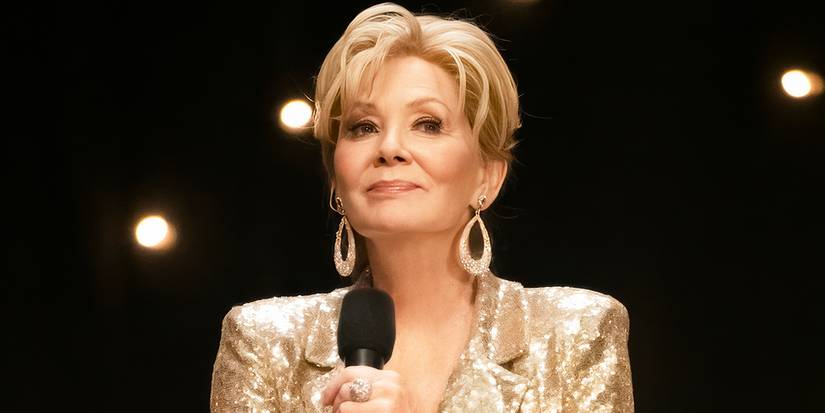
There are points in the entertainment cycle when a show comes around that reminds the world that age is just a number. The Golden Girls shattered the glass ceiling when it came to the desire to watch women of a certain age lead a series. In 2021, that ceiling was shattered again, this time by reminding the industry that women of a certain age can still reign supreme. Jean Smart defied the odds in a slightly meta series by charming the pants off of everyone by doing what she does best: acting. On Hacks, as the legendary Las Vegas stand-up comedian Deborah Vance, Smart blends sharp comedic timing with deep, broken vulnerability, using her extraordinary career to find Deborah’s lived-in authenticity. At the beginning of the series, she plays the slightly cantankerous woman forced to work alongside young comedy writer Ava Daniels (Hannah Einbinder). She then effortlessly pivots to a friend and confidant.
The generational sparring between Deborah and Ava, as well as between Smart and Einbinder, kept the show vibrant and lively, but the emotional core lay in Smart’s journey as Deborah. The joy of Hacks was the freedom and fun Smart had brought Deborah to life. Between her shady, rapid-fire reads, ruthless witticism, and absurd demands, her core was a resilient woman who slowly had to come to terms with the changing scenery and bouts of loneliness. There was so much courage in her five-season run. She balanced laughs with tragedy, sometimes within a singular scene. She gave Deborah armor through her humor, which made her relatable. Hacks appealed to all television lovers, but those individuals who felt discouraged by their third act of life were given hope. Smart made Deborah an inspiration.
14
Michael K. Williams as Omar Little
‘The Wire’ (2002-2008)
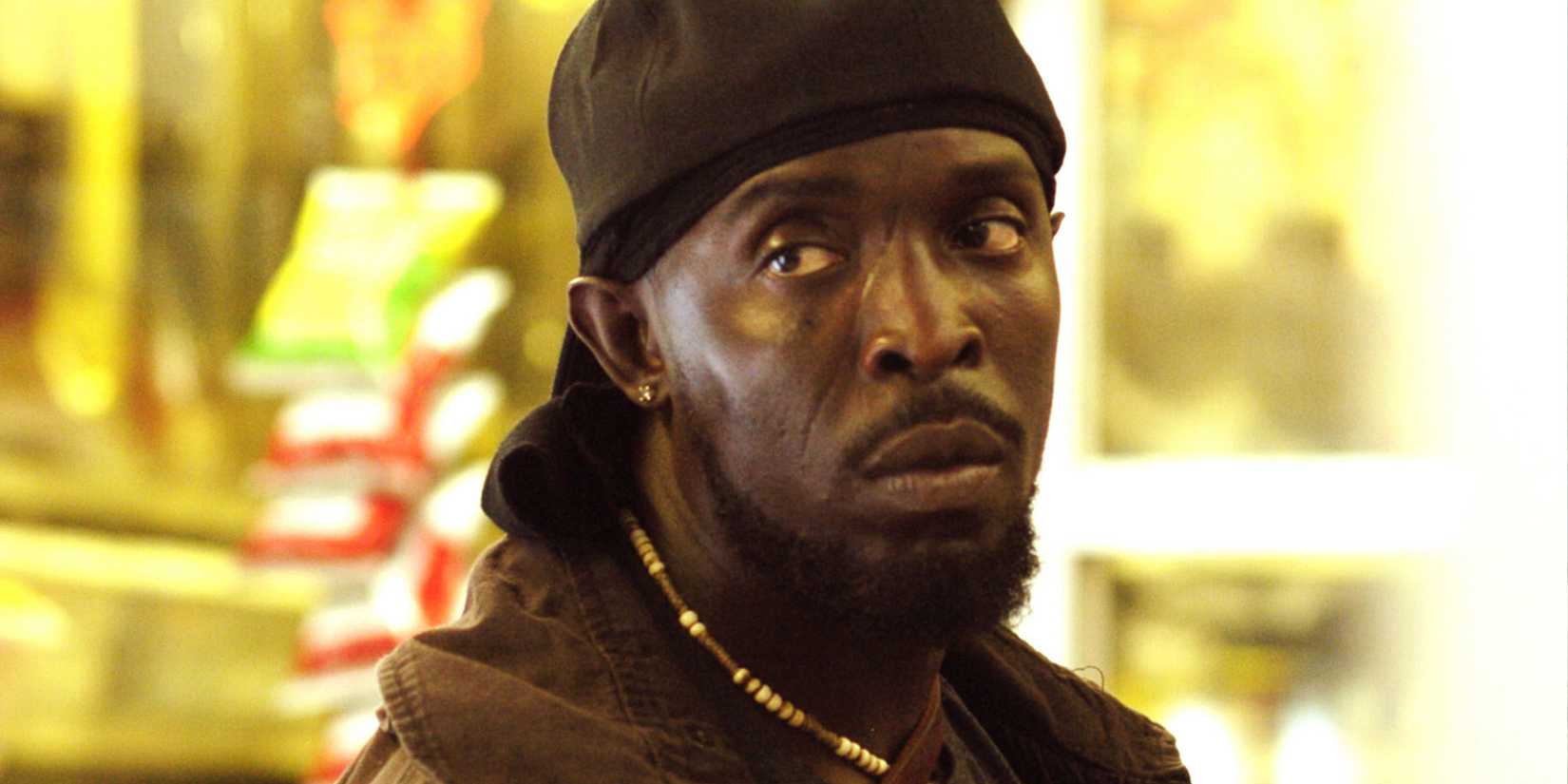
There are very few characters who have the power to reshape society’s opinions in the manner that Omar Little did. Michael K. Williams’ transcendent character on The Wire remains one of the most fascinating in television history. Omar Little is an anomaly. He is a notorious, openly gay stickup man who survived by robbing major drug dealers. Feared on the streets of Baltimore yet governed by a strict personal moral code, Omar was a threat before you even saw him coming. Known for his signature whistle, when you face him, be ready to lose. On the surface, Omar seemed like a terrifying threat, yet beneath the surface, he had a gentleness that made him endearing. He is a modern outlaw, but his personal code of not harming anyone who is not in the game sets him apart. His morality was human.
Omar was a self-made Robin Hood, operating by his own moral code in a chaotic, dangerous, amoral world. Ferociously independent and methodically calculated, Omar was feared yet revered. He was a gay man in a deeply homophobic, hypermasculine environment, yet he feared being the toughest, most dominant figure on the streets. Williams took great pride in his ability to redefine how Black characters were portrayed. His character defied traditional TV tropes of tough Black masculinity by letting raw emotion and sensitivity show through. And yet it didn’t undercut his gritty exterior. Williams injected real warmth into Omar’s soul, ensuring his tragic moments felt devastating instead of theatrical, using his distinct delivery and physical presence to craft a legend.
13
Jodie Comer as Villanelle
‘Killing Eve’ (2018-2022)
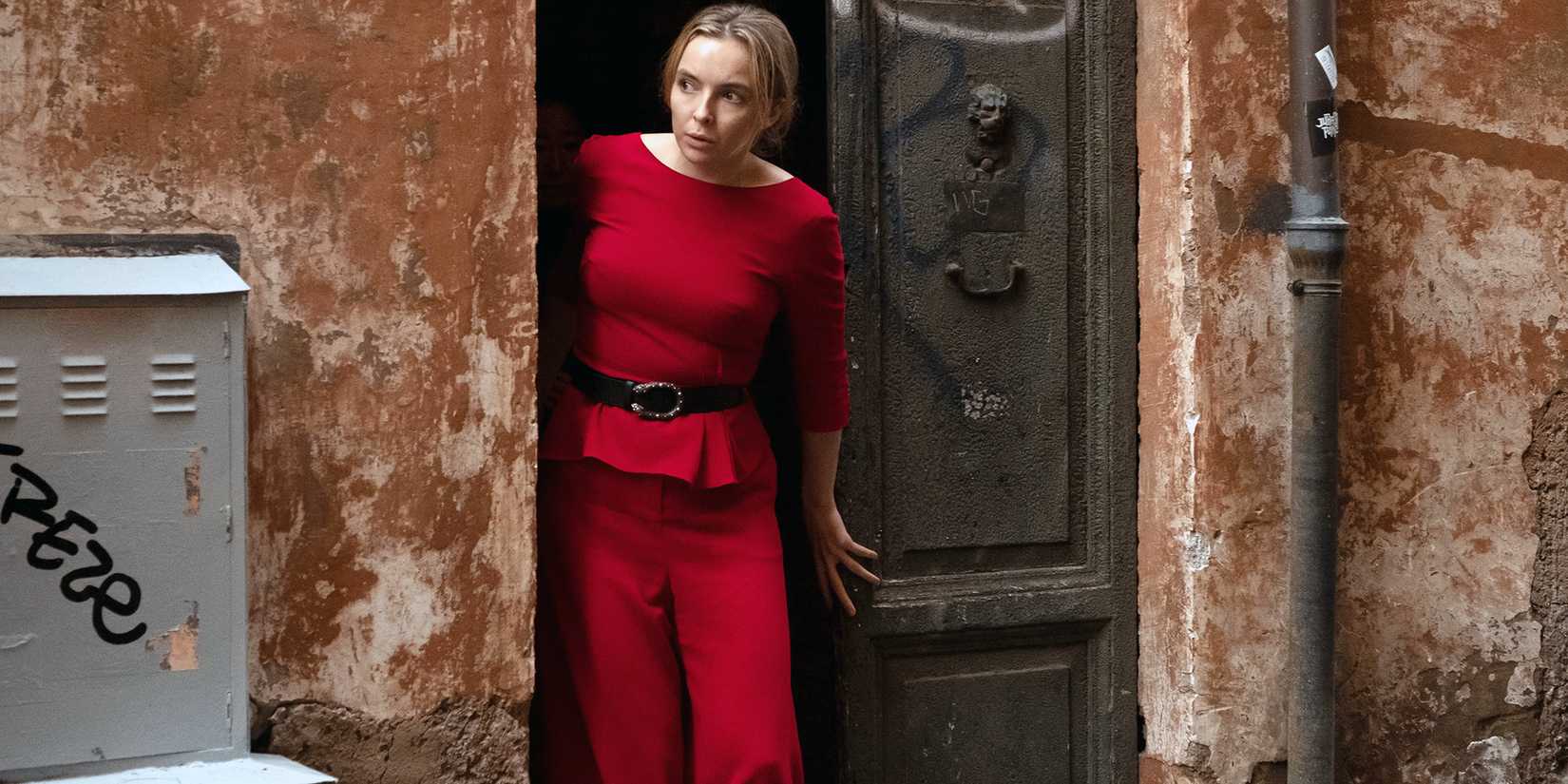
One of the most fascinating characters to appear on our screens in the 21st century is Villanelle from Killing Eve. As one half of the show’s game-and-mouse power couple, Villanelle was a cold-blooded psychopath who was the gift that kept on giving. Played with all the range Jodie Comer has, Villanelle allowed her to stretch her skills, turning a textbook villain into an iconic, nuanced masterpiece. Villanelle is a talented, high-end international assassin whose mutual, dangerous obsession with MI6 operative Eve Polastri (Sandra Oh) carries the narrative. But it’s Comer’s ability to deliver the unexpected that made her a fascinating watch. She may not have been a master of disguise, but she surely was a chameleon.
Villanelle is very much the antagonist, but she has shades of jovial playfulness that make her endearing. Comer succeeds in high-camp comedy with her immense and effortless charisma. By making Villanelle a multi-layered individual, you were eager to see what she would do next. What might be the biggest shining light of Comer’s legacy as Villanelle is her accent work. In real life, Comer is a native “Scouser” from Liverpool. And yet, her ease in switching between Russian, French, Italian, and high-society British made her the dangerous assassin we love. Villanelle was a complex character, but Comer made it look anything but. She earned Primetime Emmy and BAFTA wins for her career-defining role.
12
Viola Davis as Annalise Keating
‘How to Get Away With Murder’ (2014-2020)
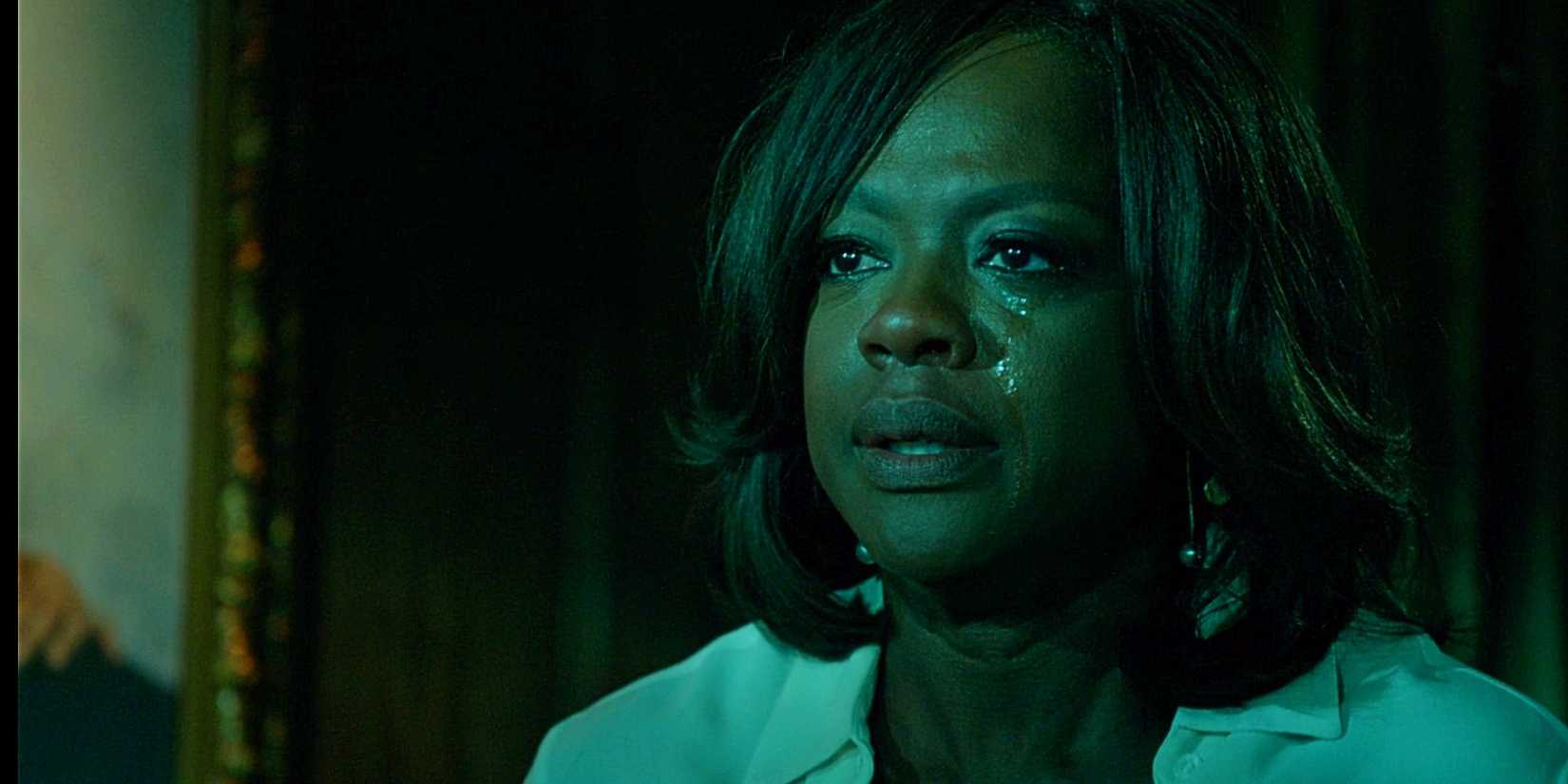
After becoming a major star on the big screen, all it took was a Shonda Rhimes vehicle to bring Viola Davis to the small screen. The result was an exceptional performance for six twisted seasons. On How to Get Away with Murder, Davis took on Annalise Keating, a brilliant and complex criminal defense attorney and law professor. Alongside a group of ambitious law students to work at her firm, she leads them through a tangled web of murder plots and cover-ups that result in the demise of some of the closest people to her. Earning a Primetime Emmy Award for Outstanding Lead Actress in a Drama Series, making history as the first Black woman to win in the category, Davis brought her powerhouse prowess that transformed a typical legal thriller protagonist into a deeply flawed and emotionally rich individual.
At a time when streaming series began to offer more complex narratives and characters, networks needed to do the same. Davis helped the mission by refusing to play Annalise as an idealized institution. She wasn’t just a teacher. She wasn’t just a professional. She was a real human with a messy personal life, at times unlikable, and carrying deep-seated traumas that seeped into every facet of her life. There was a vivacity to her character that was partially genuine and partially a facade. It all came to a head in the historic television moment when Annalise removed her wig, eyelashes, and makeup on screen before confronting her husband. It shattered the idealized image of a polished leading lady, proving that nuanced, real characters are what television audiences seek.
11
Ted Danson as Sam Malone
‘Cheers’ (1982-1993)
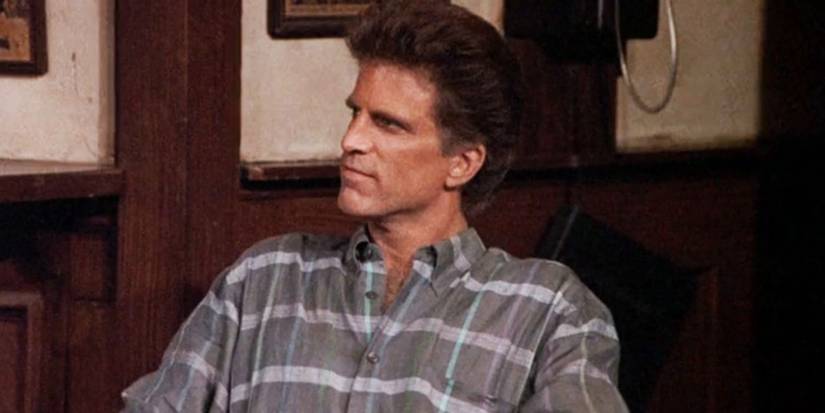
Rarely does a television actor get a chance to dominate the small screen in the manner that Ted Danson has. Before The Good Place and Becker, it was Cheers, Danson’s definitive series. Playing Sam Malone, the charismatic owner and bartender of the titular Boston bar, Danson made Sam more than just a one-note, notorious ladies’ man. He was a man trying to move on from his glory days with a little help from his found family. In the first era of the show, Sam’s major plotline was his on-again, off-again romance with the sophisticated waitress Diane Chambers (Shelley Long), but when his co-star departed the series, Sam was able to embark on new storylines, making him a well-rounded character on a multi-cam sitcom.
Danson blended supreme physical comedy with sharp wit and impeccable timing for a man with a fragile ego. And that’s where his charm shined through. Rather than play Sam as a man with ugly bravado and machismo, he played him as an athlete with a cool demeanor who didn’t give up after romantic failures. He was a charmer, but not overly egotistical. Danson was the glue for the entire ensemble. Cheers was the show that made us want to find our own bar where everyone knows our name. And we wished Danson’s Sam was pouring our drinks. Danson’s legacy on Cheers is profound. He earned a pair of Primetime Emmy Awards and Golden Globe Awards for his role, but most importantly, he appeared in 273 episodes of the sitcom.
You must be logged in to post a comment Login