Entertainment
25 Movies With the Most Oscar Nominations

It’s awards season! It’s the time of year when millions of people tune in to watch the Oscars and see their favorite artists get awarded for their work in some of the best movies of the year. As an homage to the Academy Awards, it’s only fitting to look back at some of the previous top-performing films that have set records for having the most nominations in Oscar history. Titanic, The Shape of Water, and The Lord of the Rings: The Fellowship of the Ring are just some included in the list of movies that have received the most Oscar nominations.
While not all of these films were able to win as many prestigious prizes as the nominations would have you believe, they are still easily considered some of the most iconic and greatest films of all time. It is also worth noting that other notable films, such as The King’s Speech, The Revenant, and A Streetcar Named Desire are among those that have received 12 nominations but have not been included in the list.
25
‘Gladiator’ (2000)
12 Nominations (and 5 Wins)
|
Nomination |
Recipient |
|
Best Picture |
Douglas Wick, David Franzoni, Branko Lustig |
|
Best Actor |
Russell Crowe |
|
Best Supporting Actor |
Joaquin Phoenix |
|
Best Director |
Ridley Scott |
|
Best Original Screenplay |
David Franzoni, John Logan, and William Nicholson |
|
Best Cinematography |
John Mathieson |
|
Best Costume Design |
Janty Yates |
|
Best Film Editing |
Pietro Scalia |
|
Best Original Score |
Hans Zimmer |
|
Best Sound |
Scott Millan, Bob Beemer, Ken Weston |
|
Best Visual Effects |
John Nelson, Neil Corbould, Tim Burke, and Rob Harvey |
|
Best Art Direction |
Arthur Max, Crispin Sallis |


The first Best Picture winner for a film released in the 21st century, Gladiator provided a glorious scale and production to the ruthless world of gladiatorial combat that wowed the Academy and cemented itself as an action epic classic. Its Best Picture victory varies greatly compared to the winners of recent years, finding much more success in the below-the-line technical categories while still taking home the big prize at the end of the day.
Its path to victory certainly wasn’t easy, beating out heavy hitters like Crouching Tiger, Hidden Dragon and Traffic. Still, there is a sense of brilliance and exceptional prowess from Ridley Scott’s massive cinematic epic that left an impact with audience voters, spearheading the 21st century with a bombastic, highly engaging epic that still holds up tremendously to this day. Ironically, the film’s sequel, Gladiator II, would also be nominated for Best Costume Design 24 years later, paralleling one of the awards that the original film won.
24
‘Mrs. Miniver’ (1942)
12 Nominations (and 6 Wins)
|
Nomination |
Recipient |
|
Best Picture |
Sidney Franklin |
|
Best Director |
William Wyler |
|
Best Actor |
Walter Pidgeon |
|
Best Actress |
Greer Garson |
|
Best Supporting Actor |
Henry Travers |
|
Best Supporting Actress |
Teresa Wright |
|
Dame May Whitty |
|
|
Best Adapted Screenplay |
George Froeschel, James Hilton, Claudine West, and Arthur Wimperis |
|
Best Sound Recording |
Douglas Shearer |
|
Best Cinematography, Black-and-White |
Joseph Ruttenberg |
|
Best Film Editing |
Harold F. Kress |
|
Best Special Effects |
A. Arnold Gillespie, Warren Newcombe, and Douglas Shearer |


Mrs. Miniver was one of the most striking and effective romance movies of all time, and one that especially struck a chord with the world that was in the midst of a deadly World War. The film was able to shed light on the pain and difficulties of war impacting home life in a way rarely ever explored in film until then, a notion that made a massive impact on both worldwide audiences and the academy. On top of its massive showing at the Academy Awards, the film would also be highly lucrative at the box office, being the highest-grossing film of 1942, and a massive critical and financial success.
Mrs. Miniver made massive waves at the Academy Awards with its 12 nominations, largely driven by being the first of only a few films in history to earn 5 acting nominations, of which it would win 2 of the 4 categories. The film would also make a notable impact in Oscars history when Greer Garson gave the longest acceptance speech in Oscars history for winning Best Actress, speaking for 6 minutes and setting into motion the rule of cutting off acceptance speeches that went on for too long.
23
‘Dances With Wolves’ (1990)
12 Nominations (and 7 Wins)
|
Nomination |
Recipient |
|
Best Picture |
Jim Wilson and Kevin Costner |
|
Best Director |
Kevin Costner |
|
Best Actor |
Kevin Costner |
|
Best Supporting Actor |
Graham Greene |
|
Best Supporting Actress |
Mary McDonnell |
|
Best Adapted Screenplay |
Michael Blake |
|
Best Original Score |
John Barry |
|
Best Sound |
Jeffrey Perkins, Bill W. Benton, Gregory H. Watkins, and Russell Williams II |
|
Best Art Direction |
Jeffrey Beecroft and Lisa Dean |
|
Best Costume Design |
Elsa Zamparelli |
|
Best Cinematography |
Dean Semler |
|
Best Film Editing |
Neil Travis |
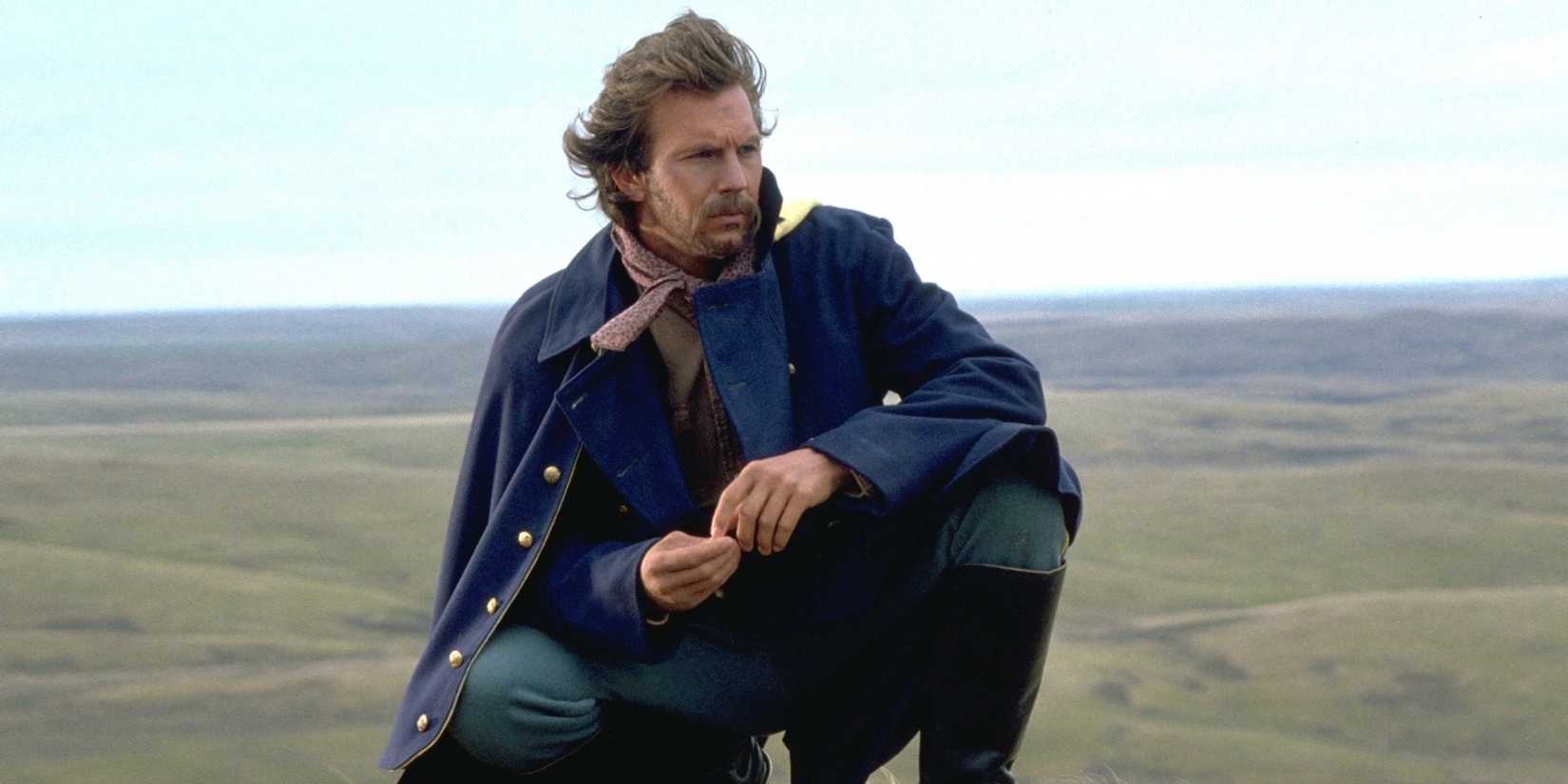
A massive-scale blockbuster Epic that would redefine the genre and breathe new life into it, Dances With Wolves combined the past and the present of Westerns to enchant audiences and the Academy alike for a resounding performance at the 63rd Academy Awards. The film’s massive scale and greatness as a technical marvel helped make it a massive success that made the most of the abilities of modern filmmaking to breathe new life into the past.
The majority of Dances With Wolves‘s success would relate to its below-the-line wins, nearly sweeping these awards with wins in Best Cinematography, Best Editing, Best Sound, and Best Score, all coming together with an emphatic win for Best Director. What makes its dominance at the awards so interesting is that, as time has passed, it is often in contention with the other major player of the awards season, Goodfellas, which has become equally acclaimed, if not more so than Dances With Wolves.
22
‘Schindler’s List’ (1993)
12 Nominations (and 7 Wins)
|
Nomination |
Recipient |
|
Best Picture |
Steven Spielberg, Gerald R. Molen, and Branko Lustig |
|
Best Director |
Steven Spielberg |
|
Best Actor |
Liam Neeson |
|
Best Supporting Actor |
Ralph Fiennes |
|
Best Adapted Screenplay |
Steven Zaillian |
|
Best Original Score |
John Williams |
|
Best Sound |
Andy Nelson, Steve Pederson, Scott Millan, and Ron Judkins |
|
Best Art Direction |
Allan Starski and Ewa Braun |
|
Best Makeup |
Christina Smith, Matthew W. Mungle, and Judith A. Cory |
|
Best Costume Design |
Anna B. Sheppard |
|
Best Cinematography |
Janusz Kamiński |
|
Best Film Editing |
Michael Kahn |
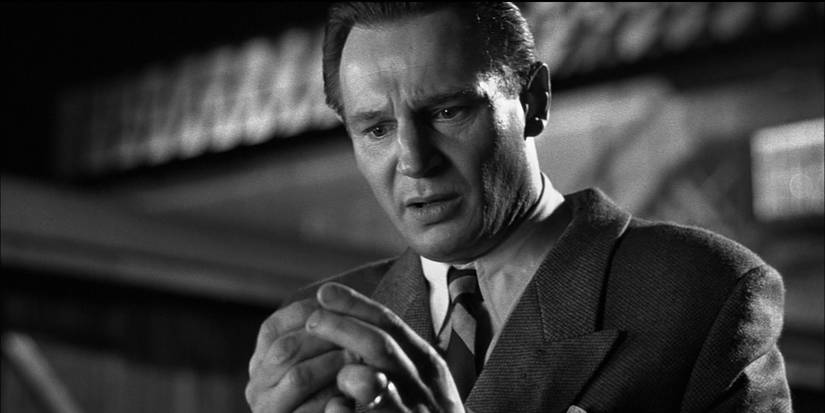
The undeniable magnum opus from legendary director Steven Spielberg, Schindler’s List, perfectly balanced the director’s emotional strengths and humanist elements to create the ultimate tearjerker and World War II story. The harrowing and heartbreaking look at the atrocities and pain faced during the holocaust soon became the quintessential retelling of these events in the medium of film, further amplified by the top-notch filmmaking and exceptional craft on display.
Considering the fact that Schindler’s List has attained a powerful legacy in the over 30 years since its release as one of the greatest dramatic films of all time, it’s understandable that it would find itself dominating the 66th Academy Awards. It was certainly satisfying that it would also mark the long-awaited first Academy Award win for Spielberg, after an array of previous nominations for Best Director and Best Picture over the years. Although the film wouldn’t win every award it was nominated for, most notably losing out on Best Actor and Best Supporting Actor to Tom Hanks in Philadelphia and Tommy Lee Jones in The Fugitive, respectively.
21
‘My Fair Lady’ (1964)
12 Nominations (and 8 Wins)
|
Nomination |
Recipient |
|
Best Picture |
Jack L. Warner |
|
Best Director |
George Cukor |
|
Best Actor |
Rex Harrison |
|
Best Supporting Actor |
Stanley Holloway |
|
Best Supporting Actress |
Gladys Cooper |
|
Best Adapted Screenplay |
Alan Jay Lerner |
|
Best Original Score |
André Previn |
|
Best Sound |
George Groves |
|
Best Art Direction, Color |
Gene Allen, Cecil Beaton, and George James Hopkins |
|
Best Cinematography, Color |
Harry Stradling |
|
Best Costume Design, Color |
Cecil Beaton |
|
Best Film Editing |
William Ziegler |

There’s nothing that the Academy loves quite like a high-energy musical, with one of the most successful musicals in Academy history being musical comedy My Fair Lady. The nearly 3-hour-long film reprised a lot of elements from the original stage musical, even including actors like Rex Harrison reprising their roles, and made the most of the medium of film to elevate and evolve the musical energy and style. The film would go on to be one of the most acclaimed and successful movie musicals of all time, further cemented in its legacy by its massive returns at the Academy Awards.
Ironically, My Fair Lady would end up not being the most nominated musical of the 37th Academy Awards, with Mary Poppins (which will be talked about later in the list) earning 13 nominations. However, the film would beat out Mary Poppins when it came to wins, winning 8 Academy Awards over Mary Poppins‘ 5 wins and winning many more high-profile awards, such as Best Picture, Best Director, and Best Actor.
20
‘On the Waterfront’ (1954)
12 Nominations (and 8 Wins)
|
Best Picture |
Sam Spiegel |
|
Best Actor |
Marlon Brando |
|
Best Supporting Actor |
Lee J. Cobb |
|
Best Supporting Actor |
Karl Malden |
|
Best Supporting Actor |
Rod Steiger |
|
Best Supporting Actress |
Eva Marie Saint |
|
Best Director |
Elia Kazan |
|
Best Original Screenplay |
Budd Schulberg |
|
Best Cinematography, Black-and-White |
Boris Kaufman |
|
Best Art Direction-Set Decoration, Black-and-White |
Richard Day |
|
Best Film Editing |
Gene Milford |
|
Best Music, Scoring of a Dramatic or Comedy Picture |
Leonard Bernstein |

Largely beloved and considered to be one of the defining films of the 50s, On the Waterfront is a masterful crime drama that still holds up brilliantly in the modern era, making waves when it was first released and being a hit at the Academy Awards. The film follows Terry Malloy (Marlon Brando), a kindhearted dockworker who wants to escape the harsh life of crime that he’s been wrapped up in, made worse when he witnesses the death of a friend. After falling in love with the friend’s sister, Terry attempts to do what he can to leave his life on the waterfront and expose his corrupt employers in the process.
On the Waterfront is one of the most influential and iconic crime dramas of all time, with its legacy and strengths still being felt in film today. It’s no wonder that the film had such an impact at the Academy Awards, not only taking home the big prize of Best Picture, but also taking home awards for Best Director, Best Cinematography, Best Editing, and Best Supporting Actress. The most notable win, however, is Brando’s win for Best Actor for his portrayal of Terry Malloy, a performance that is still in conversation as one of the greatest performances of all time.
19
‘The English Patient’ (1996)
12 Nominations (and 9 Wins)
|
Best Picture |
Saul Zaentz |
|
Best Actor |
Ralph Fiennes |
|
Best Actress |
Kristin Scott Thomas |
|
Best Supporting Actress |
Juliette Binoche |
|
Best Director |
Anthony Minghella |
|
Best Adapted Screenplay |
Anthony Minghella |
|
Best Cinematography |
John Seale |
|
Best Art Direction-Set Decoration |
Stuart Craig, Stephenie McMillan |
|
Best Costume Design |
Ann Roth |
|
Best Sound |
Walter Murch, Mark Berger, David Parker, Christopher Newman |
|
Best Film Editing |
Walter Murch |
|
Best Music, Original Dramatic Score |
Gabriel Yared |

While the film has largely been forgotten by general audiences in the nearly 30 years since its release, The English Patient made a massive splash at the 69th Academy Awards, beating out the likes of Fargo and Jerry Maguire to win Best Picture. The film follows Hungarian map maker Count Almásy (Ralph Fiennes) on his assigned quest to chart the vast expanses of the Sahara Desert in the 1930s. However, the dangers and rise of World War II prove to throw Almásy into a world of danger, betrayal, and unexpected love.
The English Patient is emblematic and all-encompassing of a lot of the same conventions and trends that largely defined the most successful and Oscar-bait-y films of the late 20th century, making it far from shocking that the film found such massive success. While aspects of the film may not have aged the best in the decades since its release, it’s undeniable how much of an impact that The English Patient had on the academy when it released, helping it win Best Picture on top of Best Director, Best Supporting Actress, and Best Cinematography.
18
‘Ben-Hur’ (1959)
12 Nominations (and 11 Wins)
|
Best Picture |
Sam Zimbalist |
|
Best Actor |
Charlton Heston |
|
Best Supporting Actor |
Hugh Griffith |
|
Best Director |
William Wyler |
|
Best Adapted Screenplay |
Karl Tunberg |
|
Best Cinematography, Color |
Robert Surtees |
|
Best Art Direction-Set Decoration, Color |
William A. Horning, Edward C. Carfagno, Hugh Hunt |
|
Best Costume Design, Color |
Elizabeth Haffenden |
|
Best Sound |
Franklin Milton |
|
Best Film Editing |
Ralph E. Winters, John D. Dunning |
|
Best Effects, Special Effects |
A. Arnold Gillespie, R.A. MacDonald, Milo B. Lory |
|
Best Music, Scoring of a Dramatic or Comedy Picture |
Miklós Rózsa |
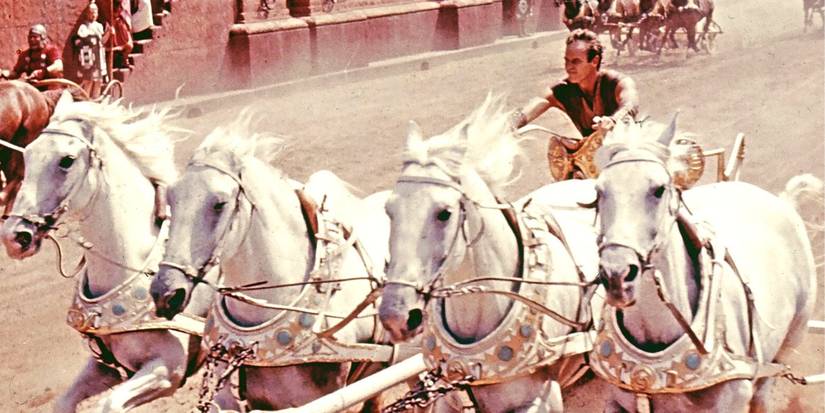
A massive spectacle that brought the gargantuan scale and weight of a real Colosseum arena to the big screen in a way that has never truly been accomplished before or since, Ben-Hur is a feat of filmmaking that was always going to win big at the Academy Awards. A remake of a classic film from the 1920s, the film sees Judah Ben-Hur (Charlton Heston) being falsely accused by his childhood friend-turned-overlord, being banished and put into slavery while his family is made into prisoners. This acts as only the beginning of Ben-Hur’s quest for revenge, fighting through the ranks and making his name known in the process.
Ben-Hur was nominated for 12 out of 15 possible categories that it was eligible for, yet even more shocking was that it nearly swept every award it was nominated for, winning 11 out of its 12 nominations. Even after 65 years, this is still the tied record for the highest amount of awards that were won by a single film, cementing its status as one of the biggest Academy Award success stories of all time. No film in the future may surpass the heights that Ben-Hur first achieved in terms of wins, although several other films have earned more nominations.
17
‘Emilia Perez’ (2024)
13 Nominations (and 2 Wins)
|
Nomination |
Recipient |
|
Best Picture |
Pascal Chaucheteux and Jacques Audiard |
|
Best Director |
Jacques Audiard |
|
Best Actress |
Karla Sofía Gascón |
|
Best Supporting Actress |
Zoe Saldaña |
|
Best Adapted Screenplay |
Jacques Audiard, Thomas Bidegain, Léa Mysius, Nicolas Livecchi |
|
Best International Feature Film |
Jacques Audiard |
|
Best Original Score |
Clément Ducol and Camille |
|
Best Original Song |
Clément Ducol, Camille. And Jacques Audiard (“El Mal”) |
|
Clément Ducol and Camille (“Mi Camino”) |
|
|
Best Sound |
Erwan Kerzanet, Aymeric Devoldére, Maxence Dussere, Cyril Holtz, and Niels Barletta |
|
Best Cinematography |
Paul Guilhaume |
|
Best Makeup and Hairstyling |
Julia Floch Carbonel, Emmanuel Janvier, and Jean-Christophe Spadaccini |
|
Best Film Editing |
Juliette Welfling |

One of the most controversial and divisive Best Picture nominees of recent memory, Emilia Perez has been somewhat of an unexpected phenomenon where it found massive acclaim among the industry and awards bodies and wildly mixed among critics and audiences. The musical crime film about a cartel leader faking their death so that they can undergo a gender transition was already largely contentious when it premiered at film festivals, only growing more divisive following its release, nominations, and recent controversies.
When it initially received 13 nominations, Emilia Perez was in the conversation to win Best Picture and take home an array of other awards, but following the waves of controversy, any momentum that the film had was squarely dashed into the dust. While it didn’t go home empty-handed, still winning the awards for Best Supporting Actress for Zoe Saldaña and Best Original Song for “El Mal”, it was beaten out in every other category, even losing the previously shoo-in Best International Feature to I’m Still Here.
16
‘The Curious Case of Benjamin Button’ (2008)
13 Nominations (and 3 Wins)
|
Nomination |
Recipient |
|
Best Picture |
Kathleen Kennedy, Frank Marshall, and Ceán Chaffin |
|
Best Director |
David Fincher |
|
Best Actor |
Brad Pitt |
|
Best Supporting Actress |
Taraji P. Henson |
|
Best Adapted Screenplay |
Eric Roth and Robin Swicord |
|
Best Art Direction |
Donald Graham Burt and Victor J. Zolfo |
|
Best Cinematography |
Claudio Miranda |
|
Best Costume Design |
Jacqueline West |
|
Best Film Editing |
Kirk Baxter and Angus Wall |
|
Best Makeup |
Greg Cannom |
|
Best Original Score |
Alexandre Desplat |
|
Best Sound Mixing |
David Parker, Michael Semanick, Ren Klyce, and Mark Weingarten |
|
Best Visual Effects |
Eric Barba, Steve Preeg, Burt Dalton, and Craig Barron |

The Curious Case of Benjamin Button is one of many masterful dramas to come from legendary director David Fincher. The film follows Benjamin Button (Brad Pitt), who lives an unusual life: he was born looking like an elderly man and appears to get younger and younger as the years go by. In the old folks’ home where he lives, he meets a young girl of the same age. As they fall in love, however, they know it is only a matter of time before Benjamin’s condition becomes a persistent complication that will jeopardize their future together.
It comes as no surprise that Fincher’s film has captured the hearts of many viewers and film critics. The Curious Case of Benjamin Button received 13 nominations out of the 26 possible categories and won three awards for Best Art Direction, Best Visual Effects, and Best Makeup. Interestingly and annoyingly, Academy frontrunner Cate Blanchett did not receive an Oscar nomination for her role as Daisy Fuller (adult version) in the film.