Entertainment
25 Years Later, Here Are the Best Thriller Movies of 2001

It has been 25 years since the turn of the century delivered not just one, nor just two, but several of the greatest thrillers of the 21st century so far. Indeed, 2001 was an exceptional year for fans of the genre. Suspenseful, filled with tension, and directed by some of the greatest filmmakers in the world, the best thrillers of 2001 have all aged like fine wine.
Whether it’s an underrated international film like Behind the Sun or a hyper-acclaimed Hollywood blockbuster like Ocean’s Eleven, these films redefined what the thriller genre was able to do in modern times. Looking back at them today, these 25-year-old movies still titillate the senses in much the same way that they did when they originally came out.
10
‘Read My Lips’

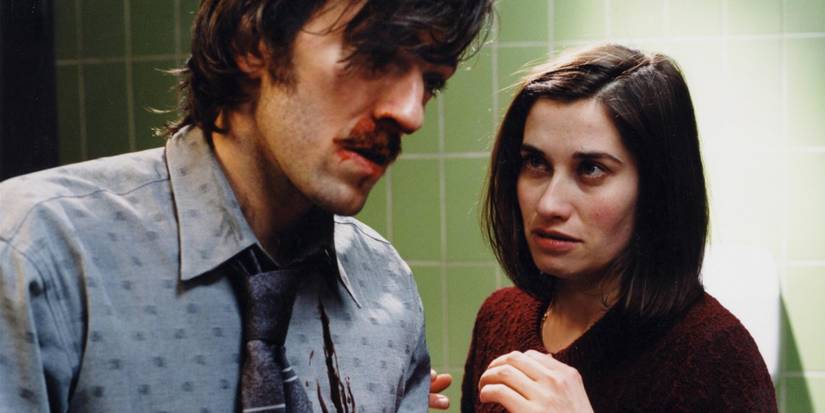
Well before he united the world in their hatred for his latest film, the Oscar-winning Emilia Pérez, Jacques Audiard united critics and cinephiles worldwide in their praise for his romance thriller Read My Lips. This awfully underappreciated drama follows Carla, an almost-deaf woman who wants to help ex-convict Paul, who thinks no one can help except himself.
With a neo-noirish sense of genre-bending that elevates its entertainment value to the stratosphere.
Smart and gritty with rom-com elements that work surprisingly well and a neo-noirish sense of genre-bending that elevates its entertainment value to the stratosphere, Read My Lips is one of the best international films of 2001. It’s psychologically complex and flawlessly paced, proof that Audiard is perfectly capable of delivering a masterpiece when he really sets his mind to it.
9
‘Behind the Sun’
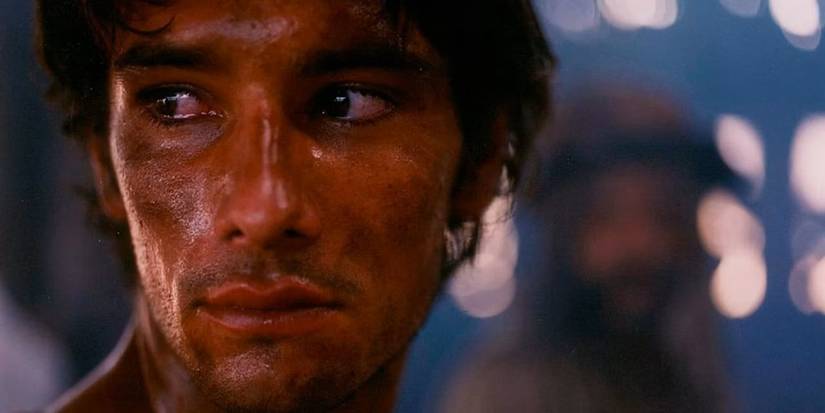
Equally underrated, Walter Salles‘ Brazilian social drama Behind the Sun stars Rodrigo Santoro as Tonho, a young man questioning the violent traditions between two rival families when his father orders him to avenge the death of his older brother. Everything that ensues in this powerful study of cycles of violence is the kind of cinematic perfection that fans of Salles’ latest outing, the Oscar-nominated I’m Still Here, are bound to be able to appreciate.
Behind the Sun is still widely recognized as one of the best Brazilian films of the 21st century, and for good reason. Visually striking and potently dark-toned, it’s a riveting family saga with a profoundly poignant heart. Violence is a theme very often explored in cinema, but few films have as many interesting things to say about it as this one.
8
‘The Experiment’
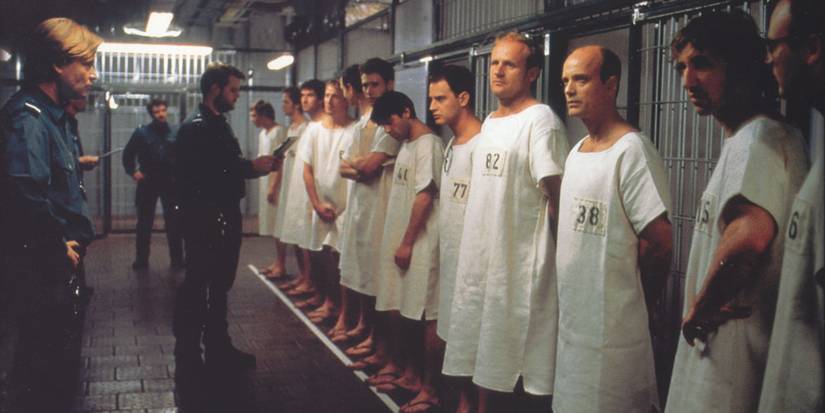
Oliver Hirschbiegel‘s The Experiment is a German psychological thriller based on Mario Giordano‘s novel Black Box. Inspired by the 1971 Stanford prison experiment, the narrative follows an experiment where 20 participants are hired to play prisoners and guards over the course of two weeks. It’s an incredibly powerful film about the darkest corners of the human condition, exploring how authoritarian governments like the Nazi regime are allowed to rise.
Far more than just a portrayal of the Stanford prison experiment, The Experiment is an incredibly chilling and tense exploration of human morality and power. The unrelenting atmosphere of brutality achieved by Hirschbiegel blends flawlessly with the story’s thematic depth, offering a masterful character study and historical allegory that still feels timely.
7
‘The Devil’s Backbone’

.jpg?q=49&fit=crop&w=825&dpr=2)
Before films like Hellboy and Pan’s Labyrinth made him a household name both in Hollywood and the rest of the world, dark fantasy master Guillermo del Toro made The Devil’s Backbone. It was his third-ever feature, a Mexican-Spanish co-production that can still reasonably be counted among the heaviest fantasy movies of the 21st century thus far.
The film explores themes that have always seemed to fascinate del Toro, from historical trauma to fascism’s destruction of childhood innocence, in ways that still feel profoundly resonant 25 years later. Impeccably acted and eerily atmospheric, this riveting horror thriller works equally perfectly in both of its most important dimensions: as a creepy ghost story and as a hard-hitting political allegory.
6
‘In the Bedroom’

Todd Field‘s crime thriller In the Bedroom is based on the 1979 short story Killings by Andre Dubus. Bolstered by an exceptional cast that includes Oscar-nominated performances by Sissy Spacek, Tom Wilkinson, and Marisa Tomei, it’s one of the most nearly-perfect drama movies of the 2000s. The fact that it was Field’s feature debut is a testament to just how immensely talented a filmmaker he is.
Emotionally raw and so profoundly moving that it’s almost an achievement to get to the credits without having shed any tears, In the Bedroom is every bit as devastating as it is complex. While it may be quite a bit emotionally tough to watch, it’s worth every last drop of effort because it’s an engrossing cinematic journey that leads to one of the most memorable movie endings of not just 2001, but the 2000s as a whole.
5
‘Gosford Park’
Robert Altman is a legend. He was one of the most important voices of the groundbreaking New Hollywood movement, and he continued making exceptional masterpieces all the way into the 21st century. This included Gosford Park, one of the greatest whodunnits in movie history, inspired both by Agatha Christie and by Jean Renoir‘s French classic The Rules of the Game.
It’s one of Altman’s greatest masterpieces, boosted by its insightful social critique of class exploitation and what may very well be the single most star-studded ensemble cast of any 2001 film. Stylish, elegant, and wonderfully engaging in how it dissects and deconstructs the English country house lifestyle and class system, it’s the work of a master auteur at the top of his game.
4
‘The Others’

Directed and scored by Chilean-Spanish filmmaker Alejandro Amenábar, The Others is a Gothic horror thriller unlike any other. Led by a BAFTA-nominated powerhouse performance by Nicole Kidman, it’s a profoundly unsettling thriller imbued with an almost dreamlike atmosphere. Proving that less is often indeed more, it’s one of the hardest-hitting psychological thrillers of the 2000s.
Kidman’s performance is itself entirely worth the price of admission, but aside from great acting, The Others also offers some exceptional direction and a masterful sense of atmospheric suspense. Rather than relying on cheap special effects or lazy jump scares, Amenábar offers a masterclass in misdirection and Gothic darkness, leading to one of the most memorable twists of any film from the 2000s.
3
‘Ocean’s Eleven’
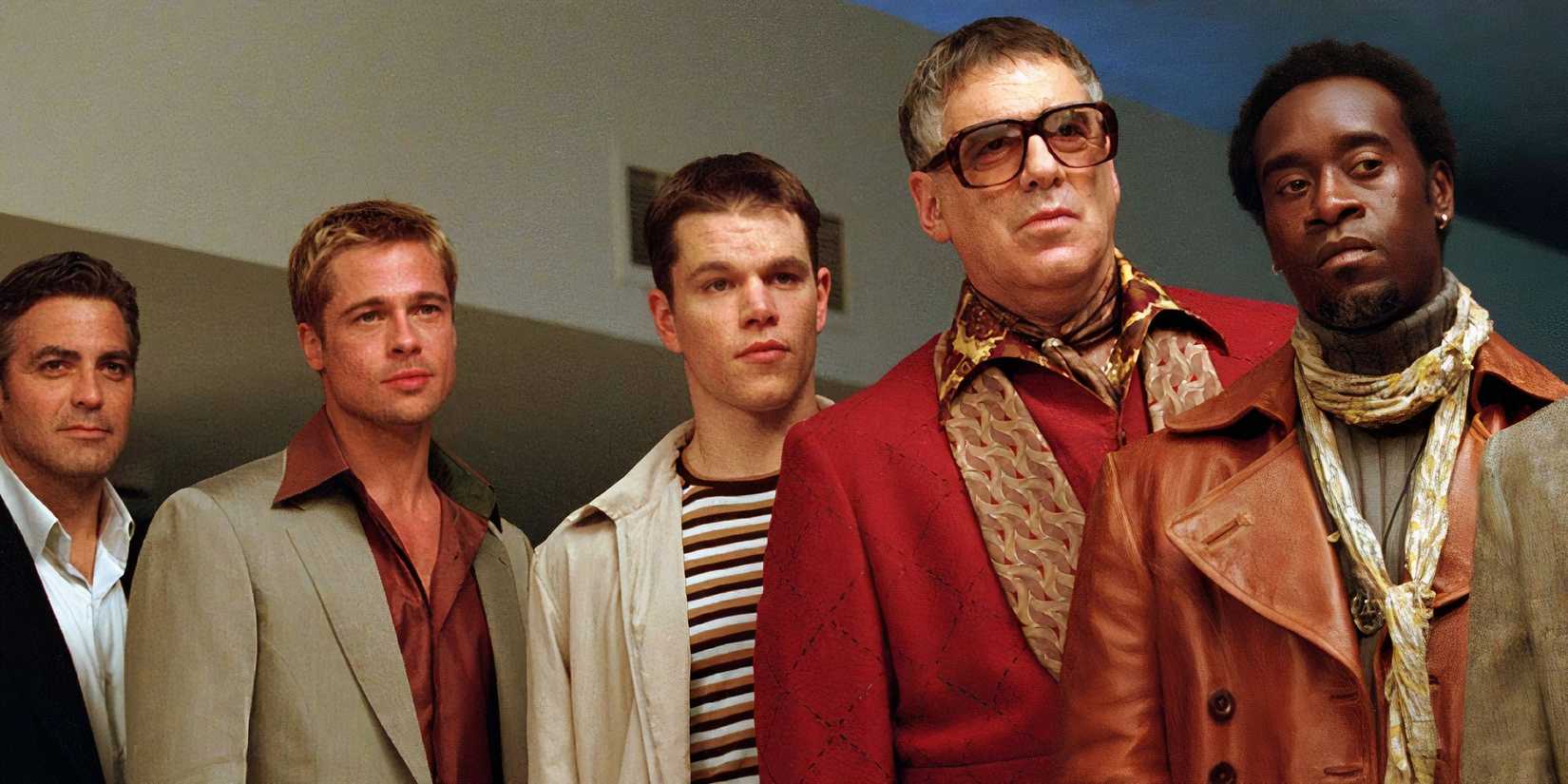
Widely hailed as one of the most perfect heist movies of all time, Steven Soderbergh is one of those rare movie remakes that aren’t just every bit as great as their predecessor, but arguably even better. Led by an ensemble cast that oozes talent and charisma, it may very well be the most entertaining movie that Soderbergh has ever made.
The film was far and away the highest-grossing thriller of 2001, and it isn’t hard to see why. Slick, fast-paced, and infectiously fun, it’s popcorn entertainment of the highest quality. Bouncing from thrilling plot point to thrilling plot point with the kind of kineticism that only the best-ever capers have been able to achieve, it’s a true icon of its genre that has only gotten better with age.
2
‘Donnie Darko’

Back when it originally came out, Richard Kelly‘s Donnie Darko was a tremendous failure both critically and financially. With its release on home video, however, not only did it become the biggest cult classic of 2001, but it also almost single-handedly brought the midnight film circuit of the cult cinema scene back to life, and watching it at midnight in a packed theater still remains one of those things that every cinephile should do at least once in their lives.
It’s one of those perfect sci-fi movies that get better with every rewatch, a delectably bizarre and masterfully mind-bending mystery thriller about teenage isolation and how love, sacrifice, and courage are its greatest enemies. It’s a movie that’s impossible to fully understand when first watching it, but that only makes every further rewatch all the more entertaining.
1
‘Mulholland Drive’

David Lynch was one of the greatest filmmakers of his generation, as well as the single most important exponent of cinematic surrealism since Luis Buñuel. His filmography is filled to the brim with masterpieces, but the masterpiece that most people tend to regard as his magnum opus is the Oscar-nominated neo-noir Mulholland Drive.
Part mystery thriller, part showbiz drama, and 100% avant-garde mind-bender, it’s the sort of thriller that’s even better the second time around. Its potent critique of the Hollywood Dream still rings true today, and the profoundly atmospheric mastery of Lynch’s direction hasn’t lost one bit of its spark. Top that with a pair of tour-de-force performances by Naomi Watts and Laura Harring, and you get what may very well be the greatest film of 2001, as intellectually challenging and emotionally unsettling as it may be.


Mulholland Drive
- Release Date
-
October 19, 2001
- Runtime
-
147 minutes
- Director
-
David Lynch
- Writers
-
David Lynch


You must be logged in to post a comment Login