Entertainment
46 Years Later, ‘Star Wars’ Greatest Quote Was Rewritten in This Sci-Fi Spin-Off

Since its epic conclusion, a lot has been said about how Andor elevates Rogue One: A Star Wars Story and even Star Wars: Episode IV – A New Hope, but with The Mandalorian and Grogu bringing Star Wars back to theaters this week, it’s also the perfect time to revisit how the Disney+ series has improved another beloved chapter in the franchise. That’s largely thanks to Karis Nemik’s (Alex Lawther) manifesto, which goes viral across the galaxy in the series finale and urges listeners to “Remember this: try.” The line creates a surprising dialogue with Yoda’s (Frank Oz) iconic quote from Star Wars: Episode V – The Empire Strikes Back: “Do or do not, there is no try.” At first, the two ideas seem opposed, but Nemik’s manifesto actually recontextualizes Yoda’s lesson, revealing them as complementary rather than contradictory.
Nemik’s Manifesto Is About “Trying” as an Act of Rebellion
It may seem confusing when first thinking about what Nemik and Yoda mean. One is telling you to try, while the other says “there is no try,” so who is correct? As it turns out, both of them are; we just have to look at the context. Nemik and Yoda are living in completely different moments of history when they each say their lines, and that matters. Nemik’s manifesto is one of the most brilliant pieces of writing in all of Star Wars, and we first hear it in the Season 1 finale of Andor, set five years before the Original Trilogy, when Cassian (Diego Luna) decides to save his friends during Maarva’s (Fiona Shaw) funeral on Ferrix. The odds are overwhelmingly against him, and he knows he can’t save everyone, but it’s Nemik’s words that push him to try and eventually succeed.
It’s important to note that, at that time, the galaxy thought that the Empire was invincible and unstoppable, and that’s the purpose of Nemik’s manifesto — to show people that the Empire can be defeated, despite the overwhelming odds. At that moment in Star Wars history, the Empire is so strong, it doesn’t even conceive that anyone could try to challenge its authority, so even the smallest attempt is already an act of rebellion. “Even the smallest act of insurrection pushes our lines forward,” as Nemik says, because it shows everyone that the Empire isn’t invincible, and that’s all it takes for revolution to spread; once other people see that, they too will feel emboldened and try. That’s what the Aldhani heist was for (besides the money, of course), and that’s what the rebellion on Ferrix becomes, too.
When we next hear Nemik’s manifesto in the Andor series finale, it’s in a completely different context. It has gone viral, beyond the Empire’s ability to contain its spread, and people now see that there is a way to fight for freedom. It’s now an open call to rebellion beyond the Rebel Alliance, too, a promise that, if everyone takes action, they will succeed in taking down the oppressor, because “then there will be one too many,” he says. There’s no telling who has heard the manifesto, but a few weeks after it goes viral, a farm boy from a backwater planet decides to join the Rebellion after losing everything to the Empire, and manages to blow up their ultimate weapon. One single thing, an X-wing, broke the siege, like Nemik promised, because, before that farm boy, many other people tried.
Yoda’s Lesson in ‘The Empire Strikes Back’ Is the Culmination of Nemik’s Manifesto in ‘Andor’
There’s no way of knowing whether Luke Skywalker (Mark Hamill) and Yoda have ever listened to Nemik’s manifesto, but the former’s actions and the latter’s lessons sure feel like the continuation of the ideas it preaches. There are only a few days between the manifesto going viral and the destruction of the Death Star, and then three years until Luke joins Yoda on Dagobah in The Empire Strikes Back, so the galaxy is already a completely different place. Thanks to all the trying, the Rebellion has grown into more than just a military movement, but into an idea, a promise of freedom. It’s now at a point at which it can actually do what it set out to do from the start, so the time has come to stop trying and do it.
When Yoda tells Luke to “try not; do or do not, there is no try,” Luke is trying and failing to pull his X-wing from the Dagobah swamp. He doesn’t believe that he has the power to do it, and most Force powers are about one’s ability to envision what they have to do and make it a reality. From a teaching and personal standpoint, Yoda is telling Luke to believe in his own abilities because he can do it. But, at that historical moment, there’s also a lot more hanging in the balance than just Luke’s X-wing. The Rebellion has just suffered a major defeat by the Empire on Hoth and must now find the strength to reassemble and continue fighting, because, if they falter again, they will be destroyed. The Empire has literally struck back and exposed how fragile everything is for the rebels, so if they don’t carry out their mission, all the attempts and sacrifices that came before will have been for nothing. Both Luke and the rebels are at a crossroads: now, either you do what you have to, or fail.
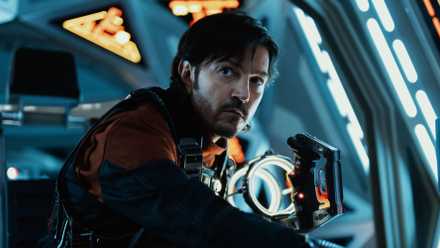

Star Wars’ Greatest 8-Part Sci-Fi Borrowed ‘Andor’s Best Trick and Nobody Noticed
Minus the radicalization part, of course.
Of course, Yoda’s lesson to Luke doesn’t go viral like Nemik’s manifesto, but it does represent a change in the overall attitude of the rebels. Luke completely changes his attitude after losing to Darth Vader (James Earl Jones) on Bespin, and sets out with his friends to save Han Solo (Harrison Ford) from Jabba the Hutt and rejoin the Rebellion; he even has the confidence to call himself a Jedi Knight. The same thing is happening with the Rebellion. After their defeat at the battle of Hoth, only one year passes until the discovery of the second Death Star and the decision to go all-or-nothing against the Empire — to “do or do not.” So Yoda’s lesson isn’t about denying Nemik’s idea of trying, but rather about taking it one step further, because once something is proven to be possible, it’s not about trying anymore, but about doing it.
Nemik’s Manifesto and Yoda’s Lesson Are Actually Two Parts of the Same Advice
It’s easy to dismiss or forget how important a role the passing of time plays in Star Wars. Andor Season 2 takes place over four years, starting one year after Season 1, and ends mere weeks before the events of A New Hope. Then, there are three more years until The Empire Strikes Back, and finally one year until Star Wars: Episode VI – Return of the Jedi, when the Rebel Alliance finally topples the Empire. There are nine years between Nemik writing his manifesto and the battle of Endor, and that’s more than enough time for people to grow a political consciousness, as Nemik envisioned. That’s also enough time for political theory to evolve and either gain or lose relevance. In this case, Nemik’s manifesto evolves because it becomes a reality.
Again, there’s no way of knowing in canon whether Luke or Yoda ever listened to the manifesto, but it’s now brilliantly set up as a precursor to Yoda’s lesson to “do or do not, there is no try.” These two ideas aren’t opposed, and aren’t even two sides of a coin; they are, instead, two stages of developing consciousness. The Rebellion needed people to stand up against the Empire, and trying to do something showed them that it was possible. It’s what effectively set up the Rebellion as a galaxy-wide movement beyond the Alliance, so to speak. It’s important to start, and trying is a big part of it, but there comes a time when we grow beyond attempts, and it becomes about actually doing the things we have to, because we’ve already learned how and know why. When it comes to freedom against tyranny, this is even more important because either you do the right thing, or you don’t.
That’s where the galaxy is at when Yoda tells Luke to “do or do not.” Things have already grown beyond Nemik’s point of trying as an act of rebellion in itself. Everything has escalated by then: the Rebellion is now an organized military movement that has proven its ability to destroy the Empire, while the Empire has tightened its grip around the whole galaxy so as not to lose the war. At that moment, the Rebellion has already outgrown “attempts,” and needs to properly do what it set out to do and defeat the Empire. And it’s only able to because many people sacrificed everything while trying before.
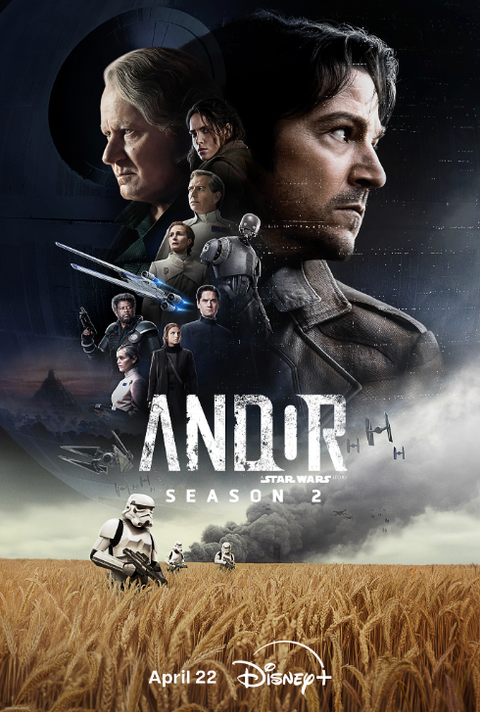
Andor and Star Wars: Episode V – The Empire Strikes Back are available to stream on Disney+.

- Release Date
-
2022 – 2025-00-00
- Network
-
Disney+
- Showrunner
-
Tony Gilroy
- Directors
-
Susanna White
- Writers
-
Dan Gilroy
- Franchise(s)
-
Star Wars
You must be logged in to post a comment Login