Entertainment
5 Classic Crime Shows That Are Still Better Than Most New Series

The phrase “classic” is used relatively when describing contemporary shows, given that television is an evolving medium that has changed significantly in the last decade. While the dawn of premium cable used to be seen as the single most defining evolution in how shows are funded and received, streaming has completely shifted the way that the market works. It is now not uncommon for shows to be treated like blockbuster films with massive budgets, A-list talent, and marketing campaigns that begin years in advance. It’s exciting that there is so much innovation that is done on the small screen, as it has opened up more opportunities in a time when the theatrical market is under stress due to the perilous limited release strategies that have made high-quality films inaccessible to those outside of major cities. However, increased budgets and attention do not necessarily make for an immediate jump in quality.
It’s a little bit unusual to think about shows from only two decades ago being now viewed as “classics,” but they do fit that definition when compared to the sheer amount of content that is released regularly. Streaming services like Netflix, Amazon Prime, HBO, and Disney+ will greenlight, renew, and cancel shows at such an alarming rate that it’s impossible to keep track of them all; given that most households subscribe to at least three or four streaming services, there is more content that they have access to than anyone could hope to watch within their lifetime. As easy as it is to be lured in by the promise of new shows that were made to address contemporary subjects, it’s worth diving into the past to rediscover the series that helped build the foundation on which modern television is based.
5
‘Twin Peaks’ (1990–2017)


Twin Peaks is the most influential show in history because David Lynch completely changed the way that audiences interacted with stories told on the small screen. Lynch disagreed with the format of crime procedurals that dismissed the plight of the victim by turning them into a “case of the week” and wanted to dig into the way that a shocking act of violence actually impacted a community. Twin Peaks told the serialized mystery of “Who killed Laura Palmer?” — the character is a high school prom queen played by Sheryl Lee. Although the show begins as a straightforward investigation into those within her hometown who may have been involved, it evolves into an epic drama about the community itself and how this one burst of violence reveals the ugly truths that lie beneath the surface.
Twin Peaks had a “water cooler effect” because it engaged new viewers with its mysteries and secrets, creating one of the first passionate fandoms. Although the series was cancelled at the end of its second season, Lynch believed strongly in continuing the story and directed the prequel film Twin Peaks: Fire Walk With Me, which retold the events set right before the show from Laura’s perspective. The film was a financial disappointment that initially vexed fans who had wanted a firm conclusion to the cliffhanger that had ended Season 2, but it has steadily been appreciated as a masterpiece. Lynch finally returned to Twin Peaks in 2017 for a third season on Showtime that ranks among the most experimental, challenging, and complex works of filmmaking ever made and stands as the perfect swan song because it was his last major project.
4
‘The Sopranos’ (1999–2007)


The Sopranos is perhaps the show most often cited as “the greatest of all time,” and for good reason. David Chase wanted to create a complex psychological drama about a deeply disturbed anti-hero who struggled with the pressures of raising a family, and he merged it with his interest in Italian gangster films. The Sopranos did for mafia-related shows what The Godfather trilogy did for crime cinema; it took a genre that was otherwise considered to be “trashy” and turned it into an epic about loyalty, faith, human frailty, and the death of the American dream. James Gandolfini’s performance was brilliant because he showed vulnerability and humor within a monstrous character, all whilst making it abundantly clear that Tony Soprano was a psychopath who could never be perceived as a hero.
The Sopranos is the rare show that retained a consistent level of quality throughout its run, as it managed to get even more stylistically experimental as it went along. Season 2 showed the thematic and psychological depths the series could go to with “Funhouse,” and Season 3 offered the perfect “one-off” episode with the classic “Pine Barrens,” but it was in the Season 5 episodes “The Test Dream” and “Long Term Parking” that Chase revealed the tragic, mythic storytelling he was aiming for. While initially divisive, The Sopranos’ finale “Made in America” was the perfect way to end the series.
3
‘The Wire’ (2002–2008)

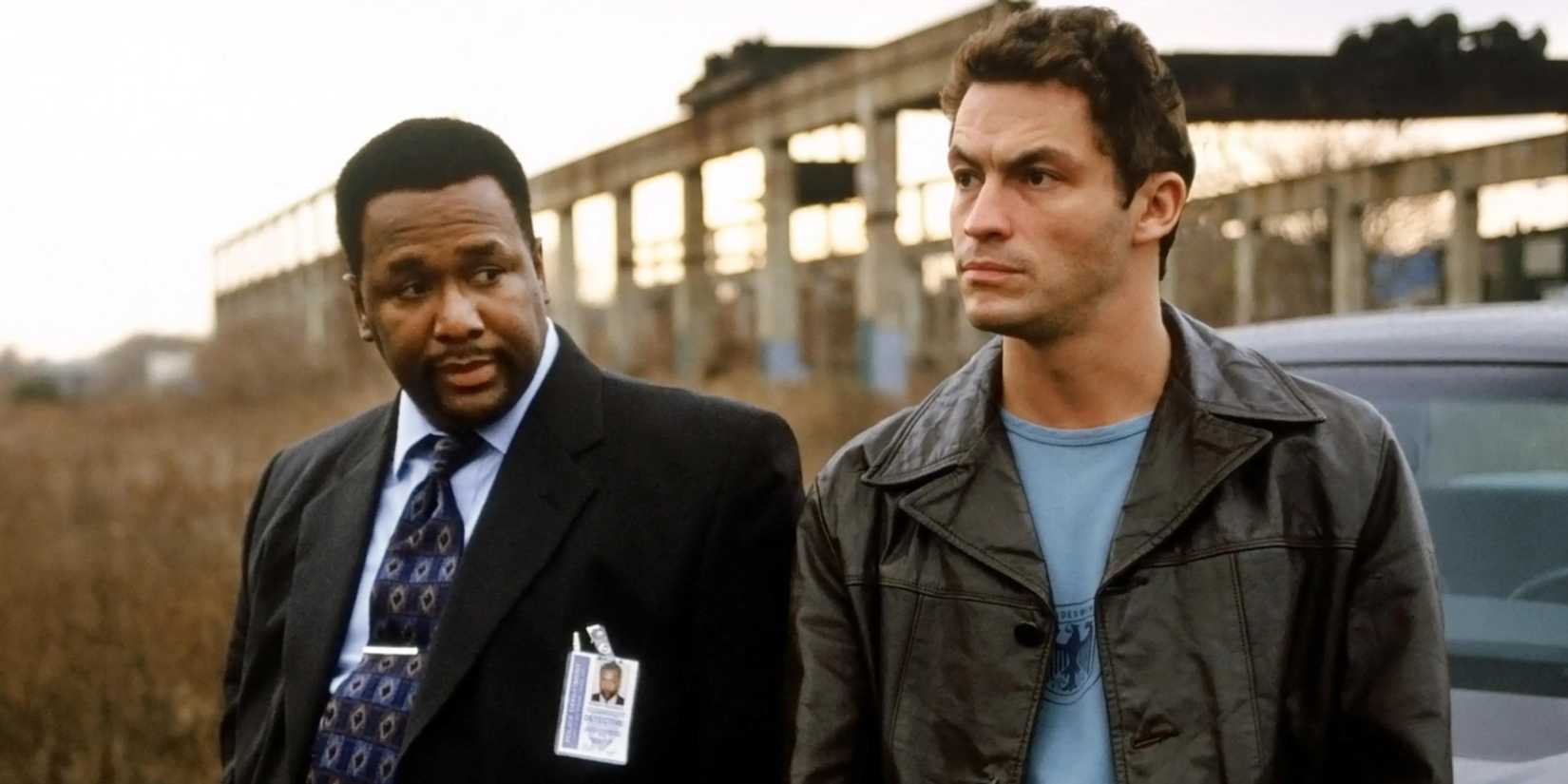
The Wire was a novelty among HBO shows because it was never a massive ratings hit and failed to get much attention from the Primetime Emmy Awards during its run, having only gained the support of critics and niche fans. However, everyone who saw The Wire came away impressed with what David Simon had achieved, making it an essential HBO show. Since Simon was a former crime reporter in Baltimore who had over a decade of experience, he was able to create a highly realistic series about the intersectionality between different infrastructures involved in the drug trade. By heightening the complexity with each season, The Wire felt closer and closer to reality as it went on.
The Wire is the rare show that offers a tremendous amount of practical information regarding the way that American law works, but it’s also highly entertaining and has at least a dozen of the greatest characters in television history. While it’s possible that the show could have gone on for longer had HBO allowed Simon to expand into a Season 6, the five installments that do exist are must-watches for anyone who considers themselves to be a serious television fan.
2
‘The Shield’ (2002–2008)
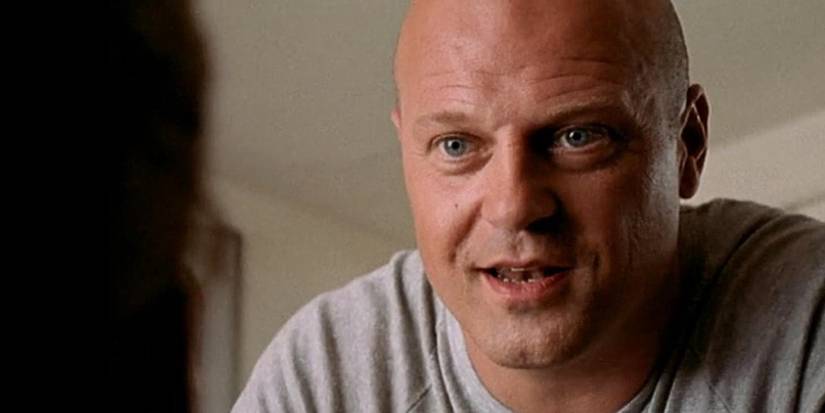
The Shield was a show that was ahead of its time and now feels more relevant than ever before. While American television has often lionized the role of law enforcement by treating cops as heroes, The Shield exposed the dark side of police corruption through the terrifying anti-hero Vic Mackey (Michael Chiklis), a member of the LAPD strike force who is involved in both personal intimidation and taking down even more dangerous criminals. The series wrestled with the role that someone like Vic had, as he could both be used as a blunt instrument for good and initiate scandals that caused the entire city to collapse. The Shield refused to give its audience any easy answers, and its ambiguity has only made it age better.
The Shield succeeded in growing in scale with each subsequent season and managed to draw in award-winning guest stars like Glenn Close and Forest Whitaker to make appearances. There might not be a “bad” season of The Shield, but the series finale “Family Meeting” is one of the best of the century, as it offered the most thematically resonant closure for one of the bravest, most confrontational crime shows ever made.
1
’24’ (2001–2014)
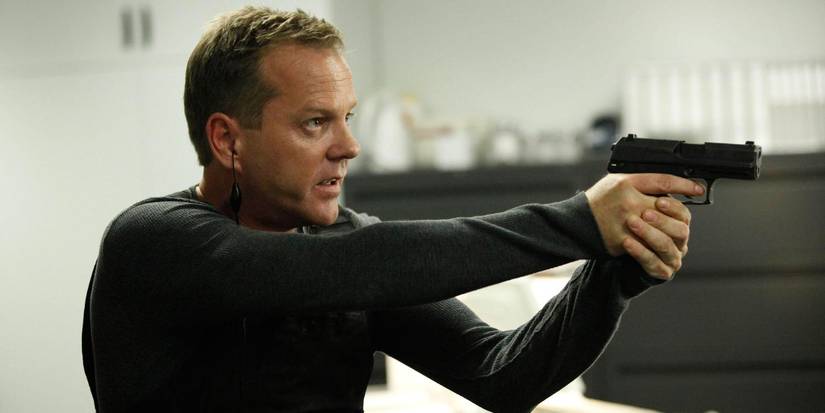
24 redefined what a thriller show could look like because of its novel structure, made even more impressive because it aired on a network that didn’t have the advanced resources of premium cable. Every season of 24 consisted of 24 episodes, with each corresponding to the hour of a single day; the show progressed in real time, allowing audiences to be swept up in the adventures of the CIA counterterrorist agent Jack Bauer (Kiefer Sutherland) as he got to the root of various conspiracies and threats against the American public. The fact that the series began right after 9/11 only fueled the political fire, turning the series into a lightning rod of controversy. Although it might be easy to look at anything from the past that features problematic behavior and claim that it “hasn’t aged well,” 24 didn’t necessarily advocate for Bauer as a flawless hero; in fact, the show often explored the deep-seated corruption in American politics and questioned whether the end justified the means.
24 proved to be a successful franchise that frequently attracted notable actors for guest star roles and was surprisingly able to keep itself on a healthy pace with new seasons released on a yearly basis. A television film was released in-between seasons as a placeholder during the WGA strikes, and Sutherland reprised his role for an extended miniseries in 2014 that, thus far, serves as the final appearance by Bauer. Although there have been rumors about a potential reboot or continuation, it remains to be seen if 24 can be adapted into the modern television era. Nonetheless, it’s a great product of its time, and one that remains more gripping, exhilarating, and emotionally fulfilling than a vast majority of the content that streamers are releasing today.


24
- Release Date
-
2001 – 2010-00-00
- Showrunner
-
Robert Cochran
- Directors
-
Robert Cochran
- Writers
-
Robert Cochran
You must be logged in to post a comment Login