Entertainment
5 Great Action Movies That Marked the End of an Era

Action movies, like any major genre, have gone through many different phases and eras. Changing sensibilities, rising and falling stars, and developing technologies have all contributed to the many shifts the genre has seen. As with all trends, the divisional lines aren’t always easy to draw. The styles and themes of one era can bleed over into another, while stars and directors can transition as well. It’s often easier to spot the films that are the beginning of an era rather than the end of one, especially since the rise of post-modern cinema, where movies are in constant conversation with their influences. In retrospect, though, there are those movies that can be looked at as the last of their kind.
From the ends of two different eras of action heroes to those final films in franchises that will never be the same, some of these movies were designed to be final statements, while others were made blissfully ignorant of the place in history they would hold. That doesn’t have any effect on the quality of the individual films themselves, as they are all, in their own ways, great action movies. They represent some of the most major blockbusters and influential films featuring some of the biggest stars and iconic characters of the genre. Every era must come to an end, and these action movies all ended theirs in style.
‘First Blood’ (1982)

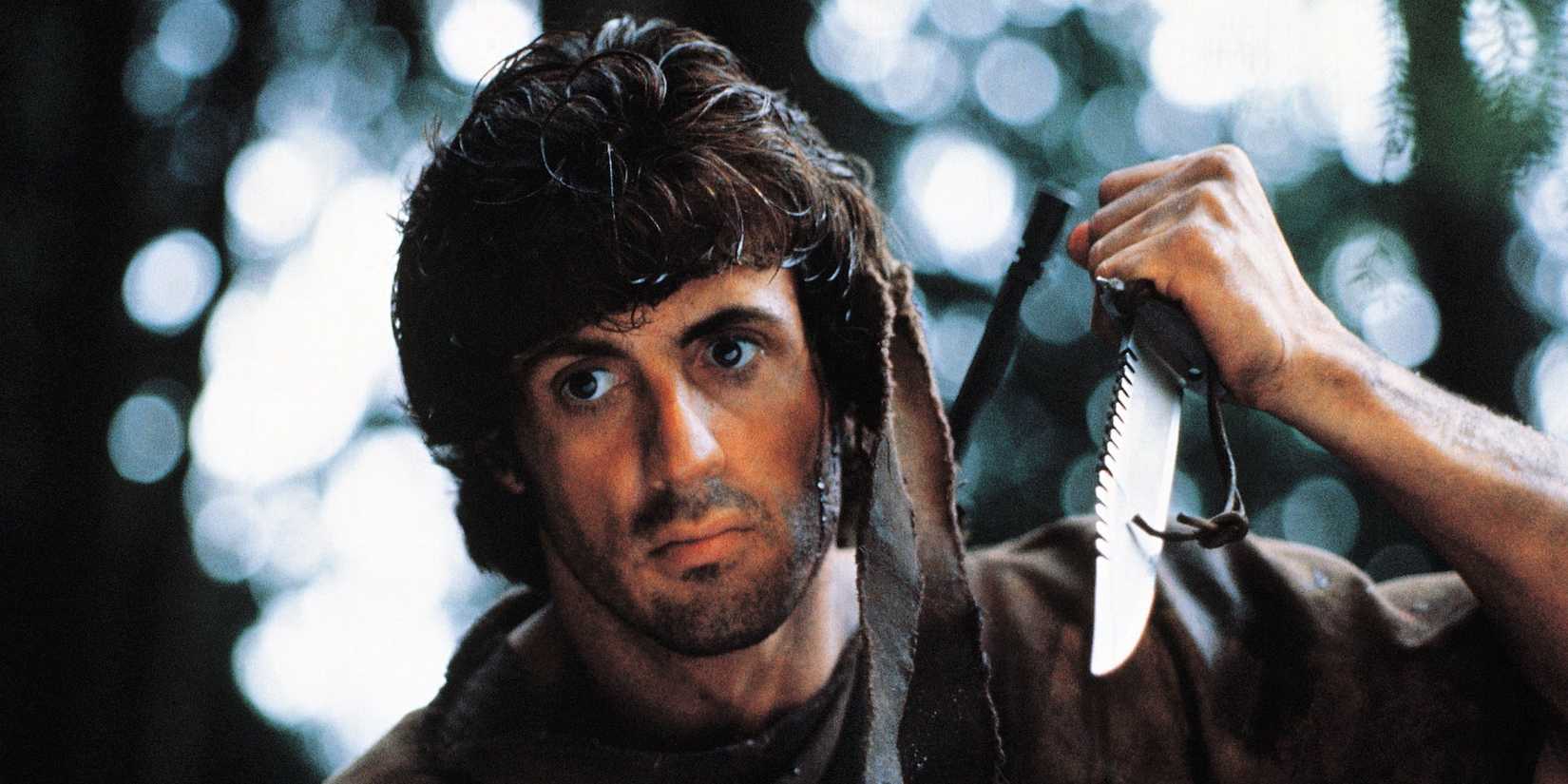
The Hollywood action heroes of the ’70s were gritty, cynical, and often damaged, while the ones from the ’80s were musclebound, indestructible superhumans; you can see the transition in one film and one character. First Blood introduced audiences to John Rambo, the Vietnam vet protagonist from David Morrell‘s novel, whose harassment at the hands of some small-town cops triggers his post-traumatic stress response and leads him to wage a one-man war against them. As played by Sylvester Stallone, Rambo embodies all the physicality that would define ’80s action heroes but represents the broken, disenfranchised, anti-authority attitude of the ’70s. The film itself is likewise of a grittier and more grounded nature, more indicative of the ’70s action era. Rambo doesn’t rack up a high body count, only inadvertently causing a single death, and he doesn’t end the film with explosive triumph. He’s led away in handcuffs and covered with a blanket after suffering a mental breakdown.
By the time Rambo returned for his first sequel, his vulnerability had vanished. Stallone was even bigger and bulkier than before, and the character was sent back to Vietnam to save some POWs and win the war that had haunted American conservatives. It’s the same transition that many anti-heroes from the ’70s went through in the Reagan-era ’80s. Charles Bronson went from a violent vigilante in Death Wish to an avenging action hero in its first sequel, and Stallone’s other iconic character, Rocky, went from scrappy underdog to winning the Cold War. The ’80s were all about optimism, excess and unstoppable action heroes. Rambo was the poster child for ’80s action, but his origin story marked the end of the gritty action hero era.
‘Hard Boiled’ (1992)
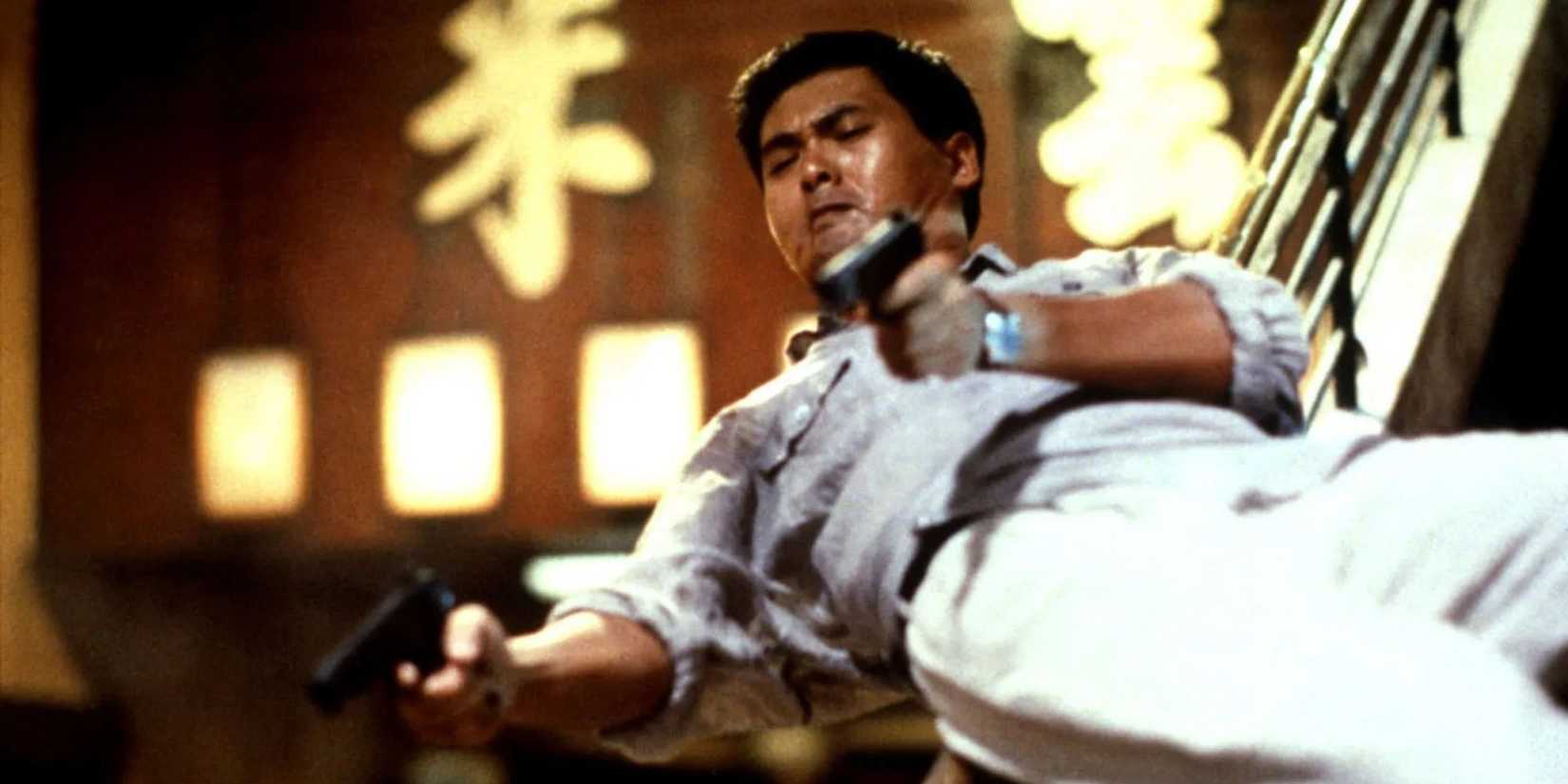
John Woo helped to build the Heroic Bloodshed action era, with his film A Better Tomorrow often cited as its beginning. This specific brand of Hong Kong action movie featured glorious gun battles, gangsters versus cops narratives, and themes of honor and brotherhood. Woo didn’t just start the era; he also delivered its definitive statement with Hard Boiled. Technically, this action masterpiece isn’t the last Heroic Bloodshed movie ever made, but it definitely marked the end of its original era. Filmmakers like Johnnie To would carry the action torch well into the ’90s and 2000s, while the subgenre’s most major filmmakers, like Woo, Ringo Lam, and Tsui Hark, all made brief transitions to Hollywood, where they continued to make films featuring many of the techniques and trademarks they had pioneered. Other filmmakers, like Quentin Tarantino and Robert Rodriguez, also adopted many of the signatures of Heroic Bloodshed into their filmographies, making the transition all the murkier, but Hard Boiled is a proper exclamation point.
Chow Yun-fat, who starred in the majority of Woo’s Hong Kong action films, stars as Tequila, a cop with a penchant for dual-wielding pistols and causing maximum carnage. He’s the counterpoint to Tony Leung‘s tortured undercover officer, with the two fighting from opposite ends to take down a dangerous Triad leader. It’s on that plot that Woo hangs his greatest action sequences, with an opening tea house shootout, a warehouse gunfight, and the extended finale set within a hospital. Hard Boiled is as good as action movies get, and Woo and the Heroic Bloodshed subgenre were never as good again. It marked the end of one of the greatest eras in all of action cinema.
‘Eraser’ (1996)


Where First Blood was the clear pivot from gritty to hulking action heroes, the end of that muscular action era is slightly harder to pinpoint. Many point to Tango & Cash as the last of the over-the-top ’80s action movies, but it’s hard to count it as the end of the era when its most major stars still had their biggest action hits coming. Last Action Hero also often gets listed as the seemingly most appropriate final film of the era, as a full parody of a genre that had already grown into self-parody, but star Arnold Schwarzenegger still had two more earnest big-budget action blockbusters in him. He would re-team with James Cameron for the utterly ridiculous and ridiculously entertaining True Lies, and then, in 1996, he closed out the action hero era with the underrated Eraser. Coming from steady-handed genre director Chuck Russell, this old-school action movie features a little bit of everything from its predecessors.
The film has a high-concept plot that features Schwarzenegger as a U.S. Marshal whose special skill is making witnesses disappear, a villain played by an acclaimed actor (James Caan), and some of the slick CGI that had begun to creep into the genre in the ’90s and has not aged well. Eraser may not be top-tier Schwarzenegger, but it’s certainly the last time audiences could enjoy the larger-than-life action hero in a larger-than-life action movie that wasn’t produced as some nostalgic throwback. There’s a sincerity to it that later movies like The Expendables have never been able to replicate, which is why it’s often considered the end of Schwarzenegger’s golden age of movie stardom and the action hero era as a whole.
‘Avengers: Endgame’ (2019)
No matter how you feel about the MCU, there’s no arguing that it represented a paradigm shift for blockbusters. Thanks to the success of the superhero mega-franchise, every studio and streamer tried to turn every IP they had into a cinematic universe, but despite all their efforts, none came close to the consistency or success of what Marvel accomplished. After the first era of the MCU, dubbed the Infinity Saga, came to an end a mere eleven years after Iron Man premiered with the undeniably epic Avengers: Endgame, it represented the culmination of one of the biggest franchises in Hollywood history, and it will likely never be replicated. The DCEU imploded in on itself, and even the MCU hasn’t been able to maintain the cultural foothold it once held in a post-COVID, streaming-dominated film landscape.
Bringing the original Avengers back together after they’d been split up and separated in their last film, Endgame is all about giving a proper send-off to the characters that had formed the foundations of the MCU. Black Widow and Iron Man both sacrifice themselves, while Captain America gets to live out the rest of his life slow dancing with Peggy Carter. Even though Scarlett Johansson came back for a spin-off two years later, and Chris Evans and Robert Downey Jr. are returning to the fold, along with seemingly every other actor to ever appear in a Marvel property, for Avengers: Doomsday, there’s something effectively emotional in Endgame’s finale that felt satisfying in 2019. It’s a crowd-pleasing blockbuster, and even if it ends up being relatively minor as a singular film in the grand scheme of action cinema, Endgame was still the end of the biggest cinematic superhero era audiences will likely ever see.
‘No Time to Die’ (2021)

The James Bond franchise has gone through many eras. With every new iteration of the secret agent played by a new actor, the franchise evolved into something different. George Lazenby brought Bond emotional poignancy and tragedy in his one-film stint before Sean Connery returned to the role he originated. Then Roger Moore took over and brought all kinds of humor and outlandish antics to the character before Timothy Dalton brought him back down to earth with a gritty pair of much angrier Bond films. Pierce Brosnan found a solid balance between those tones before eventually getting swallowed up in CGI and gadgetry, and then Daniel Craig rebooted the character for the 21st century with the toughest, gloomiest Bond yet. Every one of those Bond actors’ final films could be considered the end of an era, but Craig’s final bow in No Time to Die is easily the most definitive.
With a convoluted plot that brings together disparate threads from the previous four films, No Time to Die pushes Bond to his limits as he must reckon with his past and that of his paramour, Madeleine Swann. The lengthy movie makes room for lots of emotional character beats as well as some solid action setpieces set all across the globe before it culminates in a controversial ending where Bond does the one thing he’d never done before: die. By the time the credits roll, Bond is definitively dead, and while the filmmakers knew it would be Craig’s swan song, which likely contributed to the decision to end it this way, they couldn’t have known how fitting it would become. Amazon’s purchase of the Bond franchise effectively ended the legacy of EON Productions’ creative control, a legacy that had begun with the very first film. There’s no telling what the future of Bond will look like now that he’s under the umbrella of a real-life Blofeld, but it’s safe to say that No Time to Die, for better or worse, was the end of an era for the character.
You must be logged in to post a comment Login