Entertainment
5 Years Later, These Are the 10 Best Movies of 2021

It’s already a point of interest to look back on an individual year’s film offerings in a modern context to see which films have maintained their qualities or grown more well-crafted in the years since, yet even by most standards, 2021 was an unusual year for cinema history. The world was still massively recovering from the pandemic, which was largely felt in the slow release of major studio films as well as in releasing films in theaters and for premium digital rental or on streaming at the same time.
However, even if the actual release structure of the films was strange, the inherent quality was certainly there for the year’s best films. The year saw the release of iconic blockbusters, memorable indie films, and everything in between that helped bring a sense of normalcy back to filmmaking after the even more chaotic year of 2020. This makes returning to the 2021 films 5 years later that much more interesting, as the very best have maintained their qualities beyond the wild times of pandemic-era thinking.
10
‘The Tragedy of Macbeth’


The Tragedy of Macbeth is one of the most striking and clear-cut collaborations of sheer talent from just about everyone involved in terms of bringing to life this Shakespearean classic to the modern age. Through the directorial vision of Joel Coen, exceptional performances from Denzel Washington and Frances McDormand, and amazing cinematography from Bruno Delbonnel, the film truly comes to life as a work of art. What’s rather sad is that the film’s legacy and staying power have felt limited in the years since its release, as it was originally made for Apple TV+.
However, the quality is certainly there to revel in and be inspired by, with beautiful black-and-white visuals complementing the powerful performances and classic storytelling at its center. Joel Coen still hasn’t had another feature-length directorial work since the release of this film. Yet, he’s already proven his directorial strengths this decade with this masterclass of Shakespearean brilliance.
9
‘Judas and the Black Messiah’


Judas and the Black Messiah operates in a wholly individual spot as far as award-contending dramas, making use of the extension given to 2020s slate of films during the pandemic to release and compete alongside 2020 films like Nomadland and Mank despite releasing in February 2021. This makes the film often forgotten in the pantheon of 2021 as a year in film history, which is a shame considering just how striking and emotionally powerful this story of real-life revolution and heartbreak truly is.
The film truly comes into its own thanks to a masterful central performance from Daniel Kaluuya as the late Fred Hampton, building up his truly electrifying presence as a public speaker and a true visionary that people would latch onto and see hope for the future in. It makes the impending fall and betrayal of the story all the more painful, knowing that such strong will and battle for rights will be snuffed out by higher powers before it even has a chance to flourish and make a change.
8
‘The Green Knight’
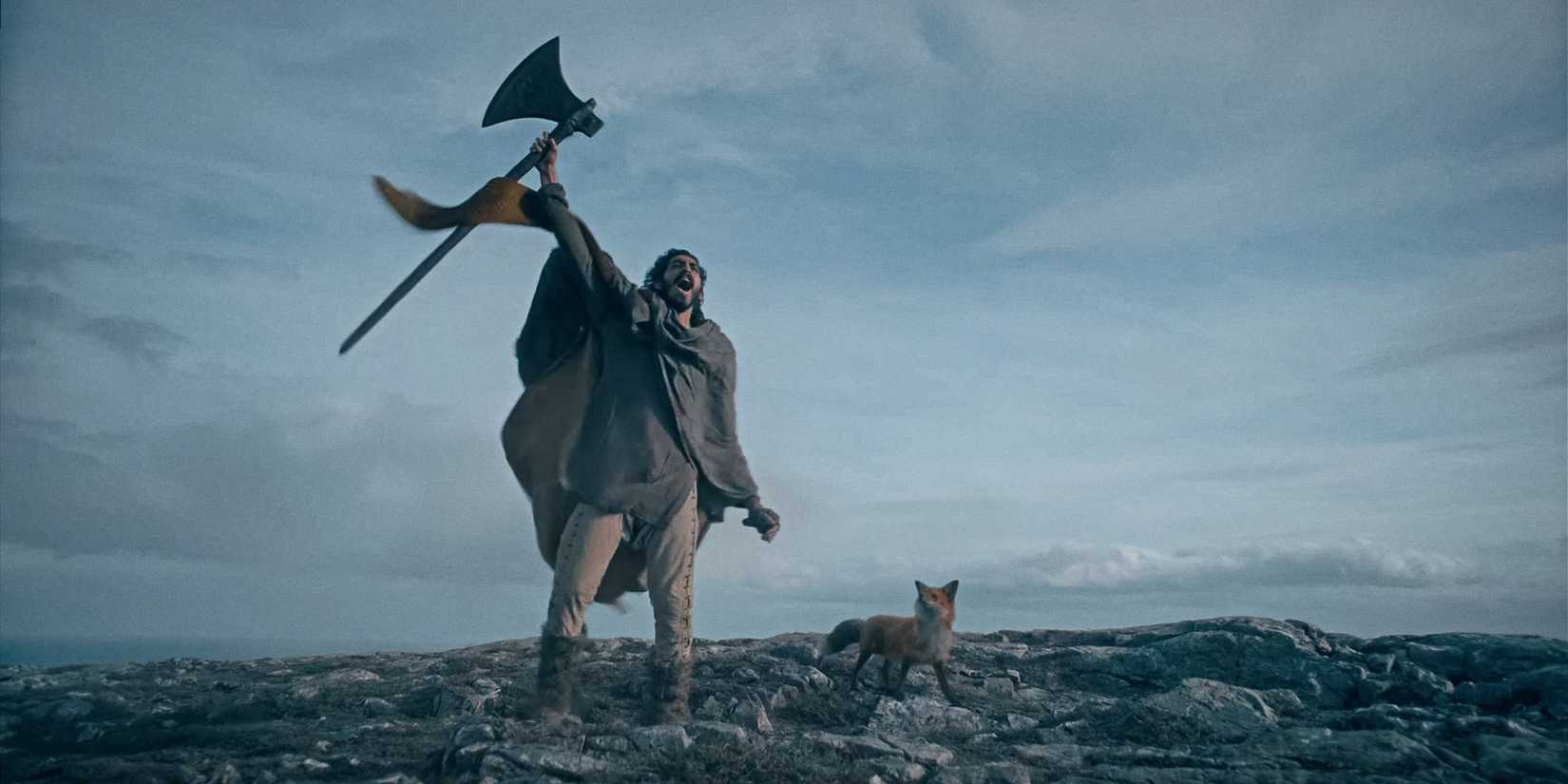
There have been a multitude of fantasy films that have either directly adapted or found great inspiration from the Arthurian tales of the past, yet The Green Knight stands out as one of the most beautiful and original takes on this all-time classic material. David Lowery’s distinct vision of pain, perseverance, and growth told through the story of Sir Gawain arguably makes it one of the all-time greatest adaptations of Arthurian tales to film to date.
It’s a ruthlessly intense fantasy film that is quick to delve into the sheer darkness and psychological gravitas of Gawain’s journey, made all the more impactful by a striking lead performance by Dev Patel. The film truly goes all out in terms of bringing to life a sprawling, multi-layered adventure not just for Gawain to experience, but for the audience to witness and share every step of the way. Time has only been kind to this fantasy masterclass, as more and more people have grown to appreciate its brilliance.
7
‘Pig’

To an unfamiliar person, the plot and synopsis of Pig make it seem like little more than an overly nonsensical action thriller that feels ripped out of Nicolas Cage’s previous era, à la Bangkok Dangerous or Face/Off. However, Pig couldn’t be more different tonally than a goofy action movie, as this story of a lonesome man traveling into the city to retrieve his lost pig is one of the most emotionally touching and beautiful experiences that 2021 cinema has to offer.
There is a real sense of earnestness and raw vulnerability to the execution of Pig that makes it stand out that much more as an emotionally moving piece of art. Cage easily gives what is his best performance not just of the 2020s so far, but what was his best performance in decades through this film, with such deep range and emotional depth to his character amplifying an already powerful script into icon status.
6
‘Dune’

It simply wouldn’t be right to not include at least one of the prominent blockbusters that released in 2021, seeing as they helped revitalize enthusiasm for blockbuster filmmaking after a year of abandonment during the pandemic. While films like Spider-Man: No Way Home and No Time to Die might have made more money, there’s no question that Dune is the absolute highlight of blockbuster filmmaking for the year in terms of quality as well as cultural impact and legacy.
This extravagant high-budget space opera achieves the previously thought to be impossible in doing great justice and significance to one of the all-time greatest sci-fi novels ever written. Denis Villeneuve’s meticulous filmmaking style exudes prowess and craft in every moment of the film, creating a true sci-fi epic experience that makes the most of the budget and delivers on spectacle in spades. While some have written off the original film following the improvements made to the sequel, there is still an undeniable magic that makes the first part of Dune such an icon.
5
‘Titane’

The only Palme d’Or winner of this decade to not be nominated for an Academy Award, Titane is a strange, ruthlessly bleak and abstract piece of body horror that, between the ruthless carnage and uncomfortable concepts, tells a surprisingly beautiful story of found family and unconditional love. It’s an incredibly difficult balancing act that is pulled off without a hitch, as the moments of horror and shock hit that much harder when the in-between is this story of tense secrecy that leads to familial love despite it all.
Simply describing the insanity of the story doesn’t do the film justice, as it bounces between sickening and chaotic concepts that all build on top of one another until they spiral uncontrollably into complete chaos. However, the bedrock cushioning of love that these characters have built for one another makes the release of tension somewhat beautiful, fully living up to the brilliance and strengths of the body horror genre.
4
‘West Side Story’

The lead-up to the release of Steven Spielberg‘s modern-day remake of the Best Picture-winning musical classic West Side Story certainly had hype, but many were skeptical of the film’s ability to live up to the stature of the original, especially when Spielberg’s last film was the dismal Ready Player One. However, not only did Spielberg far exceed the expectations for this remake, but he proves to be so great at directing musicals that it feels like he’s been doing it his entire career instead of this being his only musical to date.
The film has a perfect balance of tones and styles, knowing when to be high-energy and full of life during the upbeat songs and knowing when to slow down and let the emotions of the song and performances whisk away the audience during moments of bliss and heartbreak. West Side Story, even despite a nonexistent box-office run where it got wiped off the map by Spider-Man, has a sustained and effective legacy thanks to its overwhelming strengths, being an important mark on Spielberg’s modern career outings.
3
‘Licorice Pizza’

While Paul Thomas Anderson‘s legacy of 2020s filmmaking will undoubtedly be defined by his monumental achievements in One Battle After Another, that doesn’t take away from the sweet melancholy charm that he exudes in his prior film, Licorice Pizza. This charming story of young love is chock-full of a lot of the distinct human elements and offbeat comedy that made films like Punch-Drunk Love and Magnolia such major hits in Anderson’s catalog.
The film makes perfect use of its central breakout performance from Alana Haim and Cooper Hoffman, tapping into an infectious mixture of whimsy and innocence towards the world that makes their complicated story of love that much more compelling, even with all its flaws. It’s hard to truly get a sense as to how the film’s legacy will grow, considering every other Anderson film is a near-masterpiece, yet the greatness inherent to Licorice Pizza still shouldn’t be ignored or looked past.
2
‘Mass’

While Mass may have been massively overlooked by the various awards bodies when it came to the 2021 awards season, it nevertheless stands as one of the most emotionally heartwrenching masterpiece dramas of the 2020s so far. This underrated gem follows a duo of parents who are connected by their late sons having lost their lives in a school shooting, with one being the shooter and one being a victim. After having had to live with the pain and anger for so long, they take the opportunity to meet for a painful and raw conversation in the basement of a church.
Mass brilliantly cuts right to the heart of the indescribable pain that comes from losing a child, with each character in the film having their own approach to grief and remembrance for what has occurred. The way that the film balances these different perspectives and keeps an exceptionally realistic vision throughout makes it an absolute tour de force in terms of performance art and emotional complexity.
1
‘The Worst Person in the World’
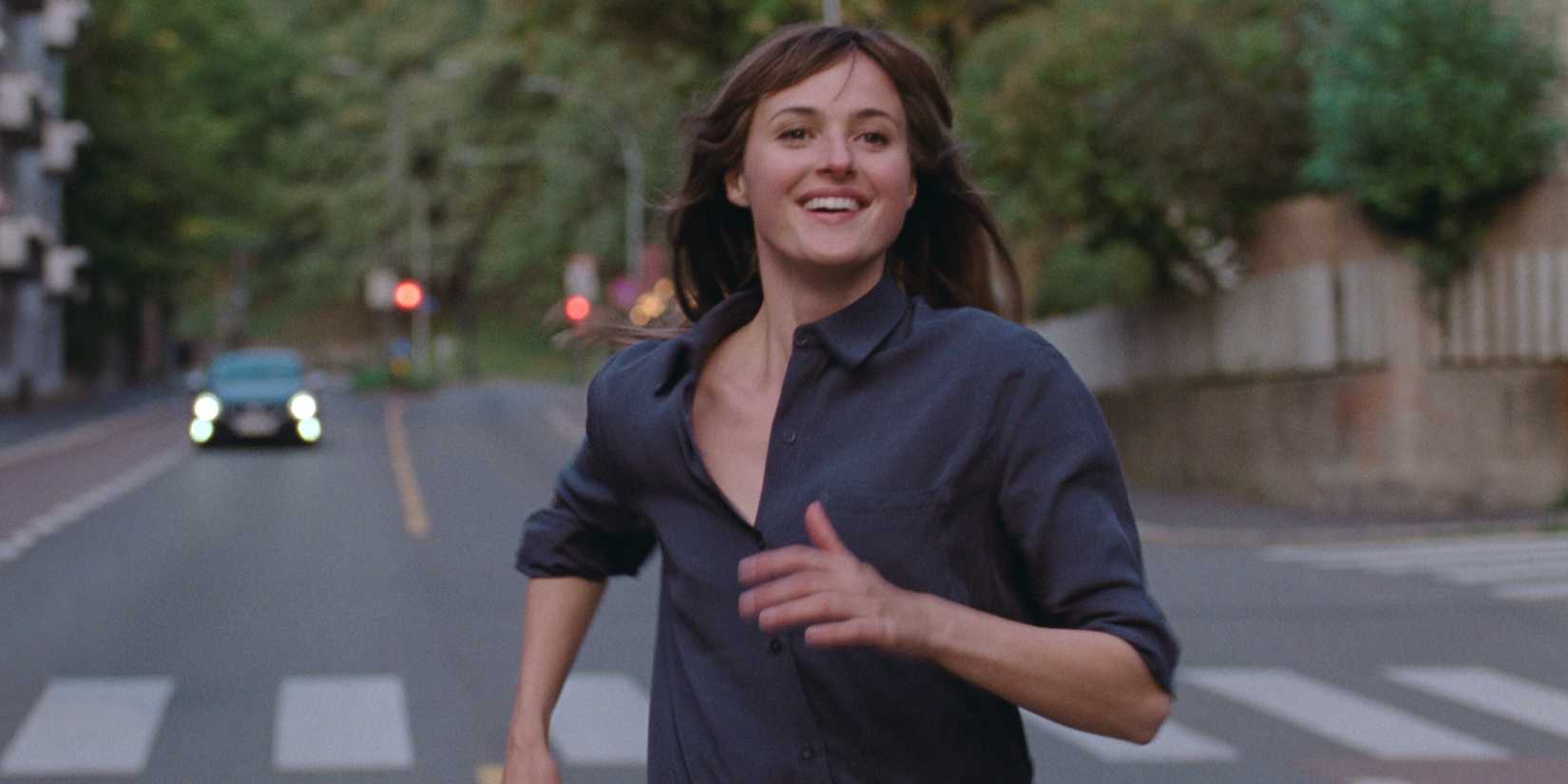
Especially in an era directly following Parasite‘s massive Academy Awards sweep, the unilateral trend that has defined 2020s film culture over previous decades is a much greater acceptance towards international film and experimental voices as a whole. The Worst Person in the World proves to be one of the best examples of such a compelling foreign language work, with the abstract Norwegian rom-com being a near-perfect exploration of the difficulties and uneasiness of young adulthood.
It would be one thing if the film simply delivered on great performances and complex, layered characters to create and emotionally rich experience, which the film certainly achieves, yet it’s all in the abstract execution that makes the film such a joy to experience again and again. From its exceptionally paced chapter structure to a wide array of compelling cinematography and abstract sequences, the film is far from a traditional romance story in its visual style, a perfect fit considering that its characters prove to be far from typical rom-com archetypes.


The Worst Person in the World
- Release Date
-
October 13, 2021
- Runtime
-
127 minutes
- Director
-
Joachim Trier
- Writers
-
Joachim Trier, Eskil Vogt
-

-
Anders Danielson Lie
Julie

You must be logged in to post a comment Login