Entertainment
6 Forgotten Thriller Shows That Have Aged Like Fine Wine

Everyone is always talking about the same handful of thriller shows — the big hits like Breaking Bad or The Sopranos that might never really fade away, and for good reason. However, if one digs a little deeper, it’s easy to see that there are plenty of other thrillers that are just as brilliant, but for some reason, didn’t have the same cultural footprint.
Sometimes it’s timing; other times, certain things don’t instantly click with the audience. That doesn’t change the fact that this genre has no shortage of shows that took major risks and, in doing so, delivered some of the most compelling stories of all time. Here are six forgotten thriller shows that have aged like fine wine, thanks to their unique premises.
1
‘Giri/Haji’ (2019)

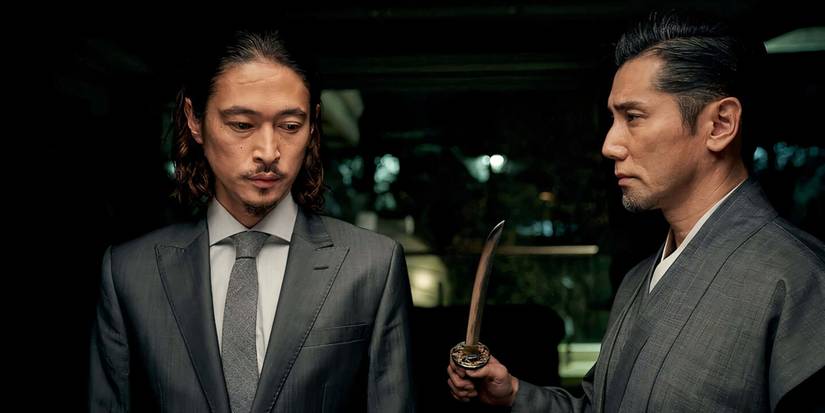
Giri/Haji is an underrated crime thriller that begins with the familiar premise of detective Kenzo Mori (Takehiro Hora) traveling from Tokyo to London to track down his brother Yuto (Yōsuke Kubozuka), who has been accused of murder. However, the manhunt quickly expands into a story that moves between the two cities, shifting timelines and perspectives to deliver a story about family and love. Kenzo’s search is less about solving a case and more about navigating the tension between his duty and personal life. As Kenzo navigates London’s gritty underworld, the show also traces back the events that led Yuto into the Yakuza.
The parallel threads constantly reframe the story in a way that gives weight to every decision Kenzo makes. At the same time, Giri/Haji also gives equal importance to its side characters, including London detective Sarah Weitzmann (Kelly Macdonald) and Rodney (Will Sharpe), whose stories intersect with Kenzo’s in the most interesting ways. Giri/Haji balances its expanding narrative with strong character work, and naturally weaves multiple storylines together without losing cohesion. This balance is what makes it one of the most emotionally intense thriller series of recent times.
2
‘24’ (2001–2010)
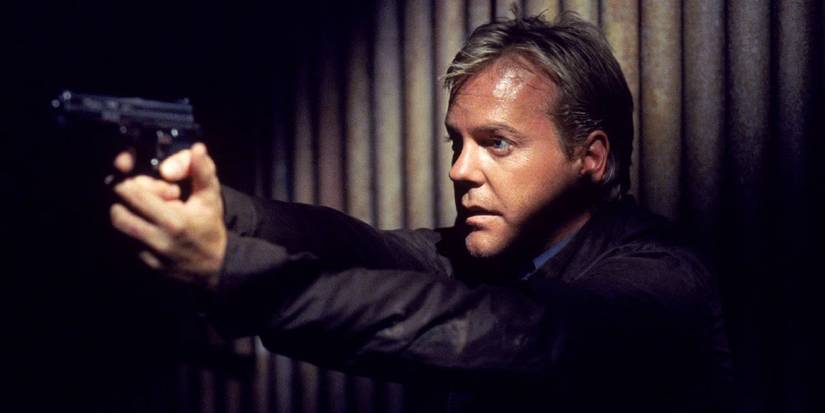
24 was a game-changing thriller back in the 2000s. The show was built around a high-concept premise that still feels ambitious today. Each season of 24 unfolds in real time over the course of a single day as counterterrorism agent Jack Bauer (Kiefer Sutherland) works to stop a major national threat. The narrative follows a classic ticking-time-bomb format and is driven by constant urgency. Jack tackles everything from assassination plots to terrorist attacks and conspiracy theories.
However, what truly stays with the audience is how the show explores the cost of those decisions. The writing consistently places him in situations with no clean solution and forces him to make choices that blur the line between right and wrong. That moral ambiguity remains the fuel of the show as each season widens the scope beyond the initial setup. 24 strikes the perfect balance between its fast-paced storytelling and a more layered approach to its narrative that ultimately keeps returning to Jack’s choices.
3
‘Person of Interest’ (2011–2016)
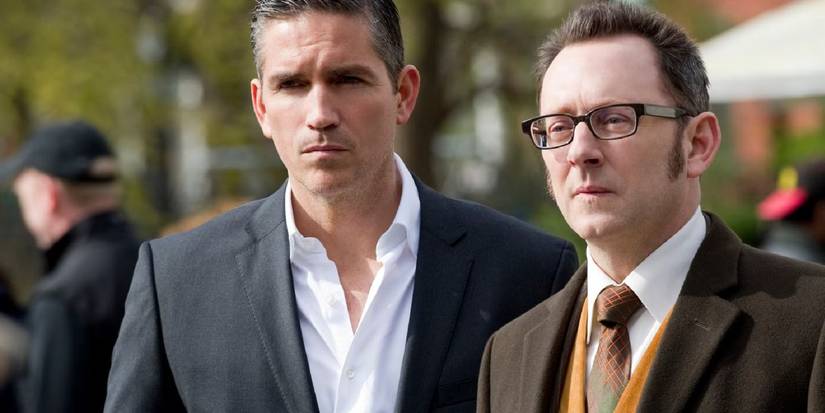
Person of Interest follows billionaire programmer Harold Finch (Michael Emerson), who has built a machine that can predict violent crimes before they happen, and recruits former CIA operative, John Reese (Jim Caviezel), to stop them. At first, the show plays out like a standard crime procedural, with Reese handling one case at a time after Finch gives him just enough information to stay ahead of the danger. However, that only lays the foundation for something much bigger.
The case-of-the-week story slowly expands into an overarching narrative about surveillance, artificial intelligence, and government corruption. Person of Interest keeps building on its original setup until the audience finds themselves immersed in a sci-fi thriller far more complex than it initially appeared to be. Most people write Person of Interest off as yet another network crime drama, but the show blends thrilling action with actual substance to tell a profound story about the systems that shape human life.
4
‘The Killing’ (2011–2014)

The Killing turns the thriller genre on its head and takes a slow-burn approach to its storytelling, but that’s exactly what makes it so chilling. The series begins with the murder of a teenage girl. However, instead of following a typical case-of-the-week structure, it stretches this investigation across an entire season, so every lead and setback can fully sink in. The story follows detectives Sarah Linden (Mireille Enos) and Stephen Holder (Joel Kinnaman) as they try to get to the bottom of the murder. At the same time, the show follows Rosie’s grieving family and a political campaign that gets entangled in the case.
As Sarah and Stephen dig deeper, the line of suspects keeps growing without ever feeling forced. The show explores how a crime like this can affect an entire community and brings Rosie’s school, her friendships, and her family life into the picture. This allows The Killing to create a sense of tension without relying on constant twists, and later seasons keep the same momentum going with new cases that feel just as grim and personal. The show has some serious staying power because it doesn’t just highlight the central murder, but also its brutal aftermath.
5
‘Tinker, Tailor, Soldier, Spy’ (1979)
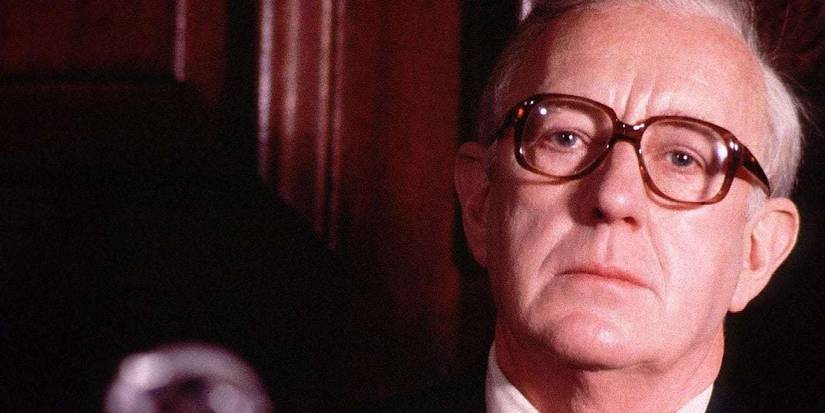
Tinker, Tailor, Soldier, Spy is a slow, deliberate spy drama that begins on a note most viewers won’t expect. The story follows veteran spymaster George Smiley (Alec Guinness), who is quietly pushed into retirement after a disastrous mission exposes the existence of a Soviet mole within the British Intelligence. However, when new evidence surfaces, Smiley is brought back in secret to investigate his former colleagues. All of a sudden, he has to question men he once trusted in this quiet, internal war.
Smiley begins by retracing the events surrounding the failed operation and starts digging into old files to make sense of the situation. The story moves across timelines to gradually reveal how deeply this mole has compromised the system. Every new character carries their own secrets, and every new twist adds a new layer of tension to the narrative. The audience is forced to patiently understand the world Smiley is operating in, where every conversation is loaded with subtext, and the line between loyalty and betrayal is never fully clear.
6
‘Columbo’ (1971–1998)

Columbo is another crime thriller that defies all expectations by revealing its central murder and the culprit at the beginning of every episode. The real appeal, then, doesn’t lie in finding out the killer’s identity, but in watching Lieutenant Columbo (Peter Falk) slowly working his way to solve the crime. By removing the whodunit element, Columbo focuses on its characters and the psychological tension that comes from watching the protagonist dismantle the very idea of the perfect crime piece by piece.
Most of the killers in the show are individuals who truly believe that they have gotten away, but once Columbo enters the picture, the story shifts into a cat-and-mouse game, with the suspects having no idea that the detective knows far more than he lets on. Even though the formula of Columbo stays largely similar, the psychology behind each crime keeps things fresh. Of course, none of it works without Falk, who wholly embodies his character’s charm and wit. The show proves that sometimes, it’s fun to be in on the big reveal.
You must be logged in to post a comment Login