Entertainment
6 HBO Shows That Are Far Better Than Their Reputation Suggests

The weight of expectation hangs heavy over any HBO television production. Audience anticipation of a spectacle of unflinching storytelling and high-end production value is ever present, but this air of prestige and acclaim can be treacherous, especially when a series pivots away from tradition in an attempt to offer something completely original. While HBO has founded its brand on the back of series that excel in this regard, the network has also produced a number of hidden and misunderstood gems that simply didn’t click with viewers on release.
This can be for any number of reasons, from the first handful of episodes of a show being considered relentlessly bleak, thus seeing the series become known as a morbid and nihilistic slog, to detailed and intricately complex storytelling being received as incomprehensible by many who then label the show a convoluted mess. Whether they were misunderstood by the masses, maligned by critics, or dismissed by too many, these TV series should all be viewed as being among the network’s greatest releases, but they seldom are.
6
‘We Own This City’ (2022)


Created by David Simon and George Pelecanos—two of the forces behind HBO’s The Wire—and based on Justin Fenton’s nonfiction book of the same name, We Own This City uses a shocking basis on real-life events to analyze corruption in the police system, the bureaucratic and cultural reasons why it is so hard to punish, and the intensifying divide between essential societal institutions and the public they are meant to serve. Framed as the FBI’s investigation into the illegal practices of the Baltimore Police Department’s Gun Trace Task Force, the six-part miniseries implements intense non-linear plotting that jumps sporadically between points between 2003 and 2018.
It is undeniably an approach that demands attentive viewing from audiences, but We Own This City was too quickly dubbed a convoluted and heavy-handed crime drama that veered away from the tone of David Simon’s earlier work in the genre. This reputation of excessive complexity and overbearing thematic work has endured to an extent, seeing the miniseries become something of a forgotten masterpiece when its piercing urgency and eloquent dissection of such relevant issues is timely. Brilliantly analytical, masterfully layered, and exuding a realism and intensity that is truly unforgettable, We Own This City is leagues better than its reputation of clunkiness would suggest.
5
‘Tokyo Vice’ (2022–2024)


To some extent, Tokyo Vice was shrouded in controversy and dismissed by many long before its first episode had even aired. There were multiple reasons for this, from the casting of Ansel Elgort in the lead role to the dubious accuracy of Jake Adelstein’s memoir, which was the series’ source material, and even the decision to explore the Japanese underworld through an American protagonist. To be fair, all of these criticisms are valid, and the series was not at all helped by HBO’s suspiciously low-key marketing campaign and abrupt cancelation after its second season. But is Tokyo Vice’s reputation as a hollow “White savior” narrative entirely fair?
The answer to that question is yes and no. When the series focuses on Elgort’s American journalist, it lacks essence and punch. However, when it pivots away from him and invests more in the characters that surround him, such as Ken Watanabe’s Detective Katagiri and Sho Kasamatsu’s Yakuza enforcer, it soars as a rich and engrossing descent into a fascinating world of neon-lit style and cut-throat morality. Also bolstered by Michael Mann’s creative involvement, Tokyo Vice does largely surpass its uninspiring reputation, even if it still holds its fair share of faults.
4
‘Entourage’ (2004–2011)

There was a time when Entourage was lauded as being the flagship series of HBO’s ventures into comedy television. But times change, and with them, so too do cultural sensitivities, attitudes, and interests. This point of evolving social standards is always difficult to address with regard to comedy entertainment, and Entourage is simply another once universally beloved genre highlight that has since come to be viewed as archaic, derogatory, and tastelessly offensive. To a point, the matter of whether this view is a valid criticism or a knee-jerk overreaction is up to each individual, but there are several elements of the series that its critics overlook.
It follows Vincent Chase (Adrian Grenier), a young breakout movie star relishing his new life of luxury and wealth in L.A. with his childhood friends. It is easy to regard as a shallow male fantasy that combines its crude irreverence with casual misogyny, but there is a point to be made that Entourage never treats its main characters as beacons of morality. While they’re fun and relatable, they are marked with a satirical edge rather than idolized glory. It may not pry into the characters’ adolescent wish-fulfillment lifestyles with quite as much depth as some would like, and its sense of escapist entertainment can, at times, stray close to casual endorsement, but Entourage has enough sense as an insider-look of Hollywood lavishness to mostly evade its reflective reputation as a harmful, outdated, and demeaning series, even if its eight-season run did get a bit long in the tooth.
3
‘Station Eleven’ (2021)
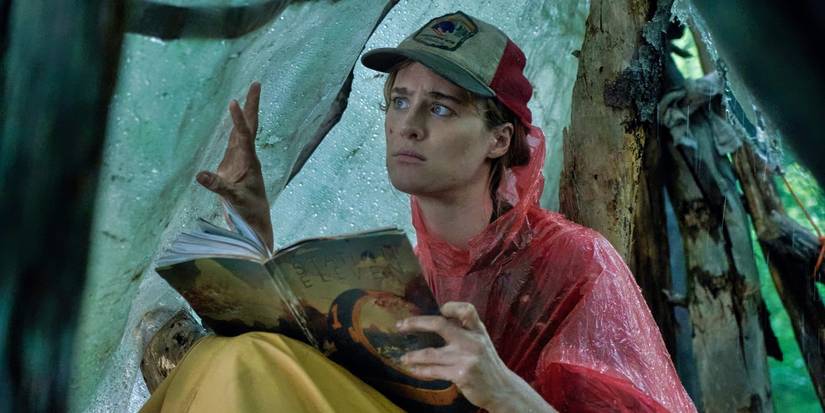
Over the past 15 years particularly, television lovers have been given a set vision of the end of the world. It doesn’t matter whether it’s due to zombies, humanity-decimating viruses, or nuclear war, post-apocalyptic drama is supposed to be bleak pessimism accentuated by glimmers of hope and, ideally, plenty of action. Station Eleven indulges none of this, with the miniseries adaptation of Emily St. John Mandel’s novel occupying an air of optimism and humanity as it follows a group of traveling actors roaming between settlements 20 years after a devastating flu virus decimated civilization.
An important point to make regarding Station Eleven’s initial reception is that it did air in 2021, amid the world of COVID-19, which perhaps didn’t make a story of deadly flus and hopeful Armageddons all that appealing. Moronic review bombing targeting the series’ diverse casting only added to its fledgling reputation. It was an unfortunate perfect storm that saw what is a beautifully tender and profoundly emotional exploration of humanity dwindle in the eyes of many as an uneventful misfire of apocalyptic suspense. That being said, Station Eleven did earn critical acclaim and has come to be viewed as something of a television cult classic.
2
‘Generation Kill’ (2007)
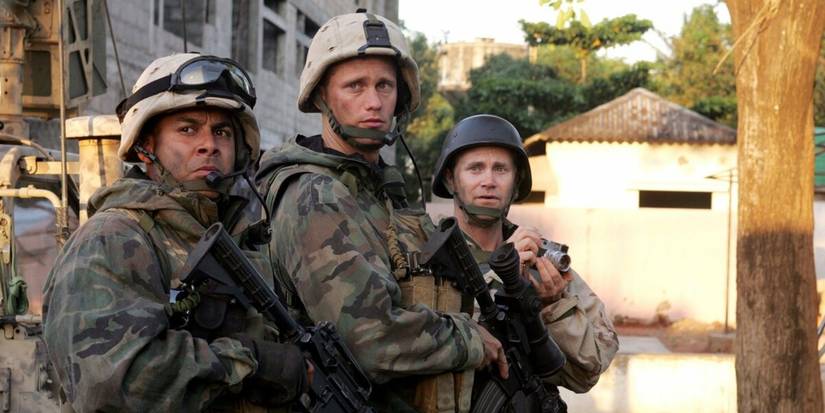
HBO has mastered large-scale war drama through miniseries like Band of Brothers and The Pacific, both of which were defined by the enormity of their productions and the sentimental humanity that serves as a tragic undercurrent to the sheer brutality of war. Generation Kill operates much differently, and anyone who went into it expecting the same balance of grandiose, albeit harrowing, spectacle and relatively comfortable morality would have had their expectations immediately shattered. Based on Evan Wright’s nonfiction book, the seven-part miniseries delivers an unflinching dramatization of the US Marine Corps’ 1st Reconnaissance Battalion, immersing viewers in the soldiers’ experiences during the first weeks of the Iraq War.
Defined by a tone of coarse realism, Generation Kill defies Hollywood’s penchant for realizing war drama with patriotic fervor and comfortable moral challenges. Even the unit camaraderie is presented with an acidic, darkly comic edge that normalizes the characters, but distances them from the traditional image of war heroism. Also buoyed by its authentic illustration of dysfunctional leadership, military bureaucracy, and the frustrating monotony of a soldier’s journey, Generation Kill is the definitive examination of modern warfare in media thus far. It’s a shame that it has come to be a largely underappreciated gem that is more renowned for its slow pacing, modest budget, bleak themes, and its less reassuring image of America’s armed forces than its dramatic ferocity and punishing commitment to realism.
1
‘The Leftovers’ (2014–2017)
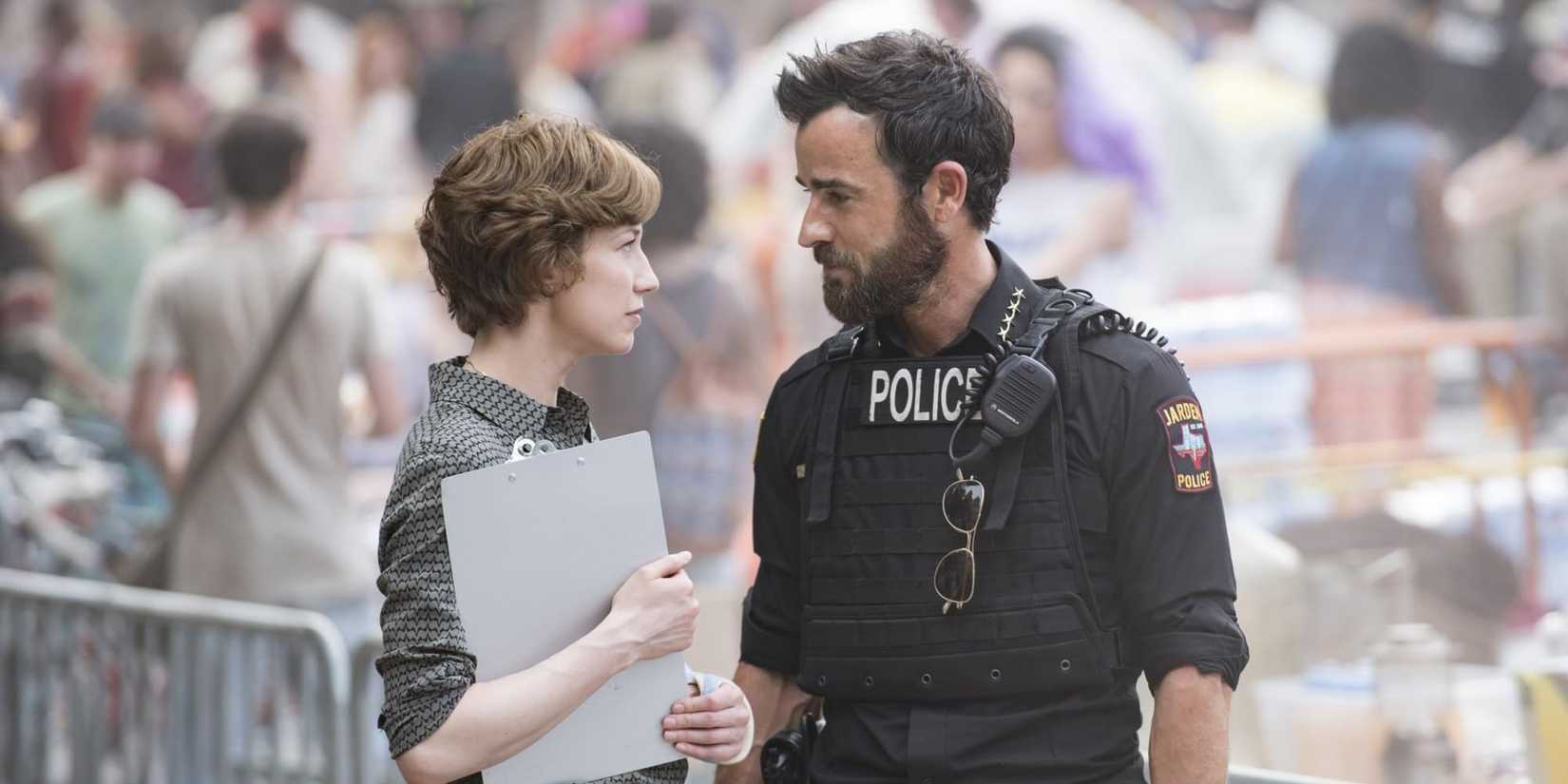
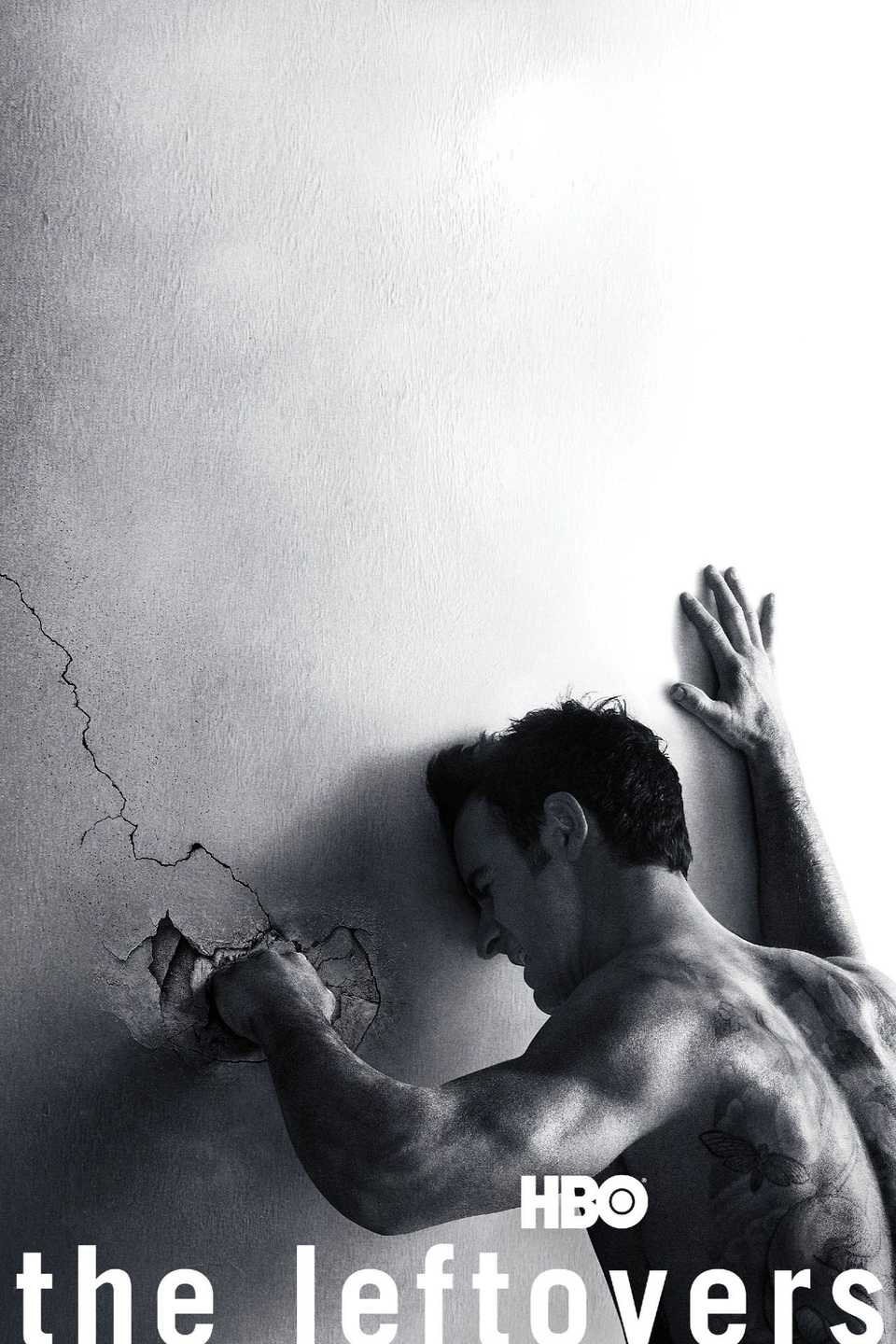
The Leftovers is perhaps HBO’s single most underrated production of all time. The three-season series unfolds in a world of grief, loss, and unresolved trauma. On October 14, 2011, two percent of the world’s population mysteriously vanished without a trace in an event that is known as the “Sudden Departure”. The show opens three years later, plunging viewers into a world of unedifying grief and depression, festering nihilism, and simmering unrest between people who believe humanity must never forget the “Sudden Departure” and those who simply want to move on with their lives.
It is an interesting series to analyze in terms of its cultural impact and reputation. Its narrative style isn’t so much plot-driven as it is a lingering meditation on characters, thematic ideas, and expressions of misery. Needless to say, it is a departure from traditional television storytelling that can take some time to acclimatize to. However, many viewers didn’t, and instead of persisting, they wrongly dismissed the series as a relentlessly pessimistic and depressing watch that refuses to give satisfying, easy answers. It has led to something of a split reputation wherein some people deride it as a laborious, soul-sapping bore while others herald it as being one of the greatest feats in television history. That The Leftovers is viewed as anything other than a flawlessly written, perfectly performed, and ceaselessly absorbing masterpiece that epitomizes deep television drama at its empathetic and excruciating best is an injustice.

The Leftovers
- Release Date
-
2014 – 2017-00-00
- Showrunner
-
Damon Lindelof
- Writers
-
Damon Lindelof, Tom Perrotta
You must be logged in to post a comment Login