Entertainment
6 Most Perfect Miniseries Released Since 2010, Ranked

Four of these six are based on real events, actual court cases, disasters, people who had to live through what’s on screen, and that adds a kind of pressure most fiction never really has to deal with. Get it wrong and you’re not just making bad television, you’re distorting someone’s actual life or death.
All six handled that pressure carefully, no matter if the story was true or not. Nothing here rushes toward a tidy ending just because six or eight episodes were the contract, and that patience is exactly what makes the word “perfect” fit. These miniseries were loved and cherished for years, and for all the right reasons.
6
‘The Night Of’ (2016)

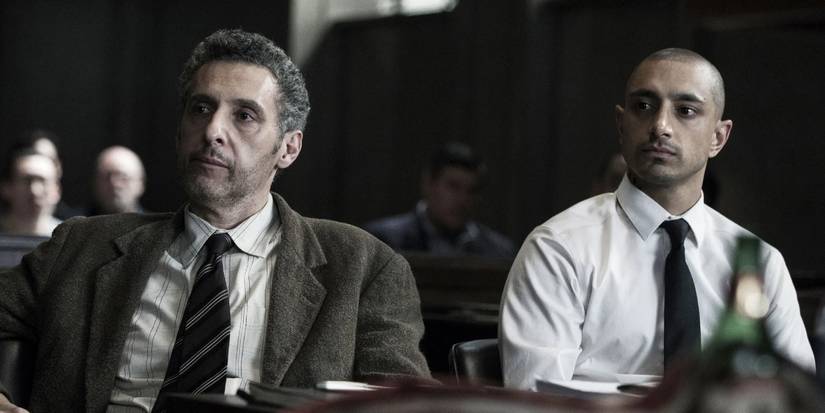
James Gandolfini was originally set to play the scruffy, eczema-covered lawyer defending Naz (Riz Ahmed), and the role passed to John Turturro only after Gandolfini passed away before filming began. The show is loosely reworked from a British series called Criminal Justice, though the American version slows everything down and stretches the story out much further. The entire first episode covers just one night, the night of the murder itself, and it takes the full hour before anyone even gets arrested.
Turturro’s makeup for the character’s eczema took hours to apply every single shooting day, and the show treats that physical detail as seriously as any plot point, a small, constant reminder of how exhausted this lawyer actually is. Naz ends up adopting a stray cat while inside Rikers, and that relationship becomes one of the clearest signs of how much prison has already changed him by the time the trial starts. The show never confirms whether Naz actually committed the murder, and that is kind of the best part.
5
‘I May Destroy You’ (2020)
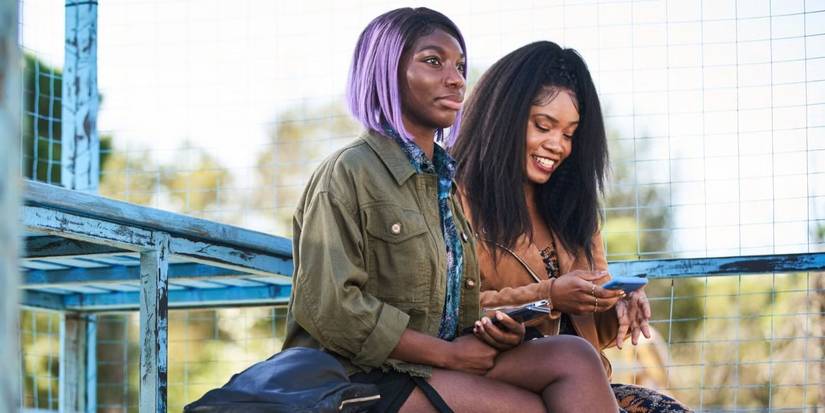
Michaela Coel reportedly turned down a seven-figure deal from Netflix specifically because the offer would’ve taken away her ownership of the show, and she took a smaller deal with BBC and HBO just to keep creative control. The show has Arabella (Coel) piecing her memory of the assault back together in fragments across the season, revealing those fragments out of order, matching how trauma actually resurfaces.
Terry (Weruche Opia) and Kwame (Paapa Essiedu), on the other hand, each go through their own separate experiences. The show also explores a condom removal scene and a confusing same-sex encounter as their own forms of violation, expanding what the whole series is actually about. Coel cast mostly unknown actors, which keeps the whole thing looking like something genuinely lived in. In the end, the show plays out several different imagined confrontations with Arabella’s attacker so you have different versions of how it ends.
4
‘Unbelievable’ (2019)
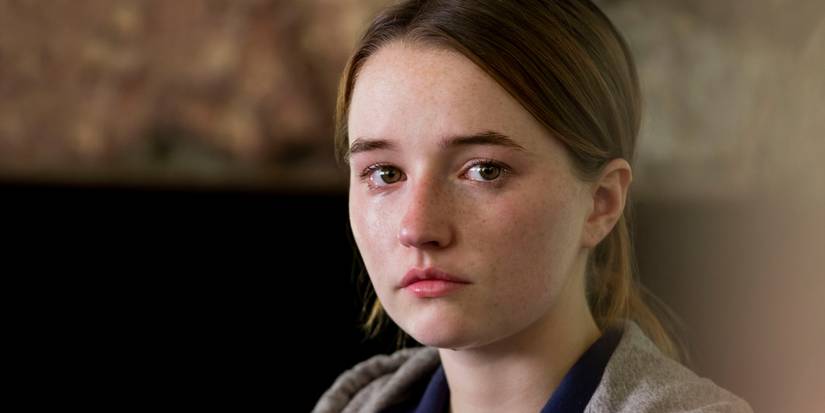
This is based on a Pulitzer Prize-winning piece of journalism, “An Unbelievable Story of Rape,” co-written by T. Christian Miller and Ken Armstrong after years of actual reporting. Marie (Kaitlyn Dever), based on a real survivor whose name was changed for her protection, gets pressured by police into recanting her own report and then charged for filing a false one. The show deliberately avoids showing her assault in any graphic detail, choosing to focus almost entirely on how she gets treated afterward.
Detective Duvall (Merritt Wever) and Detective Rasmussen (Toni Collette) pick up a similar case years later in a different state, and their careful, patient interviewing style gets shown in direct contrast to how badly Marie’s original case was handled. The real detectives who worked the actual case consulted on the show, which explains how procedurally accurate the investigation scenes actually are.
3
‘When They See Us’ (2019)
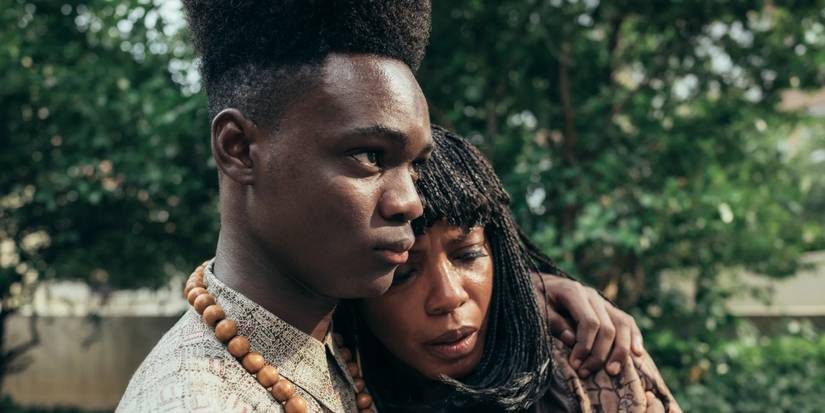
Donald Trump took out full-page newspaper ads in 1989 calling for the death penalty against the five teenagers at the center of this case, and the show includes those actual ads as part of the historical record it’s working from. The real men, now known as the Exonerated Five, served as consultants on the project. Ava DuVernay funded much of the project through Netflix after other studios passed on it, unwilling to take on a story this politically direct.
The show splits into four distinct chapters, the arrest, the trial, the years actually spent in prison, and life after release, giving each stage its own story. Jharrel Jerome plays Korey at every age from sixteen through adulthood, since Korey was the only one tried and sentenced as an adult, and that single performance does more heavy lifting than almost anything else in the series. The show doesn’t soften what happened to any of them after their release either, and it makes sure you feel every single emotion of what was actually taken from them.
2
‘The Queen’s Gambit’ (2020)

Former world chess champion Garry Kasparov helped design every match shown in this series, making sure each game followed real, legitimate chess strategy. Chess consultant Bruce Pandolfini, who also advised on the original 1983 novel the show is based on, worked directly with Anya Taylor-Joy to help her memorize actual board positions and notation. The novel’s author, Walter Tevis, also wrote The Hustler and The Man Who Fell to Earth, and all three stories share a similar fascination with obsessive, self-destructive genius.
Despite becoming one of the most-watched limited series Netflix had ever released at the time, the creators never developed a second season, treating the story as complete exactly as written. Beth’s addiction is treated with complexity throughout, and it does not ever become the show’s only point, which is rarer in stories about genius than it probably should be. The costume and set design track her growing confidence almost as closely as her chess record does, getting sharper and more controlled with every match she wins.
1
‘Chernobyl’ (2019)
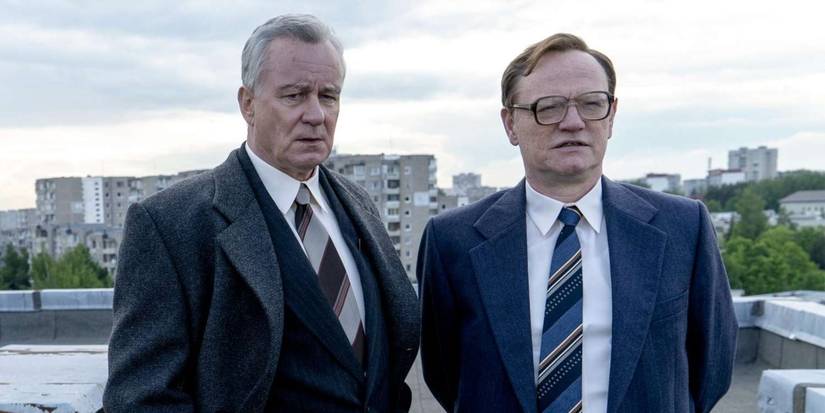
People reportedly gathered on a nearby railway bridge to watch the reactor burn the night of the actual disaster, drawn by the strange blue glow in the sky, and most of them are believed to have died from radiation exposure in the years after. The show was filmed largely inside a real decommissioned Soviet nuclear plant in Lithuania, built to the same design specifications as the actual Chernobyl reactor, which gives every hallway and control room a disturbing sense of accuracy.
The sound design team used recordings pulled from actual Geiger counters throughout the show, as they layer that specific crackle under scenes where the danger isn’t visible on screen at all. Each episode ends with a short written epilogue explaining what really happened to the people involved, and the true final death toll from the disaster is still disputed by scientists and historians today. Craig Mazin researched the disaster for years before writing a single line of the script, and that depth of research shows just how specific and procedural the entire series is.

You must be logged in to post a comment Login