Entertainment
6 Movie Masterpieces That Brought an Entire Genre Back to Life

Since the early days of cinema, film genres have risen and fallen in popularity as audience tastes and industry trends change, but every once in a while, there is a certain movie that manages to breathe new life into a genre thought to be long gone and forgotten. In fairness, there have been an abundance of movies that have contributed to the comeback of a genre. However, there are only a handful of hits, like Chinatown starring Jack Nicholson and Steven Spielberg‘s Jaws, that have single-handedly brought an entire genre back into the limelight.
Films like Francis Ford Coppola‘s The Godfather and Clint Eastwood‘s Unforgiven are among the few that have successfully attracted new audiences and renewed interest in their respective genres through a combination of innovative storytelling, modern filmmaking techniques, and fresh perspectives. From revitalizing musicals and creature features to bringing back westerns and science fiction, these are six landmark movies that demonstrate how a single successful film can reshape the cinematic landscape and spark a resurgence of an entire genre, making them masterpieces in their own right.
‘Jaws’ (1975)


Most people recognize Jaws for creating the summer blockbuster, but the 1975 thriller also revitalized audiences’ interest in monster movies. Known as a subgenre of horror and science-fiction, monster movies were originally introduced during the 1930s with iconic films such as Dracula, Frankenstein, and King Kong, and paved the way for future international hits, notably Godzilla, King of the Monsters!, which left a lasting impression on a young Spielberg. By the 1960s, the creature features had started to lose their momentum and were eventually viewed as B-list movies with low budgets.
Even though studios continued to crank out monster movies, nothing brought the spark back to the subgenre until Jaws swam into theaters, terrifying audiences in ways they had never experienced before at the movies. The key to the thrills of Jaws is the now-legendary score by John Williams and how viewers never see the massive man-eating great white shark in all its glory until mid-way through the film, resulting in one of the most shocking reveals in monster movie history. The overwhelming success of Jaws not only skyrocketed Spielberg’s career, but it also inspired a trend of hit creature features such as Ridley Scott‘s Alien, John Carpenter‘s The Thing, and another Spielberg classic, Jurassic Park, which, at one point, was the highest-grossing movie of all time.
‘Chicago’ (2002)


During the late 1920s, the innovation of sound introduced the era of the Talkies, which brought a slew of new possibilities in filmmaking and genres, including the movie musical. The genre was essentially established by lavish productions such as Footlight Parade and Gold Diggers of 1933 and popularized by stars like Fred Astaire, Ginger Rogers, Judy Garland, and Gene Kelly during the 1940s and 1950s. While the movie musical was still going strong in the 1960s, its shift into mainly adapting stage shows, including West Side Story, My Fair Lady, and The Sound of Music, proved to be successful, giving the genre a second wind at the box office that lasted until the 1980s.
By the 1990s, the movie musical primarily carried on in Walt Disney Studios‘ animated features like The Little Mermaid and Beauty and the Beast, but in 2002, the genre made a massive comeback to the big screen with the adaptation of the hit 1975 Broadway show, Chicago, starring Catherine Zeta-Jones and Renée Zellweger. The movie earned rave reviews from both audiences and critics and went on to win six of its Oscar nominations, notably for Best Picture and Best Supporting Actress. The success of Chicago resulted in a wave of more adaptations of popular shows and remakes such as The Phantom of the Opera, Rent, and Dreamgirls, ultimately creating a new generation of movie musical fans.
‘Star Wars: Episode IV- A New Hope’ (1977)
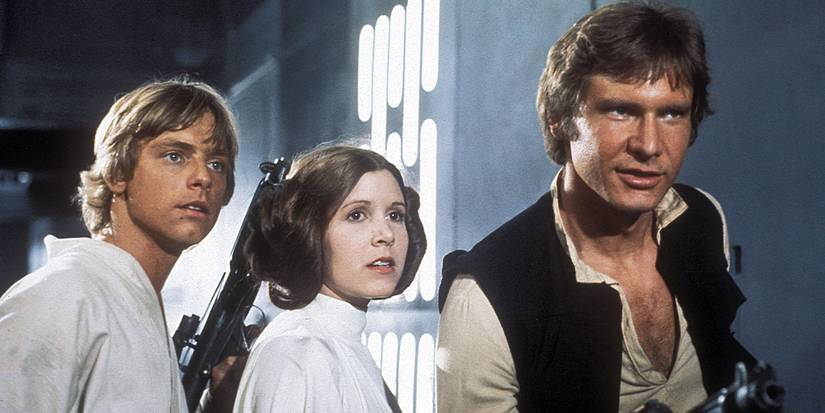
- Luke, Leia, and Han Solo posing in a hallway in the original Star Wars
The science fiction genre dates back to the silent era, starting with Georges Méliès‘ A Trip to the Moon, followed by Frtiz Lang‘s groundbreaking feature film, Metropolis in 1927. Between the 1930s and 1950s, the majority of science fiction movies were low-budget B-movies but in 1968, Stanley Kubrick dazzled audiences with his classic 2001: A Space Odyssey, which led to many taking the sci-fi genre more seriously. While many credit Kubrick for reviving the genre, the immense success and popularity of George Lucas‘ iconic movie Star Wars: Episode IV- A New Hope, led to a cultural trend of big-budget sci-fi flicks with heavy special effects.
Star Wars, which remains to be a perfect sci fi classic today, was a surprise hit that earned rave reviews from critics, notably Roger Ebert, who gave the movie four out of four stars, calling it a technical watershed that went on to influence an array of future films. Star Wars, along with Close Encounters of the Third Kind, were two major box office hits that brought about a huge increase in a variety of science-fiction movies throughout the 1970s and 1980s, such as Star Trek: The Motion Picture, Blade Runner, and James Cameron‘s The Terminator, as well as more family-friendly films including Disney’s The Black Hole, Honey, I Shrunk the Kids, and Spielberg’s E.T. the Extra-Terrestrial.
‘Unforgiven’ (1992)
The arrival of the Western genre came in 1903 with the silent film, The Great Train Robbery, and it continued to gain momentum throughout the silent era and eventually thrived during the Talkies with films such as Stagecoach, High Noon, and The Searchers, and evolved in the 1960s with spaghetti Westerns like Sergio Leone‘s Dollars trilogy starring Clint Eastwood. By the 1970s, the genre had started to die down but Eastwood, who is a Western icon in his own right, essentially revitalized the genre for mainstream audiences in 1992 with his Oscar-winning classic, Unforgiven.
While some claim that Dances with Wolves brought back the audience’s interest in Westerns, Eastwood is a Western legend and appealed to a wider audience who were familiar with his extensive and innovative work in the genre. Unforgiven also features a string of exceptional performances, notably Gene Hackman, who steals the show with his portrayal of the ruthless sheriff, Little Bill Daggett. Eastwood’s dark and raw depiction of the Wild West not only popularized the revisionist Western and established the neo-Western genre, but also led to a wave of modern Westerns, including Tombstone and Desperado, as well as later hits like Open Range, The Assassination of Jesse James by the Coward Robert Ford, and the remake of the 1957 Western, 3:10 to Yuma.
‘Chinatown’ (1974)
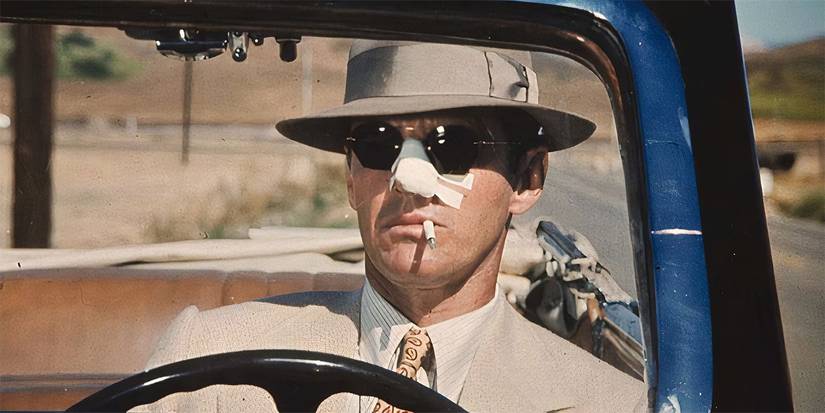
Classic film noir was one of the most popular film genres of Hollywood’s Golden Age that reached its peak during the 1940s and 1950s with classics such as John Huston‘s The Maltese Falcon starring Humphrey Bogart, Billy Wilder‘s Double Indemnity, and Out of the Past starring Robert Mitchum, before eventually fading from the big screen by the late 1960s. While it wasn’t an exact revival, Chinatown did bring back the noir genre as the neo-noir genre which embodies all the traditional tropes and elements of the genre but with a modernized twist to appeal to a new generation of movie-goers.
The movie itself is a throwback to the classic film noir genre with its story of a private eye becoming entangled in a cryptic mystery and its authentic portrayal of Los Angeles during the 1930s. The movie earned eleven Academy Award nominations, winning only for Best Original Screenplay, but despite its lack of wins, Chinatown still took the industry by storm and set the first stepping stone in the rise of the neo-noir genre. After the landmark success of Chinatown, other iconic neo-noirs such as Night Moves, Martin Scorsese‘s Taxi Driver, and The French Connection followed suit, leading to a movement of notable neo-noirs being released during the 1980s and 1990s, notably Body Heat, David Lynch‘s Blue Velvet, and L.A. Confidential.
‘The Godfather’ (1972)

The gangster movie is another film genre that dates back to the early days of cinema and rose to stardom with classics such as The Public Enemy, Angels with Dirty Faces, and Little Caesar. Almost all the original gangster movies focused on a tough guy or mobster in some form of organized crime who, in the end, learns that a life of crime comes at a hefty price, and rarely went beyond the surface of the action and spectacle. The genre maintained a steady run throughout Hollywood’s Golden Age, but in 1972, Francis Ford Coppola redefined and revitalized the genre with his Academy-Award winning adaptation of Mario Puzo‘s best-selling novel, The Godfather.
Unlike earlier gangster movies, The Godfather gave an in-depth look at why many choose a life of crime, exposing the harsh realities of racism and discrimination that essentially left people with no other option to survive and provide for their families. Coppola didn’t downplay the negatives of organized crime, but he also didn’t glorify it. Instead, he revealed an authentic and heavy story through the perspective of a family man, hence why The Godfather resonated with the average movie-goer on such a deeper level than other gangster films. The Godfather essentially marked the return of the gangster genre, which flourished well into the 1980s and 1990s with modern hits like Brian De Palma‘s remake of the 1932 classic, Scarface, Goodfellas, and Donnie Brasco.

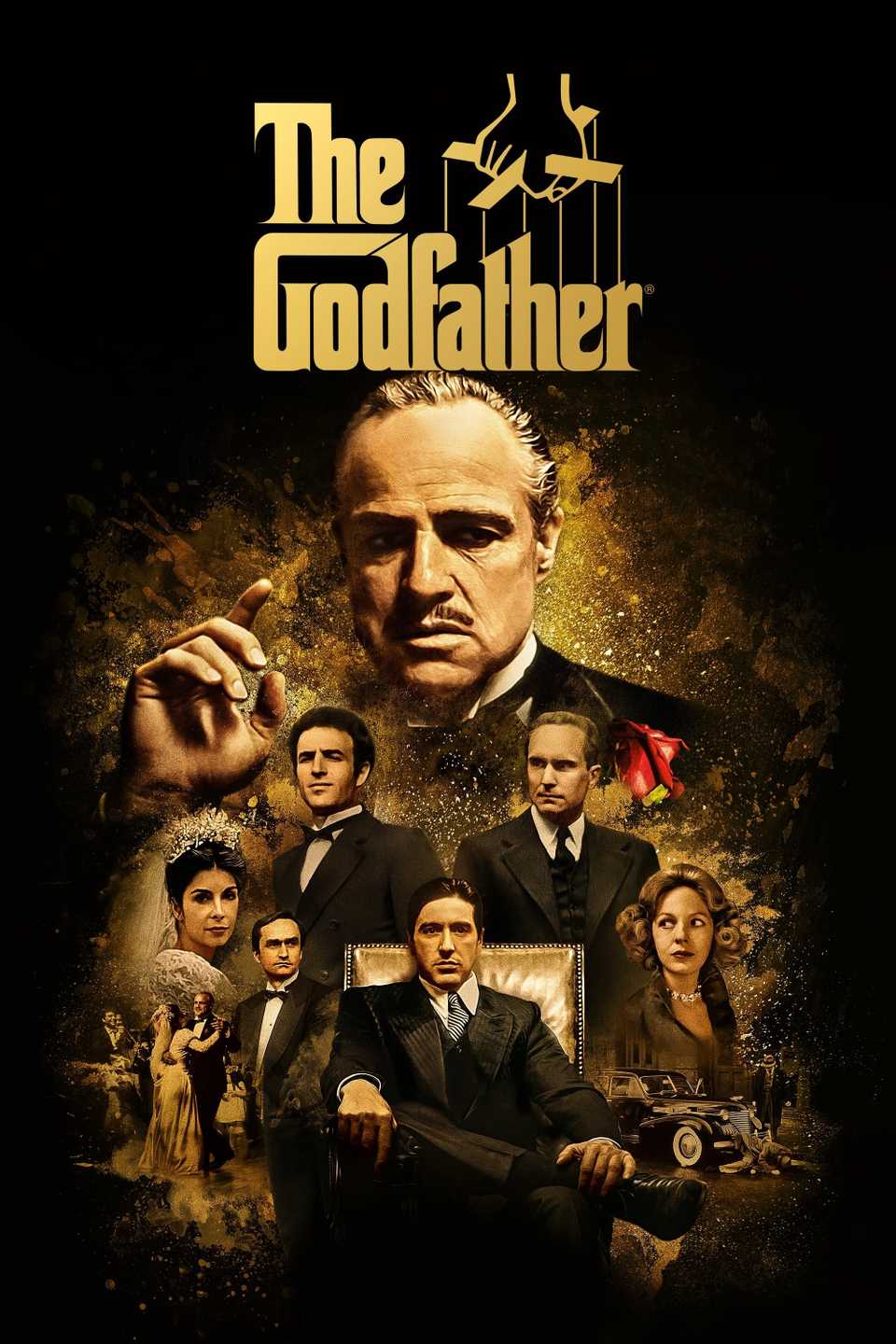
The Godfather
- Release Date
-
March 24, 1972
- Runtime
-
175 minutes
- Director
-
Francis Ford Coppola
- Writers
-
Mario Puzo, Francis Ford Coppola
You must be logged in to post a comment Login