Entertainment
6 Near-Perfect Horror Shows That No One Remembers Today

Over the last decade, horror television has become more mainstream. It feels like streaming platforms are always releasing new supernatural and psychological thrillers. However, that level of saturation has also created a strange problem where absolutely brilliant horror is often excluded from mainstream conversations. Horror has also always been a subjective genre. What terrifies one person might not affect someone else at all.
That’s exactly why massive popularity doesn’t always define the quality of a horror story. In fact, some of the greatest horror shows ever made were either misunderstood during their original run, released too early for audiences to fully appreciate, or just failed to reach the right viewers at the right time. This is a list of such near-perfect horror shows that pushed the genre to its limits, but no one remembers today.
‘American Gothic’ (1995–1996)


American Gothic is one of the greatest horror shows most people don’t even know about, which is honestly a shame considering just how ahead of its time it was. The series takes place in the small South Carolina town of Trinity and follows young Caleb Temple (Lucas Black), who is caught in a battle between good and evil after a horrific family tragedy leaves him orphaned. The story also includes the charming Sheriff Lucas Buck (Gary Cole), who seems to control the entire town through manipulation, fear, and supernatural influence. The more Caleb learns about Buck, the more disturbing things become, especially once it’s revealed that the sheriff has a deeply personal interest in the boy and may even be his biological father.
That premise is enough to hook just about anyone in, but the best part about American Gothic is how subtle and psychological its horror felt. The series never relied heavily on gore or cheap jump scares. Instead, the fear came from Buck himself because of how Cole plays the character with this unsettling sense of menace that’s impossible to look away from. Buck rarely acts openly evil. Many modern prestige horror shows clearly draw inspiration from American Gothic‘s themes of religion and family trauma. Unfortunately, the series rarely gets the credit it deserves because of CBS’ mishandling, which included airing episodes out of order and constantly changing time slots. Even then, though, American Horror developed a passionate cult following because the audience recognized how unique the show really was.
‘Channel Zero’ (2016–2018)

Channel Zero is a horror anthology that deserves way more recognition than it gets. The Syfy series, created by Nick Antosca, adapts a different creepypasta into a self-contained nightmare each season. That alone gave the show a unique identity because it was pulled from internet horror in a way that felt fresh, strange, and truly unsettling. Channel Zero Season 1, titled Candle Cove, follows a child psychologist who returns to his hometown and discovers that a disturbing children’s puppet show may be connected to old disappearances. Season 2, No-End House, follows a group of friends visiting a sinister house of horrors, while Season 3, Butcher’s Block, and Season 4, The Dream Door, push the series into even more grotesque and otherworldly territory.
What made Channel Zero so effective was how seriously it treated its bizarre ideas. The stories it told could have easily felt ridiculous and campy in the wrong hands. However, the show leans into a slow-burning sense of dread with eerie visuals and an uncomfortable atmosphere. The horror comes from the fact that the characters only understand the rules of their world when it’s already too late. The anthology format also helped the show stay fresh. Each season had its own tone, mythology, and visual identity, but all of them shared the same unsettling dream logic. That variety is exactly why horror fans still talk about Channel Zero even though it ended way too soon.
‘Penny Dreadful’ (2014–2016)
Penny Dreadful is another horror show with a premise that still feels one-of-a-kind. The series takes place in Victorian London and brings together some of the most iconic figures from Gothic literature, including Victor Frankenstein (Harry Treadaway), Dorian Gray (Reeve Carney), Dracula (Christian Camargo), and other familiar monsters from 19th-century horror fiction. On paper, that could have easily turned into a messy crossover gimmick, but Penny Dreadful gives these characters genuine depth. The story begins with explorer Malcolm Murray (Timothy Dalton) and the mysterious Vanessa Ives (Eva Green) hiring American gunslinger Ethan Chandler (Josh Hartnett) to help rescue Murray’s daughter from a supernatural threat.
From there, the show slowly introduces vampirism, witchcraft, monsters, demons, and all kinds of horrific terrors. However, the spectacle of it all never overpowers the emotional core of the story. Every major character feels haunted by something, which gives the horror a tragic intensity that most shows in the genre can’t even aim for. The series also deserves credit for its costumes, sets, music, and gloomy Victorian atmosphere, which make almost every scene feel like a Gothic painting brought to life. Penny Dreadful is the perfect mix of classic literary horror with layered character drama, and it deserves to be remembered as one of the greatest shows of the 2010s.
‘Hemlock Grove’ (2013–2015)

The best way to describe Hemlock Grove is strange, but that’s not necessarily a bad thing. The series, produced by Eli Roth and based on Brian McGreevy‘s novel, is extremely addictive once the audience is immersed in its dark world. The story takes place in a Pennsylvania town filled with old money, corruption, and dark supernatural secrets. Hemlock Grove follows Peter Rumancek (Landon Liboiron), a mysterious teenager rumored to be a werewolf, who forms an unlikely friendship with Roman Godfrey (Bill Skarsgård), the eccentric heir to the wealthiest family in town.
After a series of brutal killings begins terrorizing Hemlock Grove, the two start investigating the mystery while slowly uncovering horrifying truths about themselves and the town around them. The premise isn’t exactly groundbreaking, but the show’s dreamlike atmosphere sets it apart from other supernatural shows. Hemlock Grove fully commits to its madness and psychological horror instead of trying to play it safe. That unpredictability is exactly why so many viewers became obsessed with it despite its flaws. Skarsgård and Liboiron make for an interesting on-screen duo, and their dynamic grounds the show’s over-the-top storylines with something that feels surprisingly human. Despite its flaws, Hemlock Grove remains one of the most fascinating horror series of all time and deserves credit for all the risks it took.
‘Masters of Horror’ (2005–2007)
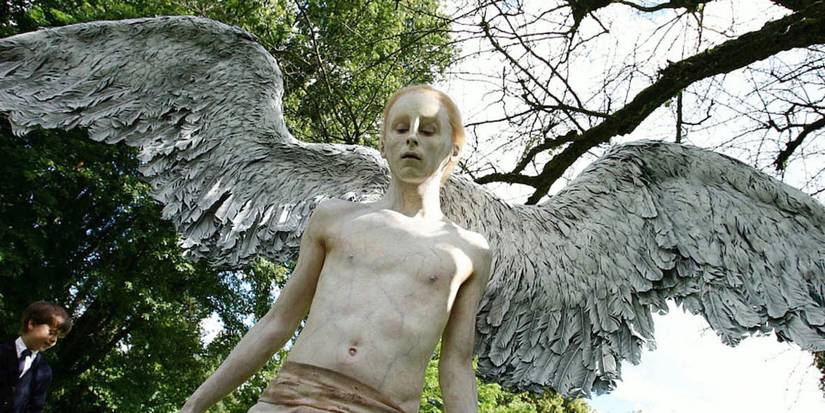
Masters of Horror is a love letter to the genre from the filmmakers who helped define it. The anthology series, created by Mick Garris, brought together some of the biggest names in horror, including John Carpenter, Dario Argento, Tobe Hooper, Takashi Miike, Stuart Gordon, Joe Dante, and Don Coscarelli, and gave each of them complete creative freedom to tell their own standalone nightmare. Every episode in the show functions like a self-contained horror film, which means the tone constantly changes from week to week. Some episodes lean into psychological terror, while others embrace dark comedy or supernatural folklore.
This unpredictability keeps things exciting and gives the show a distinct identity. Masters of Horror pushed boundaries because it trusted all these horror directors to commit to their weirdest instincts instead of telling palatable stories. Even the weaker episodes still carried a sense of ambition that most horror television lacked at the time. The show may not have reached massive mainstream popularity during its original run, but over the years, it has developed cult status among horror enthusiasts. In many ways, Masters of Horror revitalized anthology storytelling on TV and paved the way for shows like Black Mirror and The Haunting of Hill House to make the format popular again.
‘Marianne’ (2019)

If there’s one horror show from the last decade that was truly terrifying, it was Marianne. The French Netflix series quickly developed a reputation as one of the scariest horror shows ever made because of how relentlessly unsettling it is from the very first episode. Marianne follows successful horror novelist Emma Larsimon (Victoire Du Bois), who realizes that the terrifying witch from her books may actually exist in the real world. After her childhood friend suddenly dies, Emma returns to her hometown and slowly uncovers a decades-old supernatural nightmare tied directly to her past.
Marianne stands out from most supernatural horror series in how aggressively it commits to pure fear. The show constantly creates the feeling that something is deeply wrong, even during seemingly normal conversations. Ordinary situations become nightmarish within seconds, and the series rarely gives the audience time to recover before the next one. A lot of that fear comes from Mireille Herbstmeyer‘s performance as Madame Daugeron, the elderly woman possessed by Marianne. The story itself becomes increasingly chaotic as Emma discovers that the events she writes in her novels begin manifesting in reality. It’s a shame that the show was cancelled after just one season because it’s the kind of show that’s meant for hardcore horror fans.

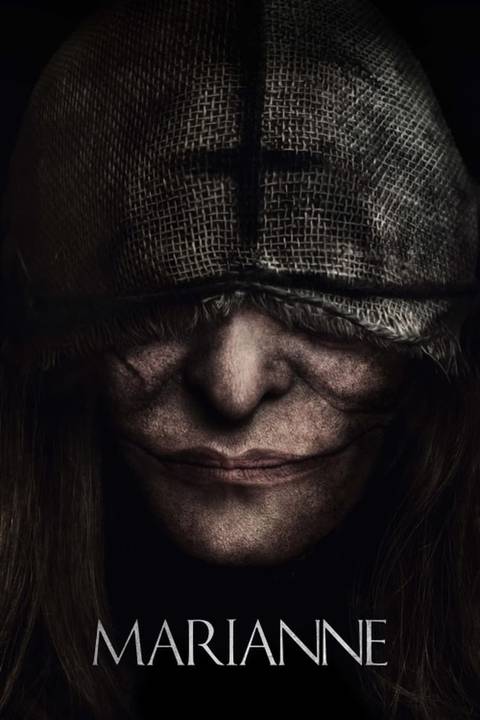
Marianne
- Release Date
-
2019 – 2019-00-00
- Network
-
Netflix
- Directors
-
Samuel Bodin
- Writers
-
Quoc Dang Tran


You must be logged in to post a comment Login