Entertainment
7 Crime Show Endings That Are Genuine Masterpieces

Spoiler Alert: This list contains spoilers for multiple TV shows.Crime dramas never go out of fashion, but every great series eventually reaches its end. Whether it’s a multi-season epic or a tightly scripted miniseries, the genre explores the gritty realities of those who uphold the law, those who operate outside of it, and those caught somewhere in between. Sometimes, it follows people failed by the justice system despite deserving its protection; other times, it examines those forced into a life of crime by circumstances beyond their control.
No matter which side they fall on, they all share one thing in common: their endings are shaped by the choices they make throughout the series. Some face the collapse of a once-feared criminal empire, while others fight to reclaim their innocence after being failed by the very system meant to protect them. Whether tragic, bittersweet, or unexpectedly hopeful, the best crime drama finales deliver endings that feel both inevitable and earned. From a feared mafia on the verge of extinction to a wrongly accused man seeking justice, here are crime show endings that are genuine masterpieces.
‘Peaky Blinders’ (2013–2022)


Every criminal empire is bound to meet its inevitable demise. Peaky Blinders follows the Shelby family as they expand from a humble gambling operation into an international business empire. But that rise comes at a bloody cost, requiring family patriarch Thomas Shelby (Cillian Murphy) to eliminate anyone who dares cross him. While Tommy is far more merciful toward his family, he still has no qualms about cutting them out of the business—especially his cousin Michael Gray (Finn Cole), the son of his late aunt.
Although Tommy’s conflict with Michael finally ends with a gunshot in the finale, one battle remains: his failing health—or so he believes. After discovering his terminal diagnosis was fabricated by a doctor working with fascist allies determined to bring him down, Tommy tracks the doctor down, ready to kill him. Yet he ultimately walks away. It’s a fitting callback to the show’s recurring theme of the eleventh hour, symbolizing an armistice that proves Tommy has finally found peace after letting go of the criminal empire that brought him both power and misery.
‘The Night Of’ (2016)

If there’s a crash course in just how unjust the American judicial system can be, it’s The Night Of. In just one night, the typically high-strung college student Naz Khan (Riz Ahmed) finds himself behind bars after one party changes the entire course of his life. Waking up next to a dead woman with all the evidence pointing to him, Naz’s innocence is immediately called into question, largely because of his Pakistani-American heritage and lack of financial means to afford the best lawyers.
Although Naz ultimately regains his freedom in the finale, it comes at a grave cost. While the ending never reveals the exact circumstances surrounding the woman’s death, Naz walks away with a bittersweet 6-6 hung jury. Unfortunately, his time in prison has altered him both physically and psychologically, leaving him unrecognizable from the young man audiences first met. As a result, The Night Of becomes less about who committed the crime and more about what the justice system does to underprivileged and underrepresented men like Naz.
‘Bosch’ (2014–2021)

In a sea of uniform blue, there will always be a black sheep like Detective Harry Bosch (Titus Welliver). Bosch follows a case-of-the-season format, but one thread that ties every season together is Bosch’s growing skepticism toward the LAPD. As an authoritative figure, Bosch excels at putting bad guys behind bars. The bigger question, however, is whether the people above him—chiefs, the feds, and mayors—actually want to keep them there.
The series finale becomes the culmination of Bosch’s pent-up disappointment and disillusionment with the system. He finally arrests gang leader Mickey Peña (Gino Vento), but the FBI wants to use him as an asset in a larger investigation, despite Peña being responsible for the arson that killed an entire family. Peña is ultimately freed, only to be murdered by the grieving father of one of the victims, who is then shot by police. Bosch has crossed plenty of lines before, but none more outrageous than turning in his badge and walking away from a justice system built on compromise and political bargaining.
‘The Sopranos’ (1999–2007)
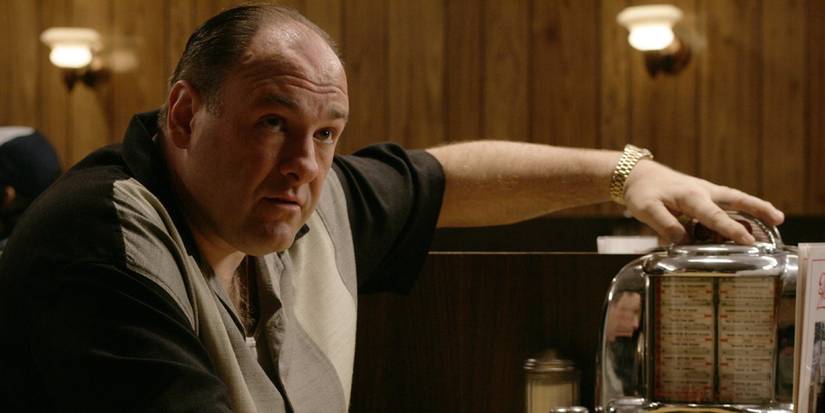
The Sopranos arguably committed one of television’s cardinal sins: cutting to black. Working for the mafia has always been an uncertain business, and Tony Soprano (James Gandolfini) bears much of that burden while hiding his panic attacks to avoid scrutiny from his peers. The glory days of the mafia are long gone. With racketeering and traditional scams becoming less profitable in the credit card era, and RICO constantly closing in, it’s only a matter of time before the old crime families fade away.
That moment finally arrives in the finale of The Sopranos. Tony brokers a truce with New York after the assassination of a rival boss, bringing a bloody mob war to an end. Yet he also faces a possible indictment after one of his associates likely becomes an informant. Knowing his time may be running out, Tony reunites with his family at Holsten’s diner. As he nervously watches every customer who walks in, the screen suddenly cuts to black. Whether Tony lives or dies remains one of television’s greatest mysteries.
‘Breaking Bad’ (2008–2013)
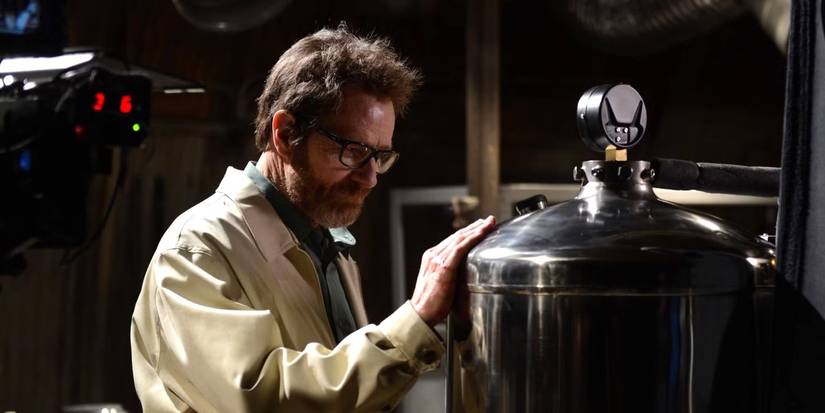
Nobody dies a hero or a villain in the Breaking Bad finale, especially Walter White (Bryan Cranston). The former chemistry teacher may have started cooking meth to put food on the table and pay his mounting medical bills. But after getting his first real taste of success—something that had long eluded him in his academic career—something inside him changes. His noble intentions slowly disappear, and the Albuquerque drug empire becomes the one place where he truly feels respected and seen.
Yet Heisenberg never completely lets go of his humanity, as the finale makes clear. Before his death, Walter ties up every loose end, ensuring his family will be financially secure while finally admitting the truth to Skyler (Anna Gunn): he didn’t build his meth empire for them, but for himself. It was never about survival—it was about his own pride and ego. After rescuing Jesse (Aaron Paul) and wiping out his rivals, Walter dies inside a meth lab, ending his story in the very place that defined both the best and worst parts of who he became.
‘Boardwalk Empire’ (2010–2014)

The past finally catches up with Nucky Thompson (Steve Buscemi) in Boardwalk Empire. The treasurer of Atlantic City has spent his life clawing his way out of an abusive childhood while building not only a criminal empire but also the image of a beloved public politician for those unaware of his illicit dealings. He’s the very definition of duality: on one hand, he flashes the warmest smile to potential voters; on the other, he doesn’t hesitate to smash someone’s face into a bar.
Earlier in the series, Nucky takes Jimmy Darmody (Michael Pitt) under his wing, only to kill him after uncovering his betrayal. But the dead never truly stay buried—they live on through those they leave behind. That makes Nucky’s death in the finale all the more tragic. Instead of falling to a rival mobster, he’s killed by Jimmy’s son, bringing his story full circle. It’s a fitting end, signaling the rise of a new generation of organized crime as the old guard finally surrenders to the Commission.
‘Mare of Easttown’ (2021)
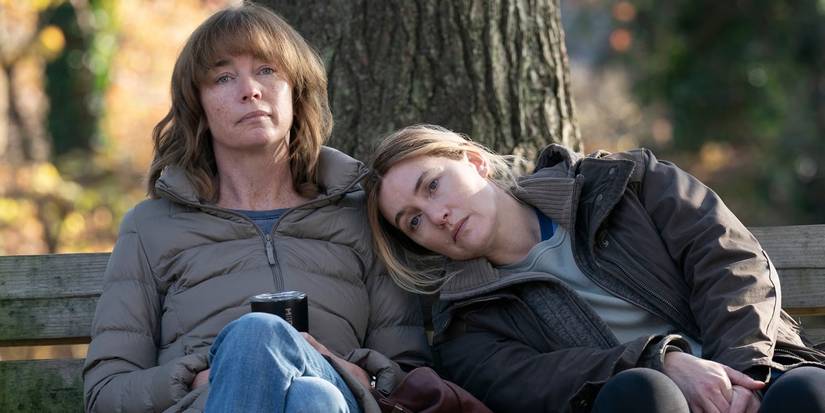
Mare of Easttown shows how a murder mystery can parallel a mother’s grief, and the finale makes that connection all the more heartbreaking. Detective Mare Sheehan (Kate Winslet) may be the town’s best detective, but she’s emotionally drained after the death of her son. Understandably, grief clouds her judgment. Still, when a teenage girl is found murdered, and another remains missing from a cold case, Mare has no choice but to push through her pain before anyone else becomes a victim.
The finale finally reveals the killer, but with a devastating twist. Mare initially arrests John Ross (Joe Tippett) after he confesses, only for one last piece of evidence to expose the truth: the real killer is John’s tween son, Ryan (Cameron Mann), who accidentally shoots the girl while trying to scare her away from his father. The cruelest part is that Ryan is the son of Mare’s best friend, Lori (Julianne Nicholson), beginning another cycle of a mother’s grief just as Mare starts emerging from her own. In the end, grief is inevitable—it’s how we live with it that matters.

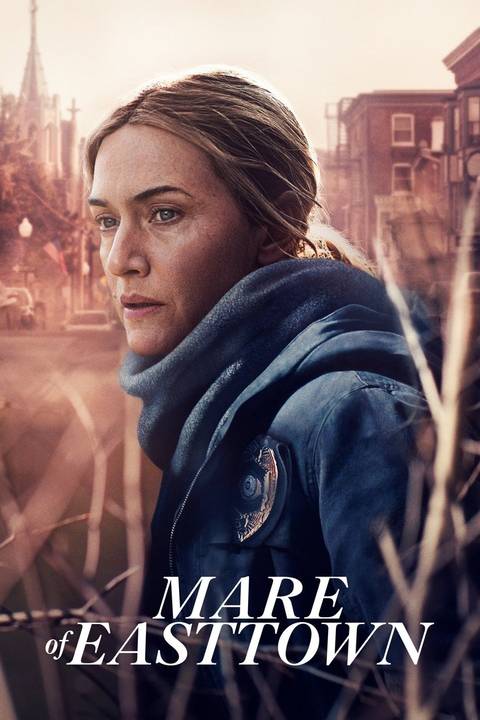
Mare of Easttown
- Release Date
-
2021 – 2021-00-00
- Network
-
HBO
- Showrunner
-
Brad Ingelsby
-

Kate Winslet
Marianne ‘Mare’ Sheehan
-


You must be logged in to post a comment Login