Entertainment
7 Greatest Shows With Fewer Than 30 Episodes

In television, the cream tends to rise to the top. Of the countless shows airing at any one time, there are always a select few that stand out above the crowd, thanks almost entirely to their quality. Whether it’s a laugh-a-minute sitcom, a twisting dark mystery, a gripping drama, or even a goosebump-inducing horror series, the very best shows will always prove themselves. By proving themselves, their viewing figures will only rocket, spawning dollar signs in the eyes of higher-ups and the inevitable green light for more.
With their popularity in mind, production companies and networks can be forgiven for pushing their best products as far as possible. The likes of Game of Thrones and The Walking Dead famously hurt their own legacy by producing one too many seasons, and, with that in mind, it is even more admirable when a series can come and go in a short space of time and still make a recognized impact on audiences. But finding the sweet spot is perhaps the hardest task, as the shortest shows search for the most natural and satisfying place to bring their stories to a close. With those specific titles in mind, and without further ado, here are the greatest shows with fewer than 30 episodes.
‘The Queen’s Gambit’ (2020)

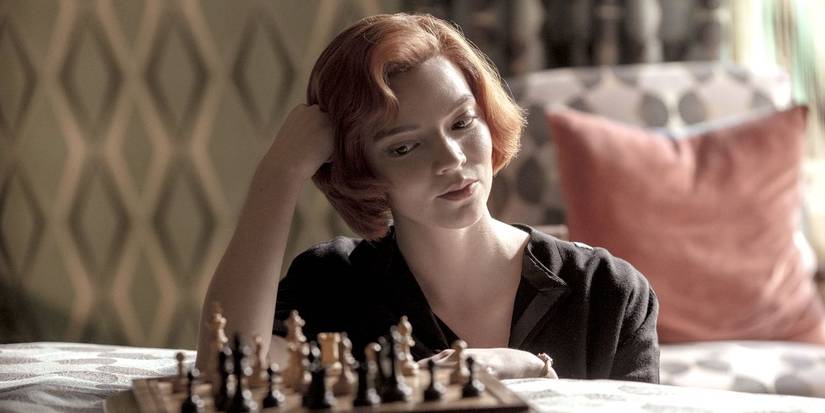
It’s worth starting this list by acknowledging that, although some shows are designed as a miniseries, they are still worthy of praise for finding a neat circular story in an even shorter space of time than most of their contemporaries. One of the most modern examples of the miniseries perfected is The Queen’s Gambit, which is the story about a prodigious introvert and orphan Beth Harmon (Anya Taylor-Joy), who flourishes through the mastering of the game of chess.
A masterclass in character development in just seven episodes, The Queen’s Gambit features some of the best writing of the past decade, and boasts one of the finest performances in the career of Taylor-Joy so far. Was the series helped by the COVID-19 pandemic, with viewers in their millions locked inside and looking for the best shows on streaming? Sure, but global crisis or not, this is a series well worth both its popularity and its flowers.
‘Happy Valley’ (2014–2023)
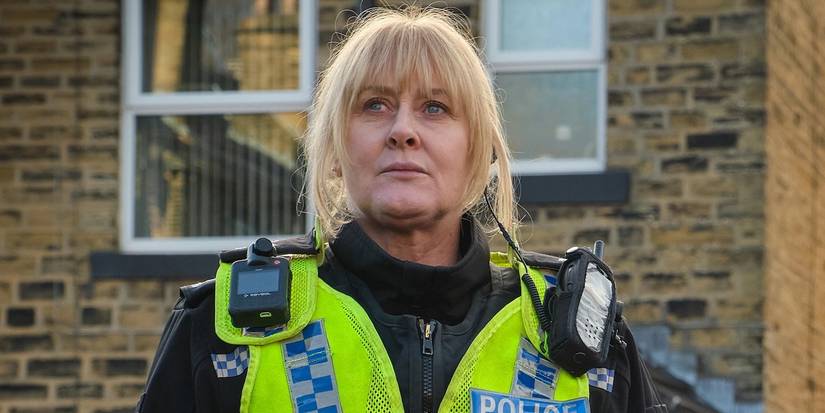
The Brits are known for having shorter seasons of television, with many of their best projects ending on a relatively quick high. Those across the pond are also known for producing some of the best crime dramas in the world, with Happy Valley the perfect combination of both, a series that won a remarkable 6 BAFTAs during its run.
Created by Sally Wainwright, the series follows Sarah Lancashire‘s Sergeant Catherine Cawood as she navigates personal issues in her drug-fueled community in Yorkshire’s Calder Valley. Sporting some of the finest ensemble performances in the genre’s modern history, highlighted by a career-defining turn from James Norton as Tommy Lee Royce, this utterly gripping masterclass in storytelling is both a thrilling game of cat-and-mouse and a detailed exploration of the cycle of crime in working-class Britain.
‘Firefly’ (2002–2003)
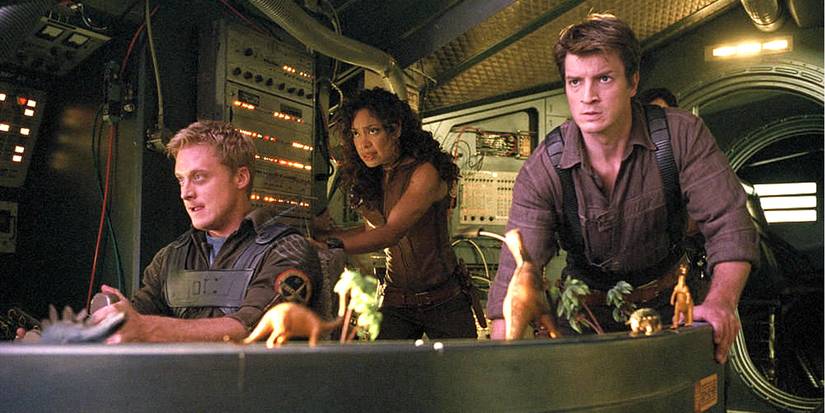
When people talk about the most egregious cancellations in TV history, the active sabotage of the brilliant space Western Firefly by Fox is always mentioned. In fact, following its cancellation, an initial petition to bring the series back scored more than 17,000 signatures, with the massive physical mail campaign that followed flooding Fox with angry postcards and letters. However, in the dark clouds of cancellation, a silver lining emerged, with Firefly‘s limited 14 episodes enough to award it a place on this list.
Created by Joss Whedon, Firefly follows Captain Mal Reynolds (Nathan Fillion) and his crew aboard the “Firefly-class” spaceship as they evade warring factions and authority agents during their trips across the galaxy. Blending sci-fi, comedy, and Western genres to perfect effect, Firefly was a hit with both viewers and critics, even winning the Primetime Emmy for Outstanding Special Visual Effects for a Series. 24 years later, it still maintains a well-deserved, die-hard fanbase.
‘The Leftovers’ (2014–2017)
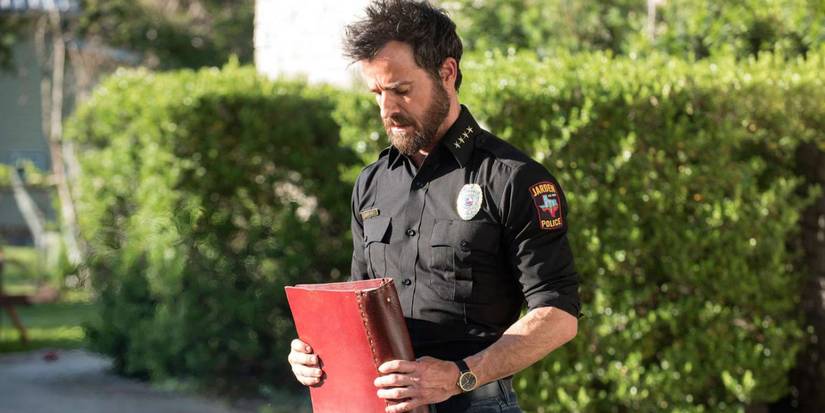
At 28 episodes long, The Leftovers just lands a place on this list. The show’s premise is simple yet ever-so-effective, as 140 million people suddenly vanish in an event called the “Global Departure”. Based on Tom Perrotta‘s novel of the same name, the narrative twists and turns in all manner of unexpected directions, keeping many millions of viewers gripped across three seasons.
However, even though this clever sci-fi series earned plenty of praise at the time of its release, The Leftovers has grown in popularity since it came to an end nine years ago. Justin Theroux and Carrie Coon deliver just two of the many memorable turns throughout the series, with Ann Dowd shockingly the only actor presented with a Primetime Emmy for her guest performance in the genius Season 3, Episode 7, “The Most Powerful Man in the World (and His Identical Twin Brother).”
‘The Office’ (2001–2003)
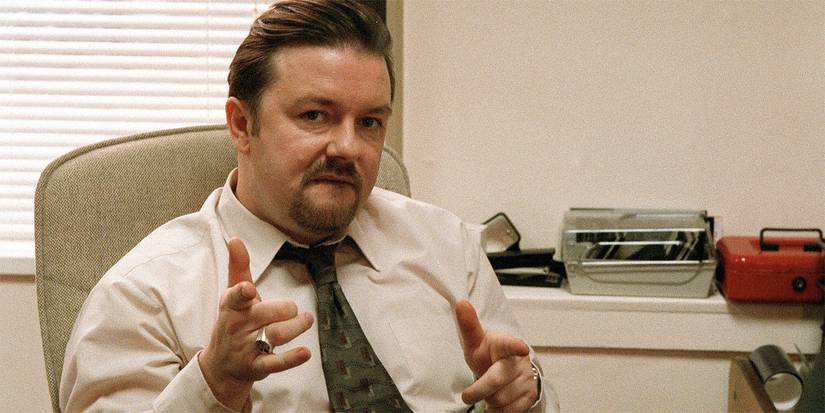
It’s simply remarkable that a low-budget comedy, produced by an unknown duo, and following the mundane every day of a British workplace could ever find success. But Ricky Gervais and Stephen Merchant‘s The Office didn’t just find success; it revolutionized the way TV comedy was produced, throwing out the traditional multi-camera studio setups and artificial laugh tracks and instead championing the uncomfortable reality of a single-camera set-up.
He may have since become a parody of his former self, but Gervais’ David Brent is one of the greatest comedic creations. In The Office, he is the awkward, affection-starved anchor to a series that, as much as it is about highly-relatable cringe, is also about the unmissable will-they/won’t-they romance of Tim (Martin Freeman) and Dawn (Lucy Davis). No matter what, without this series there wouldn’t have been Michael Scott (Steve Carell), and that alone is worth celebrating.
‘Fleabag’ (2016–2019)
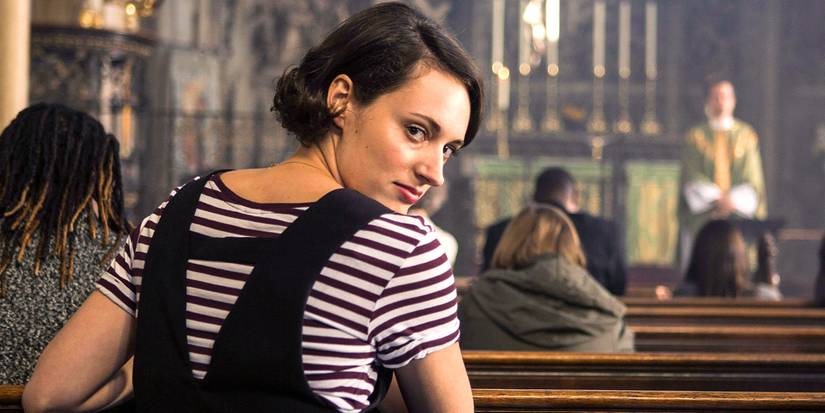
In the 21st century, comedy has come of age, with the most successful modern comedies blending dark drama into their humor. Perhaps the very best to do this is Phoebe Waller-Bridge in Fleabag, which began life as her one-woman show that won a Fringe First Award at Edinburgh Fringe 2013. It was BBC Three who gave the show a chance on screen, and the rest is history, with Fleabag quickly growing a huge following and plenty of critical acclaim.
One of the most intelligent and inventive uses of fourth wall-breaking in modern TV, Waller-Bridge’s unnamed protagonist fights grief, the terrible state of modern dating, and a constant battle of inner feminist wills in a story that, at the time of its release, was the freshest thing on television. What starts as a genius introspective tale of sex and feminism in 21st-century Britain in its first season evolves into a clever blend of religion and romance in a second season that somehow tops its predecessor.
‘Band of Brothers’ (2001)
The blueprint for all war series in the 21st century is one of HBO’s best projects. From producers Steven Spielberg and Tom Hanks, who reunited after their work on Saving Private Ryan to adapt Stephen Ambrose’s 1992 book, Band of Brothers follows the parachute infantry known as Easy Company during the Second World War, and is one of the most historically accurate and well-researched shows in TV history.
Tales of war, from Full Metal Jacket to Jarhead, are so often coated in Hollywood narrative styling. Band of Brothers is more interested in organically discovering its emotional core through a realistic depiction of life in combat. From days in training to the most important moments of the war, Band of Brothers leaves no stone unturned in a poignant exploration of the modern world’s most devastating conflict, and does so with a famously star-studded cast that includes Damian Lewis, Ron Livingston, David Schwimmer, Donnie Wahlberg, Michael Fassbender, Tom Hardy, Simon Pegg, James McAvoy, and many more.
‘Chernobyl’ (2019)
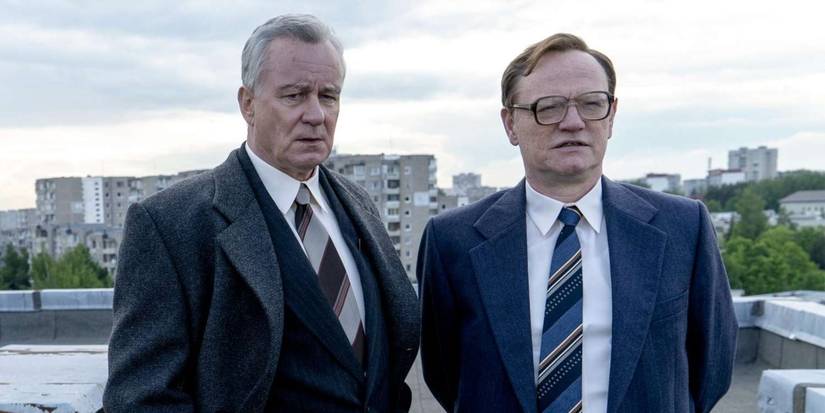
Of all the miniseries to have graced our screens in the 21st century, none are as detailed, devastating, and worthy of gushing praise as Chernobyl. To tell a tale as tragic and true as the nuclear accident of April 26, 1986, requires some brave storytelling, but to do so with such deft honesty and justice is frankly remarkable. Of course, this is the retelling of the aforementioned incident at the Chernobyl Nuclear Power Plant, focused mainly on the immediate and long-term aftermath.
The personal and political ramifications of the Chernobyl disaster are on full display in nuanced genius throughout each of these five episodes, making for utterly affecting viewing. The series won an incredible ten Primetime Emmys (enough for two for each episode), alongside countless other prizes from across the world as it swept up the 2020 TV awards season. It might be a miniseries, but Chernobyl packs as much of an emotional, expansive punch as any other show with many more episodes.

You must be logged in to post a comment Login