Entertainment
7 Horror Shows Where Every Episode Is a Masterpiece

Everyone can agree that horror television has a major filler problem. There are just too many shows that put all their effort into the first few episodes and start dragging the story as soon as the audience is hooked. That might just be the worst mistake writers ever made, because the minute a show falters in maintaining its sense of fear, the viewer has already checked out.
While horror films thrive on condensed and constant tension, horror TV has always had a harder time keeping that same energy alive across multiple episodes. Many argue that the genre just isn’t meant to be expanded. However, the titles on this list make a compelling case that it can be done. These are such horror shows where every episode is a masterpiece and no moment is ever wasted.
‘The Haunting of Hill House’ (2018)
The Haunting of Hill House is hands down one of the greatest horror shows ever made. The series, created by Mike Flanagan, will go down in history for proving that the genre can be so much more than jump scares and shock value. The story begins with the Crain family moving into the mysterious Hill House in the summer of 1992, and follows their story across two timelines. First up is their time in the house and the paranormal experiences they had there. Then, the timeline shifts forward and shows the Crain siblings as adults, slightly estranged from one another and still haunted by the fateful night their mother died, and their father made them flee from Hill House.
The narrative builds around that mystery, and it’s impossible not to get absolutely engrossed. The constant jumping between times is a bit disorienting at first, but it pays off in the end. By the time the timelines converge, the audience can practically feel the pain, trauma, and grief that this family has lived through. What makes every episode of The Haunting of Hill House feel great is that Flanagan never uses horror as a shortcut. Sure, the ghosts are there, but they serve as metaphors for the very real damage the Crain siblings are dealing with. All in all, this one is a horror show for the ages and will remain unmatched not just in its sense of fear, but also its emotional depth.
‘Midnight Mass’ (2021)


Midnight Mass is another Flanagan masterpiece, one that truly cemented him as one of the most unique voices in horror TV. The miniseries is an ambitious, slow-burning religious horror story that explores faith, addiction, and mortality through the supernatural. The story begins with Riley Flynn (Zach Gilford) returning to his small fishing community of Crockett Island after killing a woman in a drunk driving accident. His arrival coincides with that of the new priest, Father Paul Hill (Hamish Linklater), who soon begins to perform what the locals believe to be miracles. From there, every episode builds toward an emotionally devastating climax with no wasted moments or filler storylines.
Midnight Mass is genuinely remarkable in its writing. Although Flanagan gives many of his characters long, uninterrupted monologues, they land because the actors manage to embody every word they speak. The horror arrives gradually, but when it does, the audience is so invested in the people this story revolves around that it almost feels personal. The show ends with one of the most fitting finales in recent history and has managed to convey its message of the true cost of faith, which truly gives the audience chills.
‘Marianne’ (2019)

Marianne is dark and disturbing, but that’s the entire point. The French horror series tells a relentless story, and the fact that it was cancelled after one season is still baffling. The narrative begins as a classic supernatural story, with bestselling horror novelist Emma Larsimon (Victoire Du Bois) having decided to retire her fictional witch villain, Marianne, and move on with her life. However, that plan takes a backseat when she realizes that Marianne (Délia Espinat-Dief) might just be real, and she doesn’t want her to stop writing. Across the show’s eight episodes, the audience and Emma don’t get a single moment of comfort.
The story keeps escalating in a way that feels earned. Marianne is no ordinary demon. She humiliates her victims and uses their own history against them. The horror here is visceral and unpleasant, and what makes everything all the more horrific is how real it all feels, thanks to the show’s world and character building. Overall, Marianne delivers everything a horror show should and more, which makes its cancellation all the more frustrating.
‘Brand New Cherry Flavor’ (2021)

Brand New Cherry Flavor is an experimental horror show that feels like some kind of fever dream, in the best way possible. The story follows aspiring filmmaker Lisa Nova (Rosa Salazar), who comes to Los Angeles in the hopes of landing a promising project, only to be manipulated and exploited by a powerful producer. Instead of resigning to her fate, Lisa seeks revenge with the help of a mysterious witch, Boro (Catherine Keener).
However, Lisa doesn’t know that revenge comes at a cost, and as Boro carries out curses on her behalf, the consequences engulf almost everyone around her. That’s when Brand New Cherry Flavor turns into this surreal, body-horror nightmare that blurs the line between reality and imagination. The show really commits to its bizarre vision and completely owns the madness of the plot. Salazar delivers a delightfully unhinged performance with an emotional core that makes it impossible to look away until the very end.
‘Servant’ (2019–2023)

Servant is a deeply intimate kind of horror that stays with the audience long after the credits roll. The story follows grieving couple Dorothy (Lauren Ambrose) and Sean Turner (Toby Kebbell) in the aftermath of the death of their infant. To cope with the loss, Dorothy begins caring for an eerily lifelike reborn doll, and her husband goes along with the whole thing to protect her fragile mental state. However, everything changes when the couple hires nanny Leanne (Nell Tiger Free) to care for the doll, and all of a sudden, the whole thing starts feeling a little too real.
That’s when the Turner house turns into a pressure cooker of paranoia, where every little detail means something. Leanne’s presence seems to warp reality, and as the audience learns about her ties to a shadowy religious cult, things slowly start to make sense. Every episode follows Sean and Dorothy getting pulled deeper into the chaos and reveals just enough without ever fully explaining the roles. Servant‘s horror is rooted in control and belief, where every answer only leads to a more unsettling question.
‘Archive 81’ (2022)
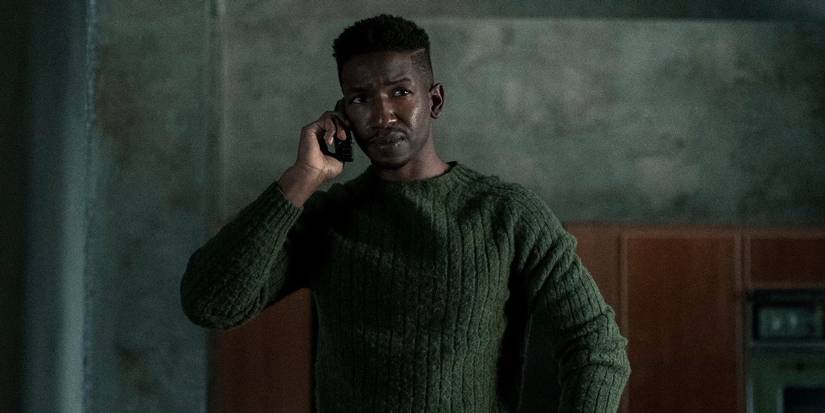
Archive 81, based on the podcast of the same name, opens with Dan Turner (Mamoudou Athie) being hired by a mysterious company to restore a collection of damaged videotapes in an isolated research facility. The tapes were recorded in 1994 by Melody Pendras (Dina Shihabi), a grad student documenting life inside the Visser, a strange apartment building that later burned down under suspicious circumstances. As Dan restores and watches the footage, Melody’s investigation into missing residents, secret gatherings, and a hidden cult turns into something far more dangerous.
Things take an even stranger turn when Dan realizes that he can somehow communicate with her across time. The deeper he goes, the more the mystery expands. The story unfolds through a found footage format, which makes the horror feel immediate and real. The way Dan and Melody’s stories mirror and influence each other is one of the most brilliant parts of the story. Even when the plot begins to reveal its answers, the show still retains its sense of unease because the real terror lies in the cyclical nature of everything that the characters experience. Overall, Archive 81 is a truly unique horror show that thrives on atmosphere and a slow-burning sense of dread rather than conventional scares.
‘Twin Peaks’ (1990–2017)
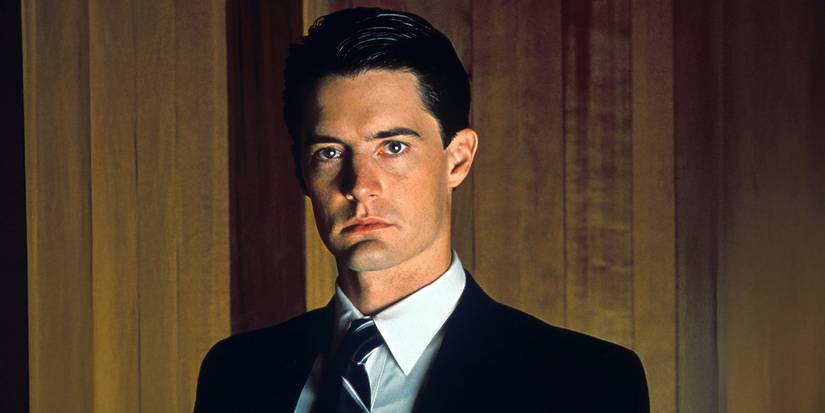
Twin Peaks has shaped modern TV like no other. The show begins as a murder mystery and increasingly gets stranger and more disorienting. The story follows FBI agent Dale Cooper (Kyle MacLachlan) as he arrives in the small town of Twin Peaks to investigate the strange death of homecoming queen Laura Palmer (Sheryl Lee). Soon enough, though, he finds himself tangled in a web of dark secrets and coincidences that are too strange to ignore. The best part about Twin Peaks is that it treats the town as a living, breathing character filled with clues that guide Cooper toward what can only be explained as an entirely new reality.
The show is known for constantly shifting its tone between offbeat and almost comedic to surreal and psychological, without ever losing control. As the story expands, the mythology surrounding the Black Lodge and the forces influencing the town come into play, Laura’s death begins to look all the more complicated. Eventually, the case stops being about a single crime, and the show gradually starts recontextualizing everything the audience once thought they knew. Twin Peaks is a show like any other, to the point where one can only fully understand its brilliance by immersing themselves in it.
You must be logged in to post a comment Login