Entertainment
7 Low Fantasy Books With the Greatest Magic Systems

The term “low fantasy” refers to magical stories that take place on Earth rather than a totally separate world like Middle-earth or Narnia. These tales inject whimsy and enchantment into otherwise mundane settings, which actually makes the fantastical elements hit even harder.
Magic systems, meanwhile, come in a spectrum ranging from “hard”—meaning magic with clear rules and mechanics, like those in the Mistborn series—to “soft”—which refers to magic that is mysterious and ambiguous, like some of the spellcraft in Game of Thrones. With those points in mind, this list looks at the most memorable and ingenious magic systems in all of low fantasy, the ones that stand out because of their creativity, structure, and dynamism.
‘Skulduggery Pleasant’ (2007)


“Magic belongs to those willing to master it.” Skulduggery Pleasant is a great YA urban fantasy that follows twelve-year-old Stephanie Edgley after she inherits her eccentric uncle’s estate and becomes the partner of the skeletal detective Skulduggery Pleasant, a bag of bones animated by raw magic, capable of casting spells and hurling fireballs. He’s just one of many colorful inhabitants in a hidden magical society operating alongside contemporary Ireland.
Through Stephanie’s eyes, readers slowly learn about a system in which practitioners generally devote themselves to a single branch of magic, like elemental manipulation, developing genuine expertise through years of study. Magic here isn’t limitless or easy; it requires a ton of intelligence and experience. Author Derek Landy bundles all this within an enjoyable package of sharp humor and fast-paced plotting.
‘Storm Front’ (2000)

“Magic always demands preparation.” Another story about a magical detective, though a darker, grittier one. Storm Front is the first installment in Jim Butcher‘s Dresden Files, centering on Harry Dresden, Chicago’s only professional wizard-for-hire. In this one, he investigates a series of gruesome supernatural murders while balancing his responsibilities to both the magical and ordinary worlds. The magic Harry uses is pretty “hard,” grounded in rules and unbending principles.
For instance, spells demand physical and mental effort, leaving practitioners drained, and are strictly governed by the body of wizards known as the White Council. Mages require concentration, symbolic tools, and preparation to cast spells effectively, and violating certain magical principles carries severe consequences. In other words, in the book, wizardry feels more like a demanding craft involving staves, blasting rods, circles, potions, enchanted objects, and a lot of practice.
‘The Magicians’ (2009)

“Magic is harder than anyone imagines.” Most fantasy novels portray magic as empowering, but The Magicians takes a far more complicated view. In it, author Lev Grossman presents spellcasting as an extraordinarily demanding academic discipline requiring immense intelligence and precision. Even more strikingly, the students who master it still find themselves wrestling with depression, ennui, loneliness, and nihilism.
In this regard, The Magicians is a kind of anti-Harry Potter, replacing wonder and enchantment with stress and competition, and portraying magic as a power that corrupts those who wield it. Protagonist Quentin Coldwater enrolls at a magical university expecting fulfillment, only to encounter exhausting studies and endless danger. On top of that, interpersonal problems still abound. Ultimately, while the characters’ spells may be mighty, they can’t solve their emotional issues or undo their trauma.
‘Harry Potter and the Goblet of Fire’ (2000)

“The magical world is far larger than Hogwarts alone.” Practically any Harry Potter book could make this list, though the one with the most striking explanation and depiction of its magic systems might be Goblet of Fire. It broadens the scope of the story and world, with Harry’s unexpected selection for the Triwizard Tournament introducing us to magical schools beyond Hogwarts, as well as all sorts of new spells and items. There’s just so much colorful stuff here: grindylows, merpeople, arcane cups, dragons, and even resurrection rituals.
Importantly, a lot of this stuff isn’t just entertaining set dressing but integral to the plot itself. For example, near the beginning of the book, Harry and Ron use a Portkey, an ordinary object that has been enchanted to transport those who touch it to another location; this magic is what later teleports Harry and Cedric to the graveyard when they both touch the Triwizard Cup. Finally, Goblet also explains the Unforgivable Curses, which, too, make a dramatic reappearance in the third act.
‘Piranesi’ (2020)


“The House gives everything, but only to those who truly observe it.” A gorgeous, lyrical novel by the great Susanna Clarke. The plot revolves around a character nicknamed Piranesi who lives within a strange dimension he calls “the House.” It’s an endless labyrinth of halls, statues, tides, and clouds that appears to exist outside ordinary reality. As Piranesi carefully documents the rhythms of this impossible place, he slowly begins uncovering secrets about both the House and his forgotten past.
The magic in the book is mysterious, and we never really understand how all of it works, like how or why the House alters people’s consciousness and distorts their memories. Different characters also have contrasting beliefs about its nature and how it works. For example, two of the supporting characters take an academic approach, using rituals and scientific tools to try and extract power from this odd alternate world, while Piranesi treats the House like a living thing meant to be understood rather than exploited.
‘Babel’ (2022)
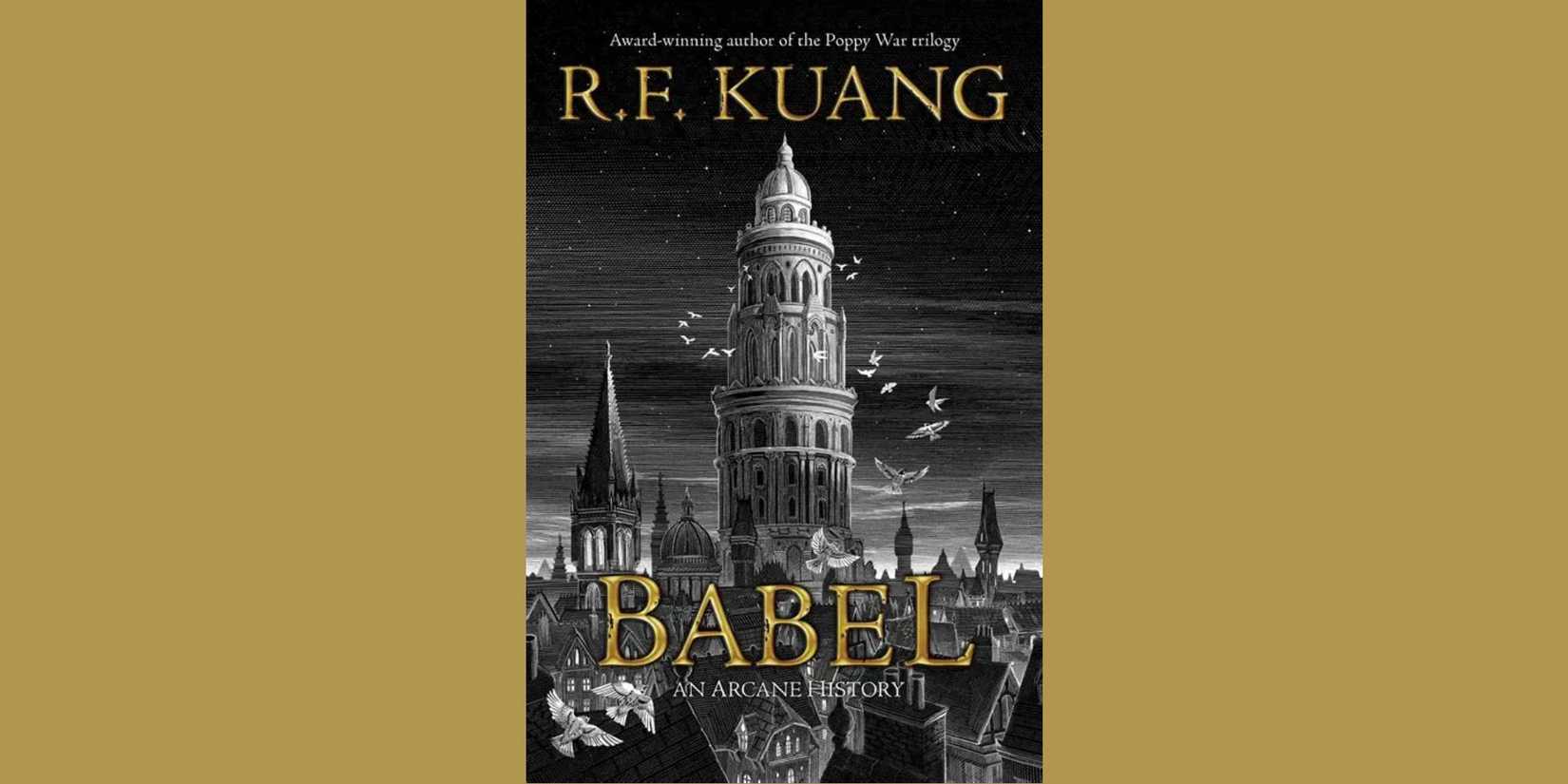
“Translation itself becomes a source of power.” This book from R.F. Kuang (author of The Poppy War) boasts a very cool, original magic system rooted in translation. Set in an alternative nineteenth-century Oxford, the novel follows Robin Swift as he studies at the Royal Institute of Translation, better known as Babel (a reference to the biblical tower where everyone spoke a different language and no one could understand each other).
At Babel, scholars harness magic through specially engraved silver bars that exploit the subtle differences between words in different languages. Those tiny gaps in meaning become sources of supernatural energy capable of reshaping the physical world. Kuang fleshes this novel system out into an entire discipline, showing how it influences politics and conflict all across the globe, and supports both empires and rebels in pursuing their aims. Thematically, she uses these ideas to comment on colonialism, language, scholarship, power, and identity.
‘Jonathan Strange & Mr Norrell’ (2004)
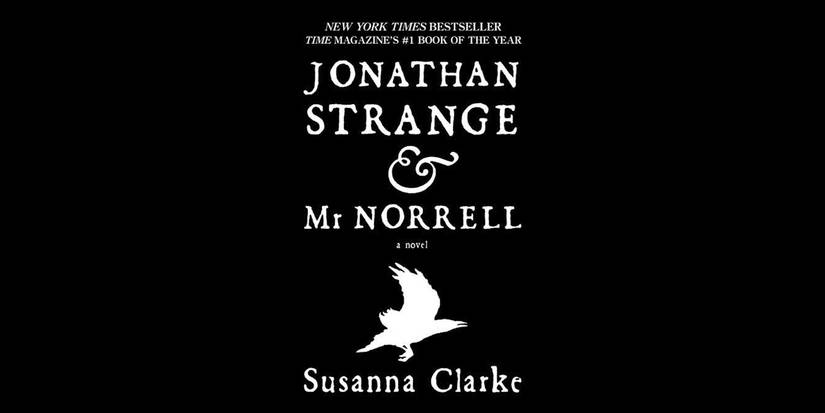
“Magic has a history every bit as important as its power.” While Piranesi is great, Jonathan Strange & Mr Norrell remains Susanna Clarke’s masterpiece. It’s set during the Napoleonic Wars in an alternative version of nineteenth-century England and follows the country’s only practicing magicians, the cautious Gilbert Norrell and the brilliant but impulsive Jonathan Strange, as they attempt to restore English magic to its former glory.
Along the way, Clarke constructs an entire scholarly tradition complete with centuries of forgotten history, rival schools of thought, legendary practitioners, and academic debate. Footnotes, fictional books, ancient folktales, scholarly disputes, and long-forgotten magical traditions create the impression that English magic has existed for centuries before the novel begins. Some of the magic is systematized and academic, while other parts of it are dark and dangerous, like the arcana wrought by the Raven King, a stolen human child raised in the faerie world.
You must be logged in to post a comment Login