Entertainment
7 Netflix Shows That Are Amazing From Start to Finish

The great thing about Netflix is that it offers a diverse range of content for all kinds of audiences. The platform never seems to run out of new and trending entertainment, and while that is a great concept, it also backfires sometimes.
The streamer is home to so many shows at this point that picking one almost feels like a task in itself. That’s where a list like this comes in handy. Here are the Netflix shows that are guaranteed to pull the audience in and entertain them from start to finish.
‘Dark’ (2017–2020)


Dark is Netflix’s first German-language original series, but it’s memorable for far more than just that. The show begins with a child going missing in the small town of Winden. That becomes the catalyst for one of the most intricately constructed narratives in TV history. The story unfolds across several timelines and revolves around four families hiding secrets that lead back to a wormhole hiding in the Winden Nuclear Power Plant. What’s great about the show is how carefully it builds its mythology. Dark never treats time travel like a gimmick, because it’s the very skeleton that the story centers on.
Now, a huge part of why it all comes together perfectly is the casting. Each character exists across multiple timelines, and hence, is played by different actors at different ages. However, the performances are so consistent that the audience is almost tricked into believing these are the same people. That shows just how much work the show has put into its world-building and emotional core. Not to mention that it delivered one of the most satisfying finales in recent times. For a show so complex, it’s fascinating how bingeable Dark is until the very last scene.
‘The Crown’ (2016–2023)

The Crown is unlike any other show on Netflix. The series, created by Peter Morgan, is a six-season-long dramatization of Queen Elizabeth II‘s reign. The story begins with the queen’s 1947 wedding and follows her journey to becoming one of the longest-reigning monarchs in history. Of course, the show is never really just about the queen. Instead, it is a deep dive into the institution that she inherits along with the people around her. The timeline moves forward in each season, and the entire core cast is replaced with older actors. Now, this transition could have easily been extremely jarring, but the show does a great job of reframing the characters through a different lens.
For instance, Claire Foy‘s Elizabeth is strong but still uncertain of what lies ahead. On the other hand, Olivia Colman portrays the character as more guarded and shaped by decades of duty. By the time Imelda Staunton takes over the role, the audience genuinely feels as though they have watched Elizabeth grow through the years. The Crown strikes the perfect balance between personal and political storylines without ever feeling convoluted. There’s no denying that the final two seasons are a little less historically accurate than the initial ones, but that doesn’t change the fact that The Crown is prestige TV at its best.
‘The Queen’s Gambit’ (2020)

The Queen’s Gambit has set the benchmark for what a miniseries can be. The show is a masterclass in storytelling and follows Beth Harmon (Anya Taylor-Joy), who is orphaned at nine and becomes a chess prodigy. The story follows Beth’s rise through regional tournaments, national championships, and eventually to Moscow, where she faces the Soviet world champion. It’s fascinating how The Queen’s Gambit makes chess feel so exhilarating, but all the external competition Beth faces is barely the main point.
The show explores how the protagonist finds ways to cope with the trauma she has been through. Beth’s addiction, her relationship with her adoptive mother, and the loneliness she lives with are the true emotional core of the story. Beth is not easy to root for, but Taylor-Joy plays her with a realness that’s impossible to look away from. The show’s stunning visuals, accurate period details, and costumes are just the cherry on top. All in all, The Queen’s Gambit keeps the audience hooked till the very last minute, not just because of the big match, but also because of how invested they are in Beth’s personal journey.
‘The Haunting of Hill House’ (2018)

The Haunting of Hill House has set an unbelievable standard for horror TV series. The show, created by Mike Flanagan, tells the story of the Crain family and the summer they moved into the eerie and mysterious Hill House. The story unfolds across two different timelines and follows the Crain siblings as children, and then as adults who are coping with the strange death of their mother. Unfortunately, though, none of them seem to have escaped the shadow Hill House casts over their lives, and somehow, all of it goes back to the fateful night they fled the place with their father.
The horror in The Haunting of Hill House doesn’t come from jump scares. Even the paranormal elements in the show serve as metaphors for the Crain family’s personal fears and trauma. Hill House itself serves as a living, breathing character with its own role to play in the narrative. Early episodes can feel a bit disorienting as the past and present come together, but the slow build rewards the audience with a payoff so well constructed that it reframes everything they thought they knew. The show delivers plenty of chills, but more than that, it’s a story about grief and the way families crumble under pressure.
‘Beef’ (2023–Present)

Beef is a masterpiece that places its audience and the characters in a pressure cooker of tension. Beef Season 1 begins with struggling contractor Danny Cho (Steven Yeun) and entrepreneur Amy Lau (Ali Wong) getting into a road-rage incident with each other. However, instead of moving on, the two find themselves consumed by this petty feud, and as they take turns retaliating, their beef grows more personal and destructive. Despite the absurd premise, the show doesn’t reduce its characters to stereotypes and actually works to uncover why exactly they are so angry, not just at each other, but at the world.
Beef is a masterclass in pacing, and the escalation never feels forced. The show moves between dark comedy, psychological drama, and tragedy with immaculate precision, and the chemistry between Yeun and Wong is the heart of it all. Beef Season 2 is set to premiere on April 16 and will follow Charles Melton and Cailee Spaeny as a young couple who witness an alarming fight between their boss and his wife. If the show’s first installment is anything to go by, viewers can expect another interesting exploration of how humans behave when they are pushed to their limits.
‘Mindhunter’ (2017–2019)
Mindhunter truly changed the game for TV shows when it premiered. The psychological crime series follows FBI agents Holden Ford (Jonathan Groff) and Bill Tench (Holt McCallany), alongside psychologist Wendy Carr (Anna Torv), as they work to understand the minds of dangerous serial killers. The show tracks the early days of criminal profiling in the 1970s and revolves around the trio interviewing imprisoned murderers to identify patterns and prevent future crimes. Mindhunter is less about the violence and more about getting into the minds of these criminals to figure out what drives them.
However, the story also focuses on the impact of it all on the FBI agents and their personal lives. Mindhunter is known for its eerily accurate portrayals of famous serial killers, including Edmund Kemper, Jerry Brudos, and Richard Speck. However, the show thrives on much more than just shock value. It builds tension solely through intense conversations that force the audience to sit in discomfort. Despite its dark premise, it’s almost impossible to stop watching Mindhunter until the story is over.
‘Adolescence’ (2025)

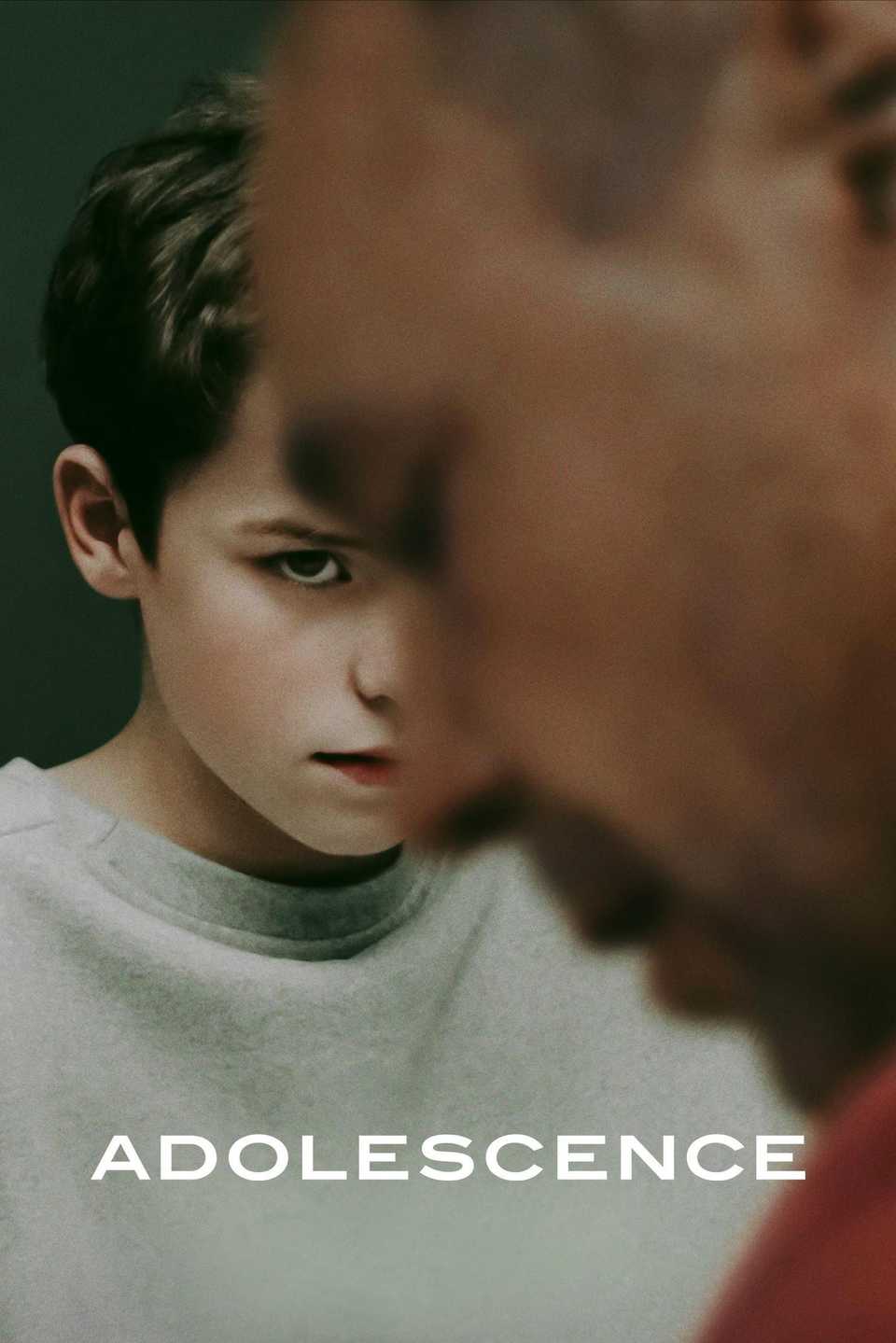
No one saw Adolescence coming, and maybe that’s why it hits so hard. The show is far from a coming-of-age story as the title suggests. Instead, it is a harsh look at how vulnerable children are in their formative years. The show begins with the police arresting 13-year-old Jamie Miller (Owen Cooper) for the murder of his classmate, Katie (Emilia Holliday). In the beginning, it’s almost impossible to believe that a boy as innocent-looking as Jamie could have done something so heinous. In fact, the entirety of the first episode follows the police as they question Jamie and his parents and take him through the procedural motions of the arrest.
However, the show’s most haunting moment comes near the end of “Episode 1,” when the officers reveal the footage where Jamie is seen committing the murder, and that changes everything. The following episodes center on Jamie’s school, his session with a forensic psychologist, and lastly, how his family copes with the reality of the situation. Adolescence doesn’t sugarcoat its emotions and can be extremely overwhelming at times. That’s exactly the point, though, because it doesn’t want to leave the audience with easy answers. The show’s single-take format makes everything feel all the more urgent and real, and contributes to why Adolescence stays with the audience long after the credits roll.

You must be logged in to post a comment Login