When it comes to nostalgic video game consoles, few beat the PlayStation 2. Released at the dawn of the millennium, the console signalled the next step in the video game industry, continuing the highly successful run of its predecessor while pushing the technical and performance capabilities to new and exciting heights. As part of the sixth generation of consoles, the PS2 went head-to-head with Nintendo’s GameCube and Microsoft’s Xbox, and suffice it to say, it beat those two by a considerable margin.
As expected from such a successful console, the PS2 has a strong library of games, many of which were instant successes and many others that only became appreciated with time. Many of these titles have become iconic, and a few are even in conversation for all-time best triumphs. In other words, they’re virtually perfect from beginning to end, a feat that’s particularly difficult to achieve in the video game industry. However, these PS2 titles make it look effortless.
Advertisement
‘Guitar Hero II’ (2006)
Image via RedOctane
Rhythm games were huge in the noughties, with most major consoles having at least one flagship title. However, the king of the genre was probably Guitar Hero, with a simple yet terribly addictive premise that made it simply irresistible. As with its predecessor, the player has a physical guitar (a cherry red Gibson SG for the PS2 version) that they use to simulate playing a real one, thus becoming a rock star for the duration of the song.
There’s really not much to Guitar Hero II: what you see is what you get, and that’s all you need. The game features an iconic soundtrack full of rock and roll staples like Guns N’ Roses‘ “Sweet Child o’ Mine” and The Police‘s “Message in a Bottle.” Guitar Hero II was the starting point for many would-be musicians, surely. For the rest of us, it was just the chance to fulfill our rock and roll fantasies, making it a perfect game to spend an afternoon with.
Advertisement
‘Gran Turismo 3: A-Spec’ (2001)
Image via Sony Computer Entertainment
Racing games are a staple of video games. Who doesn’t love to experience the rush of the race from the safety of one’s home? The PS2 featured multiple great racing games, from the silly and playful like Crash Tag Team Racing to a few entries in the Need for Speed series. However, the Gran Turismo series surpassed almost all of them with its third entry, Gran Turismo 3: A-Spec.
Although it features far fewer vehicles, Gran Turismo 3 marked a massive step forward in terms of technical performance, graphics, and overall gameplay. Even today, with significant advancements in the way we experience video games, Gran Turismo 3 remains a spectacular effort that’s just as thrilling and immersive as it was twenty-five years ago. It perfectly translates the feeling of being behind the wheel of a racing car in a way few other games have ever even come close to.
Advertisement
‘Grand Theft Auto: San Andreas’ (2004)
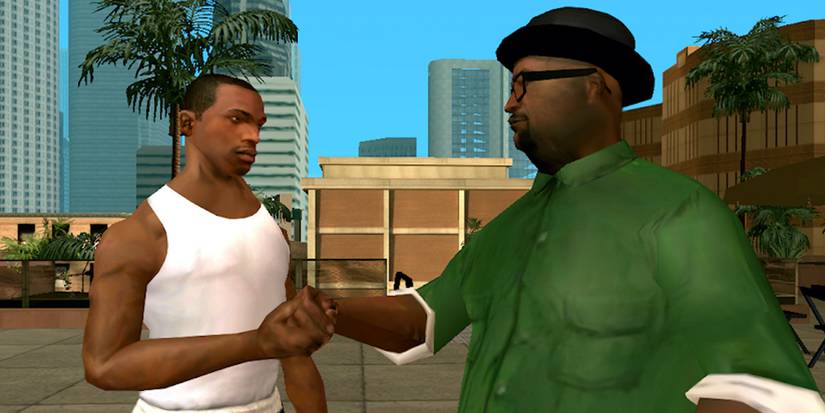
Grand Theft Auto’s Carl ‘CJ’ Johnson dapping up with his friend Big Smoke in San AndreasImage via Rockstar Games
Continuing with the racing genre, it’s time we talk about Grand Theft Auto. The venerable franchise is one of the pillars of modern gaming, and arguably its best entry is Grand Theft Auto: San Andreas. The seventh entry into this beloved series centers on Carl “CJ” Johnson, a gangster who attempts to rebuild his old gang while dealing with corrupt criminals and new foes. He’s also investigating the truth behind his mother’s death, so there’s that.
San Andreas is a genuine institution in the gaming industry and perhaps the biggest icon of the sixth generation of consoles. Its standing alone makes it one of those titles that you’ve probably played at some point in your gaming journey, but the actual gameplay sure lives up to its reputation. It also spawned countless memes, which is a good indicator of its legacy, whether we like it or not. San Andreas is still actively played today, with fans and modders still contributing to it, thus leading to its overall perfection. Here’s hoping the upcoming GTA VI will live up to the franchise’s standards.
Advertisement
‘Tony Hawk’s Pro Skater 3’ (2001)
Image via Activision
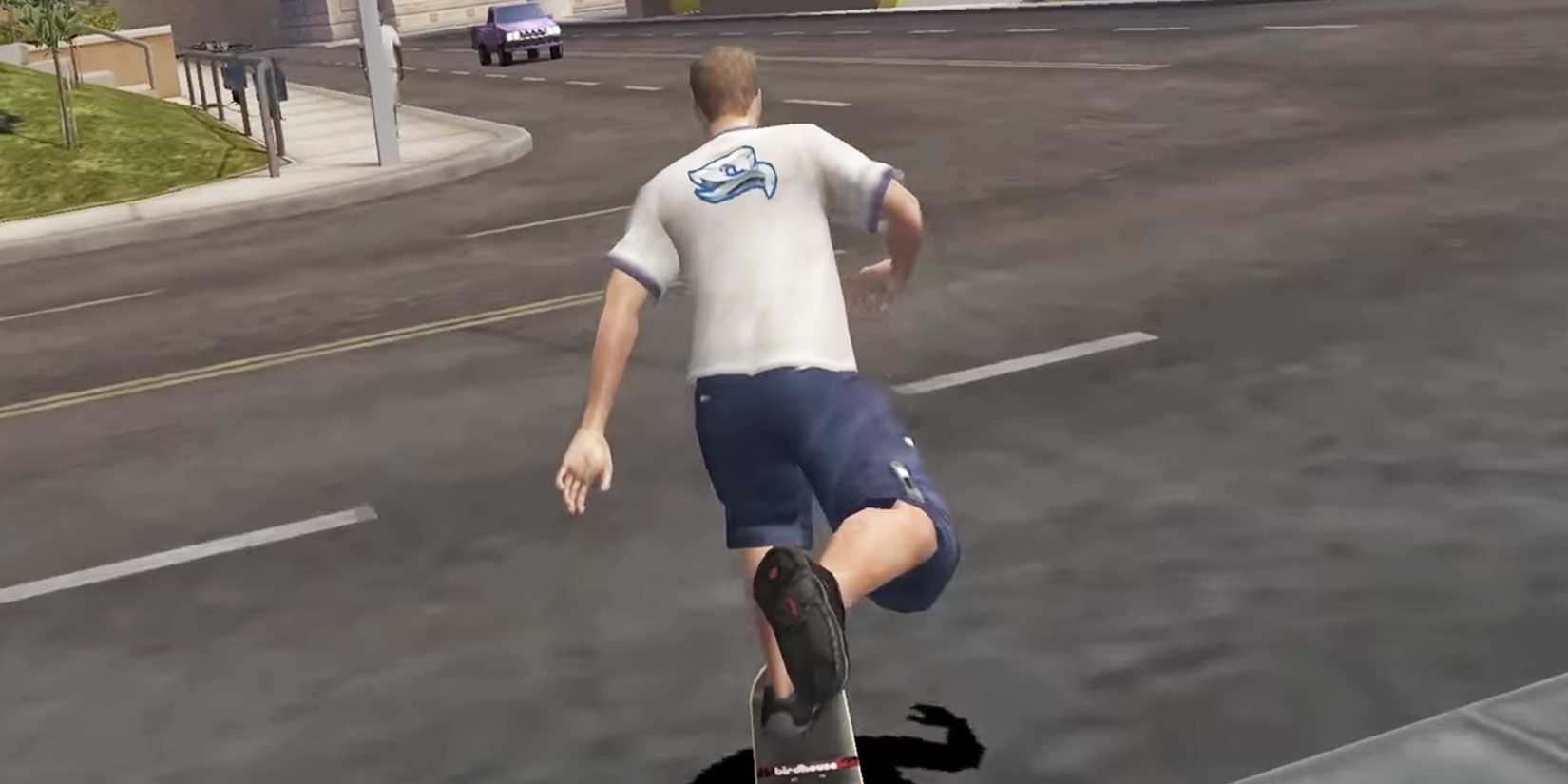
Sports games are a major part of gaming. In the 2000s, when skateboarding culture was at its peak, Tony Hawk’s Pro Skater series was one of the most successful across multiple consoles, although its best versions came on the PS. The third entry in the series, appropriately titled Tony Hawk’s Pro Skater 3, sees players performing complex combos in a two-minute frame, earning scores for their efforts.
Tony Hawk’s Pro Skater 3 was one of the first major games to feature online capabilities, which made it an outright sensation at the time. There’s also an elegance to its simplicity, echoing back to the arcade games that saw the genre explode in popularity. You don’t play to beat challenging bosses or solve complex narratives: much like skateboarding itself, this game is all about the vibes and the feeling, enjoying oneself by passing the time doing impressive, often gravity-defying feats that still look incredibly cool.
Advertisement
‘Shadow of the Colossus’ (2005)
Image via Sony Computer Entertainment
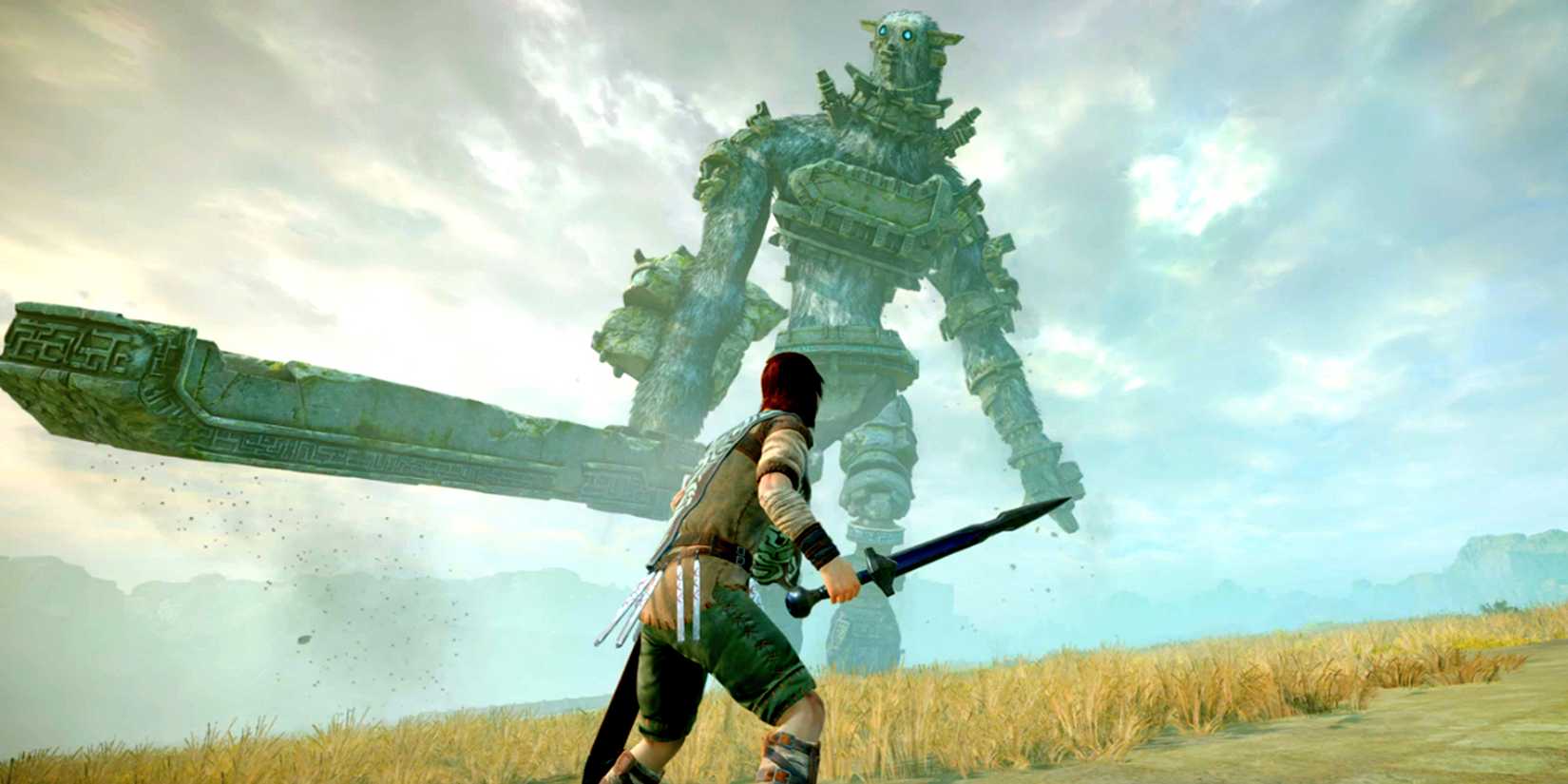
Shadow of the Colossus is one of the most emotionally layered and challenging video games ever made. You play as Wander, a young man who makes a deal with a demon to kill all the Colossi spread across the Forbidden Land, hoping to revive the love of his life, a girl named Momo. As Wander battles the Colossi, he realizes they aren’t really enemies, and he might be condemning himself to a worse fate.
Featuring one of the bleakest endings in gaming history, Shadow of the Colossus is a somber but worthwhile experience, and a great example of the narrative and emotional peaks a video game can achieve. The mood is oppressive and haunting throughout, and each time you slay a Colossi you have the sense that you might’ve just deprived this land of something ancient and primal. The graphics are also incredible for a game that came out over twenty years ago. A fun time this game is not, but Shadow of the Colossus remains a masterpiece of the medium that was only further perfected with a stellar 2018 remake.
Advertisement
‘Silent Hill 2’ (2001)
Image via Konami
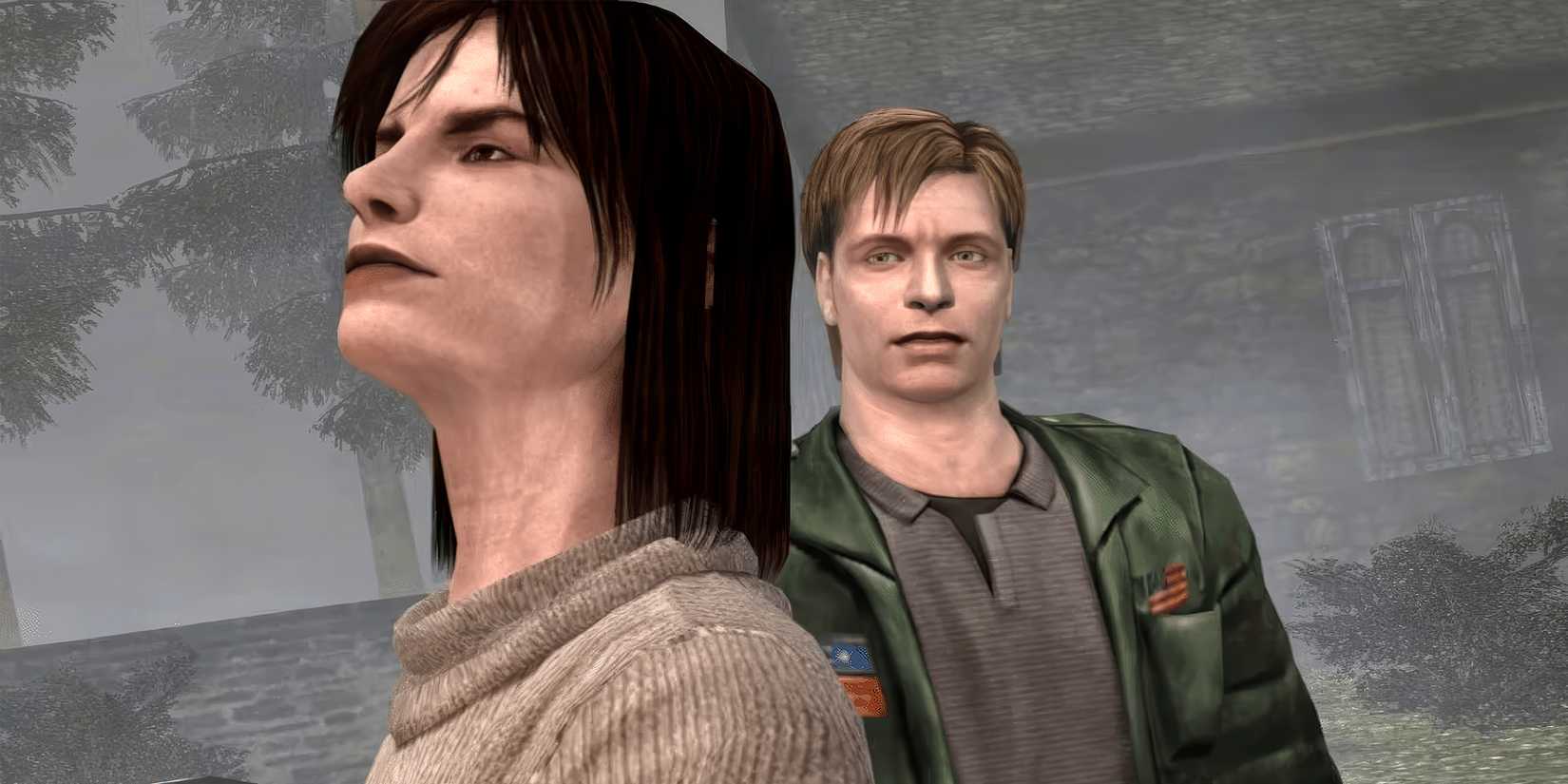
In the pantheon of horror games, one reigns supreme, and that’s Silent Hill 2. The survival game follows James Sunderland, a man grieving the loss of his wife three years earlier, who receives a letter from her compelling him to travel to the town of Silent Hill. There, James will encounter all sorts of monstrous and supernatural creatures, including the now-iconic and seemingly unkillable Pyramid Head.
Silent Hill 2 is a genuine masterpiece, plain and simple. More affecting, disturbing, and ultimately unforgettable than most major thriller or horror movies, the game presents a nuanced and rather intelligent depiction of grief and sorrow that makes it as thought-provoking as it’s eerie. It seamlessly balances these profound themes with sheer terror, introducing some of the most terrifying creatures in horror gaming. With six incredible endings and a legacy that speaks on its own, Silent Hill 2 is as close to perfection as any game will ever get.
Advertisement
Collider Exclusive · Horror Survival Quiz Which Horror Villain Do You Have the Best Chance of Surviving? Jason Voorhees · Michael Myers · Freddy Krueger · Pennywise · Chucky
Advertisement
Five killers. Five completely different ways to die — if you’re not smart enough, fast enough, or self-aware enough to avoid it. Only one of them is the villain your particular set of instincts gives you a fighting chance against. Eight questions will figure out which one.
🏕️Jason
🔪Michael
💤Freddy
🎈Pennywise
Advertisement
🪆Chucky
Advertisement
01
Something feels wrong. You can’t explain it — you just know. What do you do? First instincts are the difference between the survivor and the first act casualty.
Advertisement
02
Where are you most likely to find yourself when things go wrong? Setting is everything in horror. Where you are determines which rules apply.
Advertisement
03
What is your most reliable survival asset? Every survivor has a quality the villain didn’t account for. What’s yours?
Advertisement
04
What kind of fear is hardest for you to fight through? Knowing your weakness is the first step to not dying because of it.
Advertisement
05
You’re with a group when things start going wrong. What’s your role? Horror movies are brutally clear about who survives group situations and who doesn’t.
Advertisement
06
What’s the horror movie mistake you’re most likely to make? Honest self-assessment is a survival skill. Denial is not.
Advertisement
07
What’s your best weapon against something that can’t be stopped by conventional means? Every horror villain has a weakness. The survivors are always the ones who find it.
Advertisement
08
It’s the final scene. You’re the last one standing. How did you make it? The final survivor always has a reason. What’s yours?
Advertisement
Your Survival Odds Have Been Calculated Your Best Chance Is Against…
Your instincts, your strengths, and your particular way of thinking under pressure point to one villain you actually have a fighting chance against. Everyone else — good luck.
Advertisement
Camp Crystal Lake · Friday the 13th
Jason Voorhees
Jason is relentless, but he is also predictable — and that is the gap you would exploit.
He moves in straight lines toward his target. He doesn’t strategise, doesn’t adapt, doesn’t outsmart. He simply pursues.
Your ability to keep moving, use the environment, and resist the panic that freezes most victims gives you a genuine edge.
The Crystal Lake survivors were always the ones who stopped running in circles and started thinking about terrain, water, and distance.
You think like that. Which means Jason, for all his indestructibility, would face someone who simply refused to be where he expected.
Advertisement
Haddonfield, Illinois · Halloween
Michael Myers
Michael watches before he moves. He is patient, methodical, and almost impossible to detect — until it’s too late for anyone who isn’t paying close enough attention.
But you are paying attention. You notice the shape in the window, the car parked slightly wrong, the silence where there should be sound.
Michael’s power lies in the invisibility of ordinary suburbia — the fact that nothing ever looks wrong until it already is.
Your spatial awareness and instinct to map every room, every exit, and every shadow before you need them is precisely the quality Laurie Strode had.
You are not a victim waiting to happen. You are someone who already suspects something is wrong — and acts on it.
Advertisement
Elm Street · A Nightmare on Elm Street
Freddy Krueger
Freddy wins by getting inside your head — using your own fears, your own memories, your own subconscious as weapons against you. That strategy requires a target who can be destabilised.
You are harder to destabilise than most. You’ve faced uncomfortable truths about yourself and you haven’t looked away.
The survivors on Elm Street were always the ones who understood what was happening and chose to face it rather than flee from it.
Freddy’s greatest weakness is that his power evaporates in the presence of someone who refuses to give him the fear he feeds on.
Your psychological resilience — the ability to stay grounded when reality itself becomes unreliable — is exactly the quality that keeps you alive here.
Advertisement
Derry, Maine · It
Pennywise
Pennywise is ancient, shapeshifting, and feeds on terror — but it has one critical vulnerability: it cannot function against someone who genuinely stops being afraid of it.
The Losers Club didn’t survive because they were braver than everyone else. They survived because they faced their fears together, and faced them honestly.
You ask the questions others avoid. You look directly at what frightens you rather than turning away.
That directness — the refusal to let fear fester in the dark — is Pennywise’s worst nightmare.
It chose the wrong target when it chose you. You are exactly the kind of person whose fear tastes like nothing at all.
Advertisement
Chicago · Child’s Play
Chucky
Chucky’s greatest advantage is that nobody takes him seriously until it’s already too late. He exploits the gap between how something looks and what it actually is.
You don’t have that gap. You take threats seriously regardless of how they present — and you never make the mistake of underestimating something because of its size or appearance.
Chucky relies on surprise, on the delay between recognition and response. You close that delay faster than almost anyone.
Your instinct to treat every unfamiliar thing with appropriate scepticism — rather than dismissing it because it seems absurd — is the exact quality that keeps you breathing.
Against Chucky, not laughing is already winning. You are very good at not laughing.
Advertisement
‘Resident Evil 4’ (2005)
Image via Capcom
Advertisement
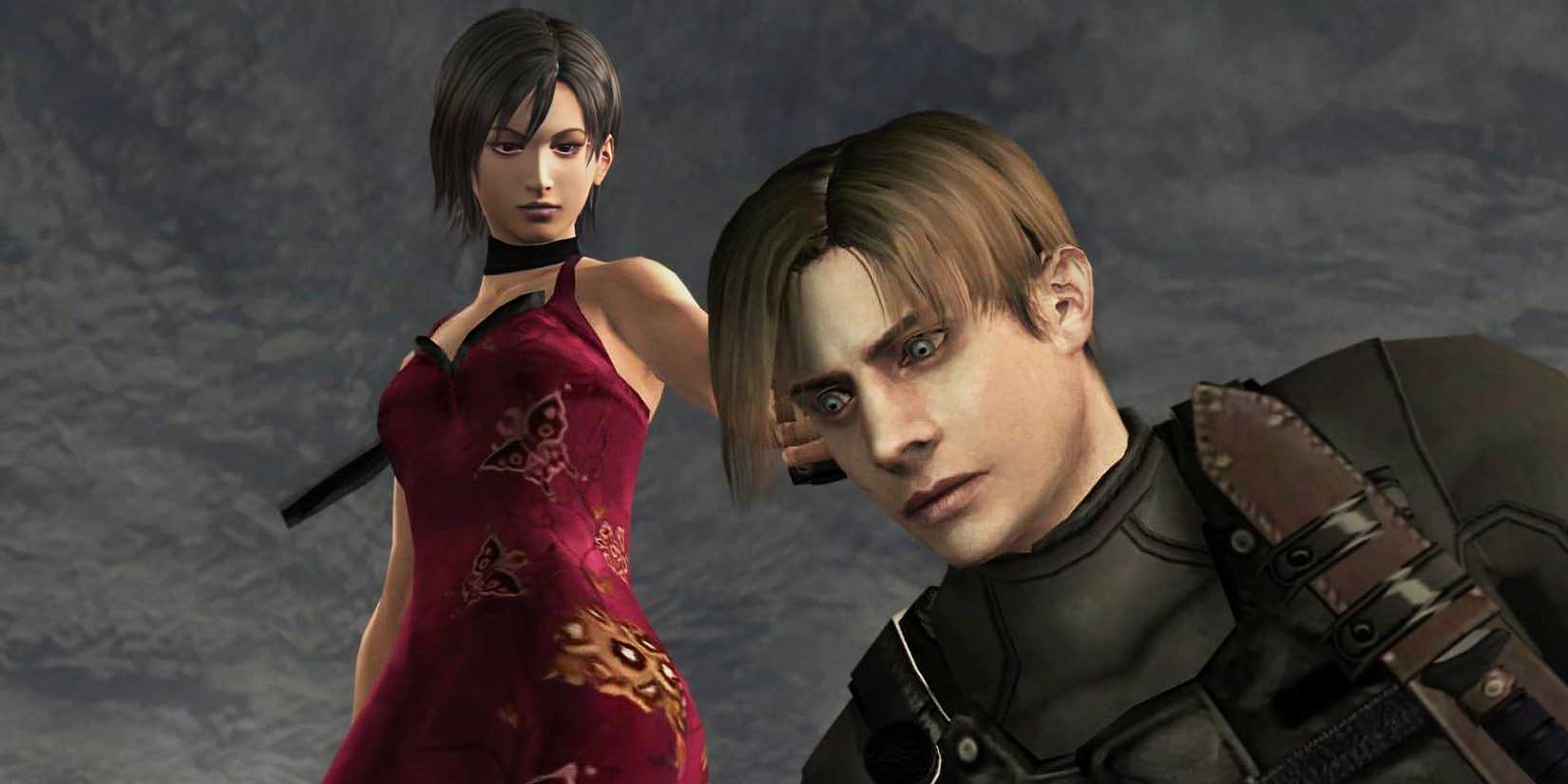
Speaking of survival games, no list about PS2 titles would be complete without Resident Evil 4. Set in Spain, the game introduces us to special agent Leon S. Kennedy, sent to a remote farmhouse to rescue the president’s daughter, Ashley Graham, from a religious cult. Joined by mercenary Ada Wong, Leon must fight through endless hordes of enemies infected by a mind-controlling parasite.
Perfection, your name is Resident Evil 4. Featuring the perfect mix of action, thrills, and horror, the game is widely celebrated for its dynamic camera, which outright revolutionized shooter video games. The then-novel approach made the setting all the more immersive and thus, the scares all the more effective. The voice acting is also on point, particularly Paul Mercier as the now-iconic Leon. Resident Evil 4 is the crowning jewel of the franchise, a truly riveting and absorbing experience that still plays incredibly well. The remake is also amazing, but there’s something special about playing the original.




You must be logged in to post a comment Login