Entertainment
7 R-Rated Fantasy Movies That Changed the Genre Forever

Quite often, fantasy films are—at least to some degree—family-friendly. It’s not the most common thing in the world for a fantasy film to be rated R by the MPAA, and when they are, these movies don’t always pan out quite like fans of the genre would expect. On a few noteworthy occasions, however, cinema has treated us to some truly exceptional R-rated fantasy films. And on even more precious occasions, these movies go on to have a tremendous impact and influence on the genre as a whole.
Their being rated R often means that these masterpieces of the genre can approach their fantastical elements with more maturity, a darker tone, and less concern for commercial whims. That’s probably why they’ve proven to be so immensely impactful over the course of the history of fantasy cinema. From adaptations of Arthurian legend to fully-original cult classics, these gems are easily among the greatest fantasy films of all time.
7
‘The Fall’ (2006)

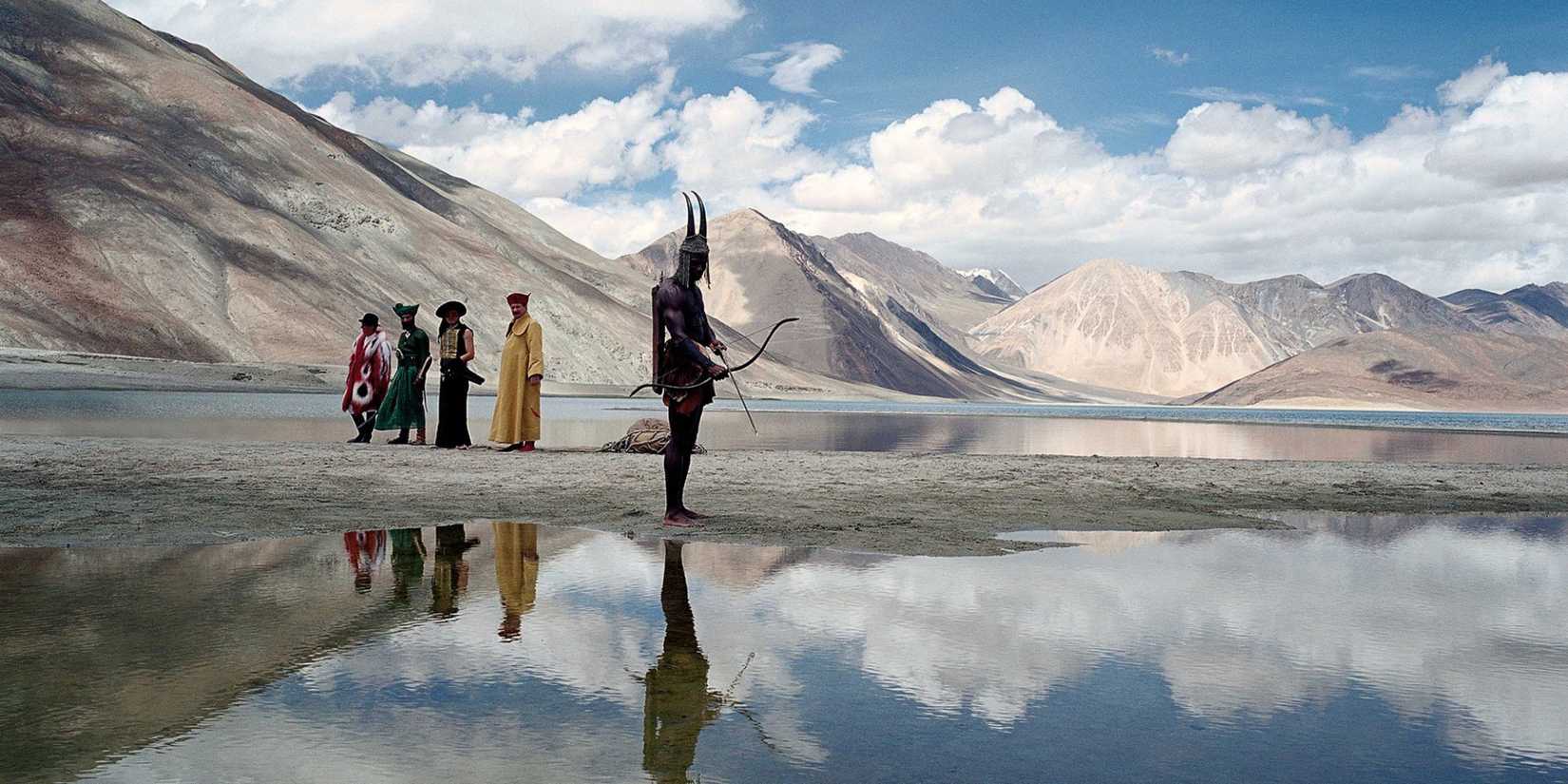
Based on the 1981 Bulgarian film Yo Ho Ho, Tarsem Singh‘s The Fall is one of those forgotten fantasy movies that are still perfect today. Due to its incredibly complicated release process, allegedly partly due to Harvey Weinstein having disliked the movie and deciding to sabotage it as a result, the film has never been able to meet the kind of praise that it so definitely deserves. Though it’s definitely a movie that favors style over substance, that’s only a nitpick when the style is this delectably perfect.
Shot over four years across 24 countries with no CGI, The Fall proved that visual ambition in the 21st century still existed in the same kind of old-school fashion that defined ’80s fantasy. It’s too singular and niche of a movie to say that it’s had a widespread impact across the entire fantasy genre, but there’s no denying the inspiration that it has shown in the fields of indie and arthouse fantasy. It’s a cult classic unlike any other that deserves more respect.
6
‘The Green Mile’ (1999)

Stephen King is, of course, a legendary writer best-known for his work in horror, but fantasy is another genre at which he has constantly excelled. That leaves us with Frank Darabont‘s adaptation of King’s novel The Green Mile, the director’s follow-up to The Shawshank Redemption (also based on a King story). It’s one of the heaviest fantasy movies ever made, but it’s also far and away one of the most acclaimed and widely beloved.
Led by Tom Hanks and Michael Clarke Duncan at their most emotionally stirring, this tear-jerker is a genre-blending example of low fantasy that mixes its magic with elements from a prison drama. The resulting concoction is one of Hollywood’s greatest ’90s classics. There’s a case to be made that it more stronly changed the way prison dramas were made, rather than fantasy films; but the impact that it’s had on low fantasy is undeniable, and as such, that’s enough to call it one of the most influential outings the genre had at any point during the ’90s.
5
‘Fanny and Alexander’ (1982)


When it comes to hyper-influential fantasy movies, it’s not all Hollywood blockbusters. Case in point: Fanny and Alexander, a coming-of-age epic that legendary Swedish auteur Ingmar Bergman (one of the greatest filmmakers in history) intended as his final movie. That didn’t end up being the case, but that doesn’t detract from the utter brilliance of this classic. Over three hours long in its theatrical cut and over five hours long in its television cut, this is an equally flawless masterpiece in both of its versions.
Fanny and Alexander is one of the best international coming-of-age movies in history, and like the rest of Bergman’s most notorious movies, it’s had a tremendous influence on many movie directors since. The film set a new gold standard for how magic realism could be applied in movies; and though its fantastical elements are definitely subtle, they’re brilliantly used nonetheless. There are many great fantasy movies which show magic through the eyes of a child’s innocence, and a remarkable number of the ones released after 1982 owe at least some of their greatness to Fanny and Alexander.
4
‘Legend’ (1985)
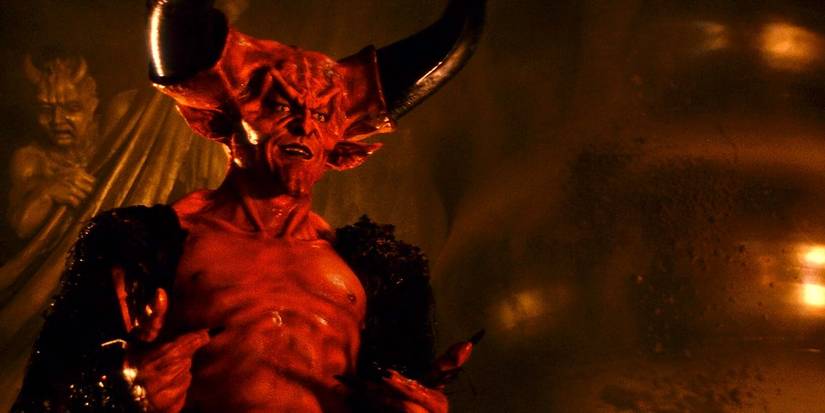
Back when it came out right in the middle of the ’80s, Ridley Scott‘s fourth-ever feature film, Legend, was trashed by critics and destroyed at the box office. The fact that the English auteur had followed up Blade Runner, one of the most complex sci-fi films in Hollywood history, with a straightforward fairy tale movie puzzled audiences the world over. In the years since, however, it’s become one of the biggest cult classics of Scott’s whole filmography.
Echoed by filmmakers like Guillermo del Toro and Tim Burton, the visuals of Scott’s underrated gem have aged like fine wine.
There are plenty of elements that make this one of the most perfect fantasy cult classics, from Tim Curry‘s iconic performance as Darkness to the delectably campy tone that permeates the whole thing. The film definitely favors visual spectacle over narrative depth, and that’s precisely the department where Legend changed the game altogether. Production design, visual effects, and makeup work were already crucial elements of the fantasy genre before 1985, but Legend proved how they could all be art forms unto themselves. Echoed by filmmakers like Guillermo del Toro and Tim Burton, the visuals of Scott’s underrated gem have aged like fine wine.
3
‘Excalibur’ (1981)

Directed by John Boorman, Excalibur is Medieval dark fantasy at its most epic and entertaining. The film actually began development as a Lord of the Rings adaptation that ended up going unproduced, and though you can still see remnants of that vision here, Excalibur is an entirely unique kind of adaptation of Arthurian legend. With its star-studded cast and a delightful visual style, it has joined the ranks of Legend as one of the biggest fantasy cult classics of the 1980s.
It’s one of the best R-rated fantasy masterpieces ever made, an operatic and highly detailed epic whose lush, dreamlike beauty more than makes up for the relative lack of substance of the narrative. Unapologetically dark, sexy, bloody, and fever-dream-ish, Excalibur set a new standard for how ambitious and full of theatrical grandeur adaptations of legendary fantasy source material could be. There has never been another Arthurian movie quite like it.
2
‘Conan the Barbarian’ (1982)

The movie that transformed Arnold Schwarzenegger from a world-renowned bodybuilder into an international movie superstar and box office magnet was Conan the Barbarian, John Milius‘ classic sword-and-sorcery masterpiece. Ideas to make a film about Robert E. Howard‘s iconic character from pulp fiction had been floating around in Hollywood since the 1970s, but the adaptation ended up materializing at exactly the right time, because it’s difficult to envision anyone but Schwarzenegger in the titular role.
It’s not just thanks to its star, though, but also thanks to Milius’ direction and the phenomenal work of the rest of the team that this is one of the best dark fantasy masterpieces of all time. There was a widespread perception before 1982 that the sword-and-sorcery subgenre was camp by nature, but Conan proved that it could be serious, brutal, and properly epic. There was a noteworthy boom in the production of fantasy media in the ’80s—including films, of course—, and many would argue that it was Conan the Barbarian that served as a major catalyst for such a revolution.
1
‘Pan’s Labyrinth’ (2006)
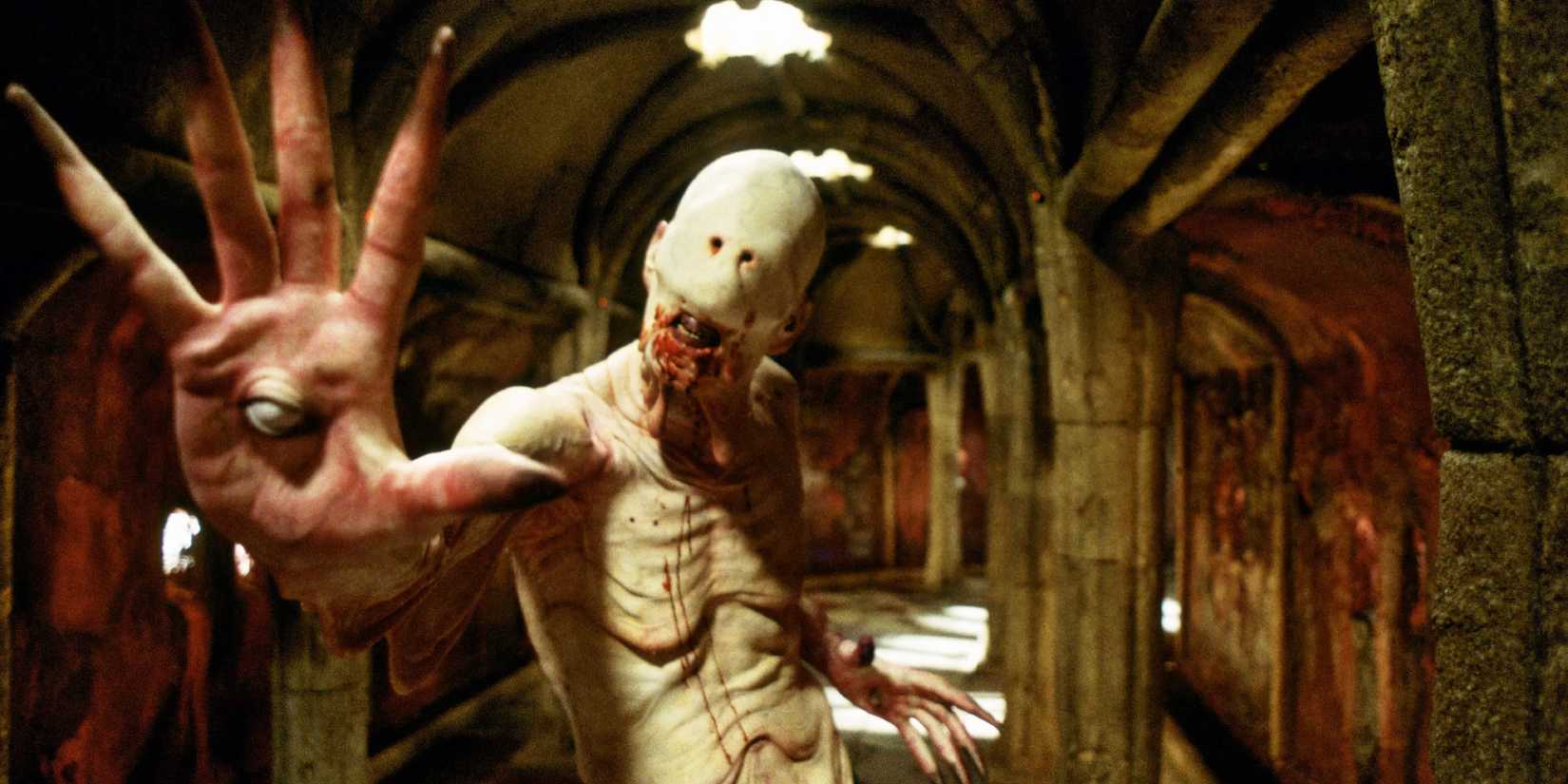
There is probably not a single fantasy filmmaker working today who’s more influential than Guillermo del Toro. The Mexican auteur has had an impact on the genre—dark fantasy in particular—that cannot be overstated, and that has resulted in several of the greatest fantasy films of the ’90s and of the 21st century. The discussion of del Toro’s best films can veer in many different directions, but more often than not, the conversation of what his magnum opus is ends up in a single place: Pan’s Labyrinth.
This Spanish-Mexican co-production is one of the darkest fairy tale movies of all time, and perhaps the most perfect example of what dark fantasy can achieve in the 21st century. Set against the backdrop of the Spanish Civil War and sharply criticizing fascism and authoritarian violence, del Toro’s mastepriece re-defined fantasy as a highly mature vehicle for complex themes and nuanced political commentary. Fantasy hasn’t been the same since 2006.
You must be logged in to post a comment Login