Entertainment
7 Western Shows That Have Aged Like Fine Wine

Ever since NBC premiered Hopalong Cassidy in 1949, TV show creators have long been fixated on dramatizing the outlaw nature of the Old West, from gun-slinging outlaws to legendary lawmen who tried to bring order to the chaos of the land. The Wild West has always been an era that was fertile for telling engaging stories of good versus evil, bad guys versus lawman, and even outlaw versus outlaw, battling it out to see who reigned supreme in the wild frontier.
While Hopalong Cassidy was the first Western to premier on television, it wasn’t until ABC’s stab at a Western series, The Lone Ranger, elevated the genre into the pop culture zeitgeist, introducing new storylines that would be influential in Western shows to come. Not only that, but the shows that changed the trajectory of the Western genre itself have aged quite well over the years; and that got me thinking about doing a piece highlighting the Western shows that have aged like fine wine in a fancy restaurant. So, grab your cowboy hat, and read on as we give you the Western series that still look fresh even by today’s modern standards.
‘The Rifleman’ (1958–1963)


Back in the Golden Era of Westerns, ABC established itself as a network that dared to do different things within the Western genre that didn’t involve shootouts and bad versus good. Enter The Rifleman, created by Sam Peckinpah and Arnold Laven, which turned out to be a vastly different series than its predecessors were. Starring Chuck Connors, the series follows Lucas McCain (Connors), a former Union Army soldier who is a widower, raising his son, Mark (Johnny Crawford) on a ranch in the fictional North Fork.
Right from the pilot episode, one could see that The Rifleman was going to be a much different Western than fans were accustomed to. Instead of relying on tense gun fights, The Rifleman focused on the moral and emotional bond between Lucas and his son. This allowed the series to be more character-driven, something that viewers didn’t really see in other Western shows at the time. Focusing on the characters rather than the land they lived on allowed The Rifleman to age quite nicely over the years, to the point where the series felt like it could be released in the middle of 2026 and feel just as fresh as it did when it premiered on ABC in 1958.
‘The Virginian’ (1962–1971)

If you haven’t heard about The Virginian, don’t be embarrassed, as this is a Western series that has been forgotten when the topic of best shows of the genre is discussed. But don’t let its underrated status fool you. The Virginian is one of the genre’s best shows, especially one that has aged really, really well.
Based on the novel by Owen Wister, The Virginian follows the foreman of the Shiloh Ranch (James Drury) as they face societal challenges in the Old West. Much like The Rifleman, The Virginian focuses more on the characters than the action, with the series becoming somewhat of a Western soap opera that leaned into relationship drama. The Virginian was one of the first Westerns to be filmed in color, and by looking at more adult themes, it allowed the show to age better as time went along.
‘Have Gun – Will Travel’ (1957–1963)

Back in the 1950s, when the Western was truly getting going on television, most of the shows within the genre were generally lighthearted affairs that were safe for the entire family. That changed with Have Gun – Will Travel, which premiered on CBS in 1957 and is largely seen as the first Western that was fully aimed at adults. The series follows Paladin (Richard Boone), a gunfighter-for-hire who is quite different from the other gunslingers at the time.
Paladin is smart and sophisticated, which made him the perfect guy to solve the big problems that clients would come to him with. Have Gun – Will Travel certainly had its tense moments, but what makes this show stand out from its predecessors was the way it told its central premise. The series focused more on psychological storytelling, with Paladin using his smarts instead of brute strength to solve problems. In today’s Western landscape, you can see protagonists use their brainpower more than their shooting skills, which makes Have Gun – Will Travel a show that could easily fit in the modern era.
‘Bonanza’ (1959–1973)

You know you’re going to be in for a good time when you see the map burning on the screen. The iconic opening title card to the famed NBC Western series Bonanza was the cherry on top of a sundae that never melts. Created by David Dortort, the series follows the Cartwright family, who lived on the Ponderosa ranch near Lake Tahoe. While Bonanza is technically a Western, in some respects, it doesn’t follow the same tropes as its counterparts.
For starters, Bonanza was more moral and character driven. The series would often tackle social and emotional issues that were complex. While other Western shows focused on the rough and tumble West, Bonanza was basically a soap opera that just happened to be set in the Old West. The focus of moral and societal issues makes Bonanza feel a lot more relevant to a modern audience than a show such as The Lone Ranger, which was quickly dated after it went off the air. You can put on an episode of Bonanza today and feel like you’re watching a modern Western, because the show was made to feel just like it was.
‘Lonesome Dove’ (1989)
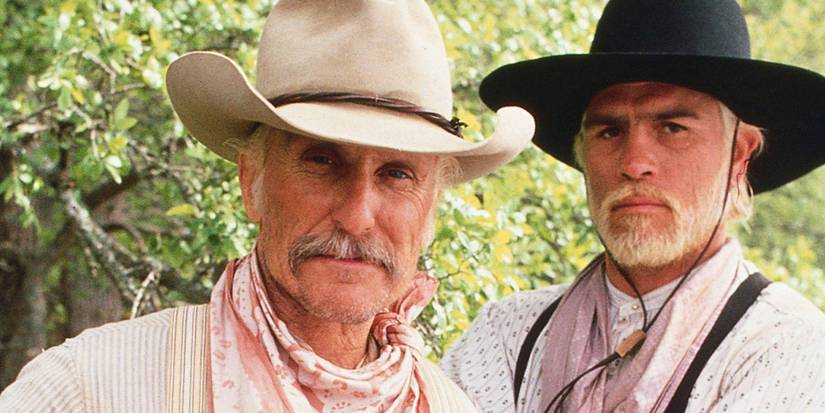
In 1985, author Larry McMurtry published his famed Western novel Lonesome Dove, and the book became an instant hit. It was also around this time that the Western genre on television and film began to take quite a dip in quality, and people were losing interest. So, CBS, in a gamble, adapted McMurtry’s novel into a miniseries in 1989, and the rest, as they say, is history. Lonesome Dove was not only a giant hit for CBS, but it also completely revitalized the Western genre.
Lonesome Dove is widely considered to be the modern Western series others inspired to be. With sensational performances from Robert Duvall and Tommy Lee Jones, Lonesome Dove presented audiences with a gritty portrayal of the frontier, far removed from the romanticized version that was often portrayed in Western shows. The storytelling is hauntingly beautiful, the characters have a tremendous amount of depth, and the quality of the production was, and still is, simply unmatched. There isn’t an alternative reality where Lonesome Dove would age poorly.
‘Dr. Quinn, Medicine Woman’ (1993–1998)
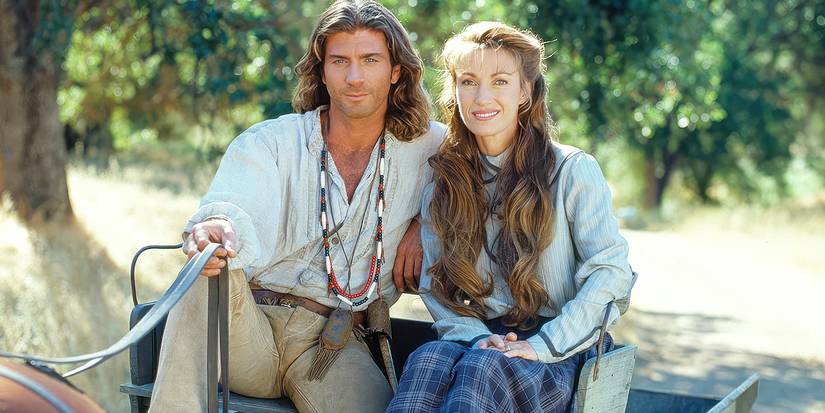
For a long time, Western shows were primarily driven by male leads, with women often in the background. That changed in 1993, when CBS debuted a new Western centered around a doctor named Dr. Michaela Quinn (Jane Seymour). Dr. Quinn, Medicine Woman was quite the game changer for the Western genre. The show follows Dr. Quinn as she leaves Boston to search for adventure in the West. She then settles in Colorado Springs and opens up a practice there, treating all types of illnesses that plagued the rugged West.
Dr. Quinn, Medicine Woman was a progressive show that often centered on themes such as social justice and women’s rights, both of which remain issues to this very day. These themes wouldn’t have stuck an emotional landing without a strong female lead, and Dr. Quinn was certainly that and then some. She was independent, compassionate, and determined to show the medical field of the 19th century that women could be compatible doctors as men were. But, above all else, Dr. Quinn, Medicine Woman was all about family, and the drama and heartwarming themes that centered around this made the show an extremely family-friendly affair. Looking back on the show, it’s hard to say that Dr. Quinn, Medicine Woman aged poorly. It did the exact opposite, and if you were to show this series to someone who wasn’t born during the time the series aired, they would definitely believe that this was a show that was released in the 21st century.
‘Deadwood’ (2004–2006)
What can you say about HBO’s Deadwood that hasn’t already been said? This show is timeless. It’s a Western work of art. It’s the gold standard of the modern-day genre that hasn’t aged one bit. Created by David Milch, Deadwood centers on the town of Deadwood, South Dakota, and how the place grew from a camp into an actual town. While most Westerns, both historical and modern, were more character-driven, Deadwood took a markedly different approach, focusing instead on order, morality, and civilization, how the West became a tame place.
One thing that makes Deadwood stand out is its unique dialogue. The people of Deadwood don’t speak in the same Western tone as its predecessors. No, the dialogue within Deadwood is often poetic, even, dare we say it, Shakespearean in tone. If another person created this series, a Shakespearean Western would sound really weird; but this is David Milch, and the man knows how to write superior dialogue, and Deadwood was his magnum opus. Outside the splendid writing, Deadwood‘s performances and production quality are simply top-notch, with everything coming together to create the best modern Western series of our time, and one that has not, and will not, age.

